





 English
  Francês
  Alemão
  Italiano
  Japonês
  Norueguês
  Portuguese
  Spanish
  3 min of reading
  0 comments


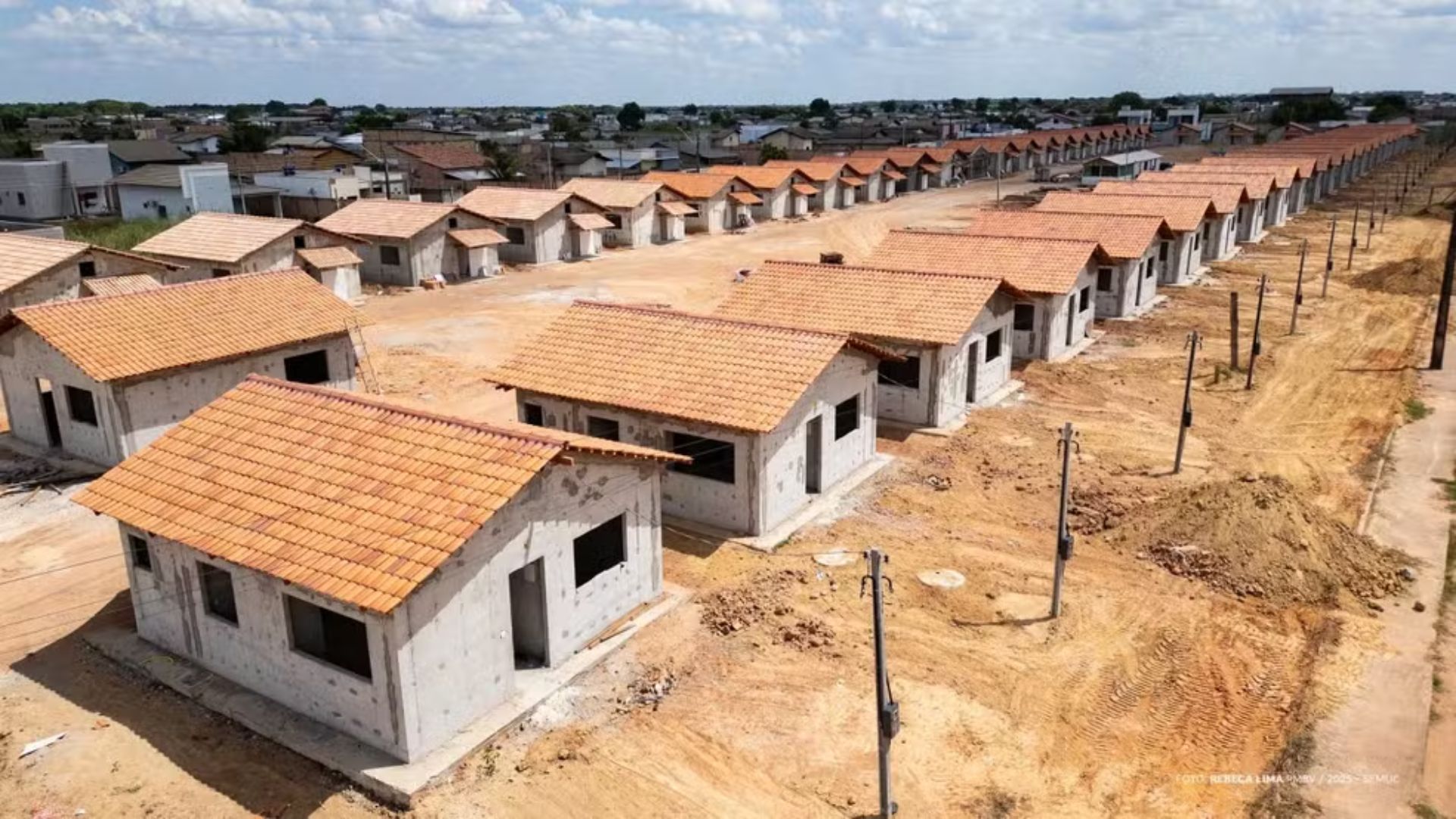
FGTS Council Expands Program Limits, Increases Financing Amounts, and Makes Access to Housing More Viable Amid High Interest Rates in Brazil
The Minha Casa, Minha Vida program has undergone significant changes that may directly impact millions of Brazilians dreaming of homeownership. The decision was made by the Curator Council of the Time of Service Guarantee Fund (FGTS) this Tuesday (24), approving the expansion of income limits and maximum financing amounts.
With this, the housing program becomes even more comprehensive and strategic, especially in a scenario of expensive credit and high interest rates in the country. The information was released by g1, which detailed the main changes and their practical impacts for Brazilian families.
New Income Limits Expand Access to the Program
First of all, one of the most important changes is the update of the income brackets, which now encompass a larger number of families. This means that people who were previously excluded from the program can now fit within the rules and seek financing under more advantageous conditions.
-
Expansion of Federal Institutes: 38 new campuses and R$ 200 million for public education; see the cities included.

-
Lula’s government changes rule in important benefit and thousands of Brazilians will no longer receive it; see what has changed.

-
New Gripen fighter makes Argentines surrender to Brazil, and the heavy reaction exposes envy, frustration, and shock at Brazil’s technological leap.

-
This discovered deposit near the Andes could change the future of Argentina, attract billions, and even shake up the global metals market.


Check out the new limits:
- Bracket 1: from R$ 2,850 to up to R$ 3,200
- Bracket 2: from R$ 4,700 to up to R$ 5,000
- Bracket 3: from R$ 8,600 to up to R$ 9,600
- Bracket 4: from R$ 12,000 to up to R$ 13,000
In practice, this expansion represents a significant advancement. By raising the income ceilings, the government allows low and middle-income families easier access to real estate financing, something that has been increasingly difficult given the rising costs in the sector.
Moreover, this change aligns with the current economic reality, marked by accumulated inflation and rising living costs, factors that have been restricting access to the program.
Property Values Rise and Expand Buying Options
In addition to income, another fundamental point that underwent change was the maximum value of properties financed within the program. This change is especially relevant for families seeking larger or better-located properties but were hindered by the previous limits.
See the new ceilings:
- Bracket 3: from up to R$ 350,000 to up to R$ 400,000
- Bracket 4: from up to R$ 500,000 to up to R$ 600,000
Thus, the Minha Casa, Minha Vida program now offers greater flexibility in choosing a property. In other words, beneficiaries gain more freedom to seek properties that better meet their needs, whether in size, location, or infrastructure.
Consequently, the program may also stimulate the real estate market, increasing demand for properties within these new price ranges.
Lower Interest Rates Make the Program More Attractive than Traditional Financing
Another factor that reinforces the importance of the program is the difference in interest rates. Currently, the Minha Casa, Minha Vida program offers interest rates ranging from 4% to 10% per year, depending on family income and contract conditions.
Meanwhile, traditional real estate financing hovers around 12% per year, pressured by the Selic rate, which is currently at 14.75% per year. In other words, the cost of credit outside the program has become significantly higher.
In this scenario, the housing program consolidates itself as a more accessible and viable alternative for those wishing to purchase a property. Therefore, the new rules arrive at a strategic moment, further enhancing the attractiveness of the Minha Casa, Minha Vida program.
Program Remains a Government Priority and Gains New Reinforcements
Re-launched under the current government of President Luiz Inácio Lula da Silva (PT), the Minha Casa, Minha Vida program continues to be one of the main bets to reduce the housing deficit in Brazil.
Created in 2009, the program aims to facilitate access to housing for low and middle-income families by offering subsidies and special financing conditions.
In addition to changes in income brackets and property values, the council also approved other important measures. Among them are the resumption of FGTS-Health and the inclusion of new borrowers in the Urban Transport and Mobility Infrastructure Program (Pró-Transporte).
With this, the package of decisions reinforces the role of FGTS as a public policy instrument, not only in housing but also in strategic areas for urban development.







Seja o primeiro a reagir!