





 English
  Francês
  Alemão
  Italiano
  Japonês
  Norueguês
  Portuguese
  Spanish
 2 min of reading


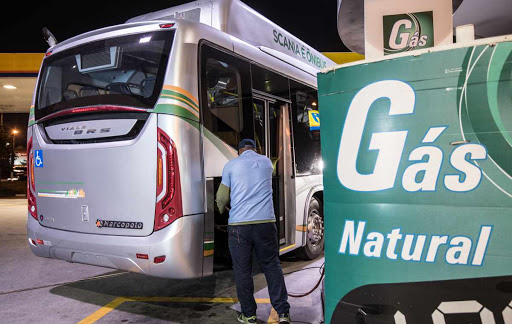
The Vehicle Fueled by Compressed Natural Gas and Biomethane Started Operating on the Last 21st. After Bahia, the Bus Will Head to Paraná
On October 21, in the capital of the State of Bahia, Salvador, the testing phase of the bus powered by compressed natural gas and biomethane began. The project is part of an experiment by Bahiagás, Scania, and Seinfra – Secretary of Infrastructure of the State. Salvador is the first capital in the Northeast to receive the vehicle, which has already passed through São Paulo, Belo Horizonte, Curitiba, and Rio de Janeiro. The next state to be tested will be Paraná.
See Also Other News of the Day:
- Jobs for Construction and Maintenance: Helpers, Bricklayers, Technicians, Electricians, Plumbers, Engineers, and Many More Professionals Called for Sartori Projects in Minas Gerais
- Petrobras Highlights Innovation and Value Generation in New Campaign
- Equinor Commits to Net Zero Emissions by 2050
Marcus Cavalcanti, State Secretary of Infrastructure, stated that the testing phase is crucial for the government of Bahia to assess future transportation bids.
“We are conducting this testing period for two reasons: to bring about a reduction in the fare for the user in the future bidding and to facilitate a transition to more environmentally friendly fuels. It is an experience to evaluate the cost of this vehicle in comparison to the diesel-powered vehicle,” said the Secretary.
-
Chinese giant worth nearly R$ 4 billion that manufactures cables for electric cars, solar energy, and robotics wants to open a factory in SC.

-
Many employers do not know, but the law guarantees domestic workers a 25% increase in salary during trips, 50% for overtime, 20% for night shifts, and 17 additional benefits that can lead to labor lawsuits if not paid.

-
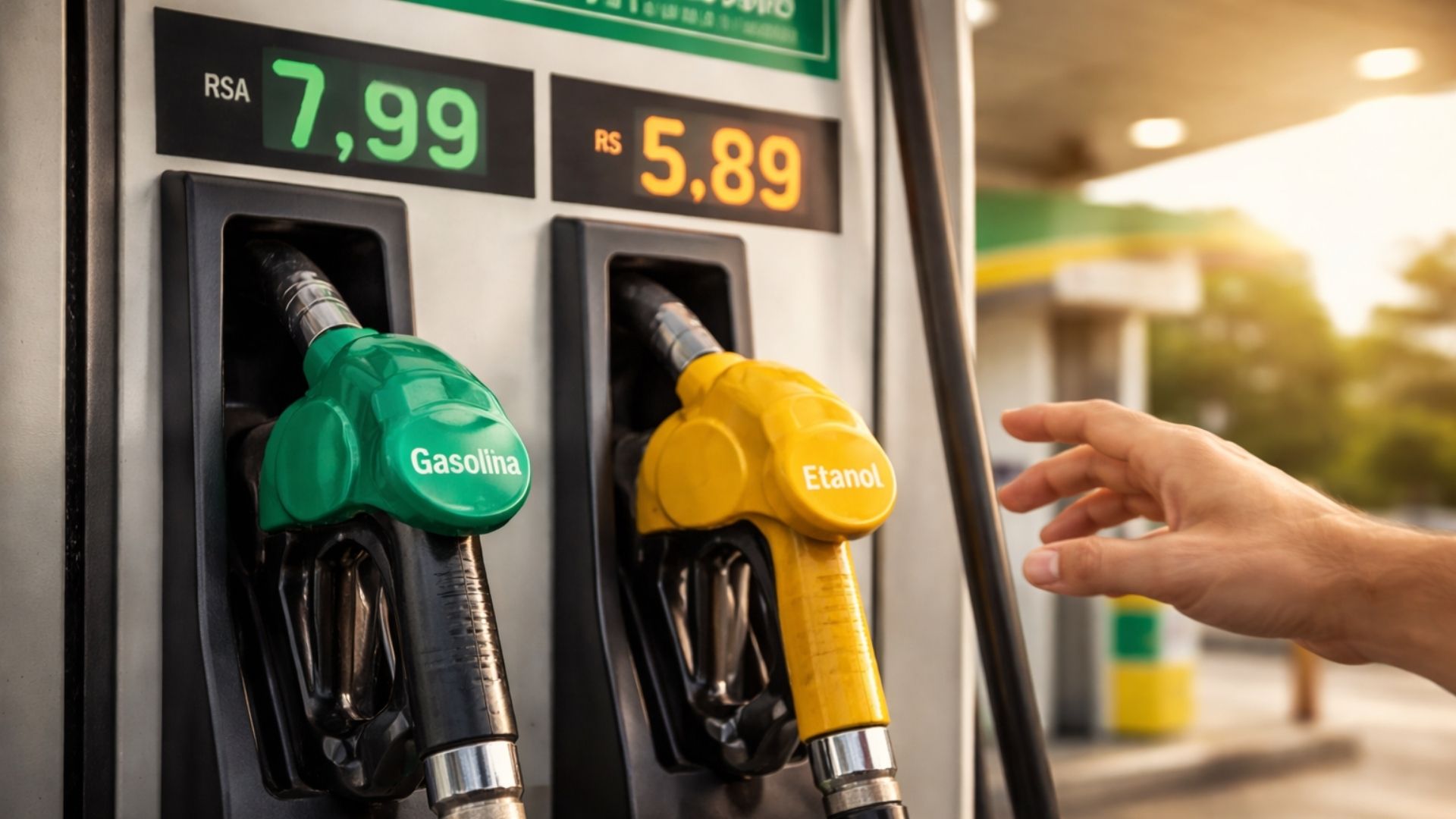
Gasoline prices soar and the question arises: is ethanol more advantageous? The 70% rule reveals the limit with gasoline.
-
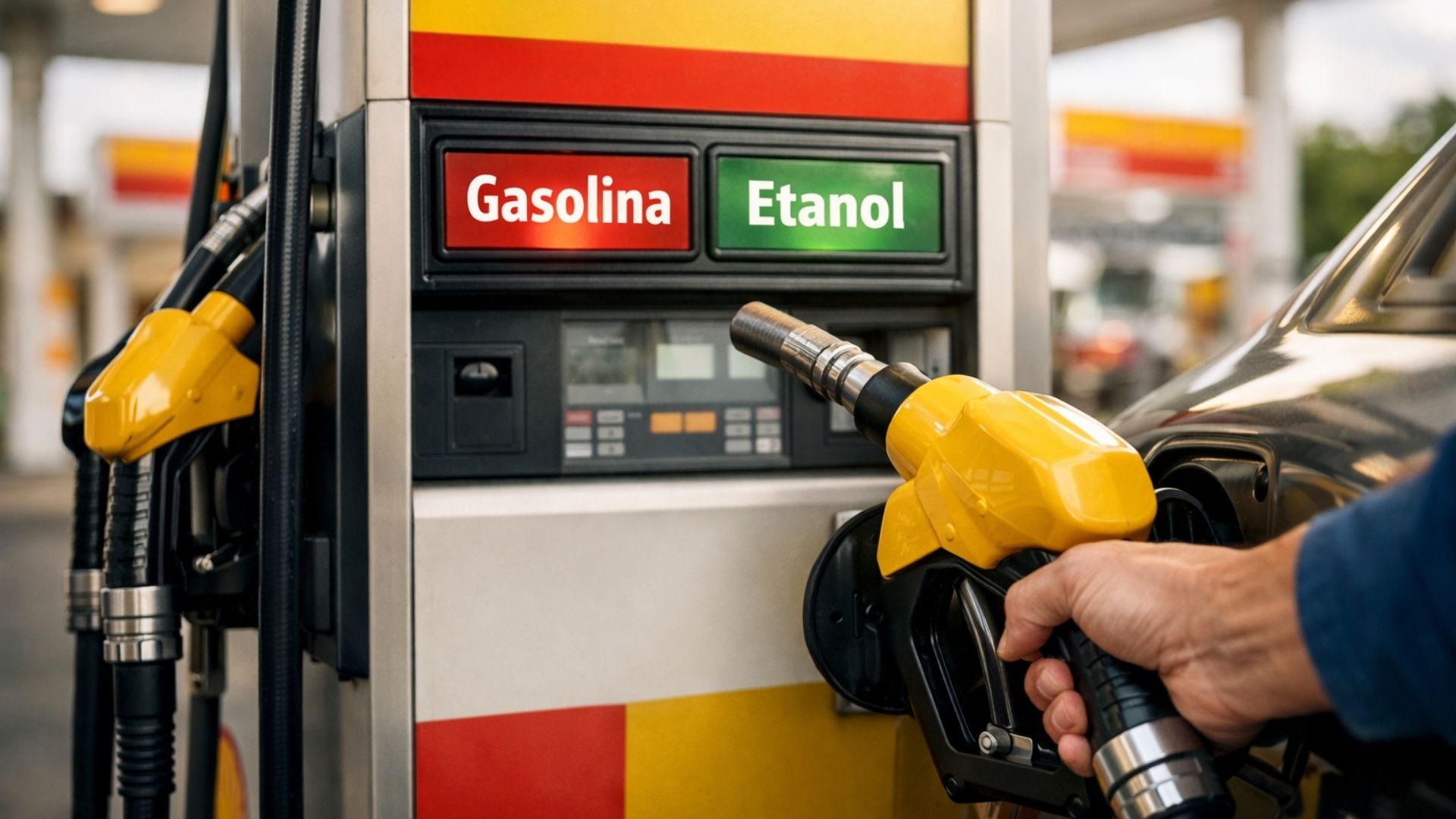
The government has made a decision and is starting a test with more ethanol in gasoline, anticipating a mixture of up to 35%, diesel with 25% biodiesel, and a study to assess the impacts on engines.

The bus being tested has a capacity for 110 passengers, equipped with air conditioning, a lift platform, special seating for visually impaired individuals and a guide dog. However, due to the pandemic, the vehicle’s capacity has been reduced.
According to Luiz Gavazza, CEO of Bahiagás, “Cost-effectiveness is a central element as we are dealing with a less polluting fossil fuel that is much cheaper and has the same energy capacity as diesel, the main fuel used in heavy vehicles today,” he said while discussing the economy and environmental impact.








Seja o primeiro a reagir!