





 English
  Francês
  Alemão
  Italiano
  Japonês
  Norueguês
  Portuguese
  Spanish
  3 min of reading



While GM Focuses On Larger Electric Vehicles, Ford Is Increasing Its Investments In Smaller Electric Cars.
GM announced that it will end production of the Chevy Bolt, its most popular electric vehicle, later this year. The decision surprised many fans and critics of the model, which was considered the best value in EVs that one could buy today. What Led GM To Kill The Bolt, And What It Means For The Future Of Electric Cars?
The decision by GM comes at a time when other automakers, such as Ford, are increasing their investments in smaller electric cars. GM, however, is pursuing a different strategy, likely as a result of market research indicating that European consumers prefer larger electric vehicles.
Although GM is discontinuing the Chevy Bolt, the company remains committed to expanding its electric vehicle lineup. The company announced that it plans to launch 30 new electric models by 2025, including the electric crossovers Cadillac LYRIQ and GMC HUMMER EV.
-
Engineers propose a fourth traffic light for intersections – the change promises to affect crossings, queues, and waiting times.

-
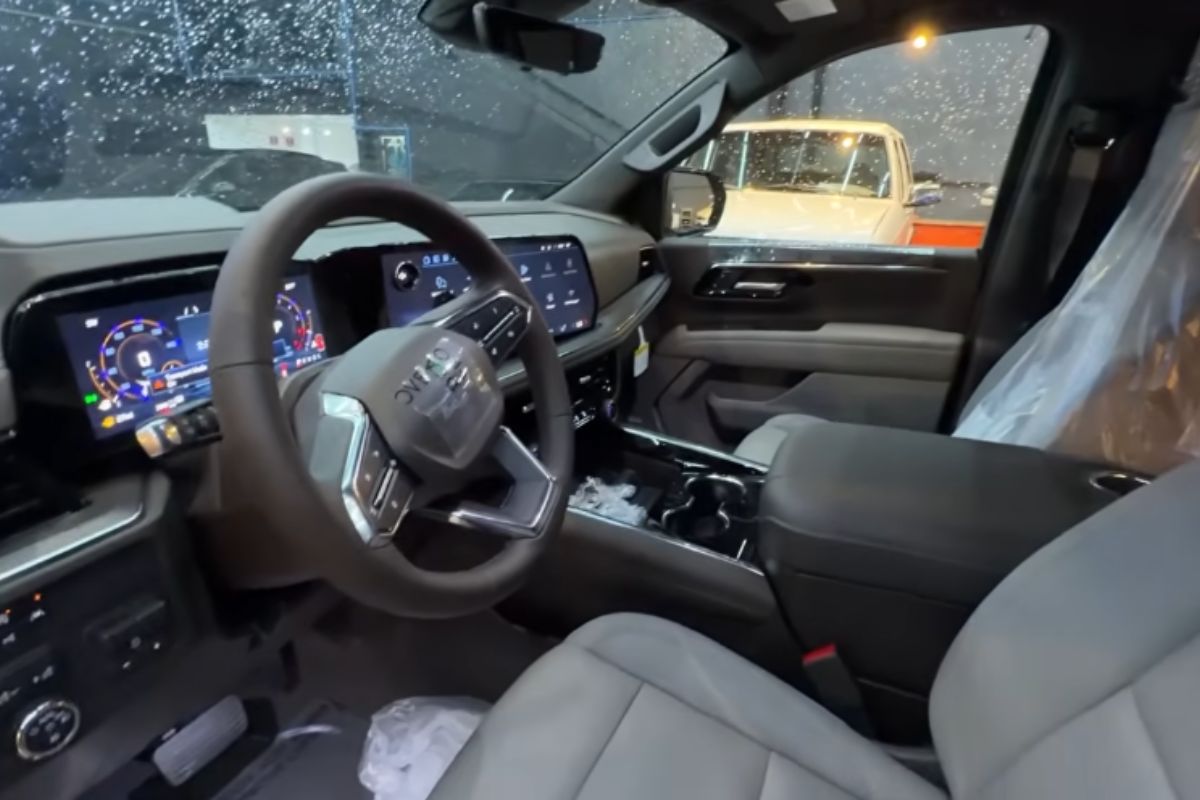
Chevrolet Suburban Z71 lands in Brazil with a V8 engine, off-road design, air suspension, seven seats, and colossal size, a rare version imported for around R$ 1.3 million with luxury and exclusivity.
-
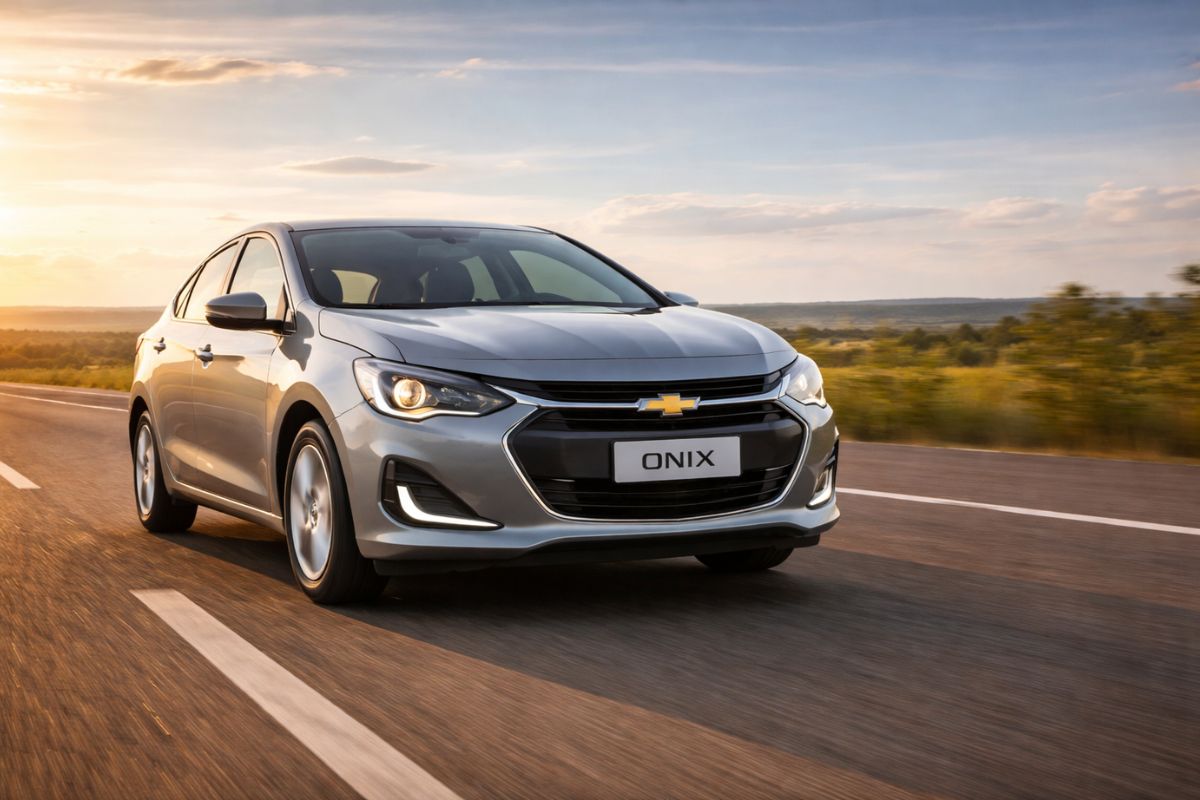
The Chevrolet Onix 1.0 turbo achieves 17.7 km per liter on the highway and ranks among the three most economical cars in Brazil in 2026, alongside two more expensive Toyota hybrids available at dealerships.
-
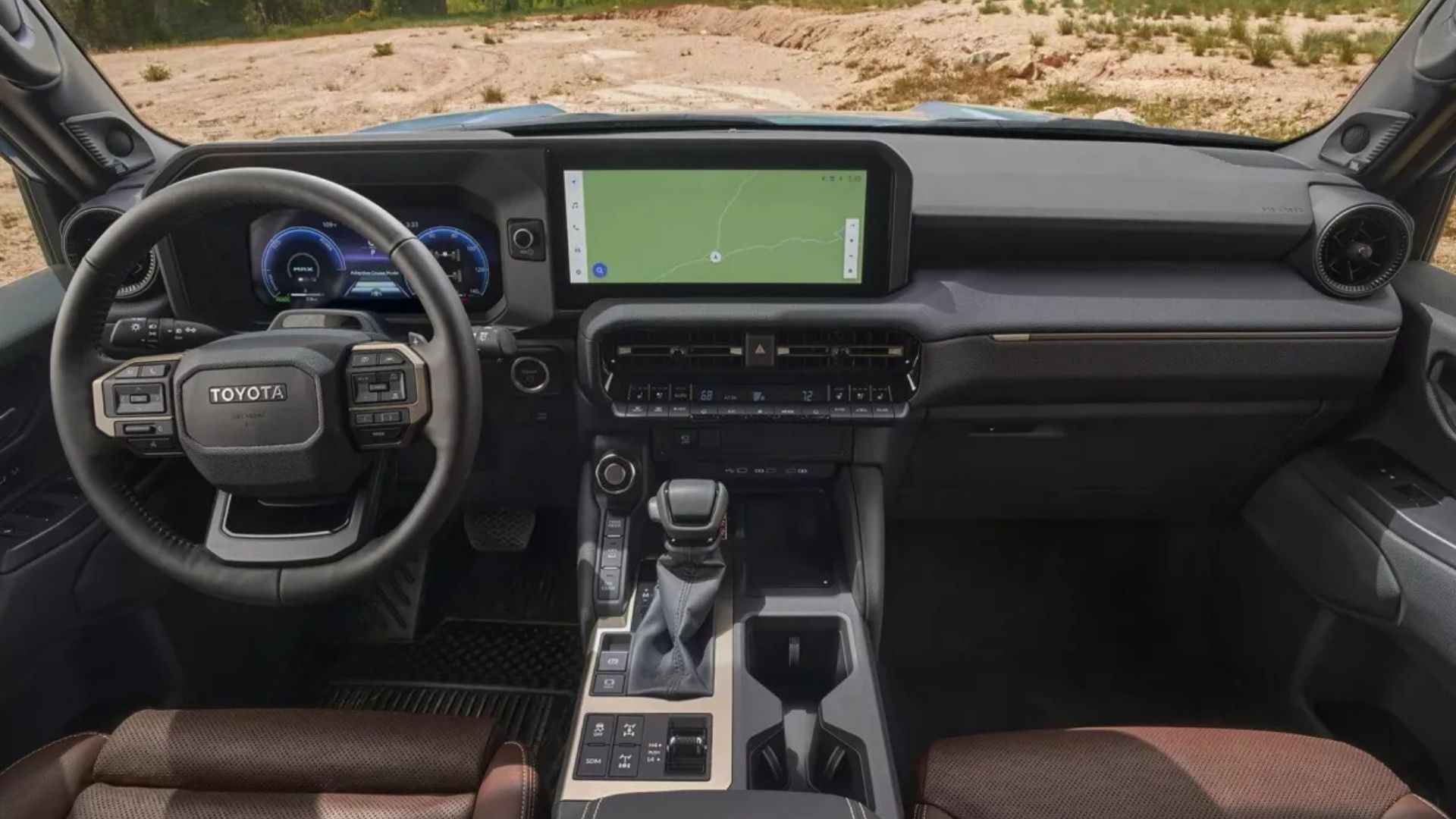
Little sister of the Hilux: Toyota launches Land Cruiser FJ with 4 radical versions, 2.7 engine with 166 hp and 4×4 traction with locking.

Meanwhile, Ford is investing in smaller electric cars, with the Mustang Mach-E and an electric version of the F-150 in development. With increasing competition in the electric vehicle market, it’s likely that we will see more changes in automakers’ strategies in the coming years.
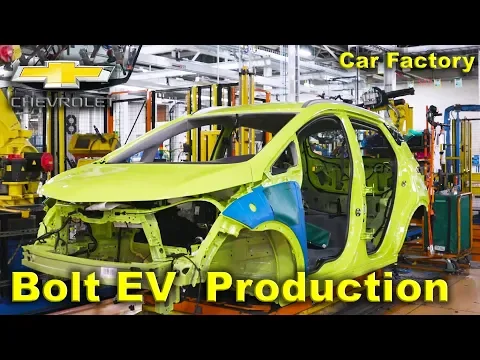
Watch The Video Below And Check Out The Production Line Of Chevrolet’s Small EV

Chevrolet: Goodbye To The Bolt
GM claimed that it decided to discontinue the Bolt to focus on its new EV projects, especially the giant electric trucks that are expected to hit the market in the coming years. The company said it wants to lead the transition to electric and zero-emission mobility and that it needs to invest in more advanced and profitable technologies.
However, some analysts and critics questioned the logic behind GM’s decision. They pointed out that the Bolt still had strong and growing demand, especially at a time when EV sales have never been higher and government initiatives are encouraging the category to move closer to the mainstream.
Additionally, they argued that the Bolt had a distinct identity in the EV landscape, which was until recently dominated by the Tesla brand, which seems increasingly vulnerable. The Bolt offered a rare combination of innovative ambition with practical affordability, and helped give a bit of shine to GM as an automaker that took EVs seriously.
What Was The Chevy Bolt?
The Chevy Bolt was launched in 2016 as GM’s first low-cost, high-range EV. The model had a starting price of US$ 27,495 (including destination) and a range of over 200 miles (approximately 320 km) on a full charge. Additionally, the Bolt was eligible for the federal tax credit of US$ 7,500, which further reduced its final cost.
The Bolt had space for five passengers and all the modern comforts and safety features one would expect from a new car in 2023. The design wasn’t stunning, but it was practical and functional. In 2023, GM launched a slightly larger version of the Bolt, called the EUV, which had a starting price of US$ 28,795 (including destination) and a slightly lower range.
Contrary To GM, Ford Bets On Smaller Electric Vehicles
While GM focuses on larger electric vehicles, Ford is increasing its investments in smaller electric cars. The company recently launched the Mustang Mach-E, a compact electric SUV, and plans to launch an electric version of the iconic Ford F-150.
Ford is also collaborating with Rivian, an electric vehicle startup, to develop a luxury electric vehicle. Ford invested US$ 500 million in Rivian in 2020 and plans to launch the electric vehicle in 2023.









Seja o primeiro a reagir!