





 Portuguese
  English
  Spanish
  7 min of reading
  0 comments


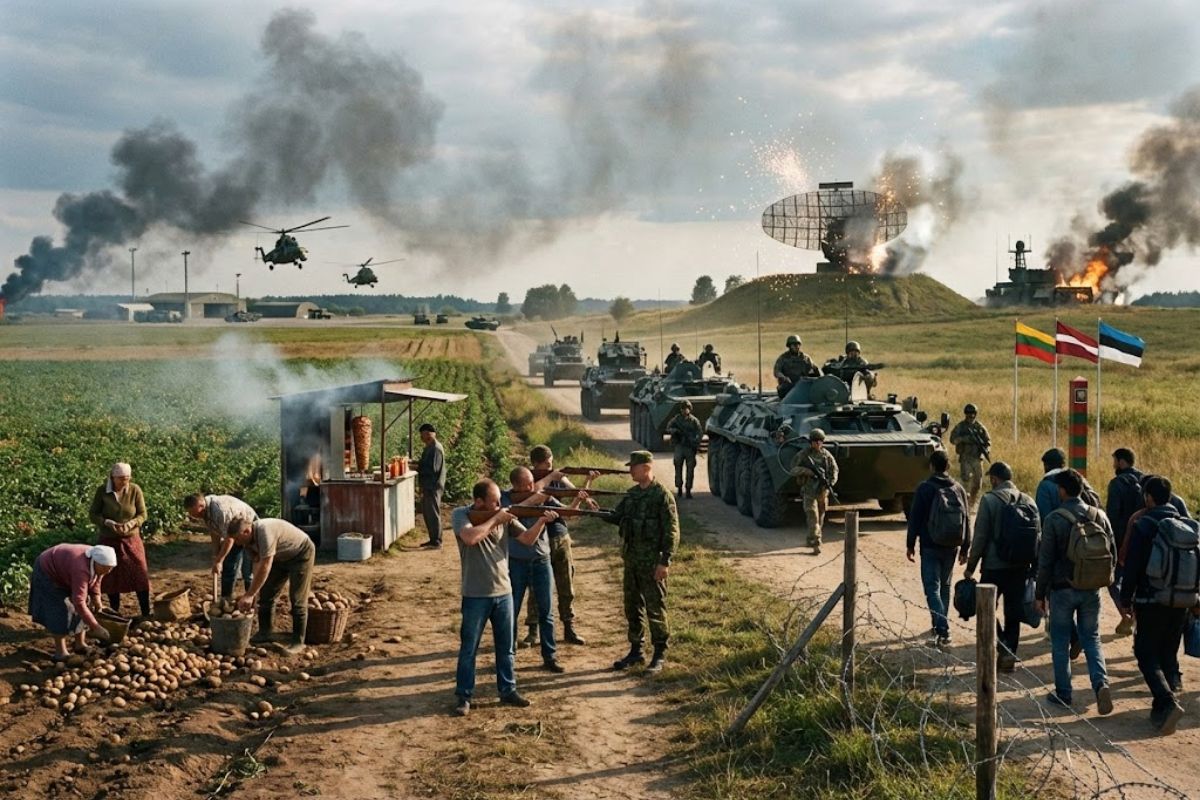
In Indra, In Eastern Latvia, Harvests Continue Near The Border With Russia And Belarus, But The Calm Has Turned To Alert: Soldiers Rotate Every Six Months, Helicopters Report Crossings, And In Rucla The Kebab Is Packed With Soldiers. In Estonia, Civilians Train Evacuations, Sabotage, Radar Failing And Bases Becoming Targets
A few kilometers from the Russian border, the routine of those living in the Baltic countries has come to be measured by signs of tension that interrupt simple tasks. In agricultural villages, the presence of soldiers on the way to work has ceased to be an exception and has become the landscape, with patrol shifts that now rotate every six months.
In Lithuania, Latvia, and Estonia, residents try to maintain work, family, and local plans, but live with a scenario of border reinforcement, risk of provocations, and fear that strategic bases will become targets. Normalcy has turned into a daily exercise in adaptation, without life ceasing to go on.
Indra, Latvia, Where Harvests Coexist With Border Reinforcement

Indra, in eastern Latvia, is described as tranquil, with people living from agriculture and valuing calm and nature. The contrast appears just a few kilometers away, where concrete blocks remind one of a neighborhood considered hostile. Indra is about 5 km from the border with Belarus, a close ally of Russia in the war against Ukraine, and tension becomes part of daily life like an additional layer over the landscape.
-
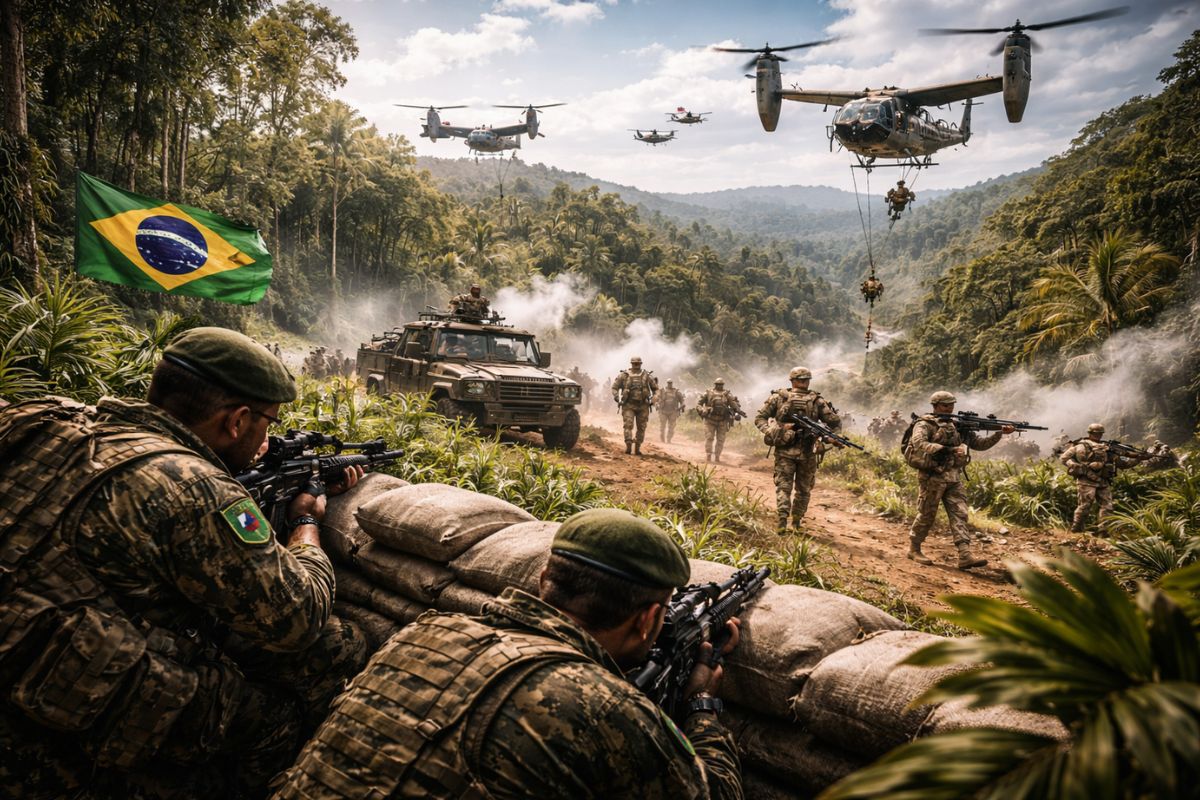
If the USA were to go to war with Brazil, Washington’s greatest fear would not be the attack itself, but facing a vast territory, prolonged resistance, and a costly, chaotic, and unpredictable occupation.
-
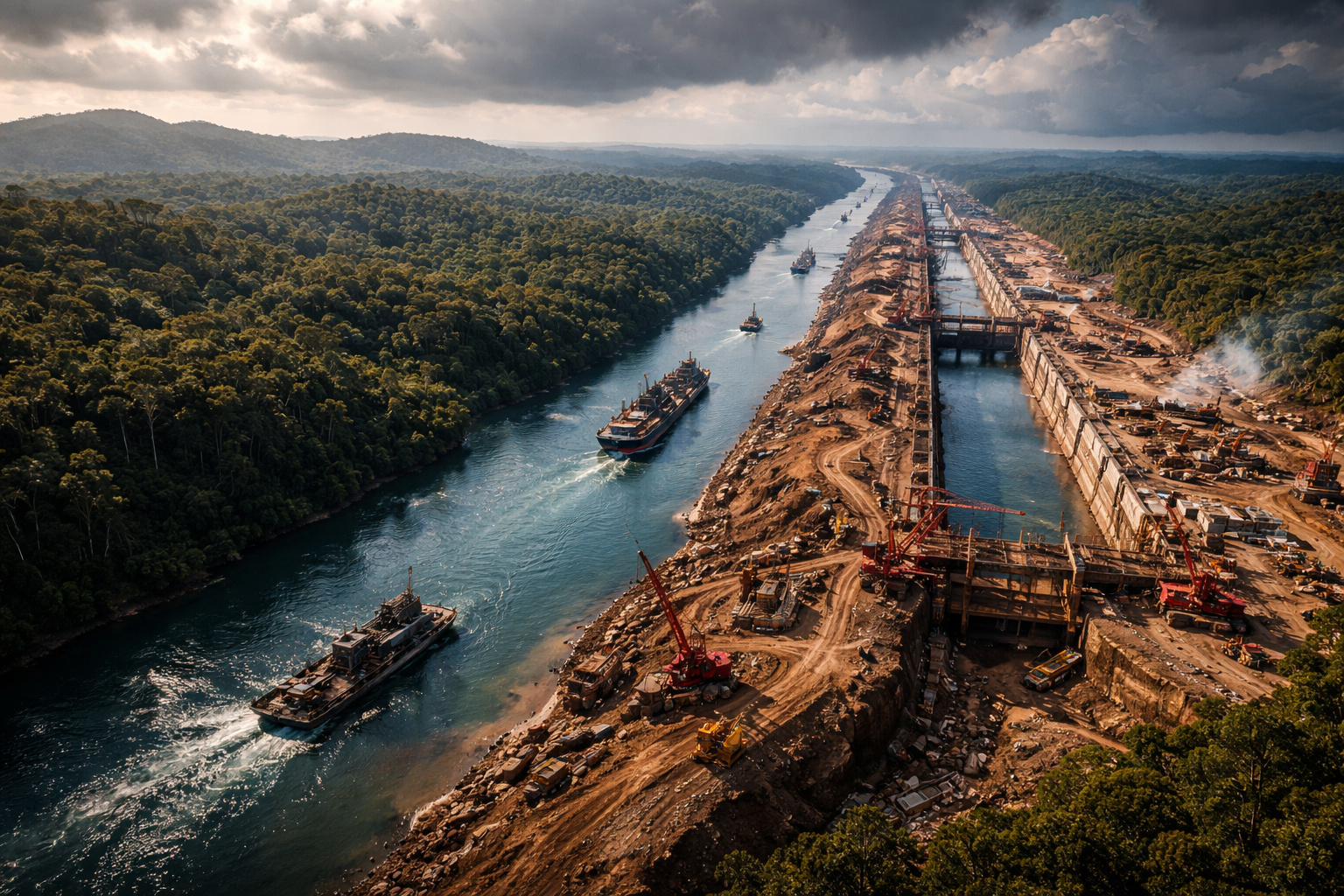
In 2013, Nicaragua sold the concession for a canal to rival Panama to a Chinese billionaire who lost 85% of his fortune, disappeared, and was declared bankrupt. Now the project resurfaces with a new route, a new Chinese partner, and a cost of $64.5 billion.
-
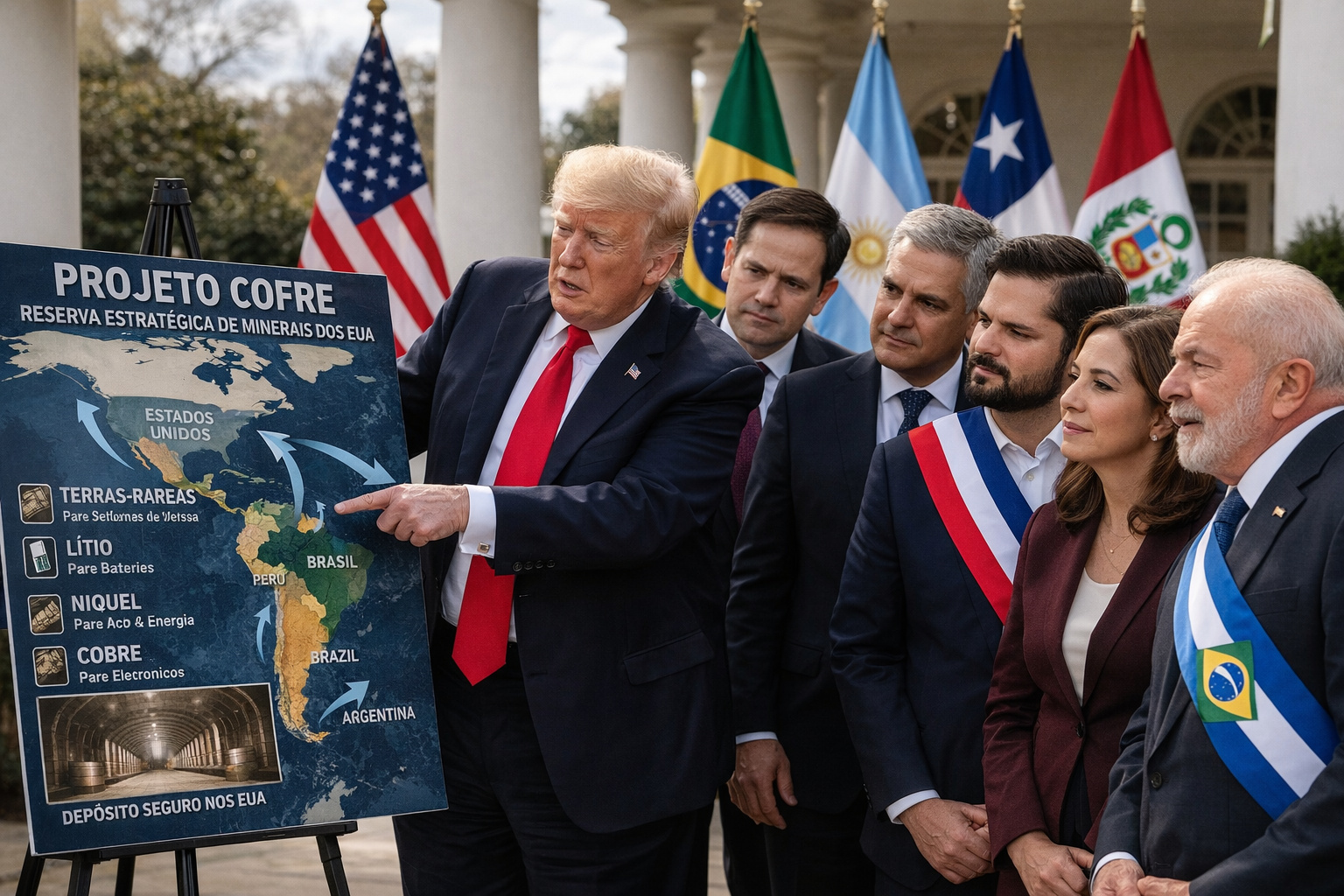
The USA announces a mysterious billion-dollar vault project to store critical minerals, but what intrigues experts is not just the plan itself, but why Latin America, including Brazil, has entered the center of this global dispute against China.
-
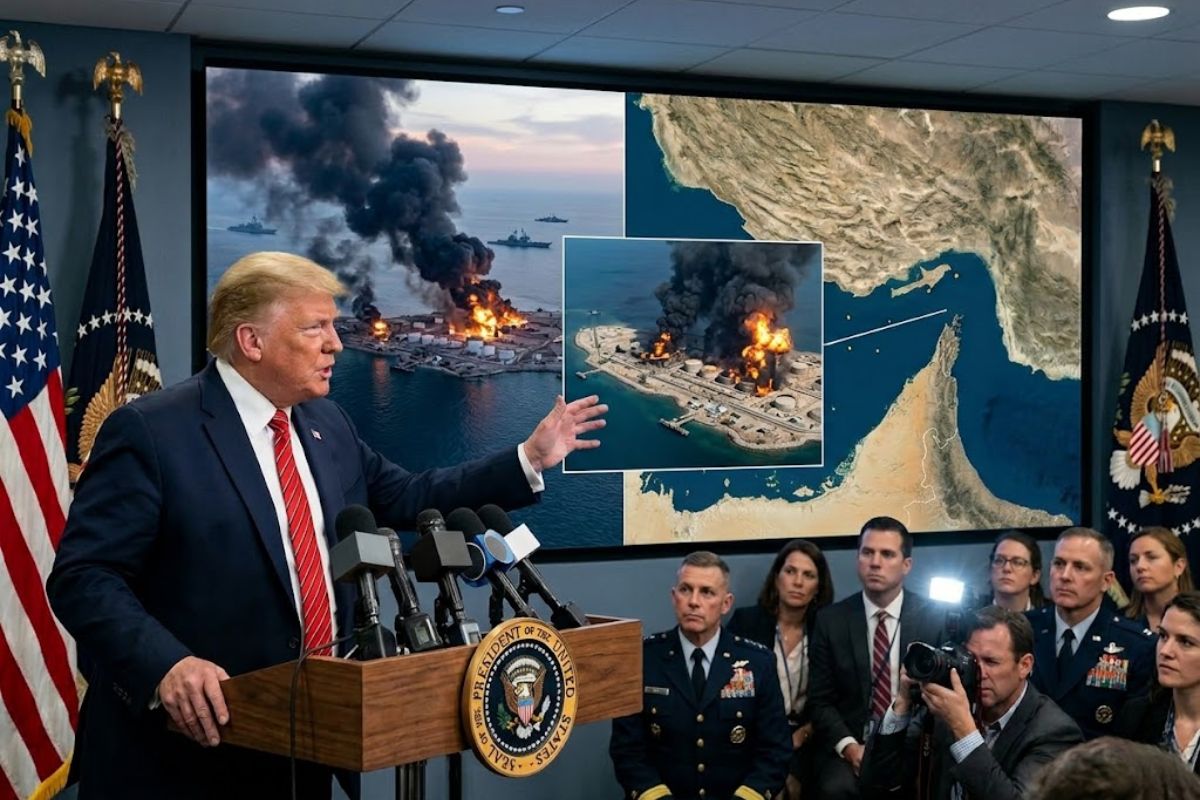
Trump Announces Bombing of U.S. Military Targets on Iranian Island Responsible for About 90% of Iran’s Oil Exports, Warns of Further Attacks if Navigation in Strategic Strait of Hormuz Is Threatened

A farmer, And, works with vegetables in an area equivalent to 400 football fields, harvesting the last potatoes of the season with helpers. He remains focused on the basics: selling the produce and sustaining local life, but describes a concrete change: there was peace and few guards before; now, the border is being reinforced at various points. When a helicopter suddenly takes off, the reading is immediate: new attempts at illegal entry.
In the last three years, tens of thousands of attempts have been registered, despite control efforts. The perception in the area is of recurring instability, with residents interpreting noises and movements as signs of ongoing pressure, not as isolated episodes.
Migrants On The Route Via Belarus And The Fear Of A Permanent Hybrid War

The dynamics at the border have gained an additional component with irregular migration. Western intelligence agencies warn that Moscow is sending migrants from Afghanistan and African countries to the European Union via Belarus, with the declared goal of destabilizing Europe. This smuggling of migrants appears as a tool of a so-called hybrid war against the West, in which political and operational pressure mixes with border incidents.
For those living in the region, the concern is not limited to the flow itself, but to what it signals about the capacity for escalation. The feeling is one of unpredictability, the idea that “what else can they invent” is not a theoretical question, but a way to describe the next event that could alter the routine. At the same time, the discourse of border reinforcement emerges as a direct response to the feeling of insecurity, even to enable continuing practical life, such as continuing to harvest and sell.
Rucla, Lithuania, Where A Snack Bar Becomes A Barometer Of Military Presence

In neighboring Lithuania, tension materializes in another scenario, a military town called Rucla. There, Birut, a trained teacher, has been managing a kebab snack bar for four years. The recipe is described as simple: chicken, cucumber, lettuce, tomato, and bread, but the differential appears in three repeated points: love in the preparation, fresh ingredients, nothing frozen, and large portions.
The most frequent clientele, according to her, are military personnel, both Lithuanian and foreign, since the base is right in front of the business. The very geography explains the sensitivity of the location: Lithuania is a NATO member, bordering Belarus to the east and south, and the Russian enclave of Kaliningrad to the west. Rucla, once a Soviet garrison town, is now the largest military base of the Lithuanian army and hosts a multinational battle group with soldiers from various NATO countries.
This base is described directly as a point of high tension in case of war: it would be a tempting target for the enemy, and at the same time concentrates forces deemed essential for defense. In the surrounding area, the military presence leaves marks on commerce, the movement of people, and the way families organize decisions, including escape plans at home.
Germany On The Front Line Of Reinforcement And The Goal Of 5,000 Soldiers By 2027
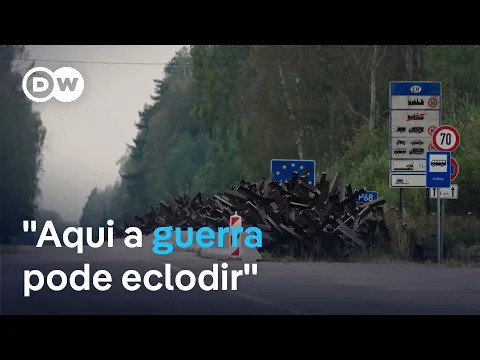

Within the NATO arrangement in Lithuania, Germany takes on a prominent role. The German Armed Forces have been leading the Multinational Battle Group since 2017 and plan to station an entire brigade in the country by 2027, with 5,000 soldiers, to defend Lithuania alongside alliance partners.
This figure serves as a marker of scale; it is not just local patrolling, but a planned show of force, with a timeline and contingent. For residents, this type of announcement has a double effect: it increases the sense of protection and, at the same time, reinforces the perception that the risk is taken seriously by those with military response capability.
In practice, family life tries to cling to what is domestic and predictable. Birut speaks of fear and desire for peace, and daily life returns to the basics: daughters, school, dinner at home, pancakes, homework before eating. War appears as a hypothesis that no one wants to visualize, but which is already shaping conversations.
Estonia, The Island In The Baltic And Civil Training As A Response To Risk
In Estonia, tension takes on another form on the island of Riuma in the Baltic Sea, which holds an annual festival with children and adults. The landscape seems the same, but the feeling has changed, according to a resident, AV Ungru, a 44-year-old speech therapist. The island is described as strategically important because Russian ships must pass through it on the way between Saint Petersburg and the Russian enclave of Kaliningrad, which is viewed as a risk to the country.
Her individual response was to join, three years ago, the Women’s Civil Defense Force of Estonia, known as Nais Kodukaitse, or NKK. The group was founded in 1927, banned during the Soviet era, and reactivated after Estonian independence in 1991. Today, women are part of Kaitseliit, a voluntary defense organization, with the logic that if a war breaks out, armed and well-trained civilians can support regular forces.
The portrait of training is specific and human: she handled a weapon in the military portion of the course, but never fired a shot and sees herself more focused on evacuations than combat. This points to a model of preparation that is not only about the front line but about civil logistics, retreat, support, and continuity of communities in crisis scenarios.
Sabotage, Interference And Radar Failures As A Daily Threat
Even with troops ready, the threat described as most present at the moment are acts of sabotage, a tool associated with hybrid warfare. The scenario includes repeated violations of NATO airspace by Russian military jets and suspicions that interference systems are blocking navigation systems of western aircraft.
There is a specific incident cited as a sign of seriousness: in April 2025, two Finnish aircraft had to return because they disappeared from radar. The assessment of western intelligence agencies is that provocations of this kind would be coordinated from Kaliningrad, a region where it is also believed that Moscow is storing missiles with nuclear capability. It is not just physical presence; it is a battle for signal, navigation, and control of space.
Continue Living, Selling Potatoes, Opening Brewery And Pushing For Local Future
Despite the climate of alert, life goes on with plans that seem small but reveal daily resistance. And sells potatoes in Indra, priced at 25 euros per bag, and wants to open a brewery to attract more tourists, even with neighbors considered aggressive to the east. He says he tries not to focus on the negative, because otherwise it becomes difficult to move forward.
In Lithuania, Birut continues working and raising her daughters, wishing for peace for the region and beyond, hoping that the girls will be able to travel and meet people without discrimination. In Estonia, AV says that she would never leave her island, describing the place as special, beautiful, and peaceful, and advocating for it to remain so. The common point is simple: no one wants to leave, but everyone calculates the risk.
If you live near a tense border or follow the Baltic countries, it is worth keeping track of how these reinforcements, civil training, and episodes of interference will evolve throughout 2026 and 2027, because the impact is already being measured in daily routines, not just in official statements.
Do you believe that living on the border with Russia changes more due to the fear of an open war or by the daily sum of small pressures, such as illegal migration, sabotage, and radar failures?







Seja o primeiro a reagir!