





 Portuguese
  English
  Spanish
  3 min of reading
  0 comments



Shark Skin-Inspired Technology Drives Development of Next-Generation Turbofan Engines!
The China has announced a revolutionary innovation that promises to transform aviation technology: a shark skin-inspired structure within a turbofan engine. This innovation has the potential to position China at the forefront of jet engine development, possibly surpassing American advancements, according to ocafezinho.
The Secret Behind the Innovation
A turbofan engine is a type of jet engine with a fan at the front, which increases the amount of air pushed backward, improving efficiency and reducing fuel consumption. Commonly used in commercial and military aircraft, this type of engine is known for its good performance. The Chinese innovation, inspired by shark skin, promises to further revolutionize this technology.
The “shark skin” structure is made with a high-strength titanium alloy, created through high-precision 3D printing. Chinese researchers claim that this innovation can reduce drag by up to 10%, significantly improving engine performance. The main focus is on a component called the intermediate casing, a crucial element that connects various parts of the engine and transmits force to the aircraft structure.
-
Buried under China, a colossal machine weighing 20,000 tons began operating as the largest neutrino detector on the planet and, in just 59 days, surpassed results that science took half a century to achieve.

-
Iran enters the center of a climate alert after the war emitted 5.6 million tons of CO2 in two weeks, surpassing the annual pollution of entire countries.

-
Lunar exploration may change after a Chinese probe finds a “cavity” of radiation that reduces the impact on astronauts by up to 20% at certain times on the Moon.

-
Artemis 2 sends four astronauts on a historic mission to the Moon after 50 years, with a launch on April 1 and a record flight to the far side of the Earth’s natural satellite.

Technological Advancement: The Key to Superiority
According to the South China Morning Post (SCMP), the intermediate casing, with over one meter in diameter and special grooves of only 15 to 35 micrometers, is essential for this innovation. Even with only 3mm at its thinnest point, this casing is extremely strong, supporting more than 10 tons of weight. Previously, it was impossible to manufacture such a large and precise component with a 3D printer, but Chinese researchers have overcome this challenge with advanced techniques.
Laboratory tests confirmed that the Chinese prototype meets rigorous mechanical requirements and is 25% lighter than traditional parts, without losing strength. This marks the beginning of a new era of lighter and more efficient engines that can transform aviation.
Aerial Competition: China vs. USA
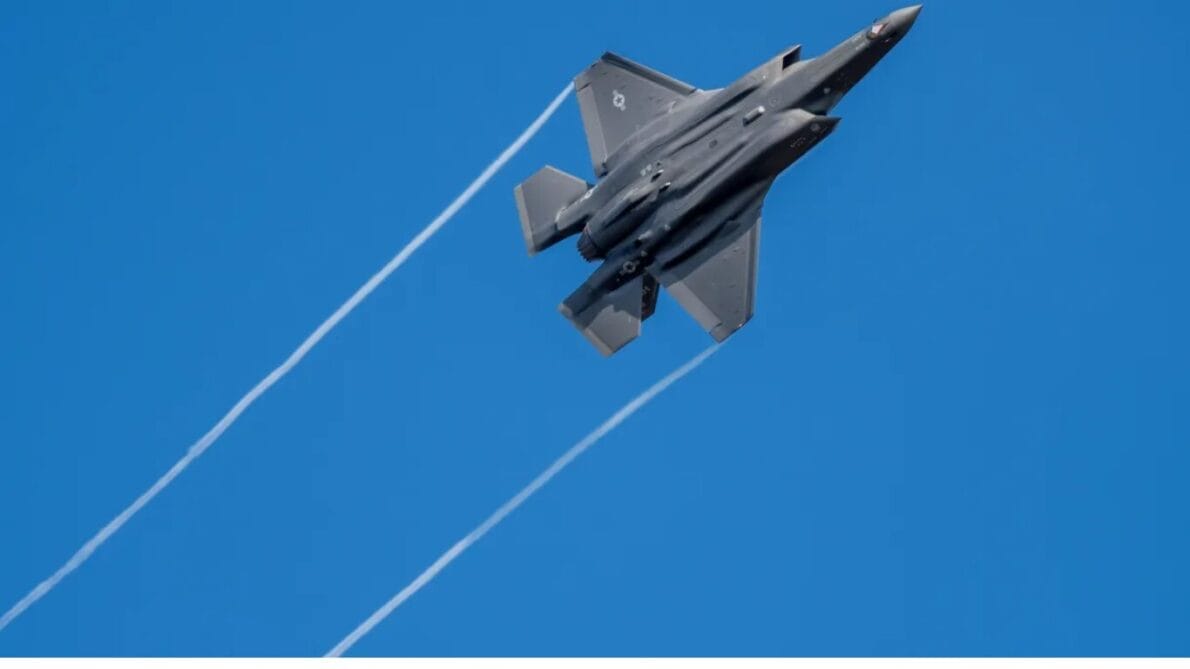
Does this innovation bring China closer to the USA? However, the Chinese report suggests that this technology could help Beijing catch up to and possibly surpass the United States in the development of modern engines, a field where China has historically lagged. For years, Chinese military aircraft relied on jet engines imported from Russia, which often had reliability issues.
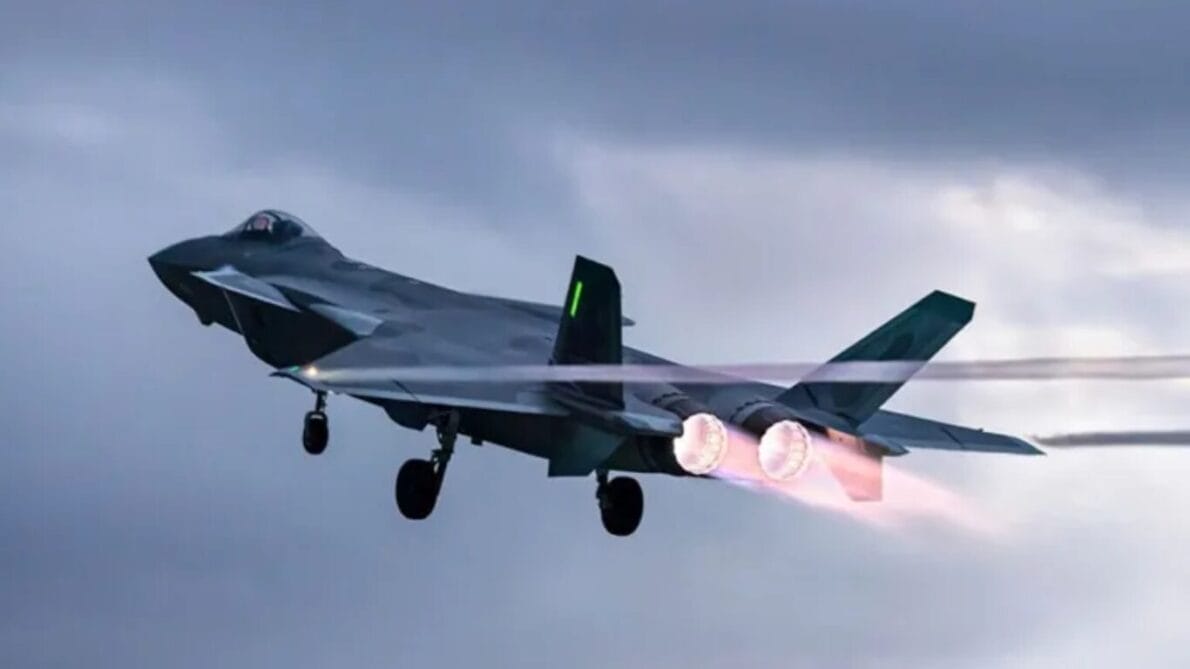
Thus, with the inclusion of jet engine improvement in China’s 13th Five-Year Plan in 2016, the country began investing heavily in developing its own engines. This effort bore fruit with the introduction of the Woshan-15 (WS-15) “Emei” engines in the stealth fighters J-20, gaining international attention. John R. Sneden, director of propulsion at the U.S. Air Force Life Cycle Management Center, warned that the U.S. was losing its leadership in propulsion to China.
Global Impact and The Future of Chinese Aviation
Although Chinese technology does not yet fully rival that of the USA, Chinese media claims that the new shark skin technology could make China competitive. The next generation of engines needs to reduce fuel consumption to increase thrust, a significant challenge.
China’s advancements come as the USA reevaluates its approach to next-generation combat engines. Recently, the U.S. Air Force announced plans to abandon the Adaptive Engine Transition Program (AETP) in favor of upgrading existing engines, highlighting the challenges in developing new propulsion systems. Speaking to the EurAsian Times, Patricia Marins, a defense expert from Brazil, acknowledged the transformative potential of this new technology, especially for cruise missiles and drones, even though military jets typically use turbojet engines.
Thus, in early 2022, Lufthansa Group’s Boeing 747-400 showcased AeroSHARK, a ribbed-texture coating to reduce drag and improve fuel efficiency. This biomimetic application aims to reduce fuel consumption and lower carbon emissions, reflecting the airline industry’s commitment to sustainability.
The Path to Chinese Leadership
Therefore, China’s latest advancement could significantly impact the future of aviation, offering a pathway to more efficient and environmentally friendly engines. However, with ongoing investment and innovation, the Chinese military is well-positioned to challenge the dominance of traditional aerospace leaders like the USA. The future of military aviation may be more competitive and dynamic, with China and the USA constantly pushing the boundaries of technology.






Seja o primeiro a reagir!