





 Portuguese
  English
  Spanish
  4 min of reading
  25 comments




Manufacturer Surprises with Its Most Advanced Factory in Brazil, Integrating High Technology and Sustainability. The Ayrton Senna Complex Redefines Vehicle Production with the Use of Automation, Artificial Intelligence, and the Concept of Industrial Metaverse, Preparing for the Future of Electric and Autonomous Cars.
The most modern automotive factory in Brazil does not belong to any of the giants that most Brazilians imagine, such as Toyota, Volkswagen or BYD.
Who occupies this prominent position is a manufacturer often underestimated, and its impressive structure is well ahead in the sustainable mobility revolution.
This company is transforming the automotive landscape with the use of high technology, automation, and an innovative concept that even involves the metaverse.
-
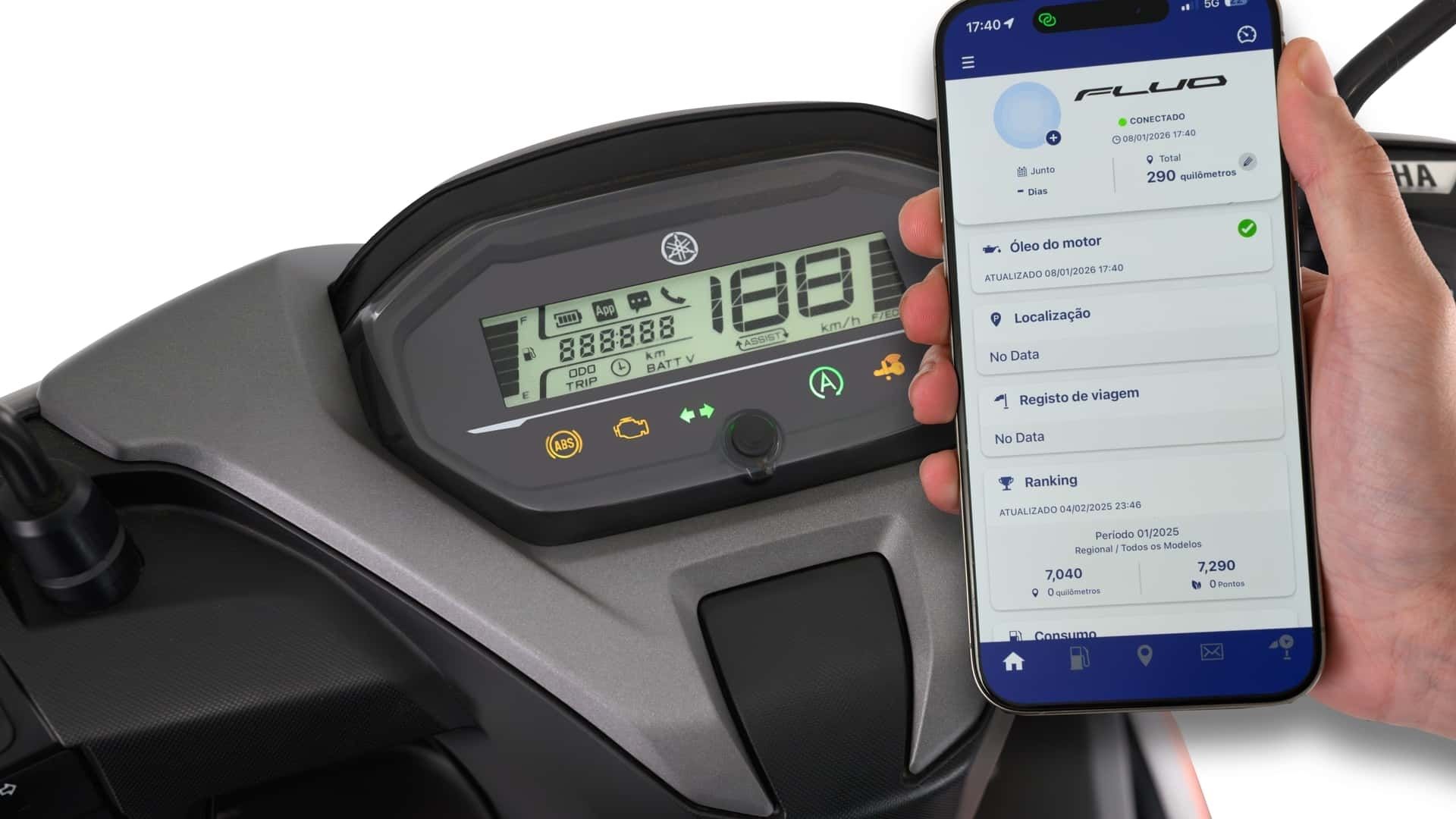
Costing R$ 16,000, the new Yamaha features a 125 cc hybrid engine with electric assistance, delivers 8.3 hp, includes ABS, optimized fuel consumption, Y-Connect connectivity, 25 liters of storage space, and a surprising 4-year warranty in the urban segment.
-
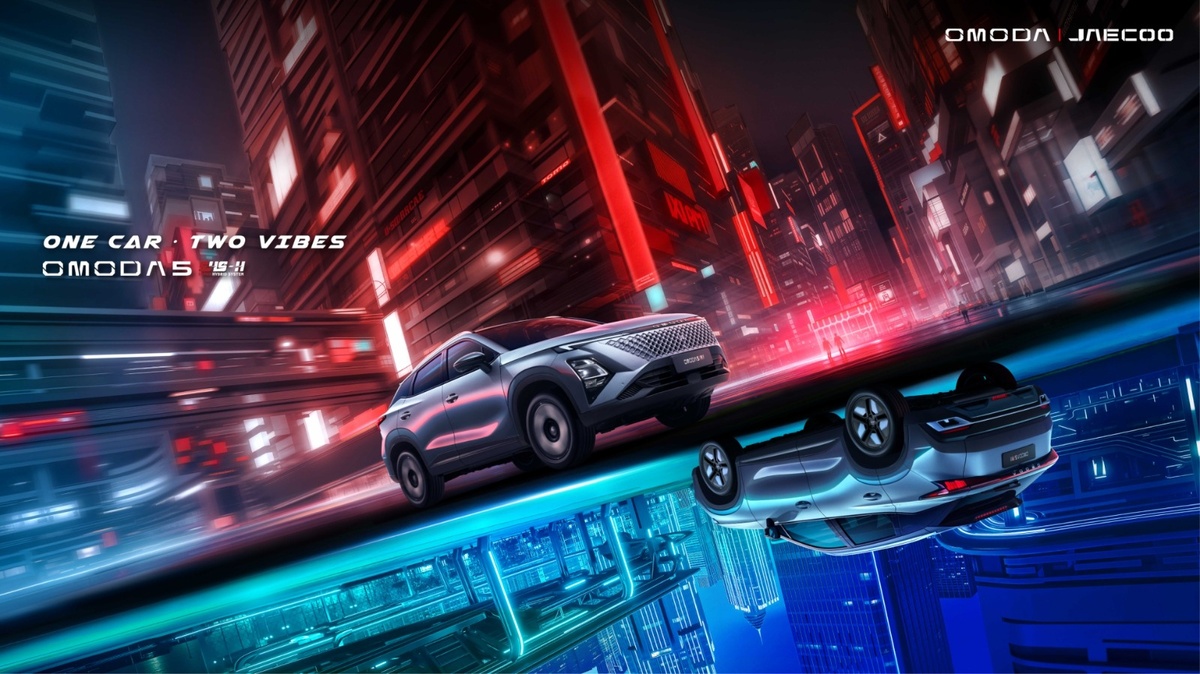
OMODA & JAECOO grows in Europe in 2026 with an integrated strategy of sales, innovation, local production, and technological advancement in the United Kingdom, Italy, and Spain.
-
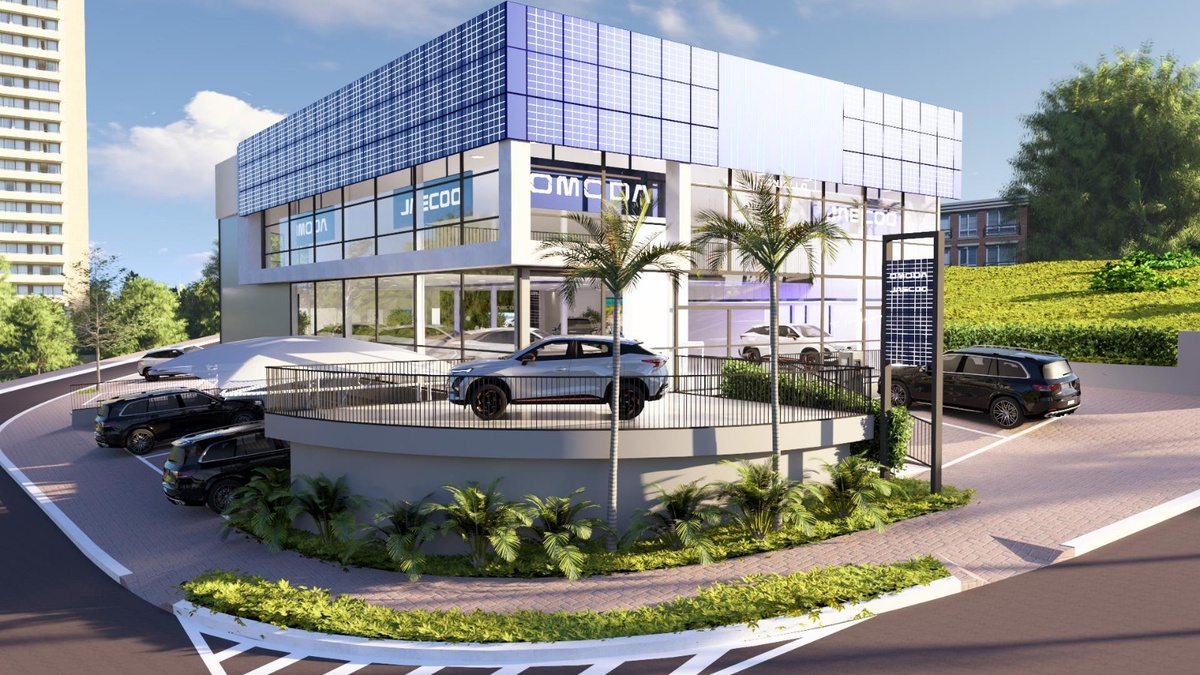
OMODA & JAECOO expands after-sales service in Brazil with competitive maintenance, a 7-year warranty, and high availability of parts for technological SUVs.
-
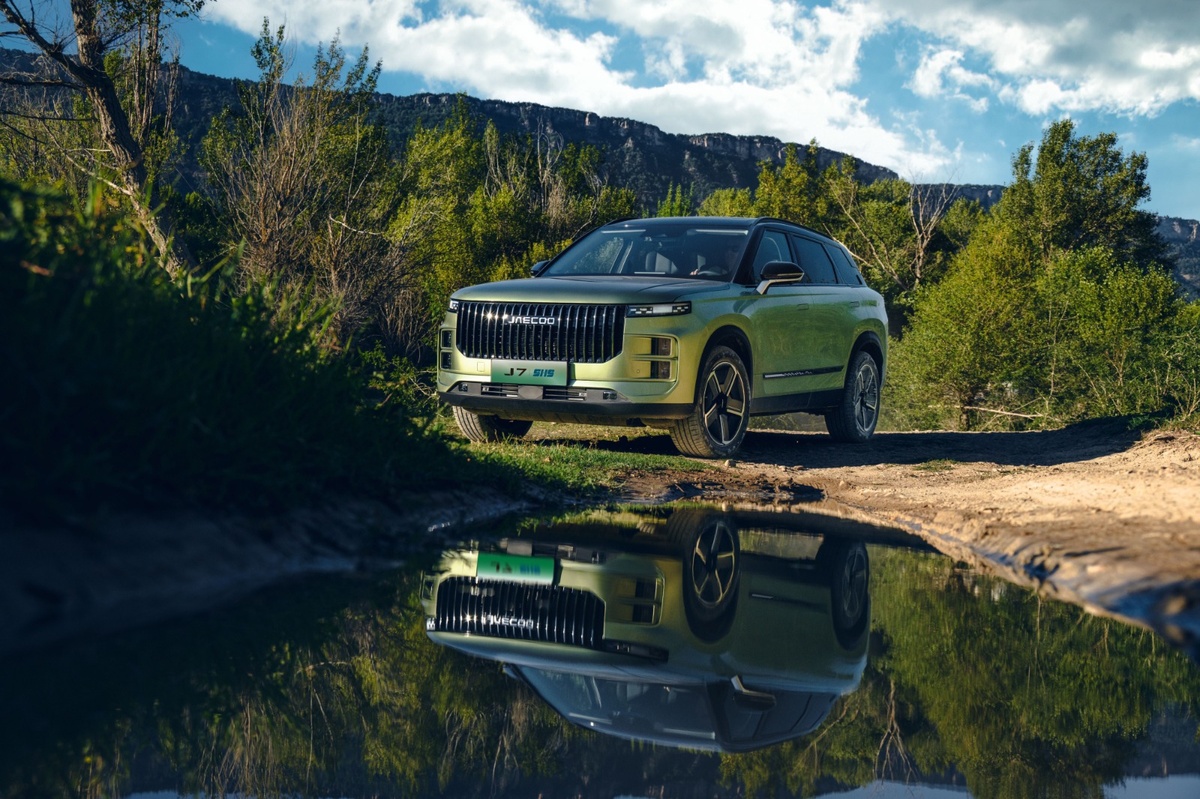
OMODA & JAECOO appoints Alessandra Souza as executive marketing director in Brazil and accelerates brand expansion with a focus on innovation, networking, and hybrid portfolio.


Surprising? Keep reading and discover how this company is redefining the future of the automotive industry in the country.
The Ayrton Senna Complex: Renault’s Innovation in São José dos Pinhais
The most modern factory in Brazil does not belong to the brands that dominate the streets, like Volkswagen or Toyota, but rather to Renault.
The French manufacturer operates the Ayrton Senna complex, located in São José dos Pinhais, Paraná, which is recognized worldwide for its technological innovation and efficiency.
According to the World Economic Forum, this factory is among the most modern in Latin America and was a pioneer in adopting a revolutionary concept: the “industrial metaverse.”
Industrial Metaverse: Total Digital Integration in Automotive Production
Renault has implemented the concept of “industrial metaverse” in its factory, meaning that practically everything within the complex is digitally interconnected.
From robots to control systems, all operations are connected and monitored in real-time, optimizing every step of production.
According to information from the Motor1 channel, workers use mobile devices to perform digital checklists at the beginning of each shift, saving time and avoiding human errors.
This level of integration places Renault at the forefront of automation.
Robots equipped with artificial intelligence monitor the assembly of components such as engines and transmissions, instantly checking for any deviations in the process and correcting them in real-time, without interrupting production.
AGVs: The Revolution of Autonomous Vehicles on the Production Line
One of the pillars of this technological revolution is the use of AGVs (automated guided vehicles), which transport parts and components along the assembly line with no human intervention.
These vehicles follow predefined routes, adjusting in real-time to any obstacles or changes in the process, as explained by the Motor1 channel.
This advancement allows for optimization in the factory’s logistics and significantly increases efficiency, making the production line faster and more precise.


Digital Twin: The Factory of the Future Is Already a Reality
Another highlight innovation is the use of the digital twin, an exact virtual replica of the physical factory, where every detail of the production process is monitored remotely.
According to the Motor1 channel, this technology allows engineers to monitor and adjust production processes without needing to be present in the factory.
The result is a significant increase in efficiency and an even greater guarantee of the quality of the vehicles produced.
Commitment to Sustainability
In addition to being an icon of technological innovation, the Ayrton Senna factory also stands out for its commitment to sustainability.
The complex is partially powered by a solar energy plant, which reduces the use of non-renewable energy sources and minimizes greenhouse gas emissions.
Renault also implements water reuse systems and material recycling, reinforcing its commitment to environmental preservation.
The Future of Mobility: Electric and Autonomous Vehicles
Renault is not only focused on the present but also on the future.
The new modular platform developed by the manufacturer is designed for electrification and the introduction of autonomous cars, putting the company ahead in the race for more sustainable mobility.
The idea is that in the coming years, the Ayrton Senna factory will become the cradle of more connected, safer, and sophisticated vehicles.
The Importance of Renault for Brazil
In addition to all its technological impact, the Ayrton Senna complex is an important economic hub for Brazil.
With over 20 years of operation, the factory generates thousands of direct and indirect jobs, both in the region and throughout the country.
The most popular models of Renault in Brazil, such as the Kwid, Sandero, and Duster, are produced in this complex, demonstrating the versatility and capacity of the manufacturer to meet the demands of the Brazilian market.
Is the Future of Mobility Sustainable or Profitable?
With all these innovations and technological advancements, Renault positions itself as one of the protagonists of the automotive revolution in Brazil.
However, an important question arises: does this race for electric and sustainable vehicles primarily aim to save the planet or is it just a new profit strategy for large corporations? Share your opinion in the comments!







Acho que sou meio **** porém **** também pensa. Porque até agora não vi nem um engenheiro imaginar que a força do arrasto poderia ser usado na recuperação da carga das bateria dos carros elétricos? Acredito que isso seria a grande evolução na mobilidade.
Máquinas elétricas e bateria sólida salvará os continentes e suas placas tectônicas de afundarem no oceano abaixo. Pois porá fim à extração de petróleo e gás natural. Estes são as jóias criadas a milhões de anos nas fossas marinhas com restos de algas e peixes motos , que elevam a parte sólida das águas, como descrito em Gênesis.
Que adianta tudo isso se os preços e a qualidade dos carros produzidos são de valores iguais aos concorrentes e, se o pós venda e vida útil do veículo não compete com os asiáticos ?