





 Portuguese
  English
  Spanish
  4 min of reading
  0 comments


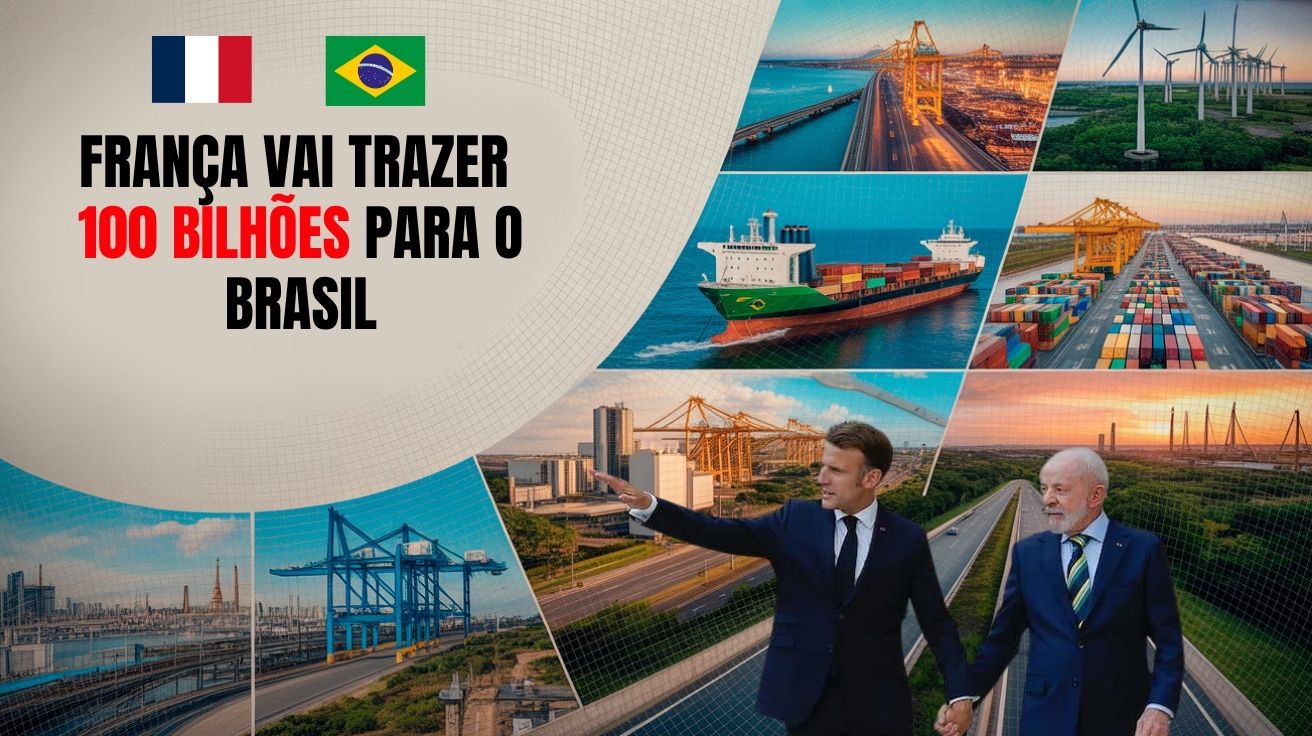
French Business Leaders Promise to Invest Billions in Brazil, Boosting Strategic Sectors That Could Transform Energy and Transportation Infrastructure, Revealing a Scenario of Growth and Economic Development That Goes Beyond Expectations.
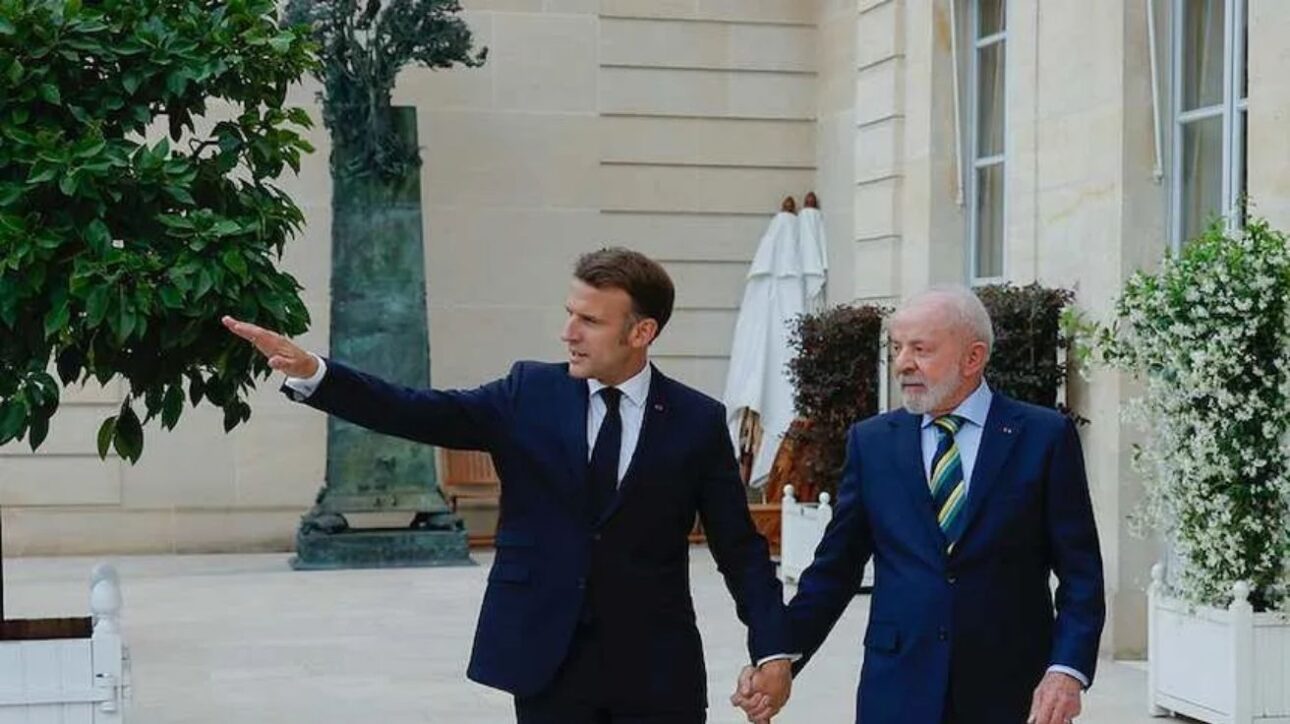
President Luiz Inácio Lula da Silva announced this Saturday (7) that French businessmen have committed to invest R$ 100 billion in Brazil by 2030.
According to the head of the Executive, the group responsible for the investment is composed of 15 French businessmen already operating in the country, reinforcing confidence in the Brazilian market.
The investment covers strategic sectors such as renewable energy, transportation, and industry, fundamental areas for economic growth and job creation in Brazil.
-
The government requests the Federal Revenue Service for a new system to automate the income tax declaration, reducing errors, time, and bureaucracy for millions of Brazilians.

-
Pix in installments, international Pix, and contactless payment without internet: the Central Bank revealed the new features coming to the tool that is already used by almost every adult in Brazil.
-
Mercado Livre has just started selling medications with delivery in up to three hours to your door, and this move could completely change the way Brazilians buy medicines on a daily basis.

-
In Dubai, rising tensions from the war in the Middle East are causing super-rich individuals to leave the Gulf and direct their fortunes to a new financial refuge in Asia.


The announcement was made during the final stage of the president’s official visit to France, which began last Wednesday (4), amid a busy schedule of meetings and commercial events.
In a conversation with reporters, Lula mentioned that the amount could be equivalent to about US$ 100 billion, but the Palácio do Planalto later corrected this, stating that the sum is estimated at R$ 100 billion — a figure confirmed in official publications and on the president’s social media.
“We are bringing to Brazil the commitment of the 15 largest French investors, who already have companies in the country, so that in the next five years R$ 100 billion will be invested,” Lula stated, highlighting the potential of these partnerships.
The Brazilian Agency for the Promotion of Exports and Investments (ApexBrasil) detailed part of the projects planned within this financial package:
- ENGIE Brasil Energia SA plans to invest approximately R$ 8.5 billion between 2025 and 2027, focusing on wind and solar power plants, as well as energy transmission systems.
- CMA CGM, a maritime transport company, commits to a total investment of R$ 13.5 billion.
- TOTAL ENERGIES plans investments of R$ 6 billion in the energy sector over the next five years.
- Lactalis will allocate R$ 291 million to expand its unit in Uberlândia by 2027, increasing production capacity.
- Vinci Highways will invest R$ 12 billion in concessions, including a strategic section of BR-040, which connects Belo Horizonte (MG) to Cristalina (GO).
These announcements came hours after Lula’s participation in the Brazil-France Economic Forum, which brought together authorities from both countries and around 600 businessmen, according to information from ApexBrasil.
Internationalization Strategy and Investment Attraction
Lula’s strategy to expand international economic relations has been a priority since the beginning of his term in 2023, with over 30 countries visited in search of new partnerships and investments.
During the press conference, the president defended the importance of these international trips and responded to questions about the costs involved.
“I don’t know how much this trip is costing, because I don’t handle that, but I know how much I am bringing back to Brazil,” he said, emphasizing that the main goal is to raise funds for the country’s development.
For Lula, Brazil must take on its role as a protagonist in the global economy, reinforcing its position as the eighth largest economy in the world.
“Brazil needs to stop being small. Our ambassadors and representatives abroad must think big. We are neither smaller nor inferior to anyone,” the president stated.
In addition to French investments, Lula highlighted that during his trips he also secured significant commitments from other countries, such as China and Japan.
“If we add the investments obtained in China and Japan, we will see that we are doing what every president of Brazil should do: opening doors and showcasing opportunities to the world,” he declared.
Impact of Investments in Energy and Infrastructure
The focus on sectors such as renewable energy and infrastructure is strategic for Brazil to advance in the energy transition and improve internal logistics, which are long-standing and crucial challenges for the country’s competitiveness.
In terms of energy, the investments from ENGIE and TOTAL ENERGIES reinforce the global movement towards clean sources, while the investments in transportation by CMA CGM and Vinci Highways are expected to facilitate the flow of national production, reducing costs and enhancing the efficiency of foreign trade.
Brazil has been receiving growing international interest due to its economic diversity, natural resources, and consumer market.
According to experts in international economics, the commitment of foreign investors could represent a decisive boost for the country’s sustainable growth, especially in a global scenario of economic uncertainties.
Robust investments in infrastructure and energy, such as those announced, are fundamental to improving Brazil’s competitiveness in global trade and stimulating regional development, as well as generating thousands of direct and indirect jobs.
The expectation is that the announced amount will help accelerate essential projects for Brazil to meet its environmental goals and improve the quality of public and private services related to transportation and energy.
With the Brazilian economy showing signs of recovery after periods of instability, foreign investment emerges as a foundation for new cycles of growth, with technology and sustainability at the forefront.
How do you see the role of foreign investments in Brazil’s economic future? Do you believe the country is ready to fully seize these opportunities?








Seja o primeiro a reagir!