





 Portuguese
  English
  Spanish
  3 min of reading
  0 comments


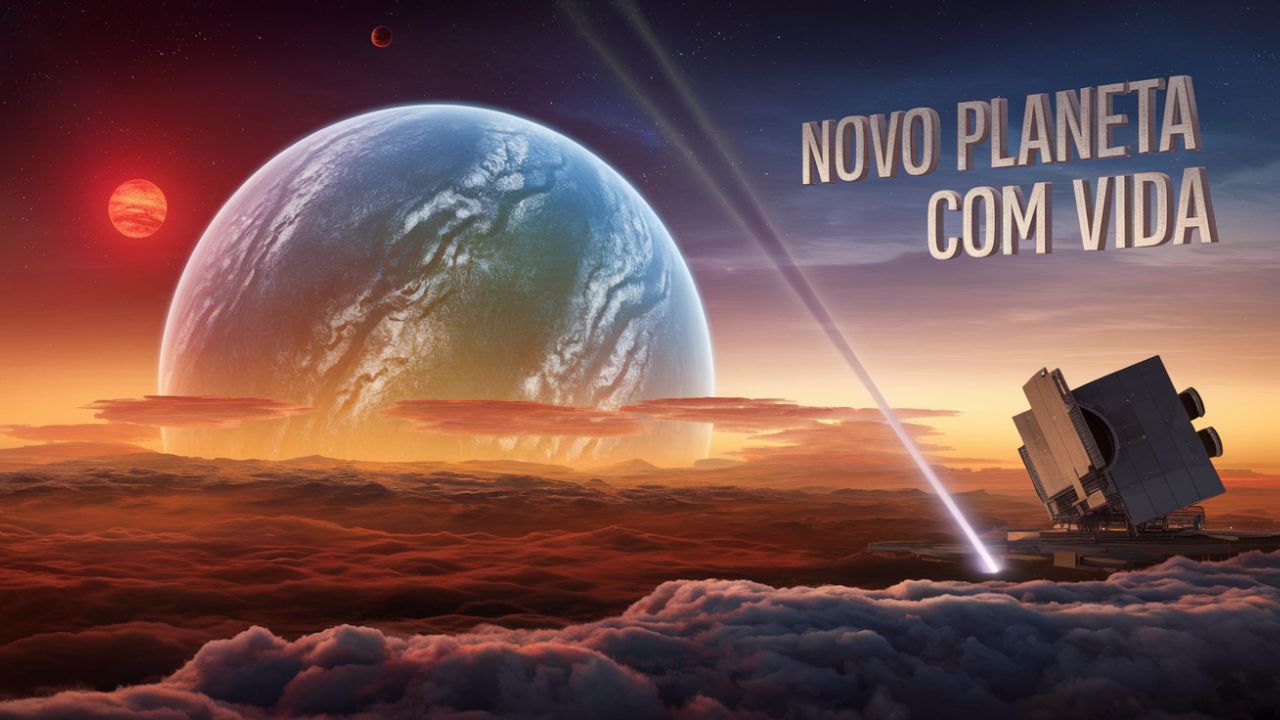
Discovered 124 Light-Years from Earth, K2-18 b Has an Atmosphere Rich in Methane and Carbon Dioxide, Possible Presence of Dimethyl Sulfide, a Gas Linked to Life on Earth, and Conditions that Intrigue NASA Scientists.
NASA has taken an exciting step in exploring the universe. The exoplanet K2-18 b, located 124 light-years from Earth, has revealed signs that may indicate the presence of life. This discovery was made possible thanks to the power of the James Webb Space Telescope, which continues to revolutionize our understanding of distant worlds.
What Makes K2-18 b So Special?
With a radius 2.6 times greater and a mass 8.6 times that of Earth, K2-18 b is a true super-Earth. It orbits in the so-called “habitable zone” of its star, where conditions may allow for the existence of liquid water. This characteristic already positions it as a strong candidate to host life.
According to NASA, K2-18 b has an atmosphere rich in methane and carbon dioxide, with an intriguing absence of ammonia. These features suggest the presence of a vast ocean beneath a dense layer of hydrogen, setting it apart from other known exoplanets.
-
Millions of people have been eating yam for centuries without knowing that this humble tuber contains a compound called diosgenin, which scientists have now discovered can improve memory and help control blood sugar levels.

-
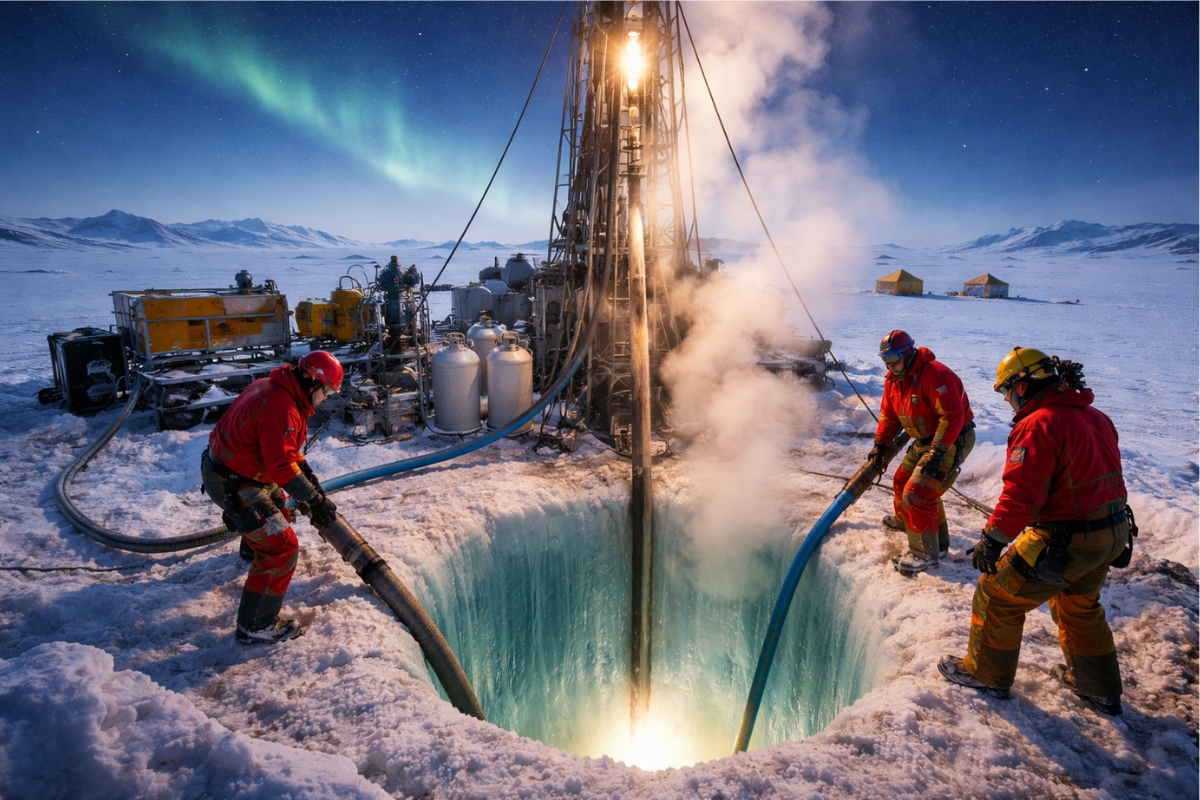
Scientists from an international project drill 1,800 meters of ice in Antarctica using hot water and discover details about one of the most intriguing places on planet Earth.
-
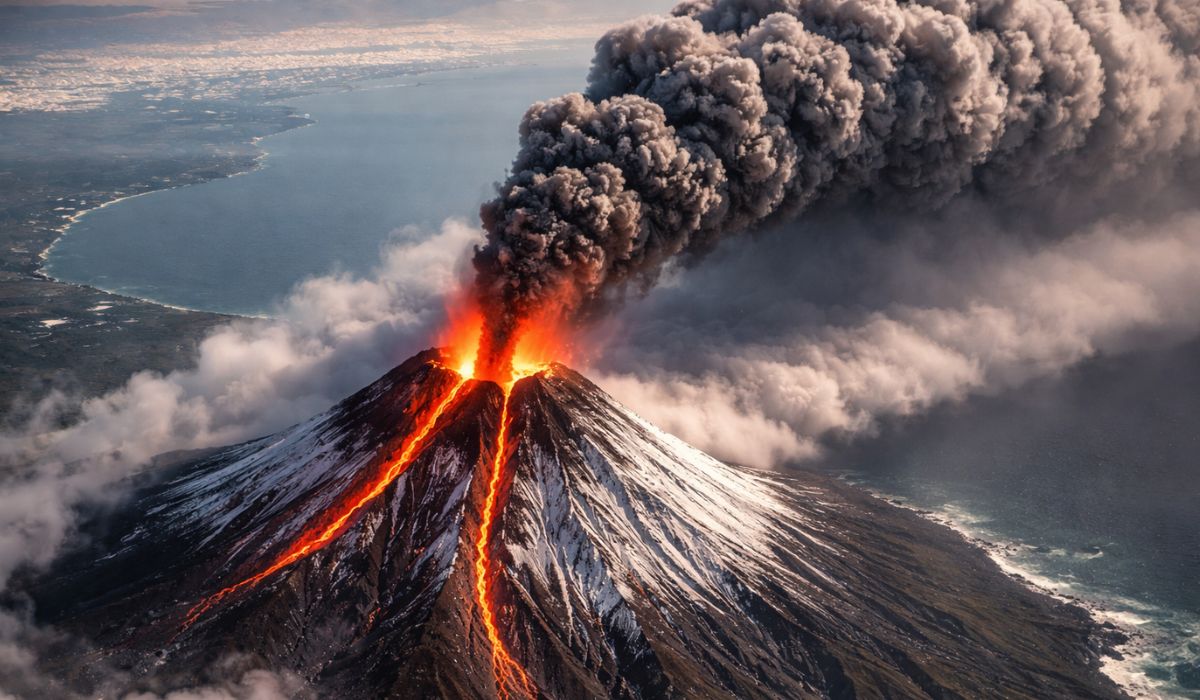
Seen from space, a colossal volcano nearly 5,000 meters high in Russia has released 1,600 km of smoke over the Pacific, forming “devil’s horns” of lava and revealing the brutal force of the Ring of Fire.
-
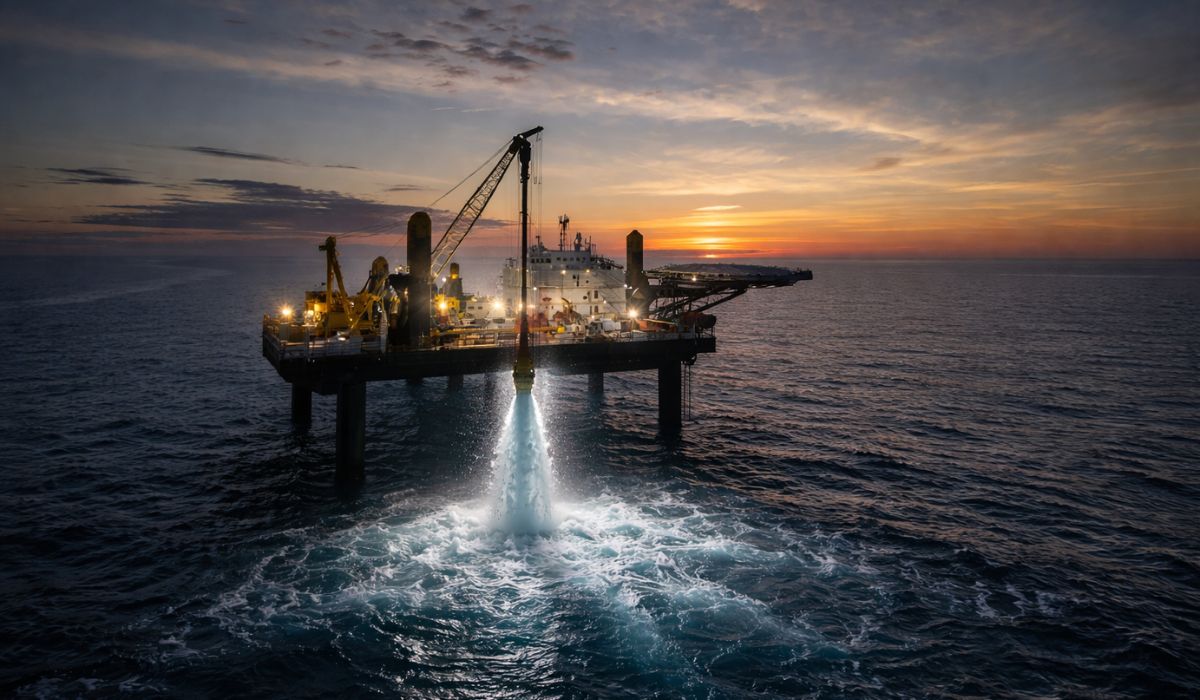
Expedition 501: Scientists drill into the ocean floor and discover a giant reserve of fresh water hidden beneath the sea, extracting nearly 50,000 liters and revealing an invisible system that could reshape the map of water scarcity.

The Chemical Signature That Caught Attention
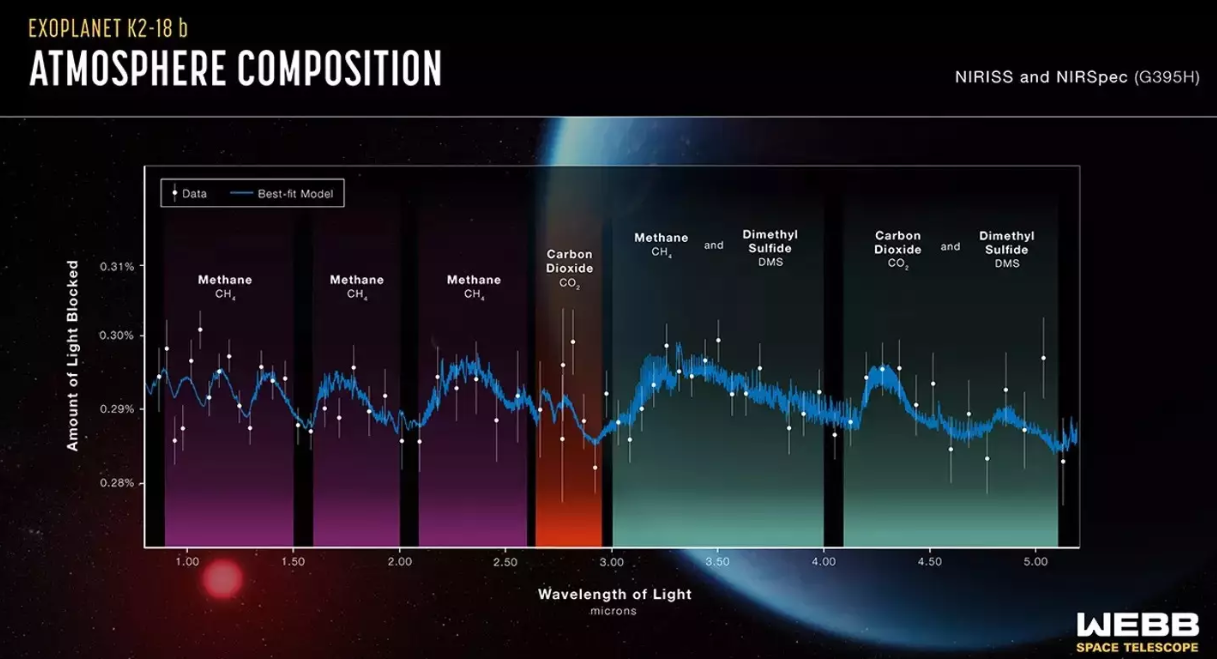
A detail that has left scientists intrigued is the possible detection of dimethyl sulfide (DMS) in its atmosphere. On Earth, this compound is produced exclusively by life, such as phytoplankton in the oceans. Is something similar happening there?
If confirmed, DMS would be a crucial biosignature. This would turn K2-18 b into a landmark for astrobiology, even if the internal conditions of the planet may be extreme, such as very hot oceans or unbearable pressures for known life forms.
How NASA’s James Webb Telescope Made a Difference
The Webb Telescope allows the identification of specific molecules in the atmosphere of distant planets. Thanks to this technology, it was possible to identify compounds such as DMS on K2-18 b, which was previously just a dream for scientists.
In 2024, the Webb dedicated eight hours to K2-18 b. NASA’s next steps include confirming the biosignatures and exploring other aspects of the planet. Each observation brings us closer to understanding whether it can truly harbor life.
The Impact on the Search for Extraterrestrial Life
K2-18 b is part of a class of planets known as Hycean. They are larger than Earth and have dense atmospheres, ideal for biosignature studies. This expands the horizons in the search for life beyond rocky planets.
Even if K2-18 b does not harbor life, it offers a unique opportunity for study. Understanding its composition and atmospheric dynamics helps refine our criteria for finding habitable planets.
The discovery of K2-18 b by NASA is a milestone in astrobiology. It reminds us that the universe still holds extraordinary mysteries, and that we are closer than ever to answering the question: are we alone? Whether through its rich atmosphere or the possibilities of life, K2-18 b continues to inspire scientists and dreamers to explore the stars.









-

-

-

3 pessoas reagiram a isso.