





 Portuguese
  English
  Spanish
  3 min of reading
  1 comment


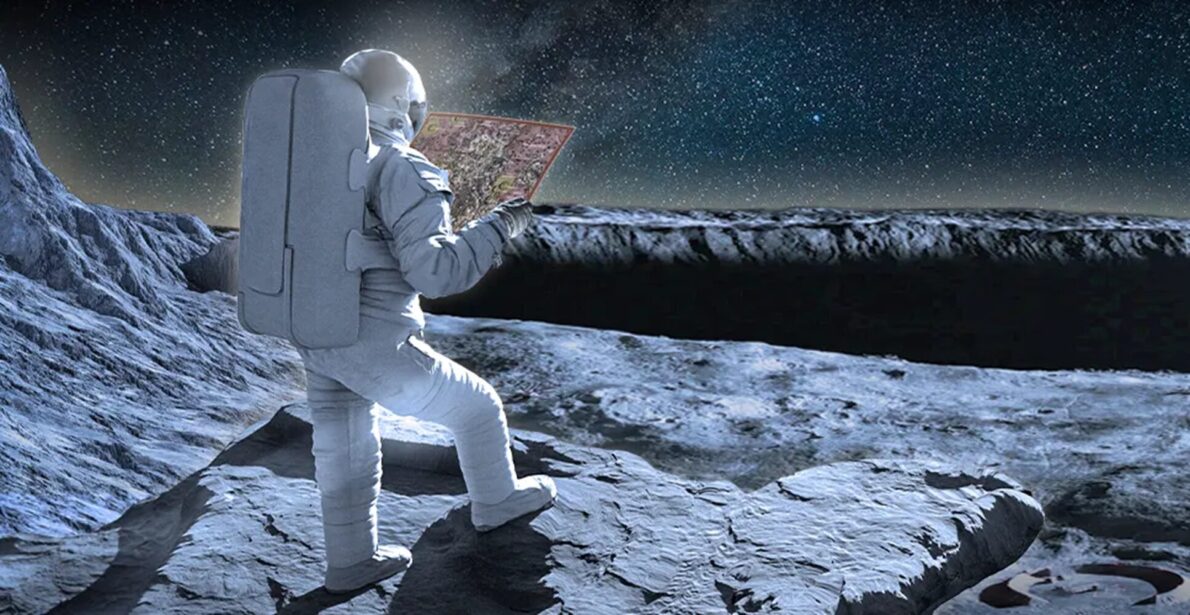

NASA Is Offering Up to $50,000 for Innovative Navigation Technology for the Artemis Lunar Mission. Find Out How to Participate and Help Revolutionize Space Exploration!
NASA is preparing for a new era of lunar exploration through its ambitious Artemis Mission. This series of missions aims to send humans to the Moon for the first time in over 50 years, since the iconic Apollo missions.
The main focus of the Artemis missions is to explore the lunar south pole, an area with unique characteristics that may provide valuable resources for future missions to Mars.
The first of these missions is scheduled to land astronauts at the south pole, a region with permanently shadowed craters that may contain water ice — a crucial resource for sustaining long-term missions in space.
-
What can really trigger large volcanic eruptions? Research suggests that gas returning to the magma may be more dangerous than gas escaping from it.
-
Found in one of the most radioactive places on Earth, this Chernobyl fungus may be doing something with radiation that no one has been able to explain to this day.
-
A bright yellow mushroom imported from Asia escaped from a cultivation farm in the United States in 2010 and is now aggressively spreading across 25 states, destroying entire communities of native fungi in American forests.

-
Buried under China, a colossal machine weighing 20,000 tons began operating as the largest neutrino detector on the planet and, in just 59 days, surpassed results that science took half a century to achieve.


Among the areas of greatest interest is Shackleton Crater, a geological formation 21 kilometers in diameter and 4.2 kilometers deep.
Due to its steep slopes and lack of sunlight, the temperature at the base of the crater can drop below 90 K, making it a potential reservoir for water ice.
Exploring this crater is one of NASA’s top priorities, as it sees this region as an opportunity to gather critical information about the presence of natural resources and their potential applications for future missions, especially those aimed at the Red Planet.
To ensure the success of these missions, NASA has launched two technological challenges, open to specialists, researchers, and enthusiasts worldwide. The goal is to find innovative solutions for the challenges posed by lunar exploration.
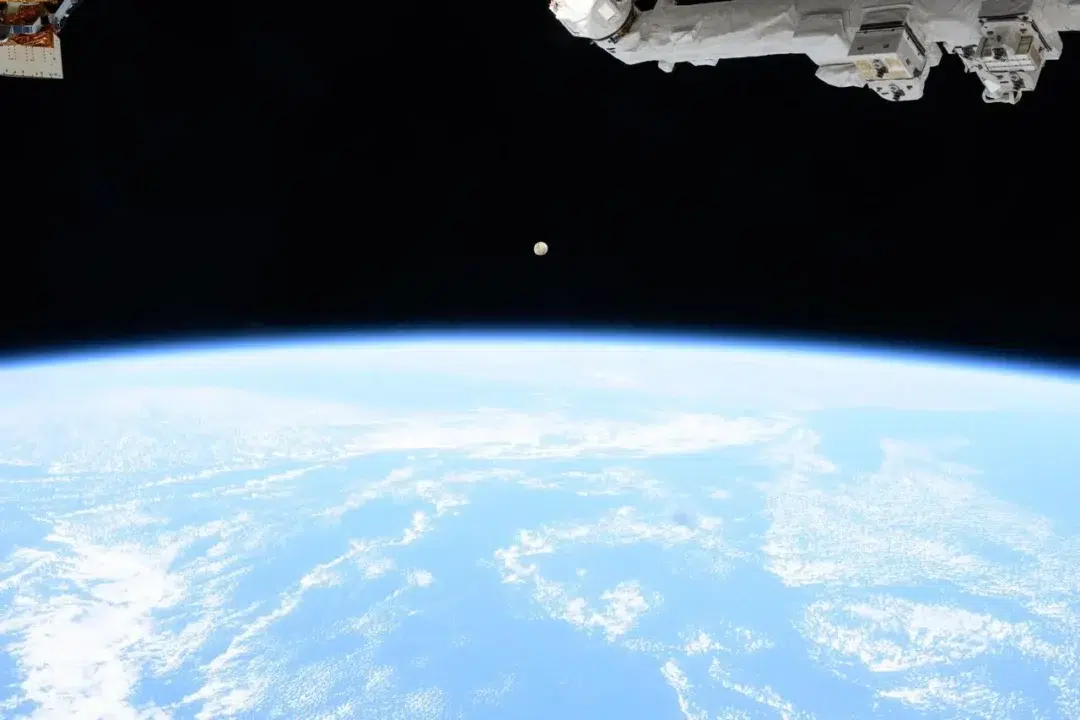
The First Challenge
The Challenge 1 involves developing a navigation technology that allows astronauts to explore the lunar terrain safely.
During the Apollo missions, rudimentary orientation devices were used to ensure the astronauts’ safe return to the lunar module after spacewalks. However, NASA is looking for modern and more efficient solutions.
The new device must be extremely precise, easy to use, and perform well in the moon’s hostile environment. One of the major challenges is that it will need to be operated by astronauts wearing pressurized gloves, which requires a practical and intuitive design. The prize for the best solutions to this challenge is up to $15,000.
The Second Challenge
The Challenge 2 is focused on exploring Shackleton Crater. NASA needs a system that can map the crater’s floor in detail, characterize the resources present, and transmit this information back to Earth.
This project must be capable of operating in the extreme temperatures of the lunar south pole and provide accurate data for future missions. Participants must present detailed and innovative design concepts. For this challenge, the prize can reach $30,000.
Additionally, NASA has also established an extra prize of $5,000 for solutions that demonstrate outstanding performance in either of the two challenges.
In total, there are $50,000 in prizes distributed among the winners. Submissions for the challenges have been open since September 4, 2024 and can be submitted until November 25, 2024 through this link.









Clipotonita e a solução