





 English
  Francês
  Alemão
  Italiano
  Japonês
  Norueguês
  Portuguese
  Spanish
  7 min of reading
  0 comments


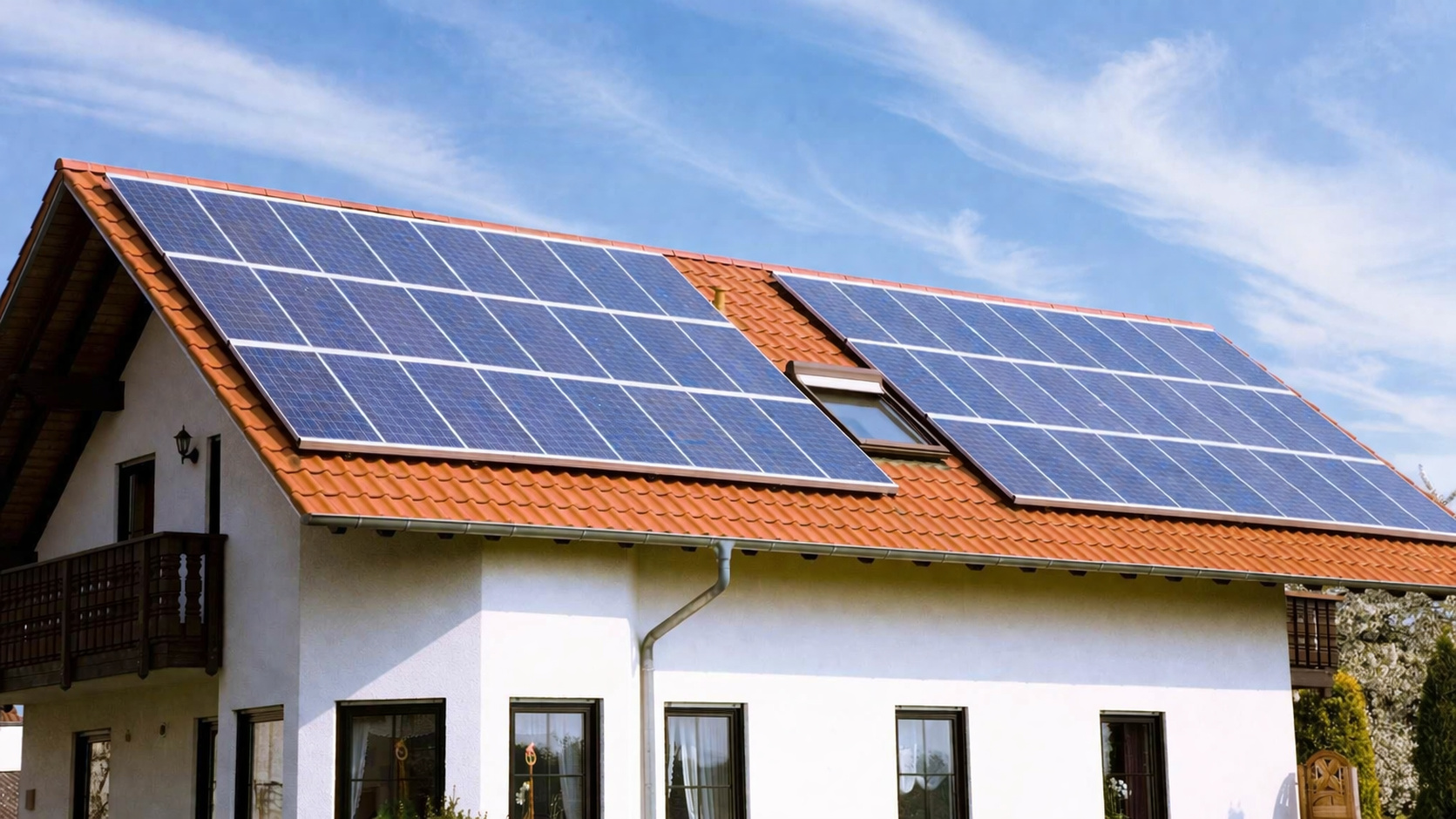
Research reveals that, although Brazilians massively support clean energy, the absolute majority of the population does not accept paying additional amounts on the electricity bill to accelerate the replacement of fossil sources.
The latest public opinion poll on the electricity sector confirms a contradictory scenario: Brazilians support clean energy enthusiastically, but impose a rigid financial barrier to the energy transition.
According to data collected by the infrastructure and energy sector, more than 90% of respondents advocate that Brazil should prioritize sources such as solar and wind to combat climate change. However, the same survey indicates that about 70% of these citizens express direct resistance to any tariff increase aimed at subsidizing these technologies.
This impasse puts governments and companies in a delicate position, requiring solutions that unite environmental sustainability with immediate economic viability for families’ budgets.
-
A study reveals the expansion of renewable energy procurement in Brazil and shows how companies are taking advantage of opportunities to reduce expenses, ensure energy efficiency, and strengthen strategic environmental commitments.

-
Mato Grosso do Sul excels in the sugar-energy sector: the state reaches a milestone of 22 operating mills and accelerates the production of clean energy in MS with a focus on sustainability.

-
Research indicates that Brazilians support clean energy and wish to advance in the energy transition, but reject paying more on their electricity bill, showing a direct conflict between cost and sustainability.
-
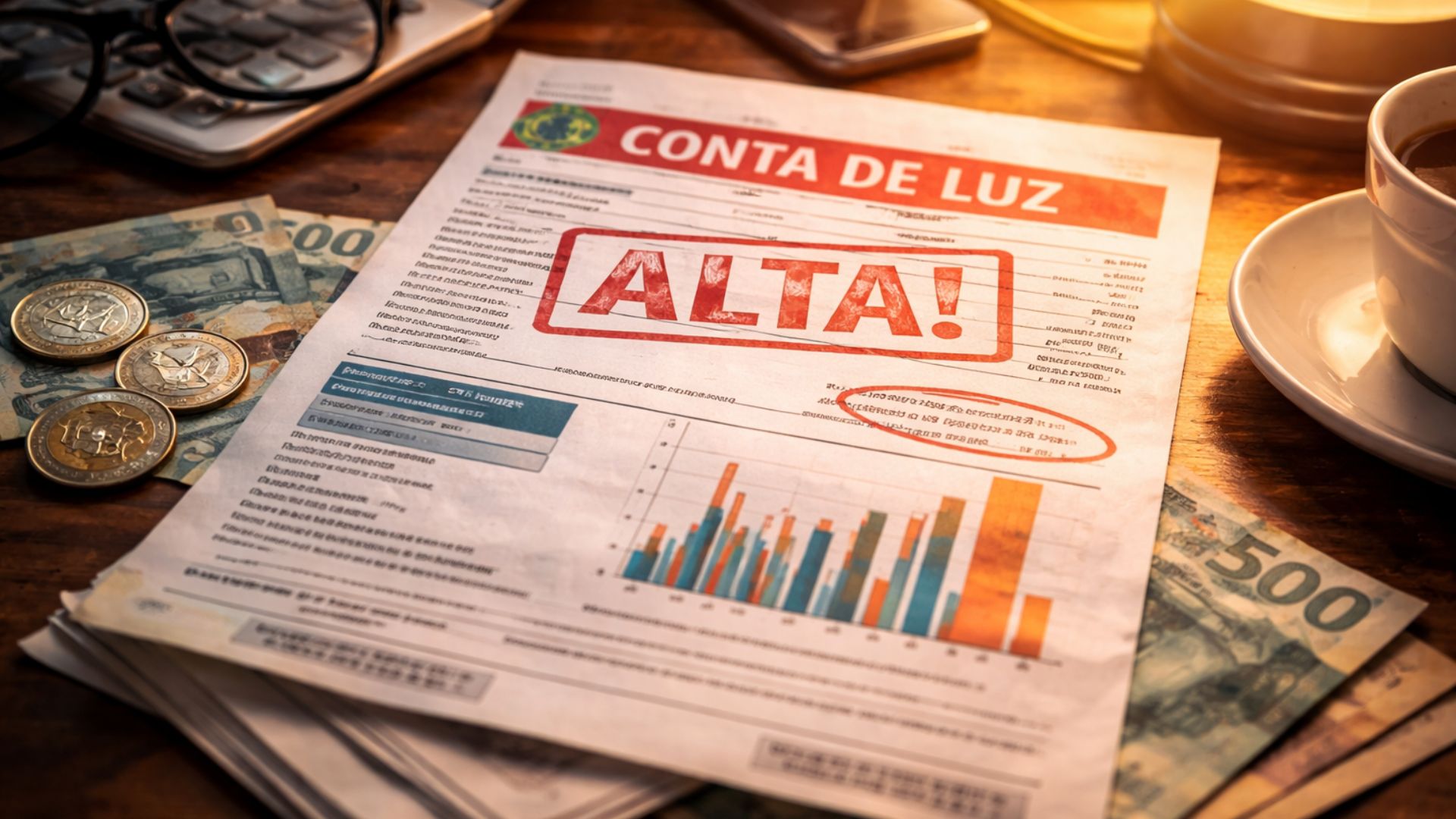
The only natural hydrogen field in commercial operation on the planet was discovered by accident when a driller lit a cigarette over a dry well in Mali; the fire lasted for weeks, the well was capped and forgotten for 24 years because no one knew it was hydrogen, and today it supplies an entire village with clean energy.
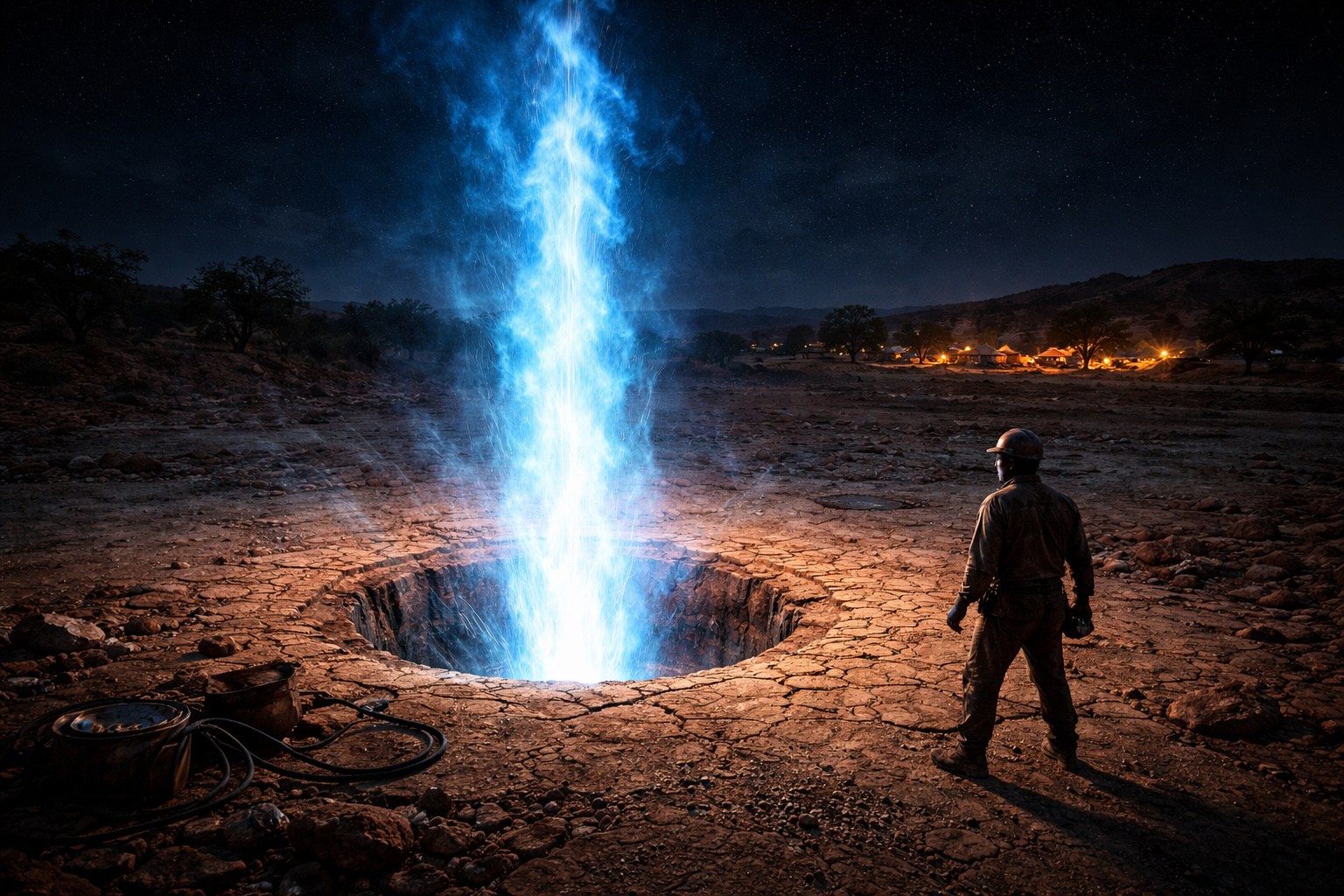

Brazilians see renewable energy as a necessary good, but believe that the cost of this modernization should fall on the government or large corporations. And not on the end consumer who is already dealing with high tariff flags.
The public perception of the cost of sustainability in Brazil
The fact that Brazilians support clean energy demonstrates a mature environmental awareness. But the country’s economic reality limits the willingness to invest individually in this cause. The average citizen already faces a high cost of living, where the electricity bill represents one of the largest slices of monthly fixed expenses.
When asked about the possibility of a “green fee” or a temporary increase to finance wind farms or solar plants, the negative reaction predominates. This resistance signals that the ecological appeal alone does not have enough strength to convince consumers to give up their disposable income.

Energy market experts point out that this stance reflects a lack of clarity about how subsidies work in the National Interconnected System (SIN). Often, consumers do not realize that they are already paying embedded charges in their bills to encourage various energy sources.
The demand for clean energy is growing, but the desire for modest tariffs is growing even faster. Therefore, the challenge for utilities and the Ministry of Mines and Energy lies in communicating the long-term benefits of renewables. Such as reducing dependence on expensive thermoelectric plants, which are the true villains of electricity bills during dry periods.
The paradox of the energy transition and inflation for Brazilians who support clean energy
Although Brazilians support clean energy, the fear of energy inflation hinders the advancement of more aggressive public policies. The recent memory of water crises and the constant activation of diesel or coal thermal plants has left consumers on alert.
For the population, any change in the electricity sector sounds like a threat of new adjustments. This perception makes it difficult to implement cutting-edge technologies. Such as green hydrogen or offshore wind energy, which still have installation costs higher than traditional sources in the short term.
The renewable energy industry is trying to reverse this situation by proving that the sun and wind are the cheapest sources of electricity production in today’s Brazil. The central argument focuses on reducing systemic costs: the more solar and wind energy the country generates, the less it needs to import energy from neighboring countries or activate polluting plants.
However, the gap between the initial investment and the actual drop in the consumer’s bill creates a gap of distrust. Brazilians desire a green country, but demand that the operational efficiency of these technologies translates into immediate financial relief on monthly bills.
Distributed Generation as a solution to the financial impasse
One of the ways found to circumvent the fact that Brazilians support clean energy but resist extra costs is Distributed Generation (GD). By installing their own solar panels, consumers take control of their production and can reduce their electricity bill by up to 95%.
This model removes the burden of financing from the hands of the state and transfers it to the individual. Who sees the investment as a form of “savings” for the future. The meteoric growth of solar energy on Brazilian rooftops proves that when the financial benefit is direct and individual, adherence to clean sources occurs without hesitation.

The problem arises when the focus shifts from individual generation to national infrastructure. The expansion of transmission networks and the construction of large renewable complexes require capital that inevitably ends up being passed on to the tariffs of all.
Here, the feeling of social injustice emerges among lower-income classes. Who support the environmental cause but do not have the means to invest in their own systems. For this group, clean energy needs to reach them through the public grid, transparently, and preferably with social discounts instead of surcharges.
The role of the Government in mediating the cost of clean energy
The realization that Brazilians support clean energy places unprecedented pressure on the National Congress and regulatory agencies such as ANEEL. The government needs to balance the need to attract foreign investors to the infrastructure sector with the political need to keep tariffs under control.
Proposals for new subsidies face strong parliamentary resistance, especially when the impact falls on captive consumers. The current debate revolves around who should pay for the transition: the federal budget, polluting companies, or the overall tariff system.
Fiscal incentive policies for renewable energy equipment help lower the final price for consumers without necessarily increasing the electricity bill. The exemption from import taxes for photovoltaic modules and wind turbines acts as an effective tool to accelerate the green agenda without generating inflation.
Moreover, the creation of cheap credit lines in public banks allows more people to access clean energy. If the government can lower the cost of technology, it meets the population’s desire for a sustainable country without violating the budget constraints of Brazilian families.
Energy education: The path to acceptance of costs
Many analysts believe that the fact that Brazilians support clean energy but reject extra costs stems from a deficit of technical information. Most of the population does not understand that the Brazilian electricity matrix is already one of the cleanest in the world. And that maintaining it requires constant maintenance and investments.
The concept of “negative externalities,” the hidden costs of health and environment caused by burning fossil fuels, rarely enters the mental account of citizens when evaluating the price of kilowatt-hour.
Awareness campaigns that show the relationship between clean energy and the reduction of respiratory diseases or the preservation of biomes can alter the perception of value. When consumers understand that paying a few cents more can prevent climate disasters that destroy urban infrastructures and increase food prices, resistance tends to decrease.

However, this energy education needs to be honest and transparent. Showing where every penny of the tariff is applied and ensuring that the financial sacrifice of citizens results in tangible improvements in quality of life and stability of the electricity grid.
Trends for the future: Technology and dynamic tariffs
The future of the Brazilian electricity sector, where Brazilians support clean energy, points to the use of smart technologies to manage consumption. Smart meters and dynamic tariffs (such as the White Tariff) allow citizens to shift their consumption to times when the supply of solar or wind energy is abundant and, therefore, cheaper.
This flexibility offers consumers the chance to be “green” and economical simultaneously, without the need for new taxes or fixed increases in the bill. Technology acts as the great equalizer between environmental ideology and financial pragmatism.
In the long run, the trend is that the cost of renewable energies will continue to fall drastically, surpassing the efficiency of fossil sources in all aspects. The time will come when clean energy will be so cheap that the debate about “paying more for it” will lose its meaning.
Until then, Brazil is going through a period of adjustment where consumer patience is tested with each annual adjustment. The industry needs to accelerate its economies of scale to deliver the promise of abundant and accessible energy, transforming the rhetorical support of the population into consolidated practical and financial satisfaction.
Brazilians support clean energy: The necessary balance for a sustainable nation
The survey confirming that Brazilians support clean energy but resist high tariffs serves as a guide for the country’s strategic planning. It reveals that the energy transition in Brazil cannot be imposed from the top down through additional costs, but rather built through efficiency gains and smart incentives.
The Brazilian people have already given their moral endorsement to the sustainable agenda; now, it is up to public and private managers to enable the financial logistics of this transformation.
The success of solar and wind energy in Brazil will depend on the sector’s ability to prove that sustainability is the shortest path to reducing inequalities and strengthening the economy.
When clean energy translates into lower electricity bills and greater economic stability, public support will cease to be conditional and become absolute. The sun and wind are free resources, and Brazilians know this.
The final challenge is to ensure that the price of technology keeps pace with the free nature, allowing Brazil to shine on the global stage as a renewable power that respects the budget of its people.








Seja o primeiro a reagir!