





 Portuguese
  English
  Spanish
  5 min of reading
  0 comments


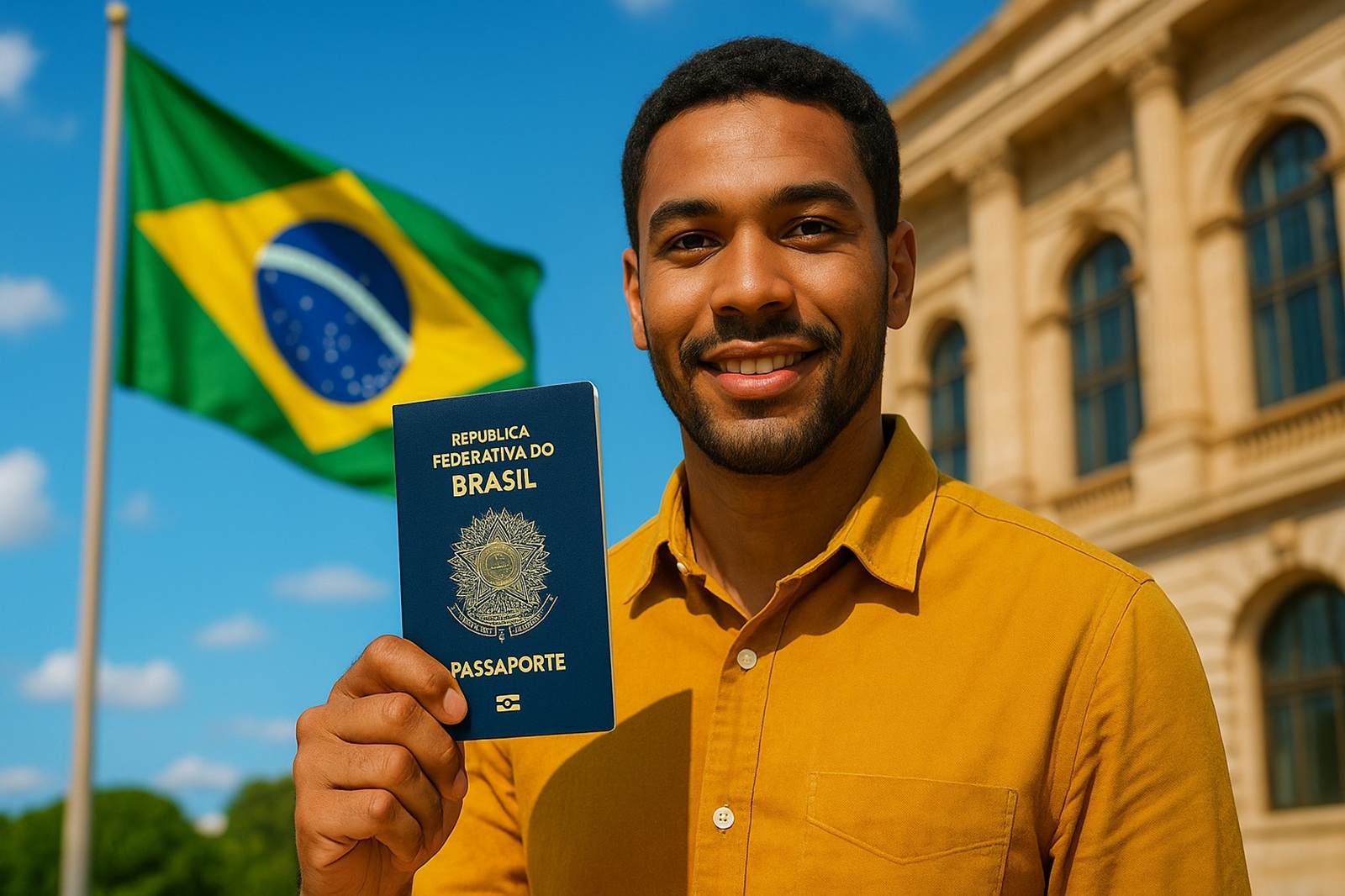
Brazilian Naturalization Brings Together Different Modalities Provided by Law, Each with Its Own Requirements. Foreigners Can Obtain Nationality by Proving Links, Residence, and Documents Required by the Ministry of Justice in the Official Process
Naturalization is part of the set of possibilities provided by the Federal Constitution and by legislation for foreigners to acquire Brazilian nationality. This procedure follows rules established by Law No. 13,445 of 2017, by Decree No. 9,199 of 2017, and by complementary regulations.
The process guarantees to the naturalized individual civil and political rights and duties, always in accordance with specific constitutional limits. Thus, each modality requires its own requirements and attends to different profiles of applicants.
Below, I present in detail what it means to be Brazilian by naturalization, who can apply for nationality, and what paths allow for obtaining this definitive recognition.
-
The noise law will no longer be in effect at 10 PM starting in June with a new rule valid during the 2026 World Cup.

-
The Chamber opens a debate on driver’s licenses at 16 years old as part of a reform that includes around 270 proposals to change the Brazilian Traffic Code and may redesign rules for licensing, enforcement, and circulation in the country.

-
The new Civil Code could revolutionize marriages in Brazil with “express divorce” and changes that could exclude spouses from inheritance.
-
Banco do Brasil sues famous influencer for million-dollar debt and intensifies debate on delinquency, risks of seizure, and direct impact on Gkay’s credibility.


What It Means to Be Brazilian by Naturalization
Being Brazilian by naturalization means acquiring nationality through an administrative process conducted by the Ministry of Justice.
Unlike a native Brazilian, who receives this status by place of birth or parentage, the naturalized individual must meet criteria defined by law. The choice for naturalization expands the link of the foreigner with Brazil and strengthens legal and social integration.
The foreigner already has rights guaranteed by the Migration Law, but naturalization allows access to a greater set of prerogatives.
Once naturalized, the person enjoys almost all the rights of native Brazilians, with constitutional exceptions such as certain public positions and the presidency of the republic. Naturalization thus represents a step towards deep integration into Brazilian society.
Ordinary Naturalization
Ordinary naturalization applies to foreigners who have continuously resided in Brazil for at least 4 years. The period decreases to 1 year when the applicant is married to a Brazilian or has a Brazilian child. In addition, it requires civil capacity, absence of criminal convictions, and knowledge of the Portuguese language. It is the most common form of naturalization.
Extraordinary Naturalization
Extraordinary naturalization applies to foreigners of any nationality who have lived in Brazil for more than 15 uninterrupted years without criminal convictions.
In this modality, the law does not require proof of language proficiency or other additional requirements. It is aimed at individuals who have a very long link with the country and wish to formalize it.
Provisional Naturalization
Provisional naturalization applies to foreign children and adolescents who start living in Brazil before the age of 10.
This condition remains until they reach adulthood, when the young person decides whether or not to confirm their Brazilian nationality. The confirmation does not occur automatically: the request must be made again after the age of 18.
Naturalization by Marriage or Common-Law Union
Foreigners married or in a common-law union with Brazilians may apply for naturalization with a reduced residency requirement, which becomes 1 year after the formalization of the relationship. It is necessary to prove the stability of the bond and meet all other legal requirements.
Naturalization by Relevant Services
This modality covers foreigners who have provided relevant services to Brazil in areas such as science, technology, culture, sports, or humanitarian actions. The Ministry of Justice assesses the impact of these contributions to decide on the granting of naturalization.
Naturalization by Reciprocity
Naturalization by reciprocity benefits foreigners from countries that offer similar facilitation to Brazilians in their naturalization processes. For this reason, the residency time and other requirements may be reduced according to bilateral agreements.
Naturalization for Individuals from Portuguese-Speaking Countries
Citizens of Portuguese-speaking countries, such as Angola, Mozambique, Cape Verde, and Portugal, have facilitated requirements. The minimum required legal residency time in Brazil is reduced to 1 year, always conditioned to compliance with the remaining requirements.
Brazilian Naturalization for Children of Brazilians
Children of Brazilians born abroad can apply for naturalization when they reside in Brazil and have not been registered at the consulate. The application depends on a formal manifestation of will for Brazilian nationality.
Brazilian Naturalization for Grandchildren of Brazilians
Though less common, grandchildren of Brazilians can apply for naturalization if they prove an effective link to the country. They must meet requirements such as residency time and absence of criminal records.
Naturalization for Spouses or Partners of Brazilian Diplomats
This modality serves foreigners married or in a common-law union with Brazilian diplomats who provide services abroad or operate within the national territory. The rule facilitates the integration of these family members into the Brazilian legal system.
How to Initiate the Naturalization Process
To apply for naturalization, the foreigner gathers the necessary documentation and submits the request through the digital platform of the Brazilian Government. The procedure analyzes items such as residency time, negative certificates in Brazil and abroad, civil capacity, and knowledge of Portuguese.
The analysis includes document verification and, when necessary, an in-person interview. The final decision appears in the Official Gazette, and the naturalization certificate is delivered to the applicant.
Documents Required for Brazilian Naturalization
The main documents required are:
Completed application form.
Valid identity document.
National Immigration Registration Card.
Negative criminal certificates in Brazil and in the country of origin.
Marriage or common-law union certificate, if applicable.
Proof of residence in Brazil.
Proof of knowledge of the Portuguese language.
Proof of legal residency time.
Civil capacity declaration.
Additional documents may be requested depending on the modality of naturalization.
Brazilian naturalization offers clear paths for foreigners who wish to live in Brazil permanently. The modalities cater to different profiles and situations, allowing each person to find the appropriate model for their history and the bond they have built with the country.
If there are doubts or difficulties, it is possible to seek support from a lawyer specialized in International Law.
This professional helps in preparing the documentation and avoids issues in submission, as the Ministry of Justice does not accept multiple requests made incompletely. Therefore, organizing the documents and meeting all the requirements ensures a faster and more efficient process.










-

Uma pessoa reagiu a isso.