





 Portuguese
  English
  Spanish
 5 min of reading
  0 comments


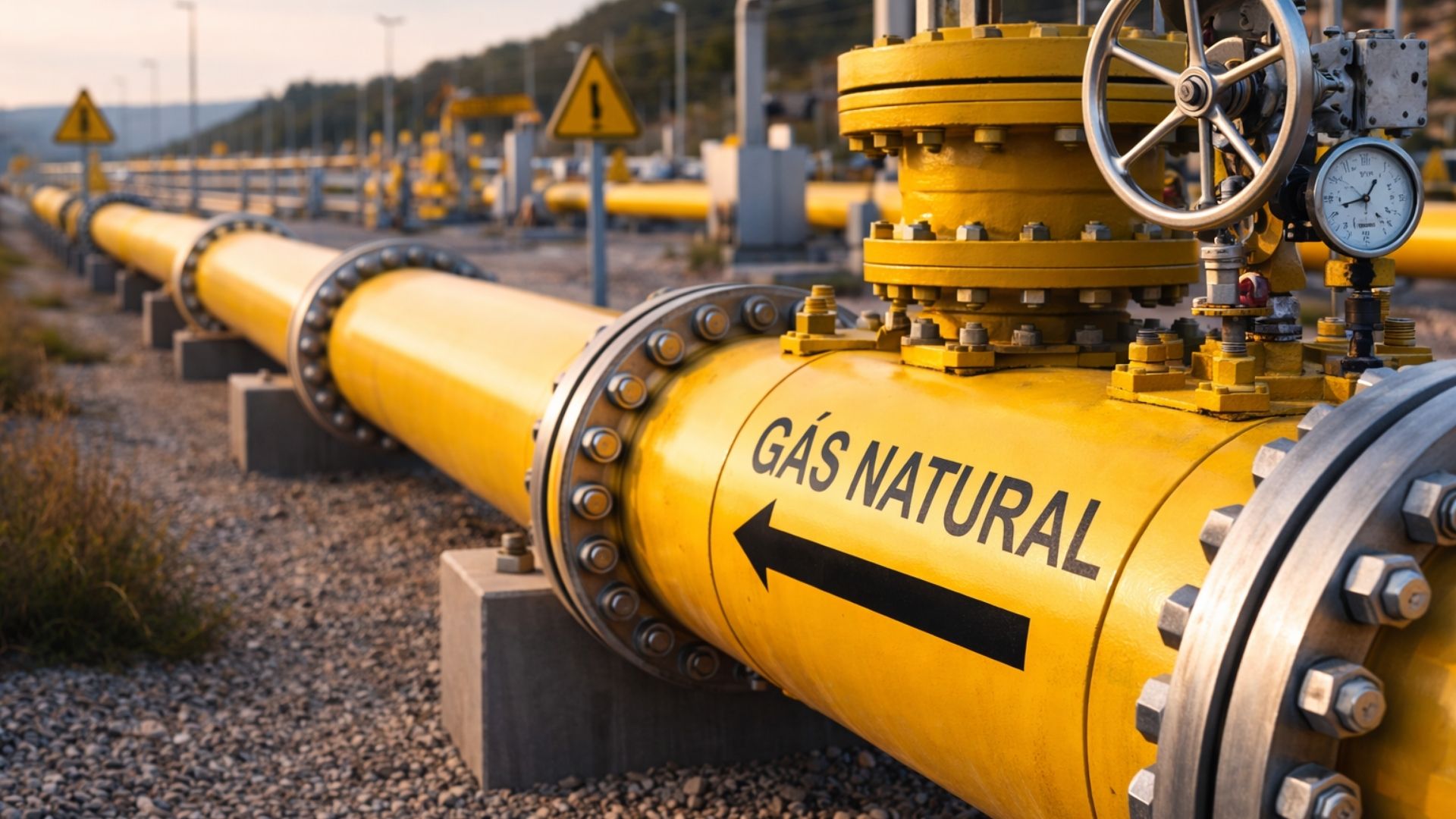
Naturgy Confirms Reduction in Natural Gas Tariffs in Rio de Janeiro Starting in February, with Significant Cuts in CNG and Direct Impacts for Residences, Commerce, and Industry.
The concessionaire Naturgy announced the reduction of natural gas tariffs in Rio de Janeiro, effective from February 1, 2026. The cut reaches 12.5% on CNG and also benefits residential, commercial, and industrial consumers in different regions of the state. According to a report published by Agência Eixos and other outlets on Tuesday (13), the measure comes after a decrease in the acquisition cost of gas supplied by Petrobras and is expected to positively impact around 1 million customers, reinforcing the competitiveness of natural gas as a strategic energy source in Rio de Janeiro.
Naturgy Announces Reduction in Natural Gas in Rio de Janeiro Starting in February
The reduction in the price of CNG stands out as one of the most significant recently announced, especially in a state that leads the use of this fuel in Brazil. The announcement by Naturgy has economic, energy, and social relevance, alleviating costs for families, businesses, and productive sectors that directly depend on natural gas.
Naturgy, responsible for the distribution of natural gas in most of Rio de Janeiro, informed that the new tariffs will take effect from February 1, 2026. According to the concessionaire, the negative adjustment is solely due to the reduction in the cost of acquiring the input from Petrobras, fully passed on to consumers.
-
Brazilian giant expands borders in the Southeast: Petrobras confirms new oil discovery in ultra-deep waters in the pre-salt of the Campos Basin.

-
Alert in the global energy market: Severe tropical cyclone hits the coast and disrupts gas production at major plants in Australia, threatening global supply.

-
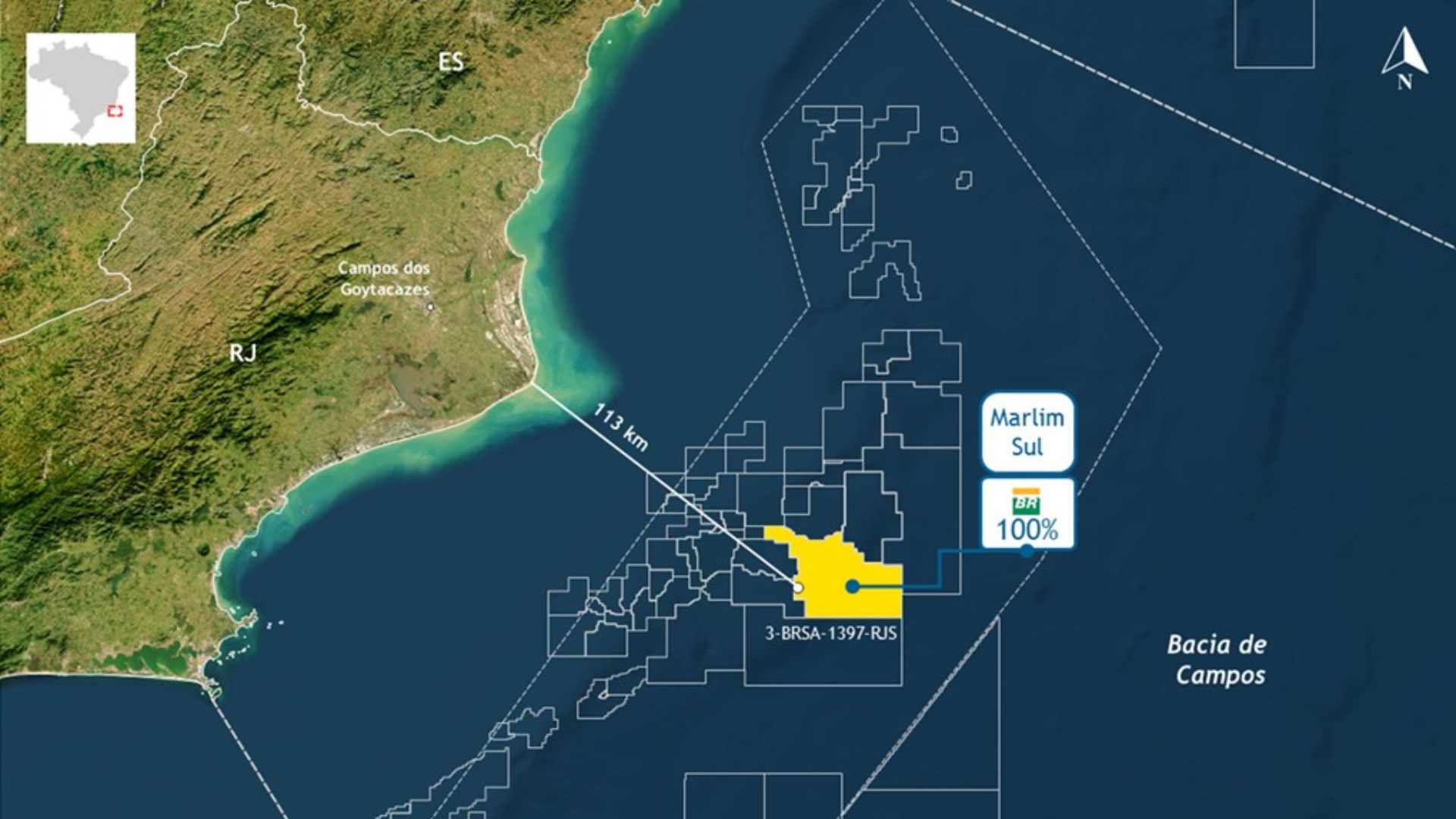
Petrobras finds high-quality oil in the pre-salt at 113 km from RJ and reignites expectations about strategic reserves in the Campos Basin.

-
Ocyan opens registrations for startups focused on innovation in the oil and gas sector and will select projects for Innovation Day with the support of Nexio.


The announcement reinforces the regulatory logic of the sector, which provides for the transfer of cost variations, ensuring transparency and economic-financial balance of the concession contracts. For consumers, this means that reductions in the price of gas at the source can translate into lower tariffs in final consumption.
Reduction of Natural Gas Benefits Residential, Commercial, and Industrial Consumers
The drop in tariffs announced by Naturgy affects various consumption profiles in Rio de Janeiro, encompassing residences, businesses, industries, and CNG stations. In the Metropolitan Region, served by CEG, the average percentage reductions are significant, especially for productive segments.
For residential consumers, the average reduction is 4.44%, considering a monthly consumption of 7m³. For commerce, the drop reaches 4.61%, based on an average consumption of 400m³. For the industrial sector, the reduction reaches 11.63%, considering a consumption of 3m³ per month.
These percentages demonstrate that the impact of the adjustment extends beyond domestic consumption, directly influencing the competitiveness of companies and industries that use natural gas as an essential input.
CNG Has the Largest Price Drop and Reinforces Leadership of Rio de Janeiro
The highlight of Naturgy’s announcement is the reduction of 12.5% in the price of CNG in the Metropolitan Region of Rio de Janeiro, the largest among all segments served. This percentage reinforces the importance of vehicular natural gas as an economic and widely used alternative in the state.
According to data released by the concessionaire, Rio de Janeiro is a national leader in CNG use, with approximately 1.7 million light vehicles converted and more than 700 fueling stations in operation. The drop in the price of natural gas for stations is expected to reflect in the final price paid by drivers, further increasing the attractiveness of the fuel.
In addition to cost savings, CNG also stands out for having lower emissions of pollutants compared to liquid fuels, contributing to the improvement of urban air quality.
Reduction of Natural Gas Also Reaches the Interior of Rio de Janeiro
The benefits announced by Naturgy are not limited to the capital and the Metropolitan Region. For consumers served by CEG Rio, in the interior of Rio de Janeiro, the reductions are also significant.
In the residential segment, the average drop is 4.45%. For commerce, the reduction reaches 5.21%. CNG stations will see a reduction of 9.84%, while industries in the interior of the state will benefit from a negative adjustment of 10.19%.
This movement broadens the reach of the measure, ensuring that municipalities in the interior also benefit from the reduction in the cost of natural gas, strengthening local economies and encouraging the use of energy in new applications.
Economic Impact of the Reduction of Natural Gas for 1 Million Customers
According to Naturgy, about 1 million customers will be directly benefited by the tariff reduction in Rio de Janeiro. This number includes residential consumers, commercial establishments, industries, and CNG users, highlighting the measure’s reach.
The decrease in tariffs represents immediate relief in the budget, especially in a context of attention to energy costs. For companies, the reduction can mean greater operational margin, while for families it contributes to a decrease in fixed monthly expenses.
Natural Gas Strengthens Industry Competitiveness in Rio de Janeiro
Naturally is one of the main energy inputs used by the Fluminense industry. Sectors such as ceramics, food and beverages, metallurgy, chemicals, and glass directly depend on the stable and competitive supply of this source.
With reductions exceeding 11% in some consumption ranges, the measure announced by Naturgy helps reduce production costs and improve the competitiveness of industries located in Rio de Janeiro. This scenario favors job retention and stimulates new investments, especially in an energy transition environment.
Role of Gas in the Energy Matrix and the Energy Transition
In addition to its economic impact, natural gas plays a relevant role in the energy matrix of Rio de Janeiro and Brazil. Considered a transition fuel, it has lower emissions of pollutants compared to other fossil sources that are more carbon-intensive.
The tariff reduction announced by Naturgy strengthens the use of natural gas as a more efficient and reliable alternative, both for energy generation and for industrial and vehicular applications. This contributes to environmental goals and the modernization of state energy infrastructure.
The concessionaire informed that the tariff reduction is a direct result of the decrease in the acquisition cost of natural gas supplied by Petrobras. The transfer follows the contracts and regulatory rules applicable to the sector in Rio de Janeiro. This mechanism ensures predictability and transparency, allowing consumers to benefit from cost reductions when they occur, while maintaining the economic balance of the concessions.
A New Scenario for Consumers and for the Gas Market in the State
The announcement by Naturgy may mark a new moment for the natural gas market in Rio de Janeiro. The reduction of tariffs starting February 1, particularly for CNG, enhances the competitiveness of the sector, broadens access to energy, and strengthens the Fluminense economy.
By benefiting around 1 million customers and consolidating the state as a national leader in CNG, the measure demonstrates how natural gas continues to be a strategic vector for mobility, industry, and sustainable development in Rio de Janeiro, with direct positive impacts on the daily lives of the population and the performance of the regional economy.







-

Uma pessoa reagiu a isso.