





 English
  Francês
  Alemão
  Italiano
  Japonês
  Norueguês
  Portuguese
  Spanish
  3 min of reading
  0 comments


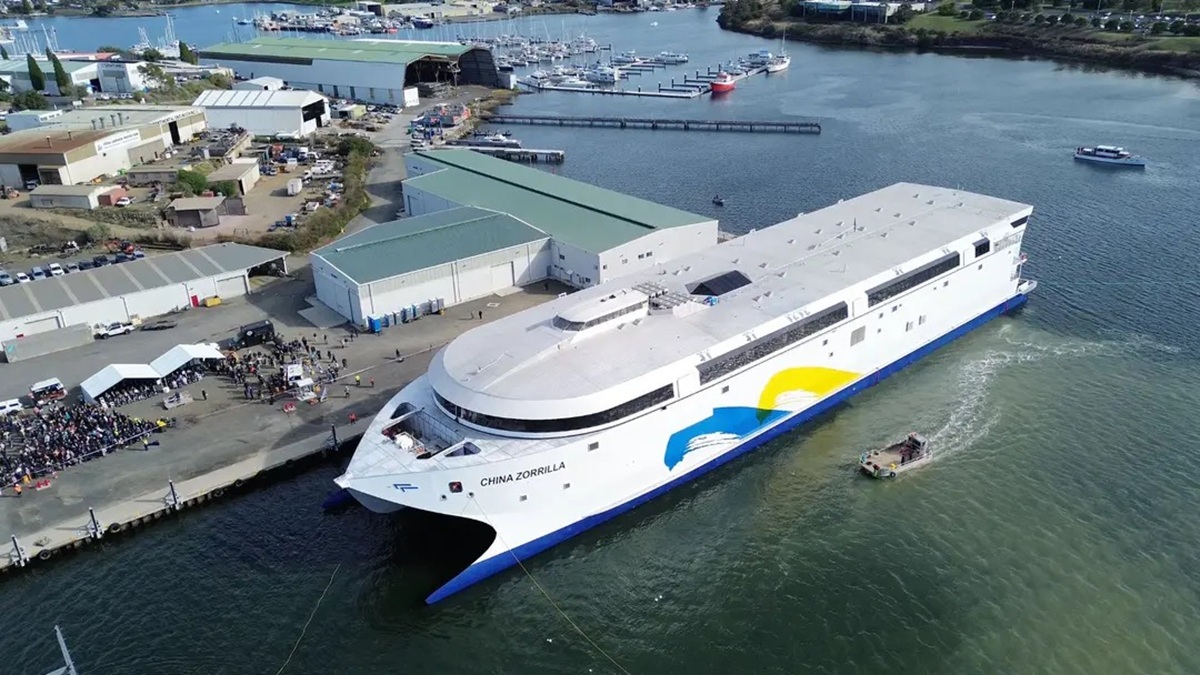
Hull 096, with 130 meters, 275 tons of batteries, and more than 40 MWh installed, successfully carried out the first fully electric propulsion test in open water on December 14, 2025
The largest battery-electric ship ever built in the world successfully completed its first electric propulsion test in open water on December 14, 2025, in Hobart, Tasmania, marking an unprecedented technical advance for large-scale maritime transportation.
The vessel, identified as hull 096 and built by Incat Tasmania, is 130 meters long and has been designed to carry 2,100 passengers and more than 220 vehicles, using exclusively electric propulsion powered by high-capacity batteries.
During the test, the ship activated the largest battery-electric propulsion system ever installed in a maritime environment, operating entirely on stored energy and demonstrating functional performance in real navigation conditions.
-
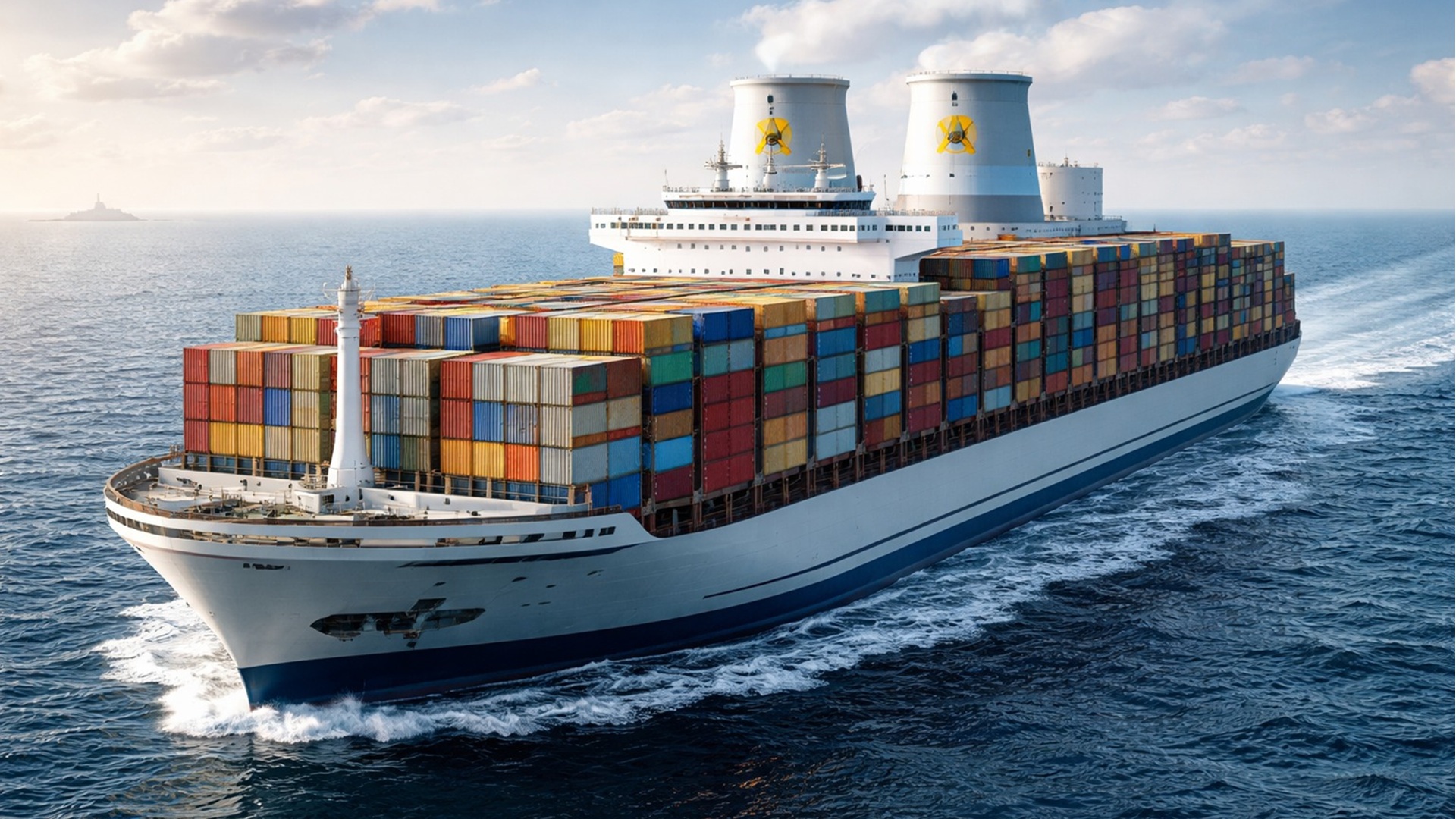
Ocean Giant Could Change Everything: Nuclear Container Ship Project Promises to Transport 16,000 Containers Without Using Fossil Fuels
-
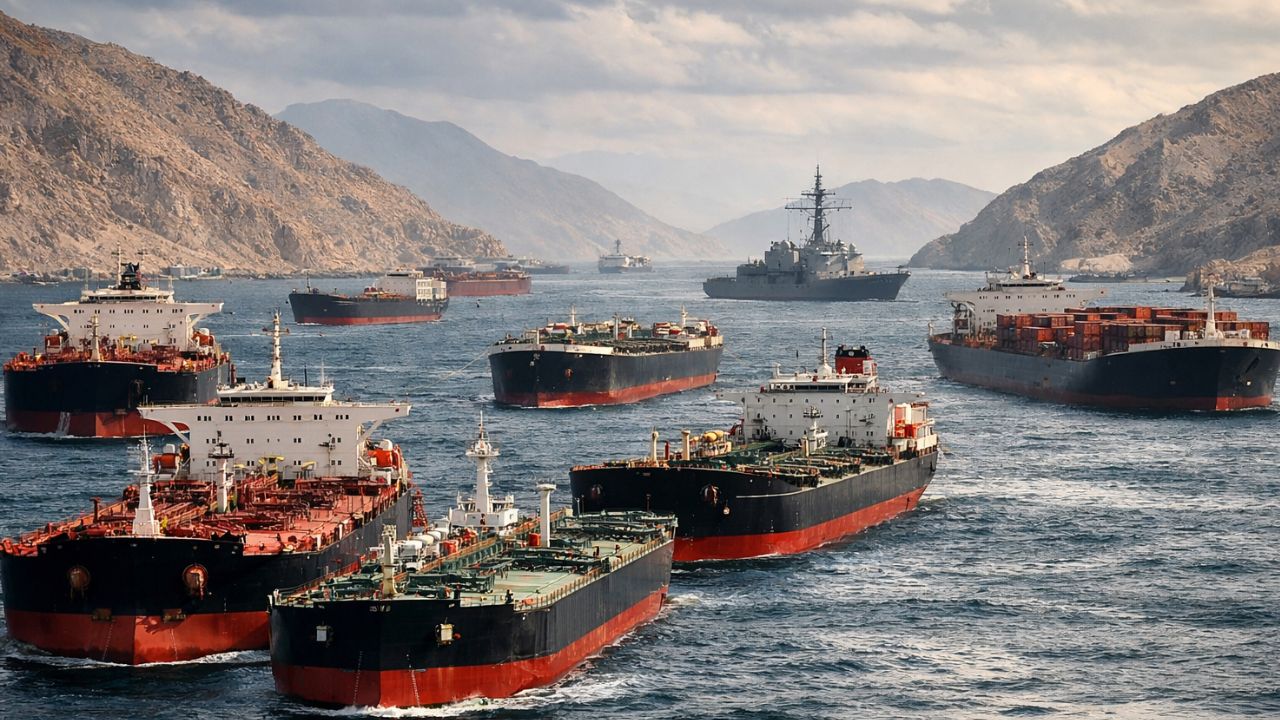
Hormuz Strait: Hundreds of Ships and Oil Tankers Stranded After Attacks in the Middle East
-
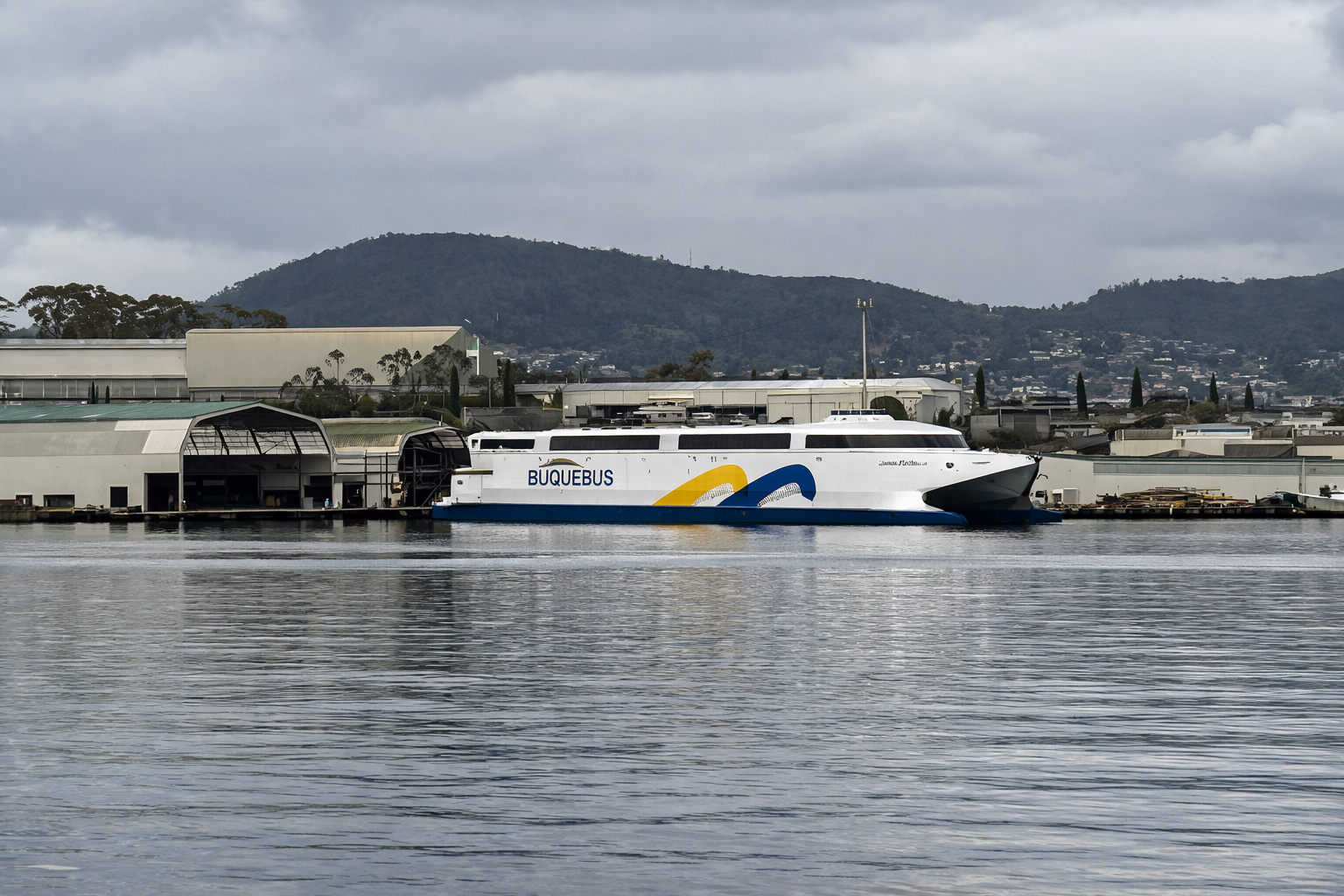
World’s Largest Electric Ship, China Zorrilla, Will Connect Argentina and Uruguay Across the Río de la Plata with a $200 Million Investment and Operations Planned for 2026
-
How A 20-Ton Anchor Holds 200,000-Ton Ships Even Under Extreme Winds And Why It Fails In The Deep Ocean

According to Robert Clifford, president of Incat, this is the first time that a ship of this size has been tested with 100% electric battery propulsion, classifying the event as a historic turning point for global shipbuilding.
Clifford also highlighted that Tasmania has been leading international aluminum shipbuilding for decades and stated that the new milestone consolidates the region as a global reference for the next generation of sustainable, high-performance vessels.
Battery System with Over 40 MWh and Individual Cooling Per Module
The energy source of the ship is an Energy Storage System made up of more than 275 short tons of batteries, equivalent to 250 metric tons, with a total installed capacity exceeding 40 megawatt-hours.
This capacity is four times greater than any previous marine battery system installed, solidifying hull 096 as the largest electric platform ever applied to commercial maritime transport.
According to IEEE Spectrum, the system consists of 5,016 lithium-ion batteries distributed across four compartments, organized into 12 sets with 418 modules each, forming a highly complex electrical architecture.
The stored energy powers eight electric water jets, allowing the vessel to cross the river in approximately 90 minutes, performing comparably to large conventional ferries.
To control temperature, the system employs air cooling, with an individual fan dedicated to each module, a solution adopted to mitigate thermal risks and ensure continuous operation of the battery rooms.
The project infrastructure includes dedicated charging stations at both ends of the route, with an expected full recharge in just 40 minutes, ensuring high operational turnover.
Environmental Impact, Commercial Use, and Route in South America
In addition to the propulsion system, Incat announced that the ferry will feature the largest commercial area ever installed on a vessel of this type, increasing revenue and differentiating the passenger experience.
The project emerges in a context where maritime transport accounts for nearly 80% of global cargo and about 3% of annual global greenhouse gas emissions, according to UNCTAD.
Designed and built entirely in Hobart, the ship reinforces Tasmania’s position at the forefront of sustainable shipbuilding, combining advanced manufacturing, industrial design, and clean energy technology.
The vessel was built for the South American operator Buquebus and represents the ninth ship delivered by Incat to the company, replacing the original plan for a LNG-powered ferry named China Zorrilla.
This trial marks the first of a series of scheduled tests before the final departure to South America, planned for the coming months, according to the company’s operational schedule.
The permanent route will connect Buenos Aires, in Argentina, to Colonia del Sacramento, in Uruguay, crossing the estuary of the Rio de la Plata with fully electric operation, consolidating a new model for regional maritime transport.









Seja o primeiro a reagir!