





 Portuguese
  English
  Spanish
  9 min of reading
  0 comments


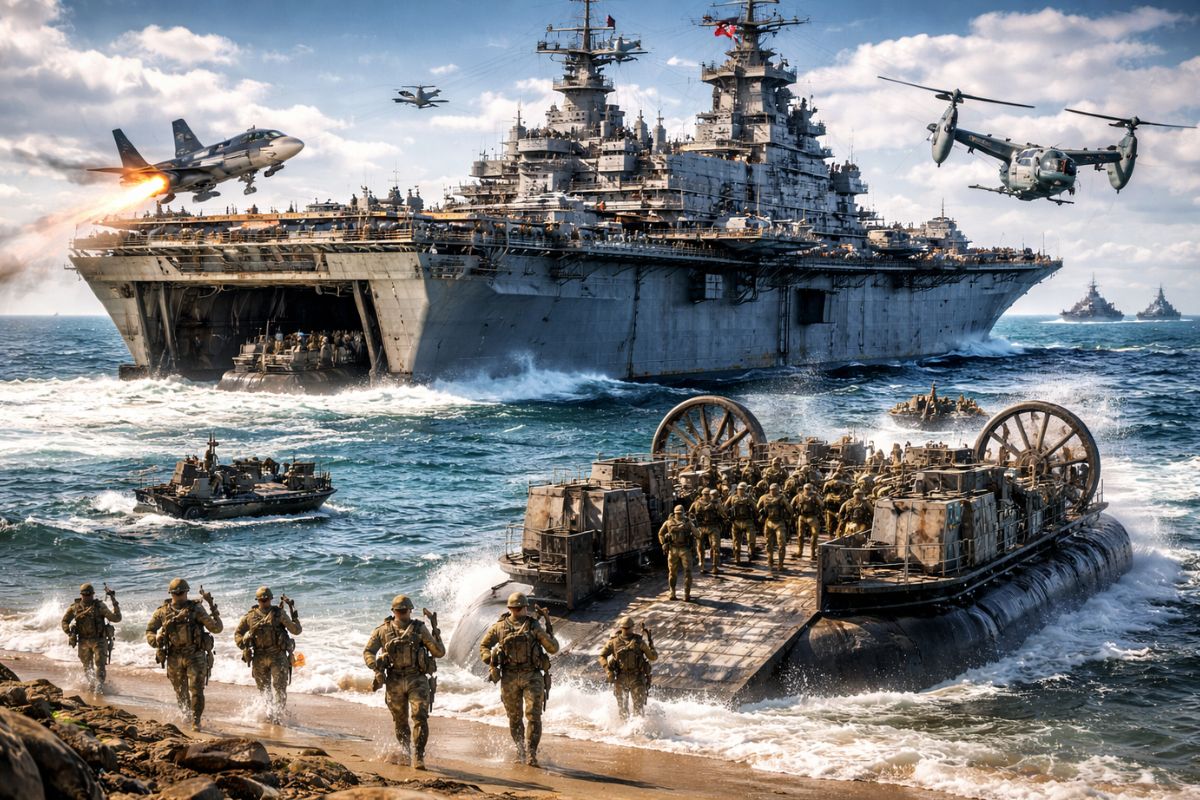
The Giant USS Bataan Brings Flight Deck, Flooded Well Dock, Expanded Hospital, Embarked Troops, and Rapid Response Capacity, Forming a Platform That Launches Aircraft, Lands Marines, and Faces Some of the Most Complex Operations of the United States Navy.
The giant USS Bataan impresses not only with its size but also with the number of functions it houses within a single structure. Although it has a huge flight deck, it is not an aircraft carrier. Its function goes beyond launching aircraft: it also needs to operate landing craft, transport Marines, sustain high-level logistics, and respond to crises in a matter of hours.
In practice, the giant ship acts as a sea-based war platform capable of integrating air, naval, and ground forces into a single mission. It is precisely this combination that makes the USS Bataan one of the most demanding platforms in the U.S. Navy, because it must coordinate landings, take-offs, disembarkations, refueling, combat, transport, and medical support in high-risk environments.
Giant Ship Is Not an Aircraft Carrier, But Faces Even More Delicate Operations
What differentiates this giant ship from an aircraft carrier is the nature of the mission. While aircraft carriers typically deal with long-range threats through aircraft, amphibious ships operate closer to the coast and need to land troops and equipment on shore.
-
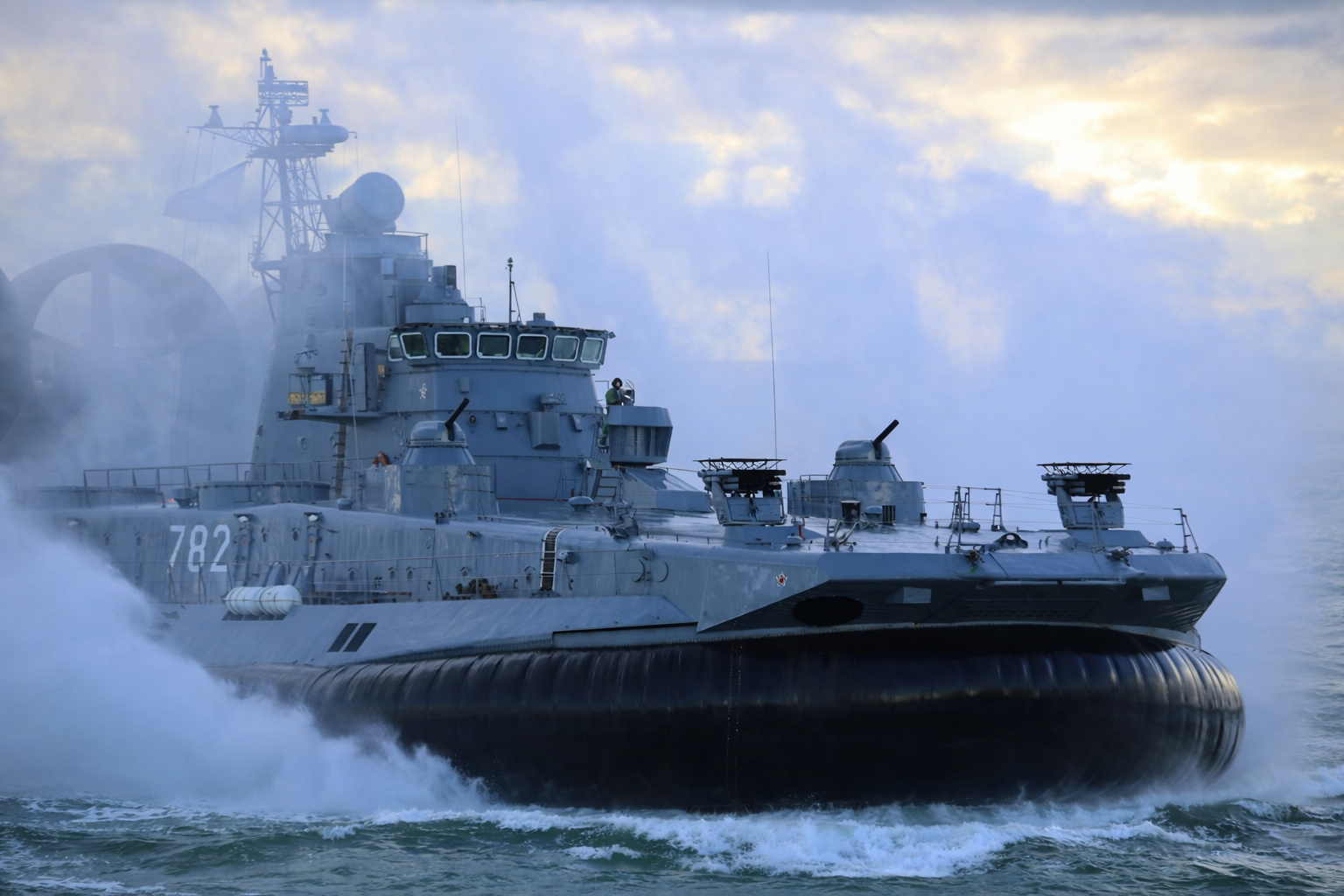
Classified as a “amphibious monster” weighing 555 tons, 57 meters long, and featuring three propellers with a diameter of 5.5 meters, the Zubr is the largest military hovercraft ever built, capable of transporting 3 tanks or 500 soldiers at speeds exceeding 100 km/h over water, ice, and sand, and China has resumed production of it to project power in the South China Sea.
-
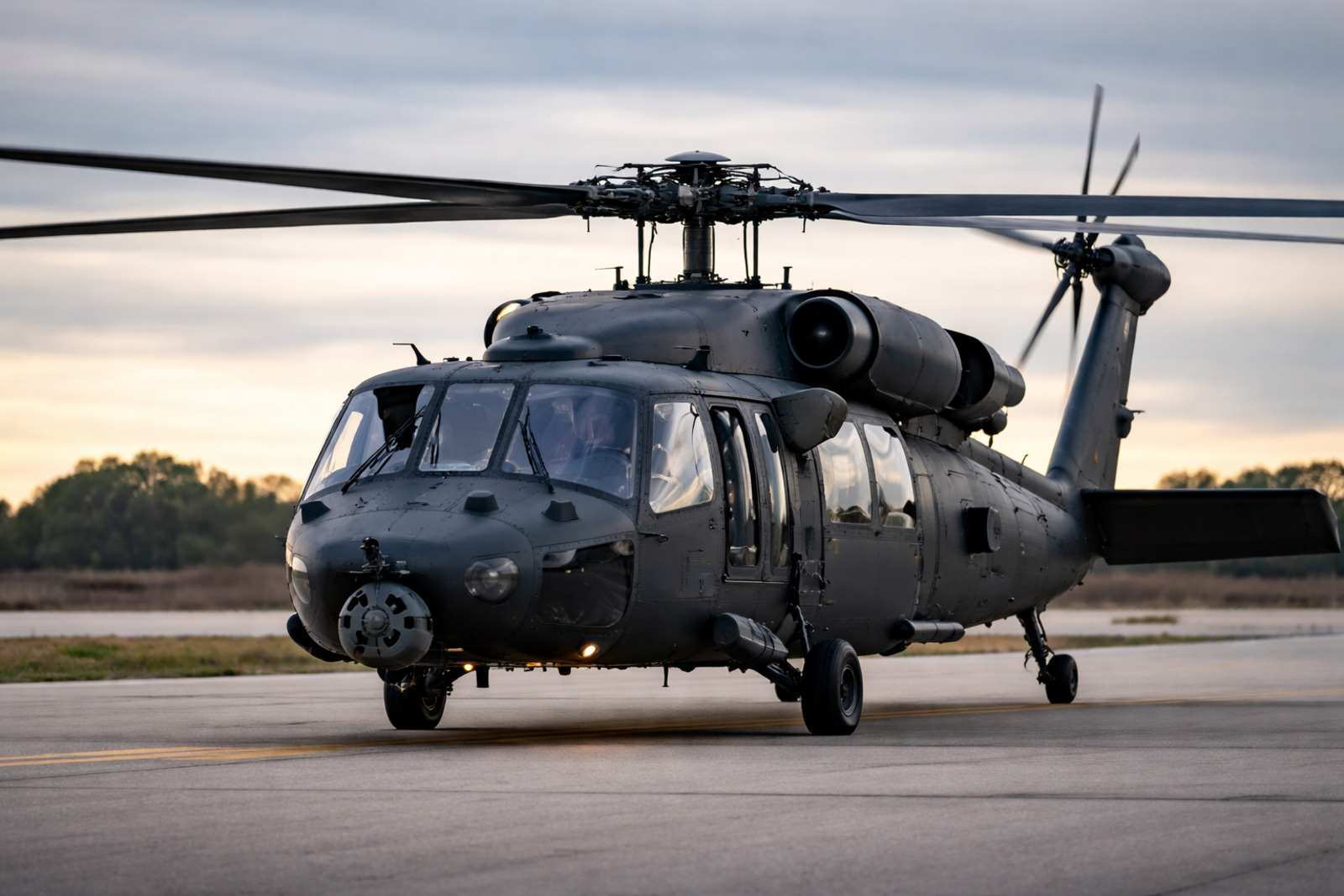
The U.S. Army receives the first Black Hawk helicopter that can fly without pilots, be controlled by a tablet, and even land on its own during high-risk missions.
-
With 11,000 tons and sensors capable of hunting submarines at long distances, the Type 055 has become one of the most feared floating arsenals of the Chinese navy.

-
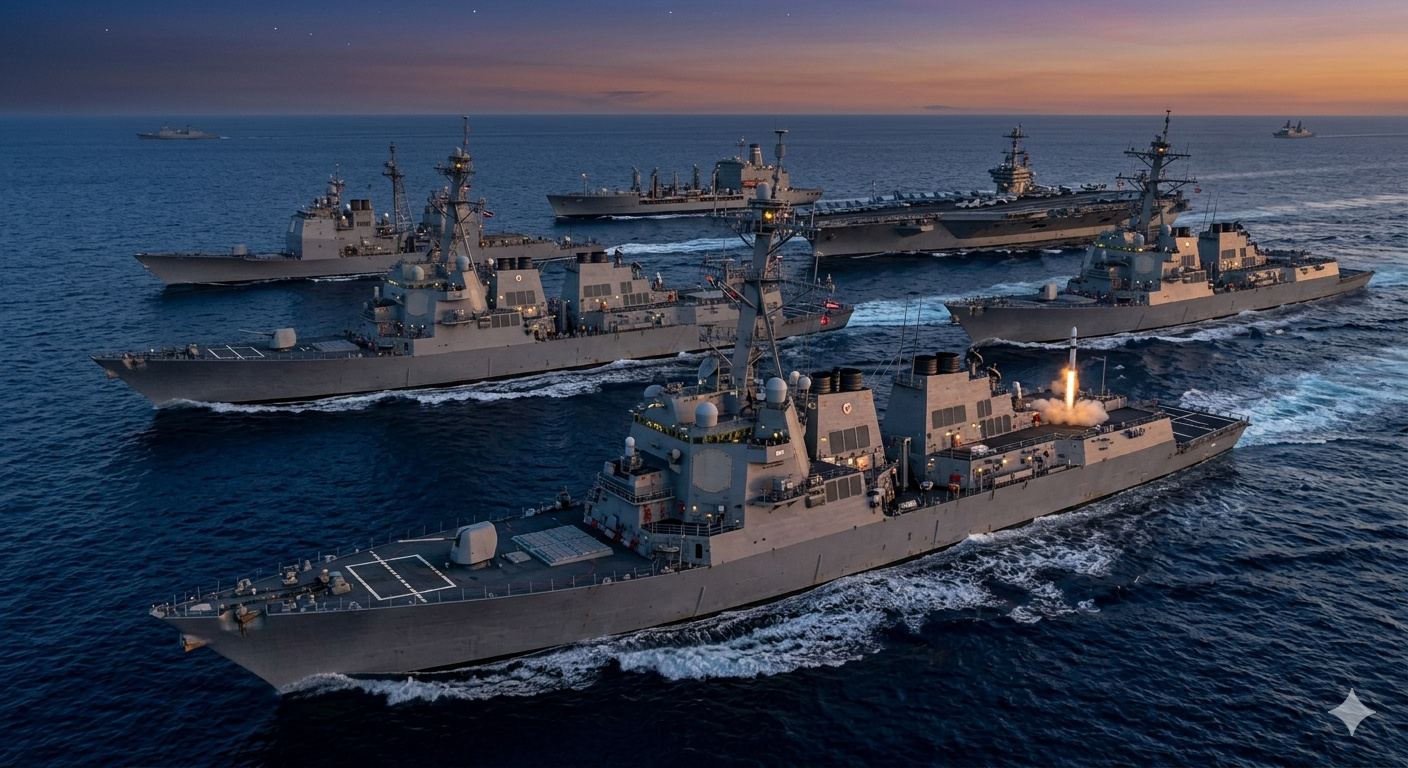
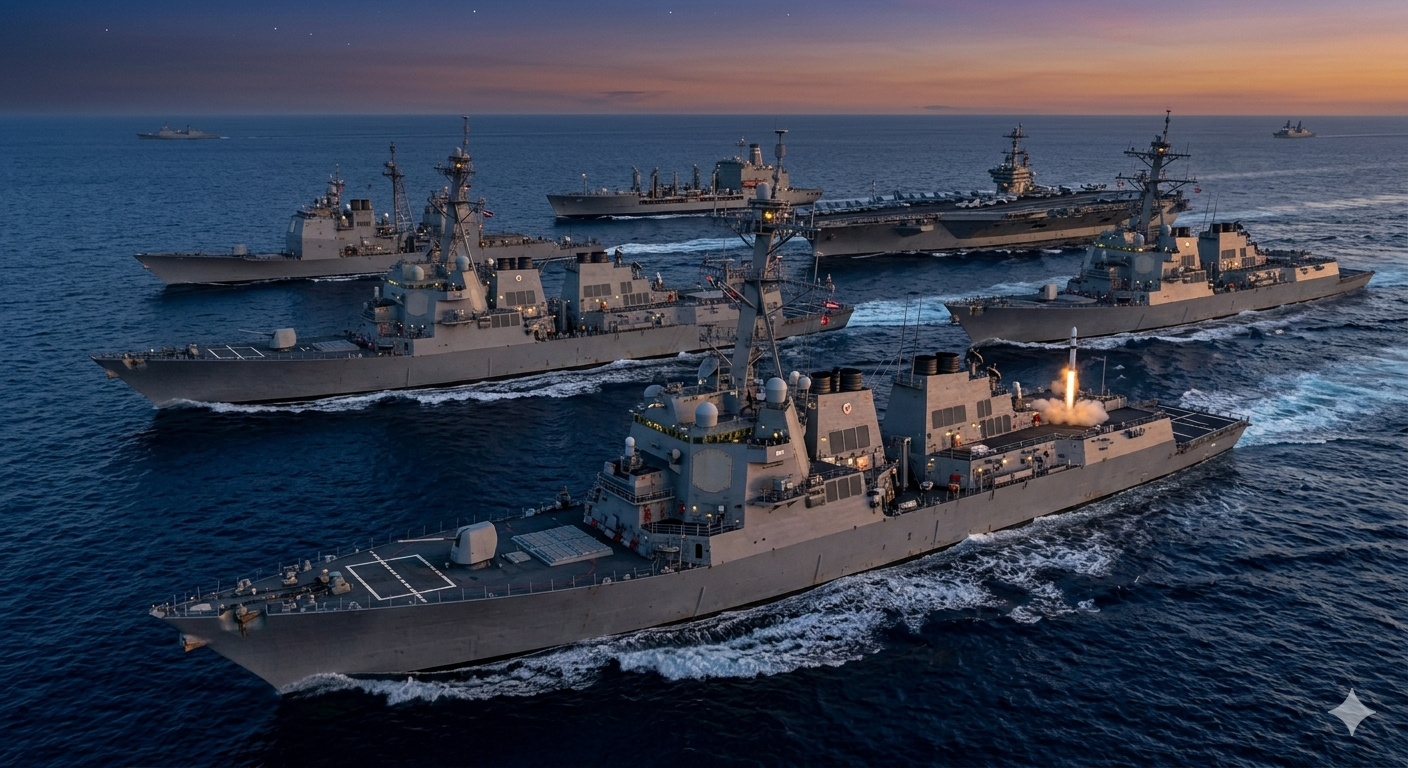
With over 15,000 tons, radars capable of tracking hundreds of targets simultaneously, and more than 120 missiles ready for launch in seconds, modern destroyers cease to be escorts and begin to dominate the naval battlefield.

This increases the degree of complexity. The giant ship works with both flight decks and well decks, meaning its operations depend on tides, wind, sea state, water depth, and beach conditions.
It’s not enough to launch aircraft safely. It’s essential to ensure that boats, vehicles, and Marines can leave the sea and reach the ground at the right moment.
This is one of the reasons why the USS Bataan is treated as one of the fleet’s most sensitive platforms. It needs to integrate two forces at the same time, sailors from the Navy and Marines, in a routine that allows no room for error.
Why the Giant Ship Has So Many Meteorology Specialists
On the USS Bataan, the weather directly impacts almost everything. For this reason, the giant ship maintains eleven people dedicated to analyzing and forecasting weather and oceanographic conditions.
Six forecasting assistants install equipment to measure ocean data every hour, while five meteorologists produce regular forecasts.
This work is essential because the well deck and amphibious operations can be affected by low tides, changes in the sea, and the risk of turning coastal areas into mudflats.
On a ship like this, meteorology is not secondary support. It is part of the operational decision-making process. A mistake in weather reading can jeopardize the landing, trap vehicles, expose troops, and delay the entire mission.
The Flooded Well Dock Transforms the Giant Ship into a Disembarkation Platform
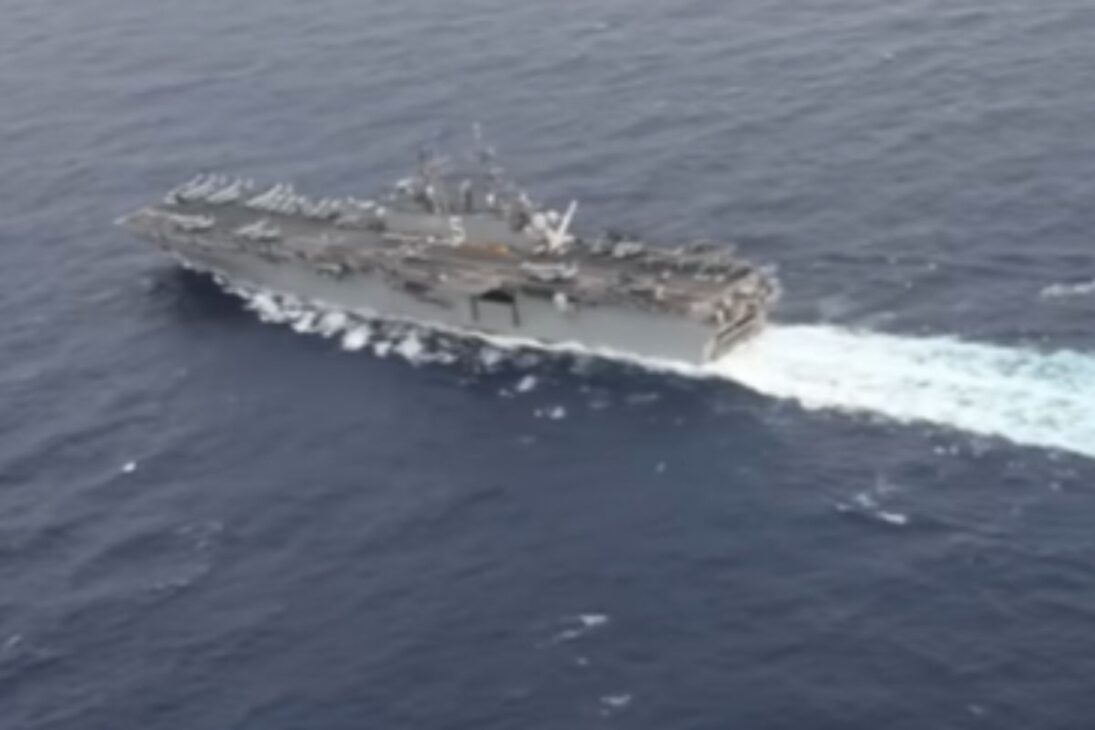
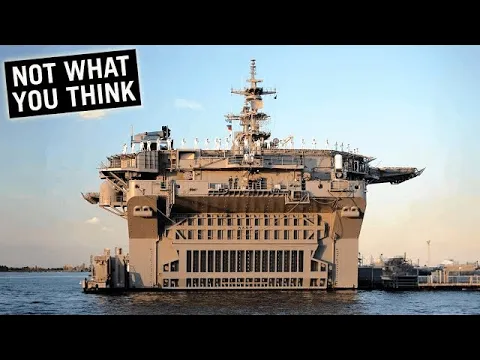
One of the most striking elements of this giant ship is the flooded deck, also known as the well deck. This structure functions as a large internal area that can be opened to water, allowing the entry and exit of landing craft.
It is through this dock that the ship operates LCUs and LCACs. The LCUs are utility landing craft used to transport troops, vehicles, and cargo to the shore. The LCACs use air cushion, which gives them more speed, although they carry less weight.
The operation is delicate. The LCUs need adequate depth to enter, which requires flooding the deck. The LCACs enter differently, needing less flooding, but with very tight space on the sides.
It is a precision job, as any mistake in such an entry can jeopardize equipment, structure, and crew safety.
Organizing the Cargo on the Giant Ship Is Like Playing Tetris in Three Dimensions
With about 27,000 tons, the giant ship of the Wasp class carries an enormous volume of equipment, vehicles, supplies, and combat assets. But the challenge is not just putting everything inside the ship.
The challenge lies in deciding what goes in first, what needs to come out first, and how to distribute weight without compromising the vessel’s balance.
The cargo planning is treated like Tetris in three dimensions. First, it’s necessary to take advantage of the available space. Next, define the loading order according to tactical priority. Finally, balance the weight, keeping corridors clear and ensuring fire safety.
On paper, loading a ship looks like logistics. In practice, it is a direct part of combat readiness. Poorly positioned equipment can delay landings and hinder mission execution.
The Flight Deck Transforms the Giant Ship into an Aerial Platform
Even though it is not an aircraft carrier, the giant ship operates an important combination of aircraft from the Marines. Since it lacks catapults and arrestor wires, it operates short take-off and vertical landing aircraft, such as Harriers and Ospreys, as well as various helicopters.
Depending on the mission, the ship can embark more Ospreys in an assault scenario or focus on more AV-8B Harriers in a configuration aimed at maritime control. Helicopters also enter this package, providing flexibility for support, attack, and transport.
However, there is one significant limitation. The giant ship USS Bataan cannot accommodate F-35 landings due to the extreme heat generated by the exhaust, which can warp the flight deck.
This issue has been addressed in other ships of the same class with a special coating called Thermion, but it depends on specific adaptation. This detail shows how even the most advanced technology relies on the physical resilience of the flight deck to operate safely.
Air Emergency and Fire Fighting Require Immediate Action

The giant ship‘s air operations require rapid responses in emergency situations. The base indicates that the USS Bataan has special support for problematic landings, as well as a crane to move damaged aircraft.
Additionally, the deck has a fire truck, a water reserve, and teams in clothing resistant to extreme temperatures. These professionals work in short shifts because the heat from the deck and the intensity of the operation make the job exhausting.
In an environment where aircraft land vertically and fuels are always present, fire readiness is not a technical detail. It is a matter of survival.
The Hangar Augments the Operational Capacity of the Giant Ship
When aircraft are no longer needed on the flight deck, they proceed to the hangar. On the giant ship, this space is used for storage, maintenance, and organization of the embarked air group.
Two enormous elevators connect the hangar to the flight deck. They are so large that they need to be folded for transit through the Panama Canal.
Inside, there are maintenance areas and spaces for spare parts, demonstrating that the ship not only transports aircraft but also sustains their operation for extended periods.
This structure reinforces the idea that the giant ship functions as a complete military base. It does not merely rely on launching combat assets. It needs to keep them operating at a high level throughout the mission.
The Real Trump Card of the Giant Ship Is the Rapid Response Force
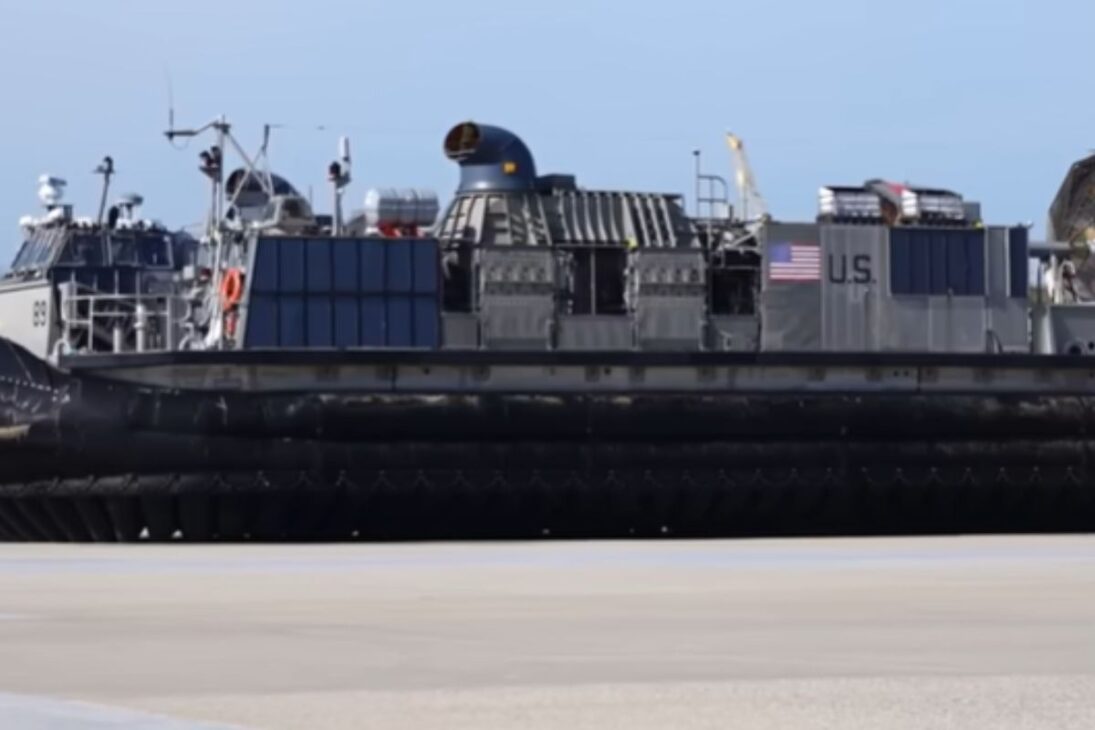
On the USS Bataan, one of the most decisive aspects is the presence of Marine Expeditionary Units, known as MEUs. Within just six hours after an order, this giant ship must be ready to mobilize its unit for the assigned mission.
This rapid response cycle, called R2P2, involves organization, planning, aircraft selection, contingent definition, armaments, transport means, and other operational details. It is a much shorter window than that of an aircraft carrier, which plans up to 72 hours ahead.
This difference helps explain why the amphibious giant ship is seen as a crisis response force. It integrates air logistics, ground combat, and command into a single platform, ready to act urgently anywhere in the world.
The Giant Ship Also Refuels Other Ships
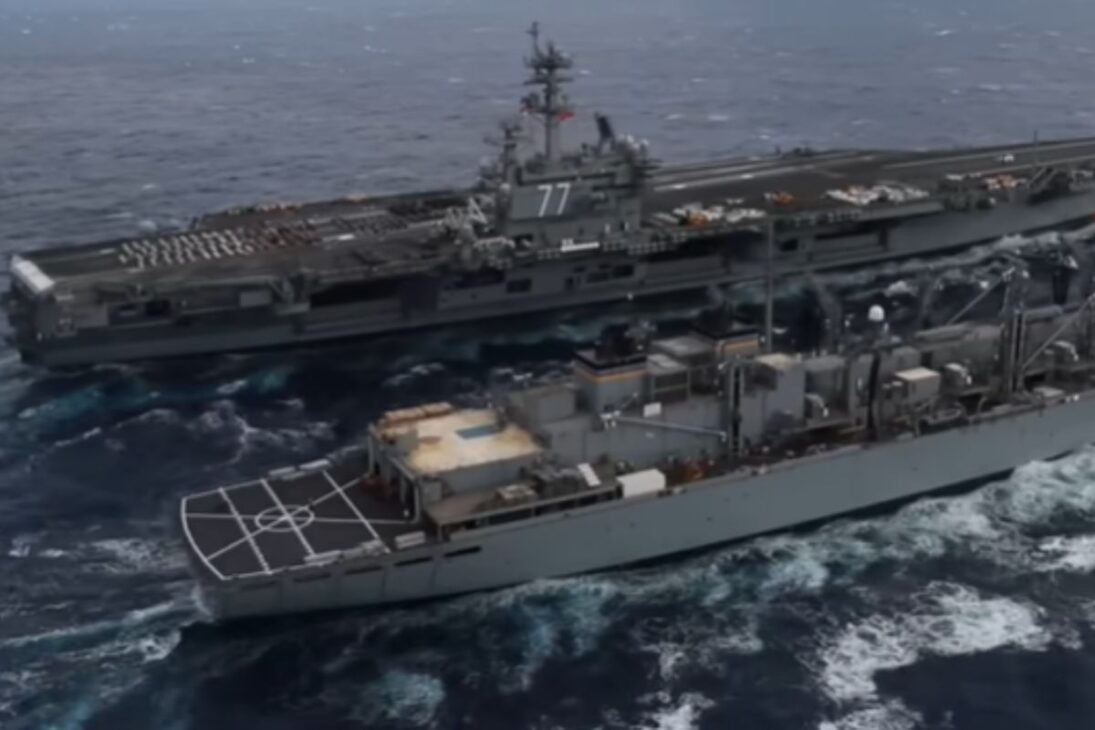
Even capable of carrying enough fuel for long distances, the USS Bataan maintains its own refueling equipment at sea. This allows the giant ship not only to receive supplies but also to provide fuel to other vessels, such as destroyers.
The base differentiates RAS and FAS. One is the refueling received, the other is the refueling provided. With this, the amphibious ship can function as logistical support in situations where a tanker is not available.
Furthermore, the well deck can be used for refueling without interrupting the flight deck. During Operation Iraqi Freedom, the USS Bataan received ammunition using LCACs through the well deck, keeping air operations active at the same time.
This is a clear example of how this ship combines combat, logistics, and high-level operational improvisation.
Navigating and Surviving on the Giant Ship Also Requires System
Life aboard a giant ship depends on strict internal organization. For this, the crew uses plates called bullseye, which serve as reference points for location within the vessel.
These codes indicate level, position relative to the ship’s center, and type of space, helping sailors and Marines orient themselves in a huge and complex environment. Without this system, a new person may take months to navigate the interior of the vessel.
This detail may seem minor, but it shows how the giant ship demands discipline even in internal circulation. On a military ship of this scale, wasting time looking for a space can mean delays in maintenance, response, or firefighting.
Operating Near the Coast Increases Threats to the Giant Ship
Unlike aircraft carriers, which typically operate hundreds of miles from the shore, the giant ship amphibious was made to get much closer to land. In some cases, it can operate about 10 miles from the coast, which increases the risk of detection and attack.
This means facing threats from deep waters as well as shallow waters, such as torpedoes, mines, short-range missiles, and drones. Before any disembarkation, it’s essential to inspect the water, check the beach, and if necessary, call in teams to neutralize explosives.
The most vulnerable phase of the operation is precisely the transition from sea to land. It is at this moment that troops and vehicles need to move quickly while enemy defenses may still react. Therefore, the combination of Harriers, helicopters, LCACs, and Marines is part of the same tactical design.
The Hospital of the Giant Ship Needs to Be Larger Than That of an Aircraft Carrier
Since the embarked Marines operate near the enemy and can suffer injuries on a larger scale, the giant ship amphibious has a hospital larger and better equipped than that found on aircraft carriers, even though it carries fewer personnel overall.
This structure is also useful in humanitarian assistance missions and disaster response. The ship serves not only for combat but can also operate in civil crises, evacuation, rescue, and large-scale medical support.
This reinforces the overall logic of the USS Bataan. The giant ship is not just an attack instrument, but a complete crisis platform, ready to launch aircraft, put troops on land, resupply partners, face enemy fire, and still attend to the wounded in a robust medical facility.
The Giant Ship Concentrates Some of the Most Difficult Missions on the Planet
In the end, the USS Bataan represents a rare combination of capabilities. It launches aircraft, operates landing craft, sustains Marines, responds in six hours, faces coastal threats, and maintains logistics and a hospital onboard.
This sum explains why the giant ship is treated as one of the most complex platforms in the U.S. Navy. It is not just about size or firepower. It’s about integrating sea, air, and land in a single structure under constant pressure.
Few military platforms need to coordinate so many critical functions at the same time. This is precisely what transforms the USS Bataan into a sea-based war base, prepared for some of the world’s most demanding operations.
In your opinion, what makes this giant ship more impressive: the flight deck, the flooded dock, or the speed to launch a complete mission in a few hours?






-

-

-

-

-

51 pessoas reagiram a isso.