





 Portuguese
  English
  Spanish
  5 min of reading
  0 comments


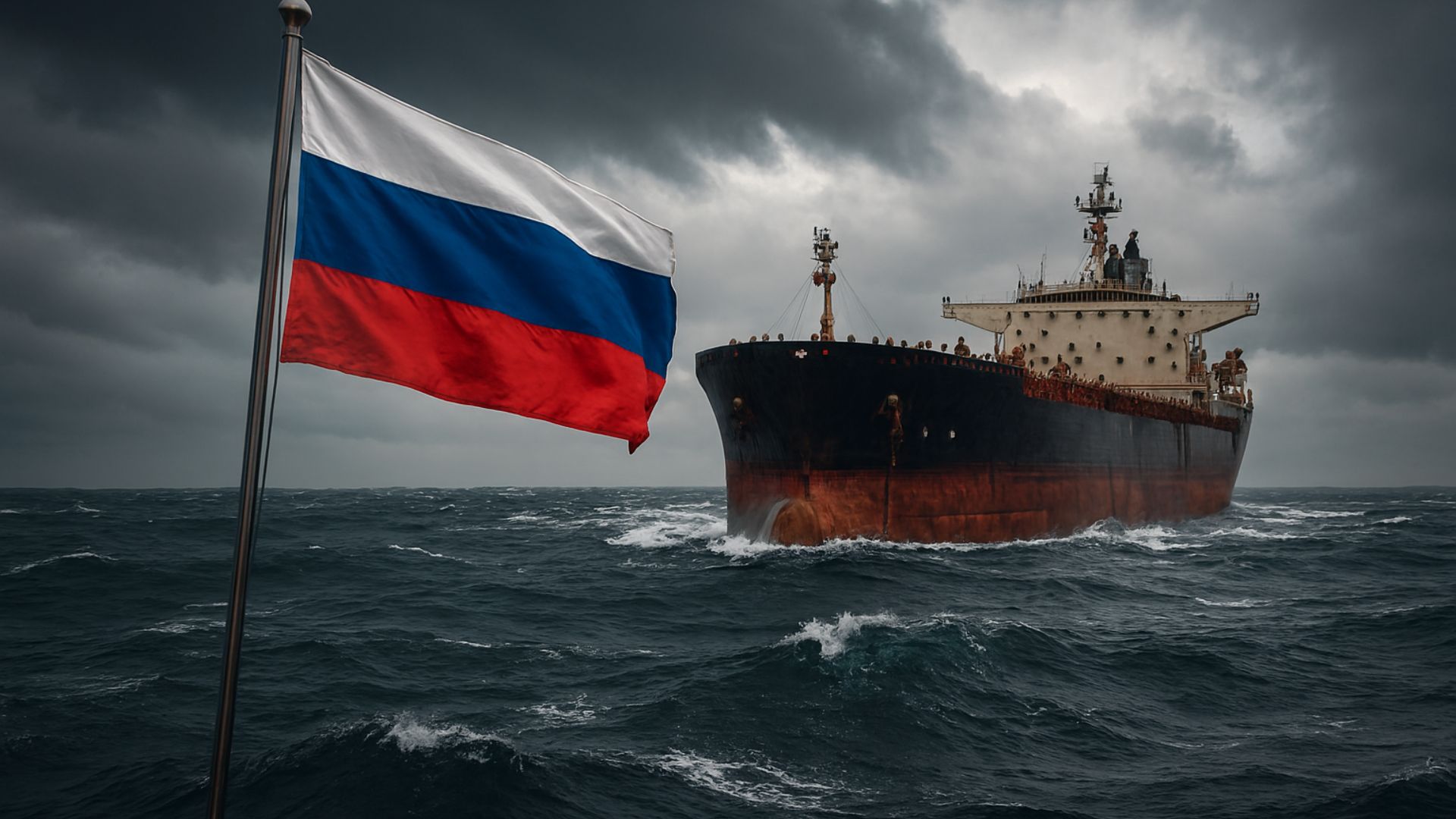
Russian Oil Tankers Accumulate Unprecedented Delays After New U.S. Sanctions, Leaving 180 Million Barrels Adrift and Intensifying Pressure on Maritime Routes and Global Trade, According to Recent Energy Sector Data
Tankers loaded with Russian Oil remain stranded at sea after sanctions imposed by the United States, creating a record backlog estimated at 180 million barrels adrift. This unprecedented volume pressures international prices and generates insecurity in global trade, highlighting the geopolitical and economic impacts of the episode. The situation has been revealed by data compiled from maritime analyses and tracking information cited by industry experts.
Immediate Impact on Global Oil Trade
According to information published by Brazil 247 and other outlets on Thursday (4), dozens of vessels transporting Russian oil are facing delays exceeding 20 days to unload, especially at Asian ports.
Moreover, many shipments continue towards the Suez Canal or the Pacific with no declared destination — behavior that has increased significantly after the tightening of financial and logistical restrictions imposed by the U.S.
-
Brazilian giant expands borders in the Southeast: Petrobras confirms new oil discovery in ultra-deep waters in the pre-salt of the Campos Basin.
-
Alert in the global energy market: Severe tropical cyclone hits the coast and disrupts gas production at major plants in Australia, threatening global supply.
-
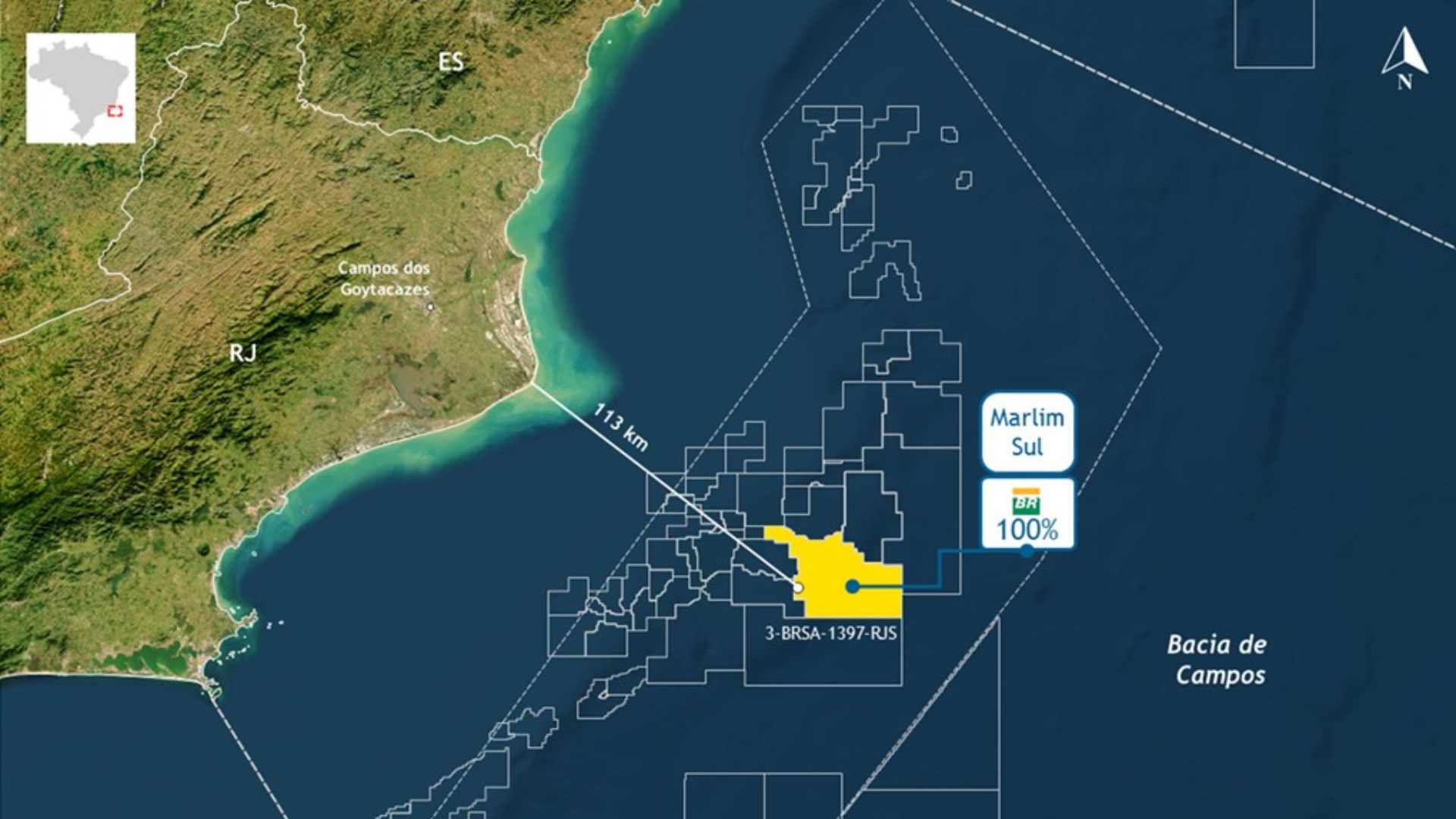
Petrobras finds high-quality oil in the pre-salt at 113 km from RJ and reignites expectations about strategic reserves in the Campos Basin.
-
Ocyan opens registrations for startups focused on innovation in the oil and gas sector and will select projects for Innovation Day with the support of Nexio.

This combination of factors creates an environment of instability. Once shipments are held for weeks, the actual availability of oil temporarily decreases, even though global production has not changed. This distorts prices and undermines market forecasts, directly affecting futures contracts and operations of major traders.
Increase in Idle Barrels and Rising Risks for Oil Tankers
Recent data indicates that the volume of Russian oil in transit without a declared final destination exceeded 1.47 million barrels per day in the 28-day period ending November 30. This trend has been growing since October when the U.S. expanded its list of sanctioned companies directly related to the export of Russian oil.
Consequently, oil tankers are taking longer, riskier, and more unpredictable routes. Several vessels that were supposed to dock in China or India are changing courses to areas with less regulatory oversight, which increases operational costs and transportation time.
Moreover, some vessels are turning off tracking systems for hours or even days, attempting to evade international monitoring. Although this practice is known in the maritime industry, its expanded use reinforces the severity of the situation and elevates the risks of accidents and spills, especially in heavily trafficked areas.
U.S. Sanctions Pressure on Russian Exports
The U.S. sanctions primarily affect Russian companies in the energy sector and logistics operators linked to maritime oil transport. As a result, traditional buyers — especially refineries in Asia — have begun to reject shipments identified as linked to sanctioned companies, fearing secondary penalties.
As such, Russia faces:
- Financial losses due to higher discounts demanded by the few buyers willing to take the risk.
- Increased logistical costs, as ships take longer to complete journeys.
- Uncertainties in export flow, complicating internal production planning.
Although Russia has increased the pace of shipments in recent weeks — with a daily average of 3.46 million barrels — the decline in international prices and applied discounts significantly reduce net revenue. In other words, even with more exports, the country is earning less.
How Maritime Routes Have Changed
One of the most notable points of the current crisis is the abrupt change in the routes used by oil tankers transporting Russian barrels. Previously, many vessels sailed directly to India or to refineries in China. Now, however, the situation has changed.
Many traditional routes are being avoided. Ships are diverting from the Red Sea — where there is geopolitical tension — and are now rerouting around the Cape of Good Hope, at the southern tip of Africa. This change can add 10 to 20 extra days of navigation.
In addition:
- Journeys along the ESPO route, between Kozmino and Chinese ports, are taking more than 12 days, while they previously lasted about eight.
- Long lines are forming at Chinese ports that have intensified inspections on suspicious vessels.
All these factors accumulate, making the scenario increasingly complex and difficult to predict.
Effects on International Oil Prices
With a large part of the barrels held, the global energy market is facing turbulence. Although global demand has not experienced significant changes in recent weeks, delivery difficulties are causing traders to adjust short-term projections.
Oil even recorded a price drop in early November, but soon after began to fluctuate again due to logistical uncertainty. Supply is technically available, but it is not reaching buyers at the expected pace. This “near scarcity” creates tension in the physical market, especially in regions heavily dependent on imports.
Furthermore, refineries that rely on Russian oil as an input need to turn to more expensive alternatives, raising their operational costs. Even though this scenario has not yet led to significant increases for end consumers, analysts warn that price pressures may arise if the problem persists.
Buyer Reactions and Reconfiguration of Supply Chains
As the impasse continues, buyers are reshaping their strategies to avoid risks. Some refineries are prioritizing contracts with suppliers from the Middle East, while others are diversifying sources in search of stability.
This movement is causing:
- A redesign of global trade routes.
- An increase in maritime insurance costs for vessels transporting oil from sanctioned countries.
- Greater scrutiny by navigation authorities and international entities.
This whole context indicates that the current crisis may provoke lasting changes in how global oil trade operates.
Evasion Practices and Limitations for Russia
Even in the face of many difficulties, Russia is trying to minimize losses. Some measures include:
- Use of older tankers, known as the “shadow fleet,” with no clear owner registration.
- Classification of some shipments as oil originating from Kazakhstan (KEBCO), which is not under sanctions.
- Diversification of smaller and intermediary buyers who accept greater risks in exchange for high discounts.
However, these strategies have limitations. They are expensive, risky, and may not be sustainable in the long term, especially if sanctions deepen.
Global Relevance and Future Developments
The accumulation of 180 million barrels stranded at sea is not just a logistical problem for Russia. It impacts the entire global energy supply chain, from major powers to emerging countries dependent on imports.
As the scenario evolves, analysts are considering three possible paths:
- Gradual Resettlement — with buyers slowly absorbing the retained shipments.
- Worsening Crisis — if sanctions increase or new actors refuse to buy Russian oil.
- Structural Redesign — with the emergence of new routes and permanent alternative markets.
Regardless of the outcome, the episode reinforces how vulnerable global trade is to geopolitical tensions and how sanctions can provoke worldwide collateral effects.
The crisis of the stranded ships illustrates that the global energy sector has entered a new cycle of unpredictability. The combination of sanctions, geopolitical disputes, unstable routes, and a record volume of oil adrift shows that the market reacts not only to traditional supply and demand but also to political factors that can emerge suddenly.








-

Uma pessoa reagiu a isso.