





 Portuguese
  English
  Spanish
  2 min of reading


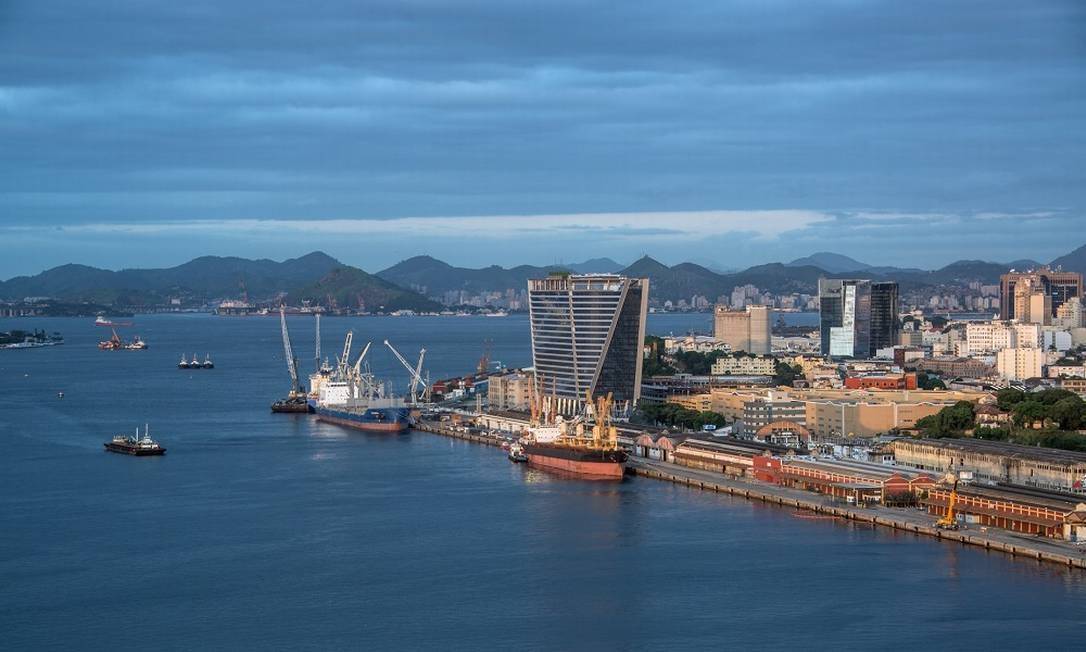
Ports and shipping companies are beginning to suffer the second decline in movements caused by the coronavirus pandemic, which continues to impact the Brazilian economy. The first decline in cargo movements at ports was triggered by the shutdown of China. Now, the ports are experiencing low movements due to decreased Brazilian demand, caused by the economic downturn and the shutdown of factories and stores in the country.
See Also:
- 15 Positions for Production Operators and More Opportunities in Logistics and Transportation by JBS on April 15
- Job Opening for Crane Operator III for Temporary Oil and Gas Project on April 15
- For Macaé, Multinational Sodexo Announces Offshore Job Opening for Higher Education Level in the Position of Manager Today, April 15
Even with the gradual return of the Asian market, Brazilian ports are expected to have several trips canceled or suspended in the next three weeks, according to Luigi Ferrini, Vice President in Brazil of the shipping company Hapag-Lloyd.
-
Historic bankruptcy of Centauro shocks the market, and the century-old company puts more than 500,000 products, machines, and complete infrastructure up for online auction.

-
Unemployment rises again to 5.8% at the beginning of 2026, raising alarms about the end of temporary positions and its impact on the Brazilian job market.

-
Document organization can cut invisible costs in small businesses, a simple step that prevents waste, rework, and losses in daily operations.

-
Chinese giant worth nearly R$ 4 billion that manufactures cables for electric cars, solar energy, and robotics wants to open a factory in SC.


In addition to the shutdown of activities in Brazil, currency fluctuations are another factor that may be directly influencing imports and generating insecurity, according to the President of Brazil Terminal Portuário (BTP), one of the largest container operators in Santos.
With the high dollar and the long time taken for trips (lasting up to 1 month), it becomes difficult to predict what the exchange rate will be when the imported cargo arrives in Brazil.
On the other hand, while imports are decreasing, the scenario is different for Brazil regarding exports. The high dollar in this case is a favorable factor, and the record harvest of grains also contributes to the export volumes of the Brazilian economy. Moreover, since the exported products are primarily food, which is undeniably necessary, the expectation is that consumption will not drop, or will only decrease slightly.
With the drop in imports and the rise in exports, a logistical problem arises: the lack of containers. This same problem was faced in an initial phase when there was a buildup of containers in Asia, impacting even other countries around the world.
The previously proposed solution was to send additional vessels with empty containers; however, with these new cancellations, the scarcity is once again a concern, according to Ferrini from Hapag-Lloyd.








Seja o primeiro a reagir!