





 English
  Francês
  Alemão
  Italiano
  Japonês
  Norueguês
  Portuguese
  Spanish
  4 min of reading


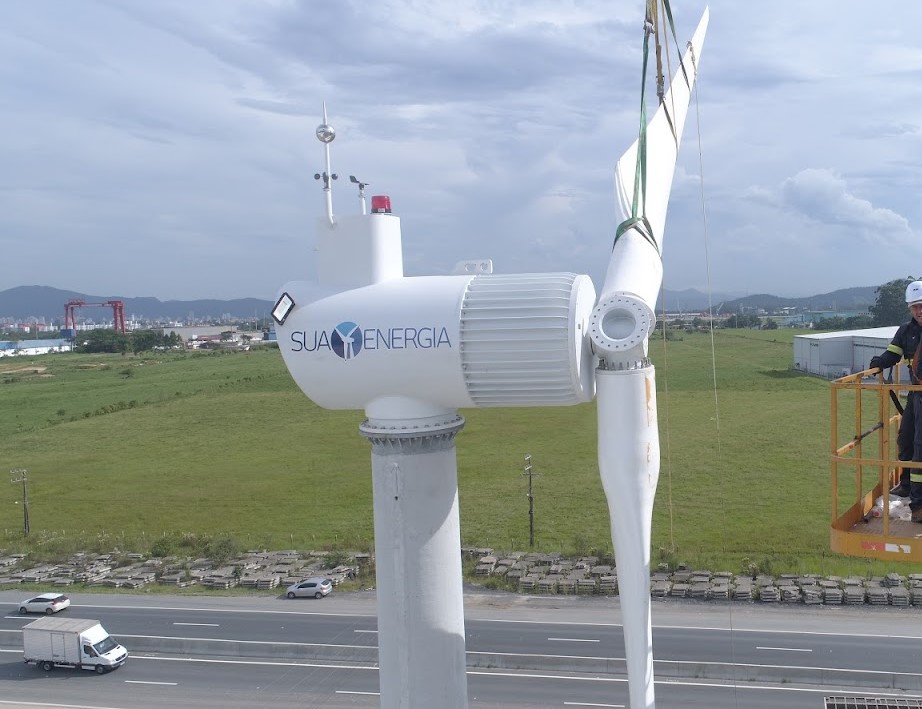
The Company Went to Closely Know the Renewable Energy Programs of Scotland to Meet Demands Here in Brazil Without the Need for the Distributors’ Network
With the aim of distributing electricity through wind power, representatives from Sua Energia SA Wind Power went to Edinburgh, the capital of Scotland, to closely understand the existing renewable energy programs in the United Kingdom. The CEO of the Brazilian company, Júlio Paz, and his partner, Ana Lúcia Flores, were received by the international business facilitator, Russel Dalgleish, one of the most influential figures in the Scottish government.
The goal of Sua Energia is to meet the demands of the industry, commerce, and agriculture directly at the point of consumption, with its own storage. “In the coming years, we want to do something similar to the Scottish plan. For this, a study is necessary to professionalize and ensure security for the consumer,” emphasizes the CEO, Júlio Paz. The company, based in Itajaí (SC), aims to distribute clean energy without the need for transmission networks, starting in 2024.
The United Kingdom plans to achieve zero carbon emissions by 2050. The share of wind energy in the electrical matrix of that region reached 60% in August 2020, according to the National Grid. Currently, this renewable energy represents 40% of all production there. In Brazil, wind energy accounts for 12% of the energy matrix.
-
With 160,000 m² of collectors, an area larger than 20 football fields, Silkeborg, in Denmark, hosts a solar thermal plant that heats 19,500 homes and could become the largest solar heating plant in the world.

-
A study reveals the expansion of renewable energy procurement in Brazil and shows how companies are taking advantage of opportunities to reduce expenses, ensure energy efficiency, and strengthen strategic environmental commitments.

-
Mato Grosso do Sul excels in the sugar-energy sector: the state reaches a milestone of 22 operating mills and accelerates the production of clean energy in MS with a focus on sustainability.
-
National energy dilemma: Brazilians support clean energy but reject increases in tariff costs to finance the sustainable transition.
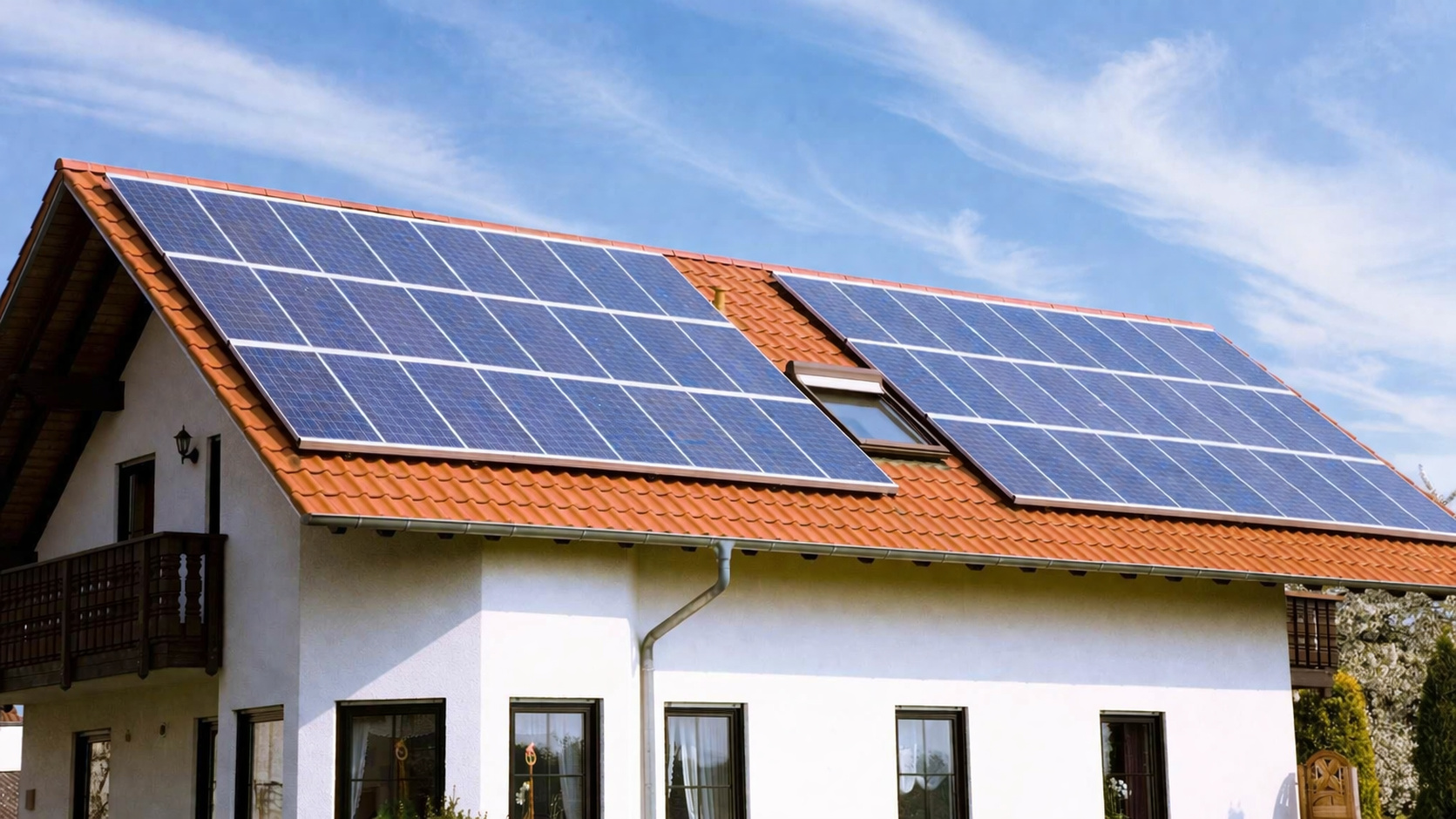

Brazil has great potential in producing clean energy from wind, especially due to its extensive coastline of almost eight thousand kilometers. “We are betting on this clean energy system of small and medium generation, since our system has environmental clearance minimizing installation bureaucracy. We also assert that the system takes up less space than photovoltaic panels, for example, and does not depend on the angle related to the sun, in addition to generating energy at night,” says Júlio Paz.
The Scottish Recognition of the Boldness from Santa Catarina
On his official LinkedIn account, Russel Dalgleish reported the meeting with representatives of Sua Energia. “Júlio has built a wind energy business rich in IP (Intellectual Property) in his home country, Brazil. He was drawn to visit Edinburgh after understanding that Scotland was the ideal place to base his business and fulfill his global ambitions,” he posted.
Russel Dalgleish plays an important role in Business and Trade, which is the UK’s Department of Business and Trade, promoting investments abroad and advocating for free trade. He is also a full member of the Scotland Business Council, one of the 100 most influential British entrepreneurs in the world, among other globally significant qualifications.
Returning to Sua Energia, it is an intellectual property company that produces and imports wind turbines since 2018 and also develops studies for wind energy generation for micro-generation. Currently, the
company has a waiting list for 200 turbines of 75kW for some cooperatives in Bahia. “We want to conduct all studies first and complete an installation overcoming all the barriers faced to date in the project,” says Júlio Paz. The businessman does not rule out the possibility of opening a branch in Scotland to integrate studies with the Scottish government.

Wind Energy in Brazil
Currently, Brazil has 24.13 GW of installed wind energy capacity. In total, there are 869 wind farms in the country across 12 states, totaling nearly 10 thousand wind turbines in operation, all onshore. The data comes from the Brazilian Wind Energy Association.
Despite all the potential, much remains to be explored, such as offshore production. Recently, Petrobras signed a letter of intent with Equinor to evaluate the technical, economic, and environmental feasibility of seven wind energy generation projects along the Brazilian coast, with the potential to generate up to 14.5 GW.
In the Federal Senate, the regulatory framework for offshore energy is under consideration. The Bill (No. 576/2021) is authored by Senator Jean Paul Prates (PT-RN), aiming to define rules for the exploration of wind, solar, or tidal energy in offshore areas and also in internal water bodies, such as lakes.
Meanwhile, at least 66 projects for the installation of offshore wind turbines have been presented and are under analysis by the Brazilian Institute of the Environment and Renewable Natural Resources (Ibama). The expectation of ABEEólica is that this generation begins in 2027.










Seja o primeiro a reagir!