





 Portuguese
  English
  Spanish
  4 min of reading
  0 comments


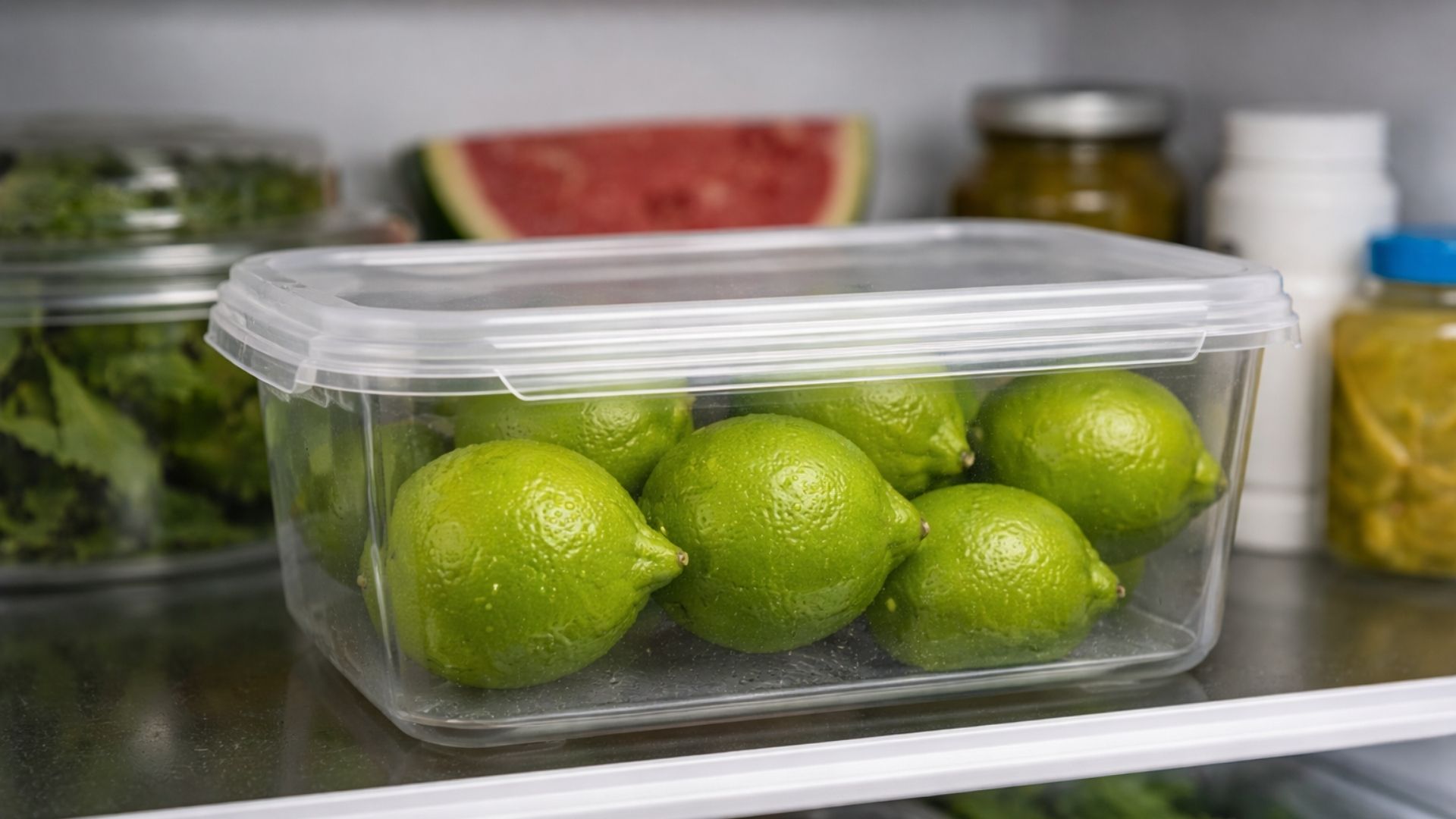
The preservation of lemon depends on temperature, humidity, and storage method, factors that directly influence the flavor, texture, and durability of the fruit in daily life, especially in domestic environments where climatic variations accelerate quality loss and increase waste.
Lemon remains one of the most common fruits in Brazilian cuisine, appearing in drinks, desserts, marinades, and savory dishes, but the way it is stored makes a direct difference in durability, flavor, and waste.
Contrary to what is circulated in generic tips, the refrigerator remains the best choice for preserving lemon for longer at home, as long as the fruit is protected from moisture loss, preferably in a closed bag or well-sealed container.
In practice, a fruit bowl may only work when the intention is to consume quickly.
-
Theories about UFOs have resurfaced strongly after an aerospace scientist and a general linked to the Roswell case mysteriously disappeared in the United States within a few months, and even the FBI was called in to investigate.

-
It has only 11 thousand residents: Brazilian Tuscany impresses everyone with mountains of 1,900 meters and wide views of valleys.

-
Without experience and without giant machines, a young person builds a complete house made only of wood in 30 days, impressing with talent and a surprising final result.

-
12-year-old student builds gravity-powered solar tracker with recycled parts and under $25 that increases panel efficiency by 20% and will now present the invention in Washington as the national STEM champion.


At room temperature, lemon maintains quality for only a few days, especially in warmer places, while refrigerated storage reduces drying out and helps preserve texture, aroma, and acidity.
For domestic use, the safest advice is to keep whole fruits in the vegetable drawer or in a closed package inside the refrigerator, avoiding direct exposure to cold air.
How to preserve lemon for longer at home
The idea that lemon “should not go in the refrigerator” does not hold when observing technical and preservation recommendations.

Lemon performs better post-harvest in a cool and humid environment, with an ideal temperature between 12°C and 14°C and high relative humidity.
At home, since there is rarely a space with such fine control, refrigeration ends up being the most efficient alternative to prolong the fruit’s shelf life.
Besides temperature, the central point is to avoid water loss.
When lemon is left loose in the refrigerator, unprotected, the skin tends to dry out, and the fruit loses juiciness more quickly.
Therefore, experts recommend storing the fruits in a sealed plastic bag or closed container before putting them in the refrigerator.
This simple care reduces dehydration and keeps quality for longer.
Refrigerator or fruit bowl: which to choose in daily life
Those who plan to use lemon in one or two days can leave it outside the refrigerator, in a cool, dry place, protected from the sun.
Still, this choice serves more for practicality than for prolonged preservation.
In hot kitchens, with little ventilation or large temperature variations, the fruit tends to lose firmness sooner, and the skin may start to wilt before expected.
For larger purchases or for those who use lemon gradually throughout the week, the refrigerator is the safest option.
The advice is to keep citrus fruits refrigerated to extend durability and reduce losses.
In other words, the fruit bowl is not the villain in all situations, but it is also not the best choice for longer storage.
How to store lemon after cutting

Once cut, lemon requires more care.
The exposed surface loses water quickly, absorbs odors easily, and is more susceptible to changes in flavor and color.
Therefore, the reliable recommendation is to store the remaining part in the refrigerator, with the cut side protected, in suitable food wrap, a covered container, or a hermetic bag.
The ideal remains to consume as soon as possible, but refrigeration and sealing help maintain quality for longer.
This point corrects a widely repeated guideline on social media, which suggests that simply leaving the cut lemon in filtered water for 24 hours would suffice.
There is no consistent technical support that treats this method as the main standard for domestic preservation.
What appears with more solid backing is the need for refrigeration and protection against contact with air.
When the fruit has already been sliced or squeezed, quick use remains the most indicated option.
How to avoid waste when using lemon
Buying only the amount that will be used in a few days remains an efficient strategy, especially for those who do not usually cook frequently.
Still, waste does not depend only on the quantity purchased but also on the way it is stored.
Whole, dry, and protected lemons in the refrigerator tend to last longer than fruits left exposed on the counter, especially in hot periods.
The fruit’s versatility helps in complete utilization.
The juice can be used in sauces, marinades, drinks, and desserts.
Meanwhile, the peel, when cleaned and in good condition, can be used for zest in cakes, creams, and savory preparations.
This integral use makes sense especially when preservation has been done correctly, without excessive drying or significant loss of aroma.
What really works in practice
In domestic use, the scenario is less mysterious than it seems. For quick consumption, lemon can be left outside the refrigerator for a short time, as long as it is away from heat and direct light.
To last longer, the best way is refrigeration, preferably with protection against moisture loss.
After cutting, the rule is stricter: closed container and refrigerator.
The combination of low temperature and sealing is the best way to preserve the fruit at home, even if the ideal technical storage temperature is above that of many refrigerators.





Seja o primeiro a reagir!