





 Portuguese
  English
  Spanish
  3 min of reading
  9 comments


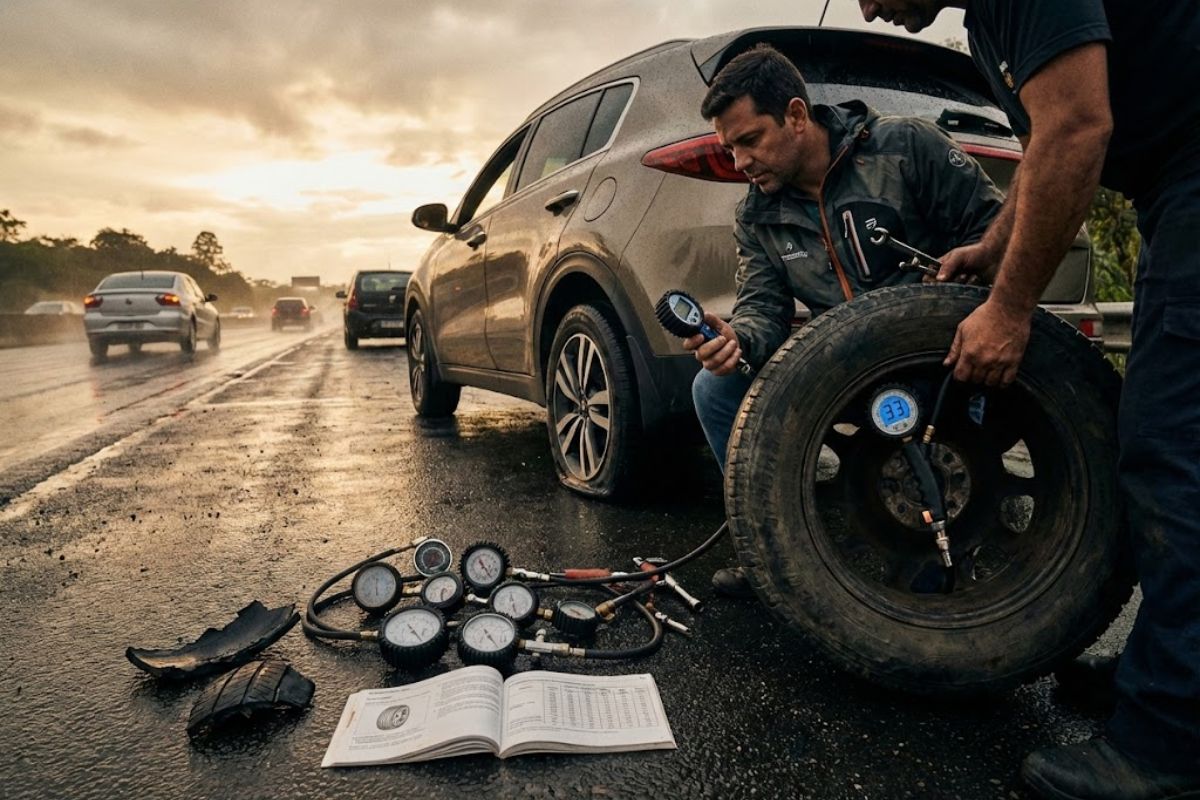


Tire Inflation Varies According to The Model and Weight Carried, Experts Say; Checking The Manual, The Sticker On The Door Frame Or The Fuel Tank Lid Prevents Errors. For Traveling, Medium Cars Are Typically At 32 To 33 PSI And SUVs Near 34 PSI Always Before.
The tire inflation is one of the most neglected checks before traveling, and this becomes a problem because using a “universal number” can compromise grip, braking, fuel consumption, and even the durability of the tires during hours of highway driving.
According to experts and technical manuals, the ideal inflation depends on the type of vehicle and the weight carried. With more luggage and passengers, reviewing the pressure before the trip becomes a direct step to reduce risks and improve performance.
Why “Standard Inflation” Can Be Dangerous
The tire inflation is essential in accident prevention. Exceeding or not reaching the proper level can affect the grip, performance, and durability of the tires, especially when the car is going to run longer and with more load.
-
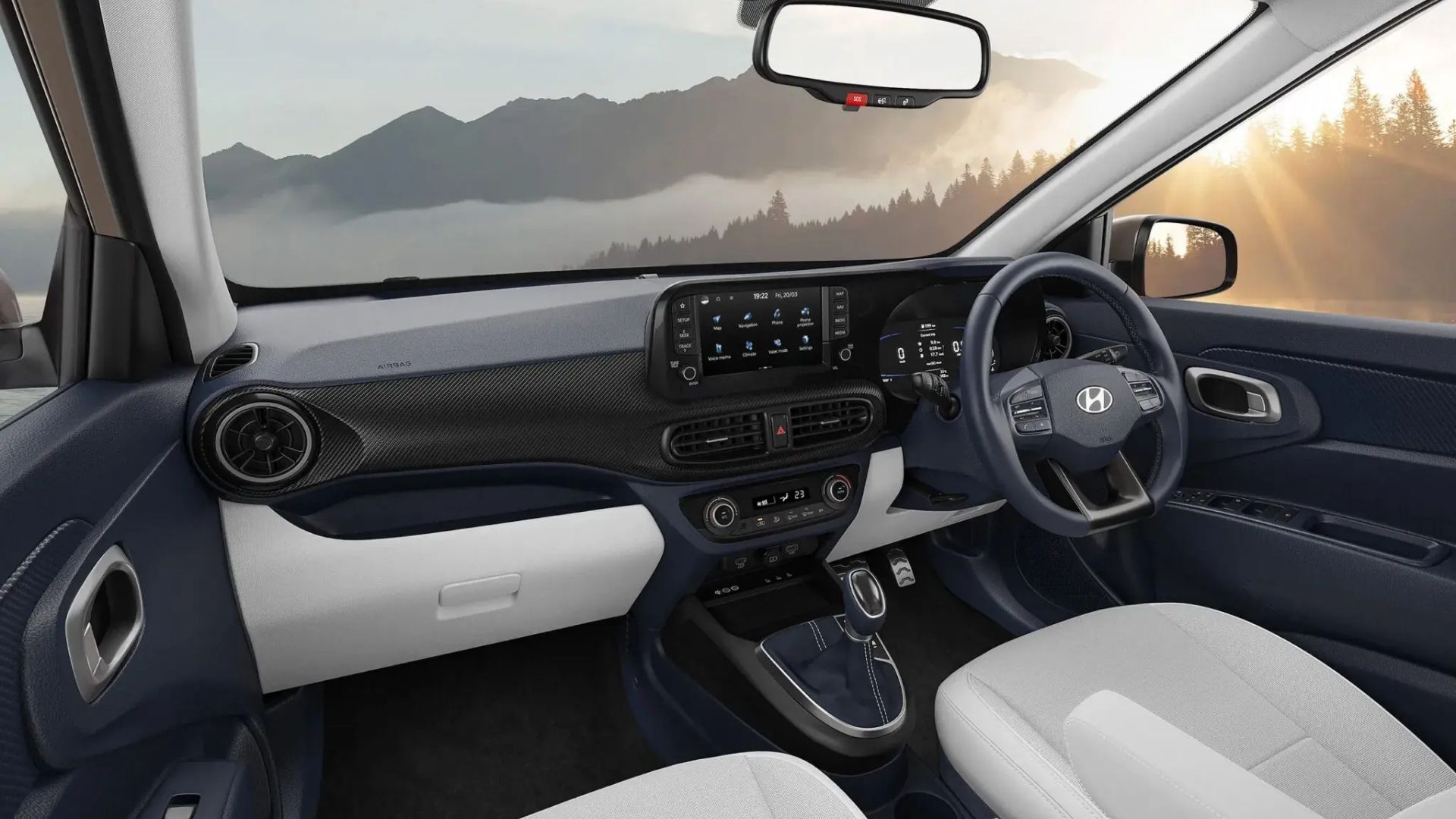
For R$ 32,000, a brand new Hyundai car is a rival to the Kwid with a 1.2 engine producing 82 hp, 6 airbags as standard, multimedia with wireless Android Auto, up to 391 liters in the trunk, and a refreshed look for 2026 in India.
-
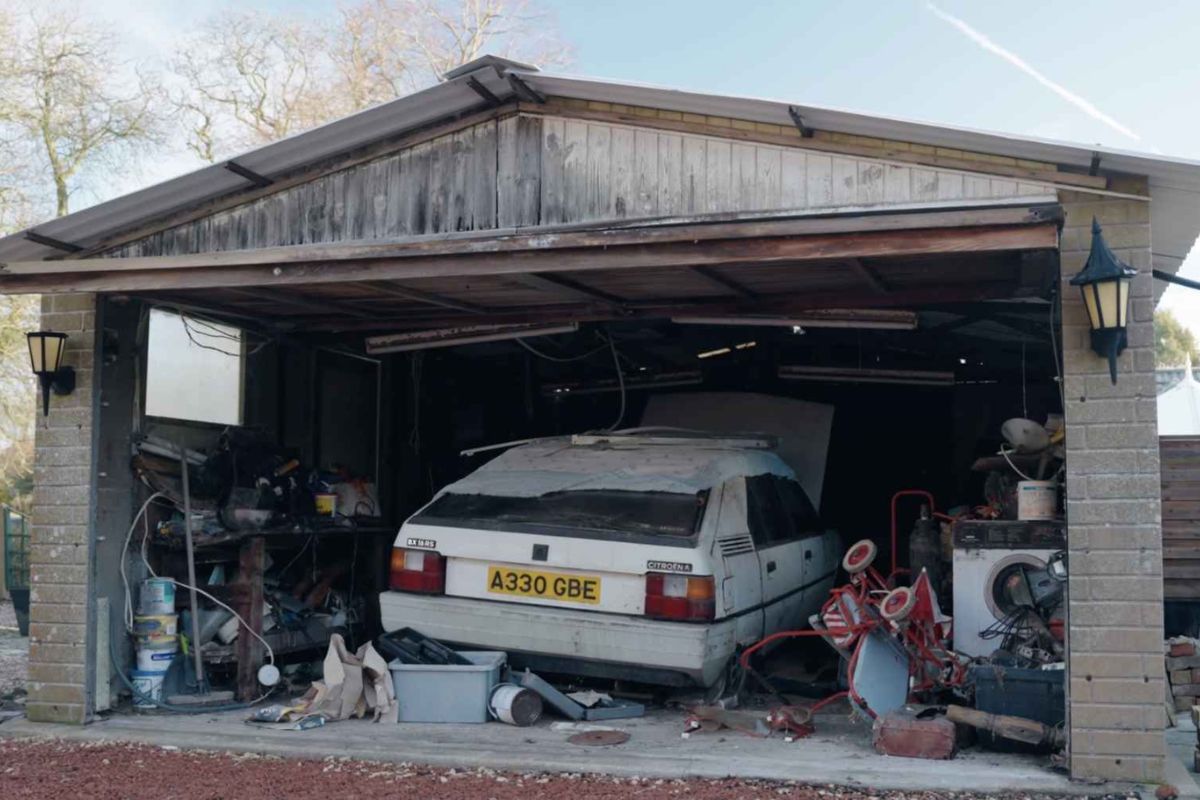
He bought a new car in 1983, locked it in the barn in 1988, and no one opened the door for 38 years until the family discovered what was stored inside and realized it looked like something out of a movie.
-
A 250cc motorcycle that can reach 560 km with a 14-liter tank, features disc brakes on both wheels and is among the most well-known in Brazil.

-
Man finds over 200 rare cars abandoned on a lot and tries to do the impossible in 8 hours with a surprise at the end.


Another important point: the recommendation is to not adopt universal numbers without consulting the manufacturer’s manual, because the correct value changes according to the model and usage conditions.
Where To Find The Right Inflation For Your Car
To get the tire inflation right, experts recommend checking information in three places:
- Owner’s Manual
- Sticker On The Driver’s Door Frame
- Inside The Fuel Cap Lid
These points provide the manufacturer’s specific guidance, which is the main reference.
General Recommendations For Tire Inflation On The Road
Even with the need to follow the manual, the text provides guideline ranges for trips:
- Medium Passenger Cars: the tire inflation usually ranges between 32 and 33 PSI, helping to support the extra demands of luggage and passengers.
- SUVs: may require slightly higher values, around 34 PSI, due to body, wheel, and volume characteristics.
Golden Tip Before Hitting The Road
The general recommendation is to make the tire inflation with slightly higher pressure than that used in urban traffic.
This helps the tire cope with the prolonged demands of travel, with temperature changes, and reduces the risk of premature deformation of the tread.
Golden Rules For Maintenance Before The Trip
Some practical care reinforces safety:
- Always When Cold: do the tire inflation before leaving, or after the car has been parked for a while. With a hot tire, the reading can be distorted and lead to incorrect adjustments.
- Tread Depth Limit: the tread depth should never be less than 1.6 mm. Below this, the tire is considered “bald,” increasing the risk of aquaplaning and skidding.
- Spare Tire Counts Too: it’s recommended to inflate the spare tire with a few extra pounds compared to the main tires, as it may be stored for months.
- Alignment And Balancing: should be done every 10,000 kilometers to maintain uniform wear and stable steering.
Impact On The Wallet And Safety
The tire inflation directly influences fuel consumption and vehicle control:
- Tires below the recommended level increase rolling resistance and raise fuel consumption.
- Tires above the recommended level reduce the contact area with the pavement, which can cause vibrations and make braking imprecise.
When To Change The Tires
The mentioned guidelines suggest replacement:
- every 60,000 kilometers, or
- between 5 and 10 years of manufacture.
There is also a warning: after 4 years, the rubber tends to lose original elasticity and grip properties.
What To Do If Flat Or Blowout On The Road
If there is a flat or blowout during the trip:
- Gradually Reduce Speed
- Avoid Sudden Maneuvers Or Aggressive Braking
- Stay In Low Gear, Turn On The Emergency Lights, And Look For A Spacious And Safe Place On The Shoulder To Change It
Quick Question: Do You Usually Check The Tire Inflation In The Car Manual Or Do You Just Go With The “32, 33, 35” That’s Usual?










Faço a calibração a cada abastecimento e conforme o manual e nunca tive problemas mas cada um cada um.
Utilizo a calibragem indicada no manual. Calibro a cada 15 dias no máximo. O estepe, uso o wue o fabricante indica, 60l.
Palhaçada!!! Sempre usei e uso 37.
36… 37
Nunca estourou um pneu
Pelo contrário… aguenta bem
36/37…aro 18