





 Portuguese
  English
  Spanish
  3 min of reading
  0 comments


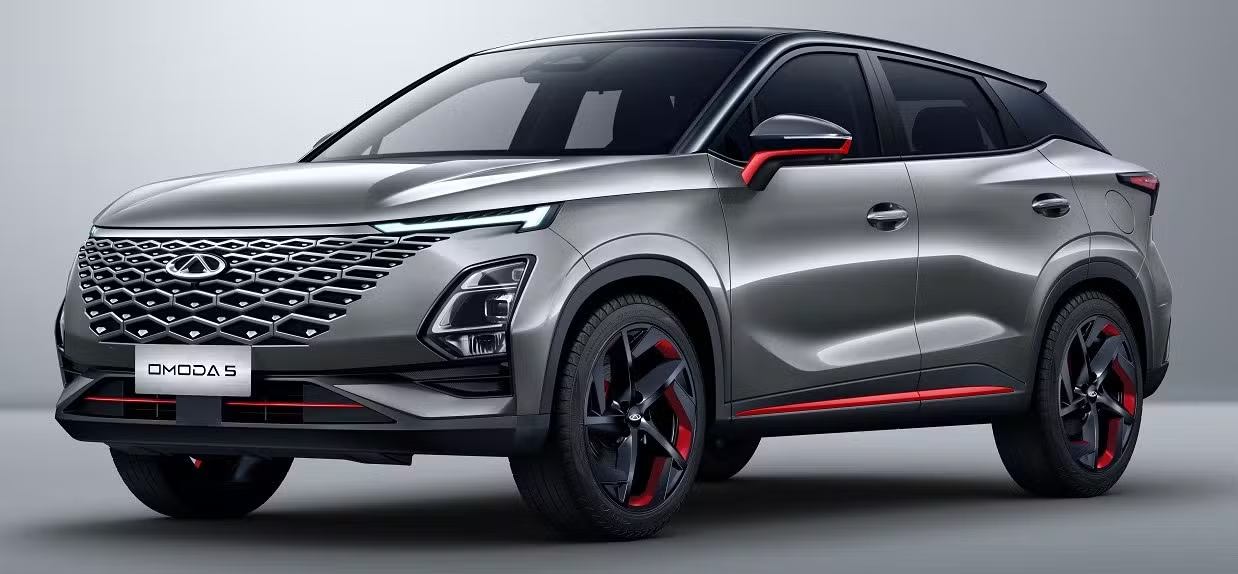
Neither BYD Nor Xiaomi: A New Chinese Brand Is Surpassing Tesla with Its Impressive Electric Car Engine.
The global automotive market is undergoing a major transformation, and Brazil is not left out of this revolution. The competition for space among electric car brands is fierce, and recently a new contender has caught attention, leaving giants like Tesla, BYD, and even Xiaomi behind in some markets, such as Spain.
This new player consists of the Chinese sub-brands Jaecoo and Omoda, from the Chery group, which have stood out not only for their design and innovation but mainly for the performance of their new engine, which surpassed Tesla in sales in the Spanish market.
The sub-brands Jaecoo and Omoda were created by the Chery group with the aim of expanding their presence in international markets such as Spain, Russia, the United Kingdom, South Africa, Mexico, and now Brazil.
-
Goodbye expensive popular car: electric vehicle for less than R$ 70,000 starts being sold in Brazil with a range of 200 km and targets those looking to escape gasoline.
-
China Surprises Automotive Industry With Battery That Promises Electric Car Able to Run Up to 1,000 km Without Recharge
-
Why BYD Grew So Fast in Brazil and How Blade Batteries, Electric Cars, and Industrial Incentives Shaped This Expansion in the National Automotive Sector
-
Electric Cars Make Progress in Brazil in 2026 and Promise to Reduce Drivers’ Costs with Cheaper Energy, While Infrastructure Grows Slowly Across the Country


In Brazil, sales of the Omoda 5 and Jaecoo 7 SUVs will begin in the first quarter of 2025. Additionally, Chery is planning local production in Jacareí (SP), where hybrid flex engines will also be manufactured, currently being tested in the Omoda 5 model.
Success in Spain
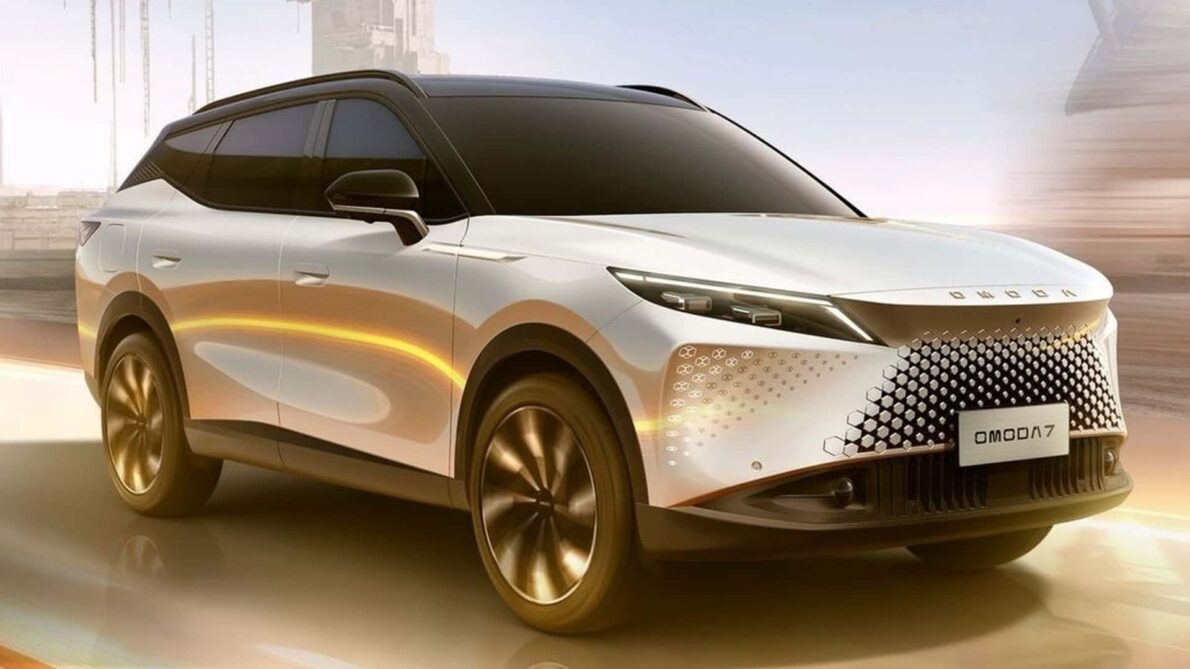
In August, Omoda surpassed established brands like Tesla, Jeep, and Fiat, selling 744 vehicles in the Spanish market, while Tesla sold 549 units.
This result is impressive, especially considering the short period of the brand’s operations in the country, which began in March of this year. The key to this success was the Omoda 5, a compact SUV that directly competes with the Nissan Qashqai and MG HS.
Expansion in Brazil: Innovation and Local Production
The arrival of Jaecoo and Omoda in Brazil promises to shake up the local market. With plans to launch up to 10 different models in the next two years, all in the SUV segment, expectations are high.
Initially, the cars will be imported, but local production is already in sight, including the manufacturing of hybrid flex engines, which could represent a competitive advantage in the Brazilian market, where fuel considerations are always an important factor.
Furthermore, the company has already mapped out 50 points of interest for dealerships across the country, demonstrating an aggressive plan to win over the Brazilian public. Chery’s ambitious goal is to sell 30,000 cars a year in Brazil, in addition to exporting to other countries in South America.
Technological Innovations and Cutting-Edge Engines
The Omoda vehicle lineup includes gasoline models as well as electric and plug-in hybrid versions, catering to different market demands.
The T1X architecture, one of Chery group’s main platforms, is the basis for vehicles like the Omoda 5 and Omoda 7, ensuring versatility in terms of space and ground clearance, which are fundamental characteristics for SUVs and crossovers.
For electric vehicles like the Omoda E5, the brand uses 204-horsepower synchronous permanent magnet motors, powered by a 61.06 kWh lithium iron phosphate (LFP) battery supplied by CATL, one of the world’s largest battery manufacturers.
These engines stand out for their energy efficiency and long durability, placing Omoda’s electric models on a high level in terms of technology and performance.









Seja o primeiro a reagir!