





 Portuguese
  English
  Spanish
  4 min of reading
  10 comments


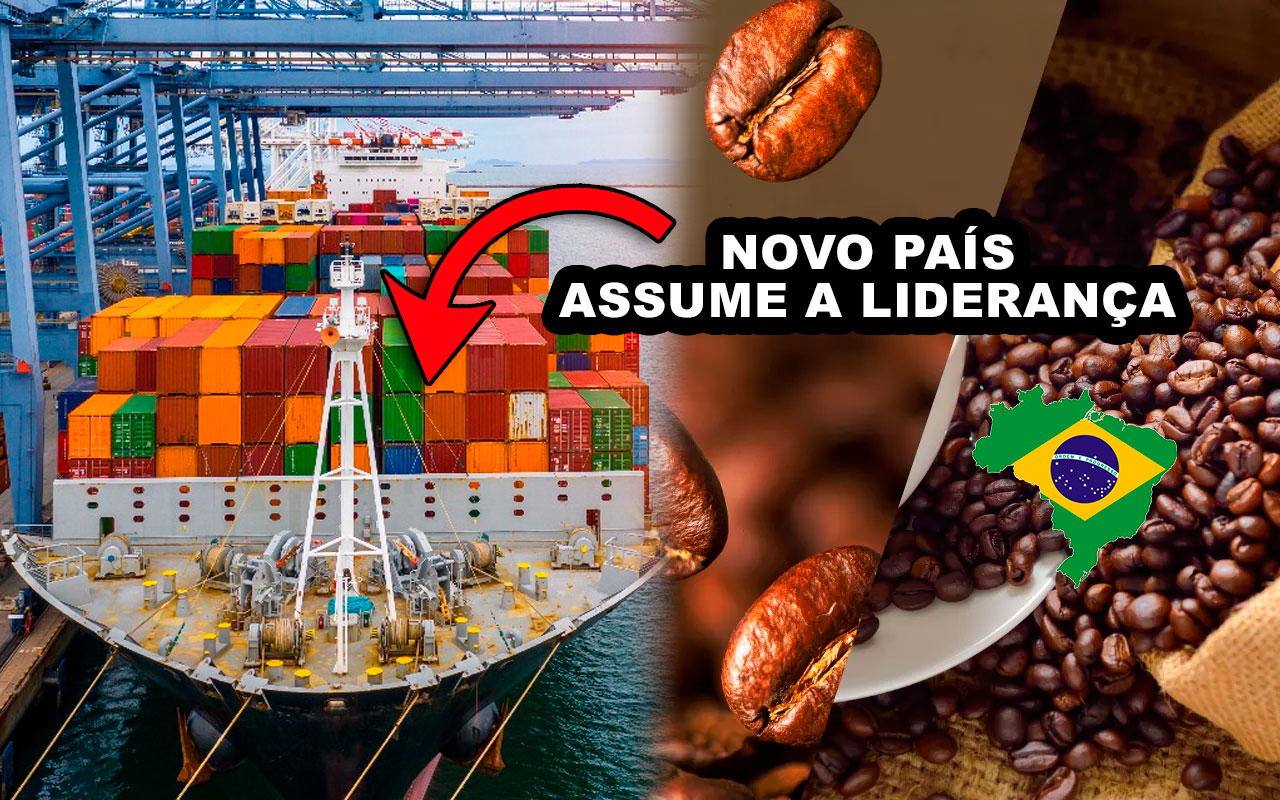


50% Tariff In The US Impacts North American Imports, Germany Takes The Lead, Volume Falls 17.5% And Revenue Rises 12.7%
In August, Germany surpassed the United States to become the top buyer of Brazilian coffee. According to Cecafé, the Germans imported about 414 thousand bags of 60 kg, while the US imported 301 thousand bags, already feeling the impact of the 50% tariff imposed by the US government since August 6, 2025. This shift reshaped, at least for the month, the geography of the coffee trade.
The monthly balance from Cecafé shows that Brazil exported 3.144 million bags in August, a decrease of 17.5% compared to the same month in 2024. Despite the drop in volume, revenue rose by 12.7%, reaching US$ 1.101 billion, supported by higher international prices.
For the sector, the monthly turnaround has a direct explanation: the US surcharge made the entry of Brazilian coffee into the US more expensive and shifted some of the demand to Europe and Latin American neighbors. Cecafé reported jumps in sales to Mexico and Colombia during the month, while confirming that re-exporting beans through third countries is not a viable alternative, as it would be easily detected by US authorities.
-
Larger than entire cities in Brazil: BYD is building a 4.6 km² complex in Bahia with a capacity for 600,000 vehicles per year, but the discovery of 163 workers in conditions analogous to slavery has shaken the entire project.

-
With an investment of R$ 612 million, a capacity to process 1.2 million liters of milk per day, Piracanjuba inaugurates a mega cheese factory that increases national production, reduces dependence on imports, and repositions Brazil on the global dairy map.

-
Brazilian city gains industrial hub for 85 companies that is equivalent to 55 football fields.

-
Peugeot and Citroën factory in Argentina cuts production by half and opens a layoff program for more than 2,000 employees after Brazil drastically reduced purchases of Argentine vehicles.


What Changed In August: Tariff And Demand Shift
The 50% tariff came into effect in the US on August 6, 2025, affecting Brazilian products, including coffee. The measure cooled negotiations with US roasters and led buyers to delay shipments, according to the exporting sector itself. Meanwhile, exchange rates and rising commodity prices boosted prices, helping to maintain Brazilian revenue even with fewer bags shipped.
According to executives interviewed by the press, circumventing the tariff by sending raw beans through third countries does not work. Besides the risk of punishment, the origin of the coffee is traceable through documentation and product characteristics. In other words, the structural redirection of flow depends on new contracts with other destinations, not on logistical shortcuts.
In the short term, data indicates that markets such as Germany, Mexico, and Colombia absorbed some of the volume that would have gone to the US. This change occurs amid a global landscape of tighter supply and demand, which increased volatility and pushed prices up at the end of August.
August Numbers Show Less Volume And More Revenue
Brazil shipped 3.144 million bags in August, down from 3.813 million a year earlier. The revenue of US$ 1.101 billion confirms the price effect, with contracts closed at higher levels. This disconnect between volume and revenue is typical in pressured markets, where lower supply and regulatory uncertainty sustain the payment per bag.
For destinations, the monthly snapshot placed Germany at the forefront, with 414,109 bags, and the US in second place, with 301,099 bags. The difference was enough to reverse the historical order of the month, something rare, and indicates that price pass-through and the tariff are weighing on American appetite.
For the soluble industry, the impact was even more visible. Brazilian exports of instant coffee to the US fell by almost 60% in August, a direct effect of the tariff on industrialized items, which can make the product more expensive on American shelves.
Year-To-Date, The US Still Leads, But For How Long?
In the segment from January to August, the US remains the top destination for Brazilian coffee, with 4.028 million bags, followed by Germany. Still, the sector acknowledges that the advantage may shrink if the 50% tariff persists and if buyers maintain the strategy of diversifying sources.
Cecafé also indicates that, during the same period, total volume shipped fell 20.9%, while revenue reached US$ 9.668 billion, a record for the period, reaffirming the role of international prices in supporting the sector’s currency.
Meanwhile, companies and entities are evaluating scenarios for COP30 in Belém, and for trade negotiations that could redefine tariff and sanitary preferences. Any sign of tariff relief in the US or new barriers in other markets is likely to shift the buyer order again.
For you, is this shift a temporary adjustment or the beginning of a structural change in Brazilian coffee trade? Is the 50% tariff a legitimate negotiation strategy or a self-inflicted wound that raises the cost of the drink and distorts the market? Share your opinion in the comments, and let us know if Brazil should seek new agreements or confront the surcharge’s removal.









Creio que essa tarifa é equivocada,e o Brasil, deve trabalhar outros mercados,aumentando seu leque de exportação do produto.
Deve procurar novos parceiros com certeza, na se curvar para os EUA.
O Brasil deve procurar novos parceiros e não se curvar aos Estados Unidos.