





 Portuguese
  English
  Spanish
  4 min of reading
  0 comments


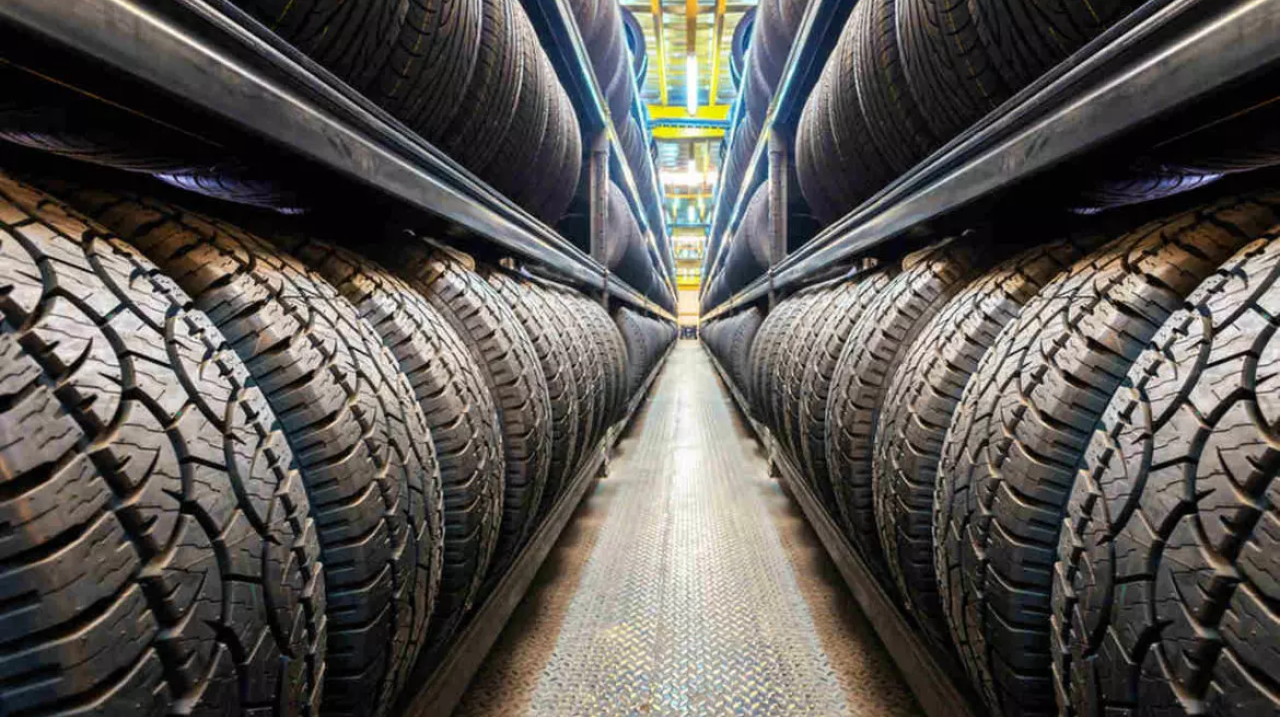
The Danish Company Stands Out For Its Production Of Miniature Tires And Now Adopts Sustainable Practices For An Ecological Future
Lego, globally known for its building block toys, stands out as the largest tire manufacturer in the world, surpassing giants like Michelin, Goodyear, and Pirelli. Annually, the Danish company produces over 300 million miniature tires, a number that places it ahead of the competition in the market.
These tires are used in a variety of sets, including cars, trucks, and other constructions that are part of the vast Lego universe.
Lego’s Sustainable Commitment In Tire Manufacturing
In an initiative aimed at a more sustainable future, Lego is reformulating its production process to reduce the use of fossil materials.
-
Millions of people have been eating yam for centuries without knowing that this humble tuber contains a compound called diosgenin, which scientists have now discovered can improve memory and help control blood sugar levels.

-
Costing R$ 16,000, the new Yamaha features a 125 cc hybrid engine with electric assistance, delivers 8.3 hp, includes ABS, optimized fuel consumption, Y-Connect connectivity, 25 liters of storage space, and a surprising 4-year warranty in the urban segment.

-
Scientists from an international project drill 1,800 meters of ice in Antarctica using hot water and discover details about one of the most intriguing places on planet Earth.

-
Seen from space, a colossal volcano nearly 5,000 meters high in Russia has released 1,600 km of smoke over the Pacific, forming “devil’s horns” of lava and revealing the brutal force of the Ring of Fire.


The company has set an ambitious goal to eliminate petroleum-derived plastics by 2032, focusing first on the rubber used in its tires. This change is part of a larger commitment by the company to sustainability, which aims not only to improve its environmental footprint but also to inspire youth to be more conscious about the environment.
Recycled Materials: The New Era Of Lego’s Tires
The solution found by Lego involves the development of a new material that incorporates recycled waste. Among these materials are discarded fishing nets, marine ropes, and used motor oil.
The expectation is that more than 30% of the composition of new tires will be made from these repurposed materials. The first models are already available in some sets, and the forecast is that by the end of 2025, sustainable tires will be included in up to 120 different sets.
This move by Lego reflects a growing trend in the toy industry, where the demand for sustainable products is becoming increasingly important.
In addition to meeting this demand, the company also aims to educate children about the importance of recycling and the conscious use of natural resources.
Lego’s Ecological Initiatives In Its Toys
This is not Lego’s first step toward sustainability. The company already uses bio-polyethylene (bio-PE), a plastic made from sugarcane, in more than 200 pieces of its products.
Additionally, all transparent components, such as windscreens and windows, now contain 20% recycled artificial marble (arMABS).

These initiatives demonstrate a strong commitment to reducing dependence on conventional plastics and promoting a more sustainable lifecycle for its products.
Variety Of Tires In Lego’s Toy Line
With a diverse catalog that includes over 65 different types of tires, Lego manufactures everything from small smooth motorcycle wheels, just 3 mm wide, to robust 60 mm off-road tires.
Between 2018 and 2022, the most common tire in the brand’s sets was the 21 mm x 12 mm tire, frequently used in vehicles from the “Town” line.
This diversity allows children to explore their creativity by building a wide range of vehicles and scenarios.
Additionally, Lego has collaborated with various brands and franchises, such as Star Wars and Harry Potter, which further increases the variety of sets and, consequently, the demand for different tire types.
These collaborations not only attract new audiences but also help to strengthen the brand and its presence in the global market.
Rare Pieces And Lego’s Exclusivity
Lego collectors also remember one of the rarest tires, a model licensed by Michelin, available exclusively in the 8461 Williams F1 set from 2002.
This set is highly valued among collectors, not only for its exclusivity but also for the quality and detail of the tires.

The rarity of certain models and sets has helped to create a vibrant community of collectors who share their collections and experiences on online platforms.
With the transition to recycled materials, Lego reaffirms its commitment to sustainable innovation, ensuring that its iconic tires continue to roll, but in a more ecological way.
Sustainable Future
This change not only positions Lego as a leader in tire manufacturing but also highlights it as a company that cares about the environment, ensuring a more sustainable future for its toys.
By promoting sustainability, Lego not only meets the expectations of its consumers but also positions itself as a reference in the toy industry, showing that it is possible to combine fun and environmental responsibility.
Additionally, Lego has been investing in educational programs that encourage creativity and problem-solving, using building as a form of learning.
The company believes that by teaching children about sustainability and innovation from an early age, it is helping to shape a more conscious and responsible generation.
With these initiatives and innovations, Lego continues to shape not only the future of toys but also the future of the planet, proving that play can be an activity that respects and protects the environment.
SOURCE: NOTÍCIASAUTOMOTIVAS







Seja o primeiro a reagir!