





 Portuguese
  English
  Spanish
 3 min of reading
  0 comments


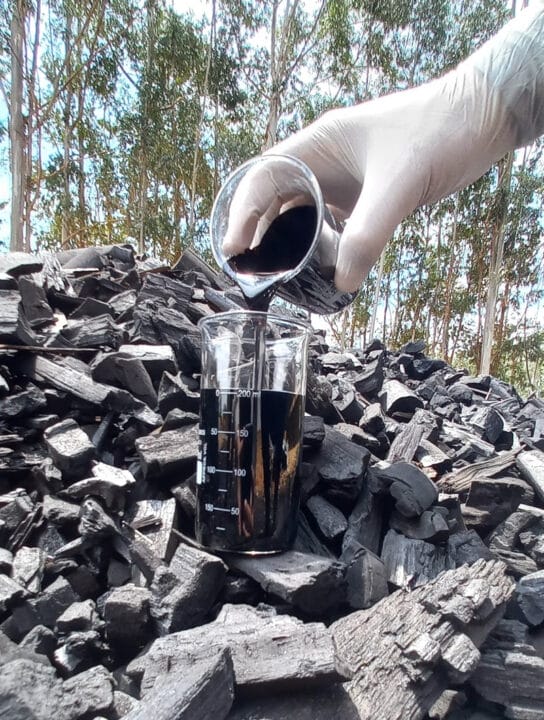
Environmental Innovation in Zinc Oxide Production
Nexa Resources, a leading company in the mining and metallurgy sector, announces a significant advancement in its sustainability practices with the acquisition of 10,000 tons of bio-oil from Aperam BioEnergia. This strategic move aims to replace fossil fuels in zinc oxide production at its Três Marias (MG) facility, promoting a considerable annual reduction in CO2 emissions.
Pioneering Renewable Energies
The acquisition of bio-oil, a byproduct of renewable forest charcoal production, is a milestone in Nexa’s journey toward a greener future. The use of this biofuel in 12 zinc oxide production furnaces represents not only a sustainable alternative but also a major step towards renewable energies and the decarbonization of the steel industry.
A Strategic Partnership
Paulo Nogueira, general manager of Nexa’s Três Marias unit, emphasizes the importance of this partnership in achieving the company’s decarbonization goals. With the use of bio-oil, Nexa positions itself as a zinc producer with one of the lowest carbon footprints in the world. The company plans to expand the application of the biofuel to 47 furnaces, aiming for a significant reduction in CO2 emissions and an increase in the use of renewable resources.
-
Renewable energy advances over protected areas in Brazil, and a survey by the Energy Transition Observatory reveals silent impacts that challenge environmental conservation and pressure sensitive traditional territories.

-
Rio Grande do Sul accelerates energy transition: State invests in renewable technologies and consolidates decarbonization strategies and pathways to attract billions in new industrial investments.

-
With 160,000 m² of collectors, an area larger than 20 football fields, Silkeborg, in Denmark, hosts a solar thermal plant that heats 19,500 homes and could become the largest solar heating plant in the world.

-
A study reveals the expansion of renewable energy procurement in Brazil and shows how companies are taking advantage of opportunities to reduce expenses, ensure energy efficiency, and strengthen strategic environmental commitments.


Bio-Oil: A Sustainable Alternative
Developed in collaboration with Aperam BioEnergia and startup WXO Custom Process Engineering, bio-oil is an innovative product that replaces fossil fuels in industrial processes. With 100% plant-based and renewable origins, bio-oil has been tested since 2017, proving to be an effective and eco-friendly solution. Benone Braga from Aperam BioEnergia highlights the success of the partnership, emphasizing the acceptance of bio-oil in the market and its contribution to industrial sustainability.
Nexa Resources: A Leader in Sustainability
Nexa Resources, operating for over 65 years, is recognized for its extremely low carbon footprint in zinc, copper, and lead production. The company, with operations in Brazil, Peru, and an office in Luxembourg, is committed to sustainable mining, innovation, and respect for the environment, having its shares listed on the New York Stock Exchange since 2017.
Aperam: Innovation and Sustainability in Steel
Aperam, a global giant in stainless, electrical, and specialty steels, stands out for its sustainable production. With a production capacity of 2.5 million tons annually and operations in various countries, Aperam combines innovation and sustainability, using biomass and steel scrap in its processes. Aperam BioEnergia, part of the group, sustainably produces charcoal and significantly contributes to environmental balance.
Conclusion: Toward a Greener Future
The partnership between Nexa Resources and Aperam BioEnergia marks a significant advancement in the mining and metallurgy industry, focusing on sustainability and innovation. The adoption of bio-oil in Nexa’s operations will not only reduce CO2 emissions but also reinforce the company’s commitment to environmentally responsible practices, paving the way for a greener and more sustainable future in the sector.
Source: Henrique Rodrigues Alves.









Seja o primeiro a reagir!