





 Portuguese
  English
  Spanish
  3 min of reading
  2 comments


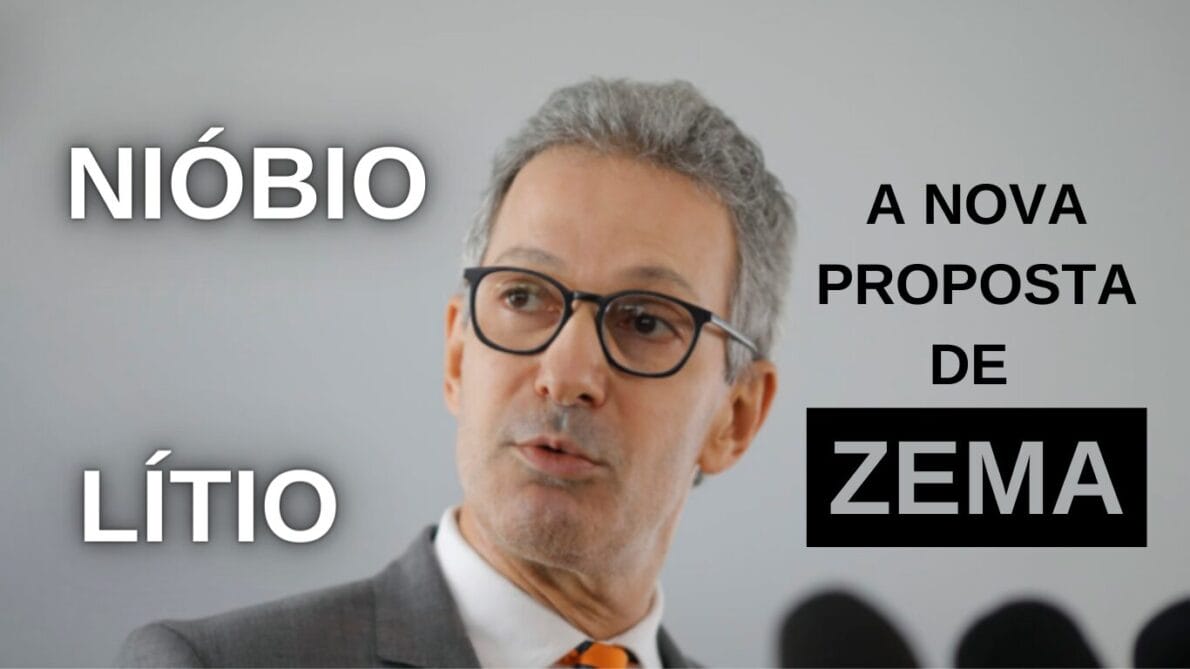

Governor of Minas Gerais Defends Privatizations and Mineral Exploitation as a Solution for State Debt
The governor of Minas Gerais, Romeu Zema, is betting heavily on the exploration of niobium and lithium as engines to revitalize the state’s economy. In his view, the expansion of the exploitation of these minerals, combined with attracting companies interested in the sector, can transform the economic reality of Minas Gerais, according to financial intelligence.
Codemig: The Crown Jewel of Privatizations
Zema emphasizes that indeed the Minas Gerais Economic Development Company (Codemig) is the key piece in the privatization plan. Unlike Cemig, which operates in the energy sector, and Copasa, in the sanitation sector, Codemig focuses exclusively on the exploitation of niobium.
The company operates in partnership with the Brazilian Metallurgy and Mining Company (CBMM), owned by the Moreira Salles family, and has its market value estimated by the state government at up to R$ 60 billion. The privatization of Codemig is seen as essential to help reduce the public debt of Minas Gerais, which currently stands at around R$ 160 billion.
-
Man builds functional 5-meter submarine in his garage using gas cylinders, PVC pipes, and a refrigerator motor, and navigates with the vessel on a lake in Colombia.

-
Millions of people have been eating yam for centuries without knowing that this humble tuber contains a compound called diosgenin, which scientists have now discovered can improve memory and help control blood sugar levels.

-
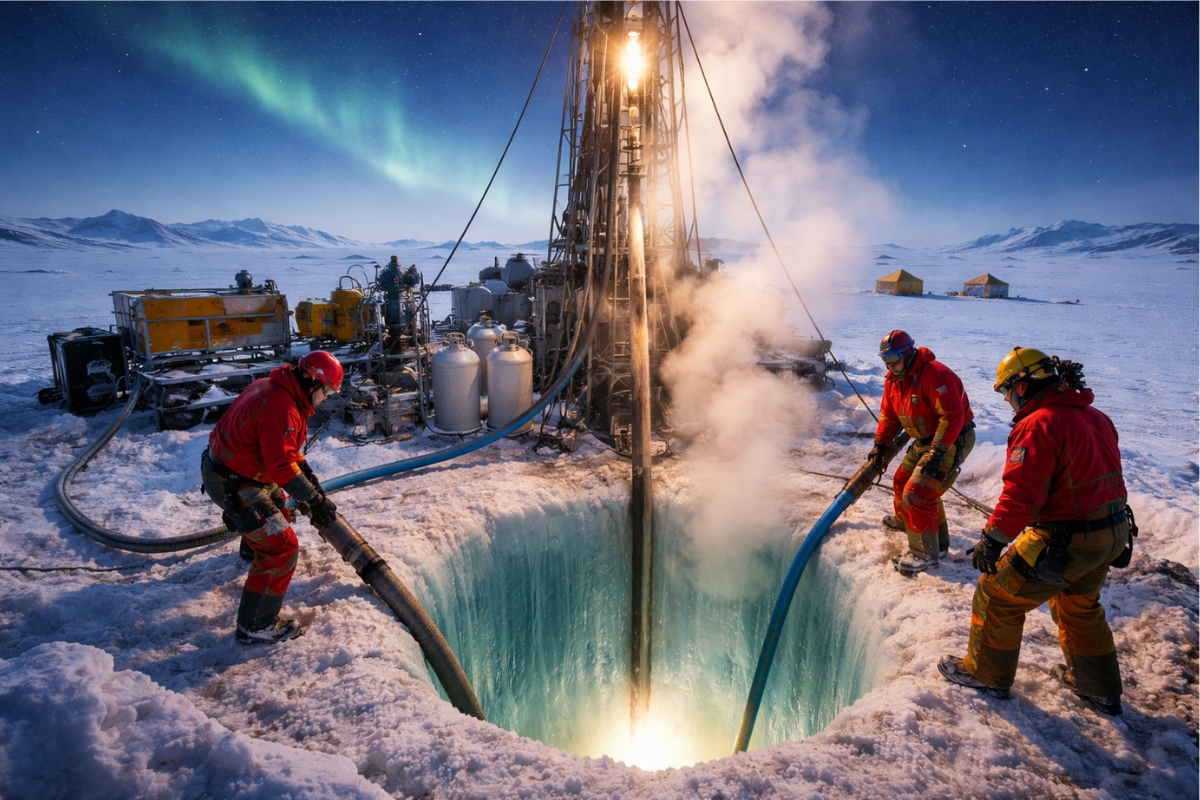
Scientists from an international project drill 1,800 meters of ice in Antarctica using hot water and discover details about one of the most intriguing places on planet Earth.
-
Seen from space, a colossal volcano nearly 5,000 meters high in Russia has released 1,600 km of smoke over the Pacific, forming “devil’s horns” of lava and revealing the brutal force of the Ring of Fire.


Zema Bets on Economic Expansion with Niobium and Lithium
During the Itau BBA CEO Conference in New York, Zema reinforced his commitment to the exploration of niobium and lithium as pillars of his economic strategy. According to him, attracting companies to exploit these resources is crucial to leverage investments in the state.

Niobium, in particular, is a strategic mineral with various industrial applications, while lithium is essential for battery production. Thus, we are seeking a world increasingly focused on sustainable technologies.

Challenges and Perspectives of Privatizations According to Zema
Despite the enthusiasm, the governor acknowledges that privatizations face significant obstacles. “We are awaiting decisions from the federal government and Congress,” Zema stated, pointing to the lack of a detailed schedule for executing the privatizations. However, the situation is worsened by the state’s debt, which originated largely from the extinction of state banks in past decades, and exacerbated by the economic recession of 2015-2016.
Solutions for State Debt
Zema emphasizes the need for a new arrangement for state debt, similar to what the Federal Revenue does in Refis. He argues that the current fiscal recovery regime only provides temporary relief, which is unsustainable in the long term.
“I hope that Senator Rodrigo Pacheco can approve a project that addresses the debt, offering a discount on interest and corrections, making payment feasible,” Zema declared.
Therefore, by combining the privatization of valuable assets like Codemig with the exploration of strategic minerals like niobium and lithium, Governor Romeu Zema seeks to transform the economy of Minas Gerais, facing significant challenges amid a growing debt scenario and political uncertainties.







Tem que tirar tudo que essa escória afanou dos irmãos mineiros, e por na **** um incompetente como esses traste. E povo, aprende a votar pelo amor de seu país, não é um copo de água, um sub emprego que vale seu voto.
Este senhor grisalho nada aprendeu na gestão pública. Mineração tem muito de legislação federal. As reservas são da nação. Mesmo que conseguisse vendas prodigiosas não seriam o suficiente para cobrir metade do rombo que deixou de administrar.
Lastimável.