





 Portuguese
  English
  Spanish
  3 min of reading
  0 comments


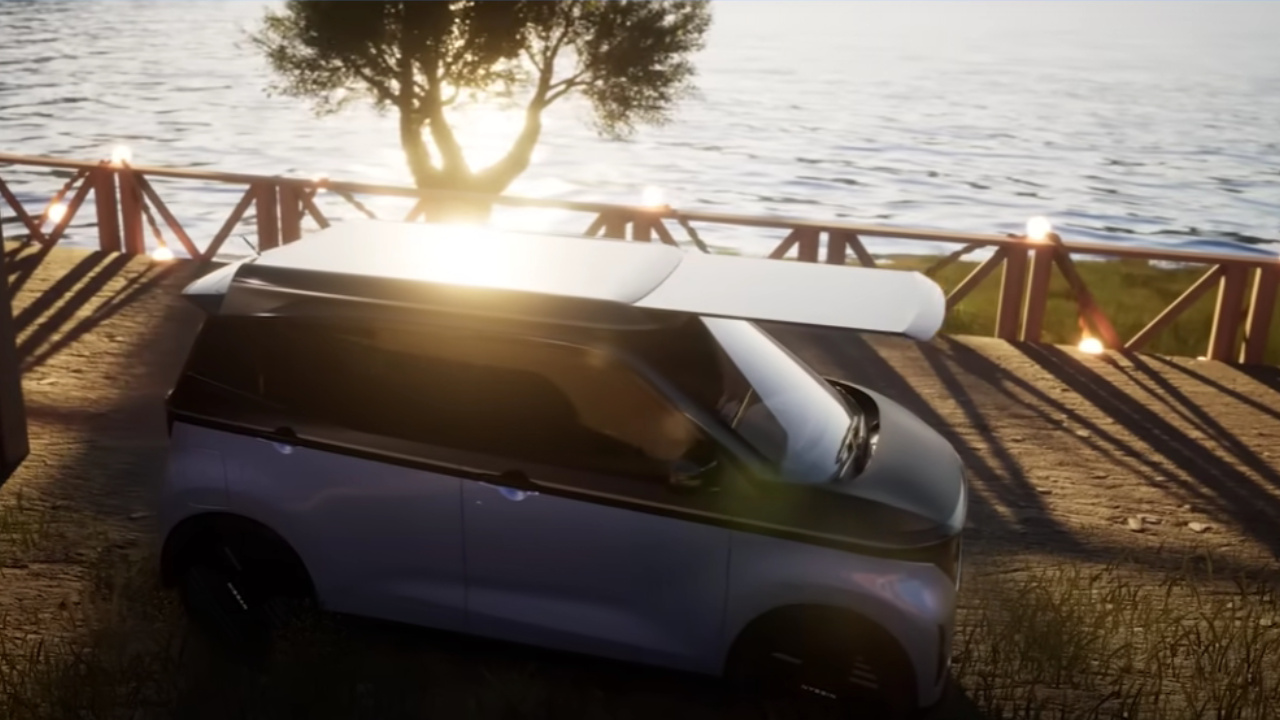
Nissan Surprises by Unveiling an Electric Car with a Solar Energy Generation System, Capable of Eliminating the Need for Charging from the Grid. The Model, Based on the Sakura, Will Be Presented at the Japan Mobility Show and Could Transform the Future of Sustainable Mobility.
Nissan Motor introduced one of the most anticipated innovations in the automotive sector: a solar-powered electric car that can travel up to 3,000 kilometers per year without charging from an outlet. The experimental model will be the highlight of the brand at the Japan Mobility Show, an event taking place at the end of this month in Tokyo, and promises to open a new chapter in sustainable mobility.
Based on the electric compact Sakura, the vehicle was designed to make the most of solar energy generation. The system converts sunlight into electricity sufficient to power the car for short urban trips, which can represent savings and a lower environmental impact.
Integrated Solar Panels Enhance the Vehicle’s Energy Efficiency
The Nissan prototype catches attention due to its clever technical solution. The car features solar panels installed on the roof, as well as a retractable additional panel, which expands automatically when the vehicle is parked. This supplementary structure increases the energy generation capacity by over 60%, making the system even more efficient.
-
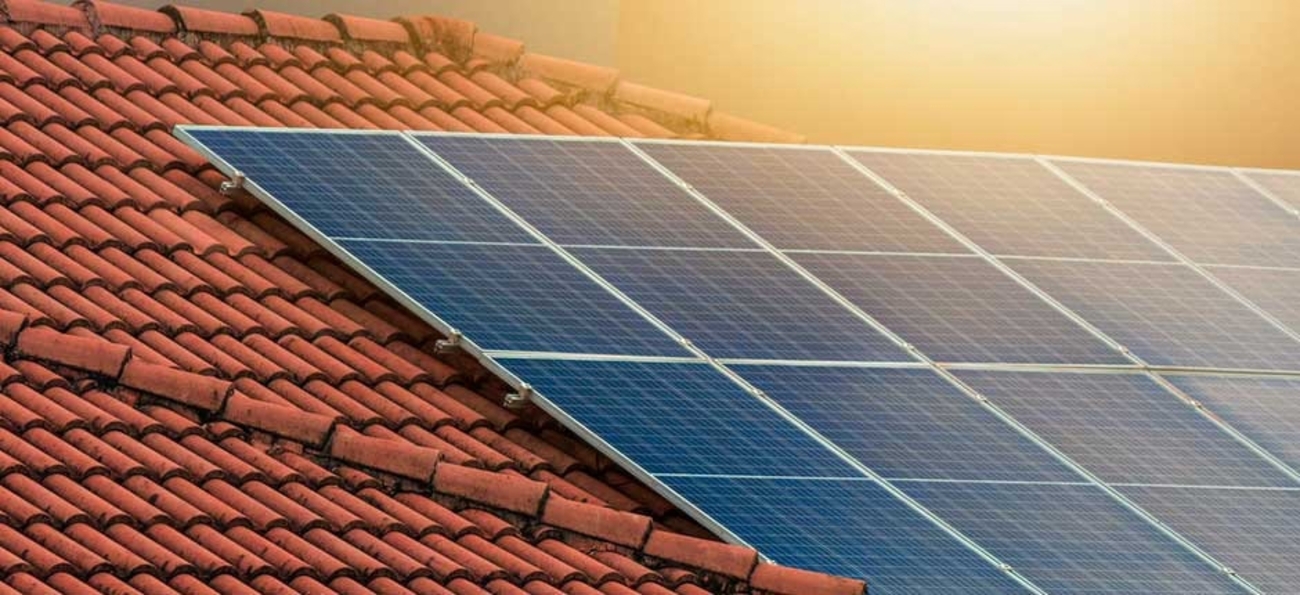
Roraima bets on the sun to escape high tariffs: Amid the energy crisis and price hikes, solar energy is growing in Roraima and transforming consumption in the North region.
-
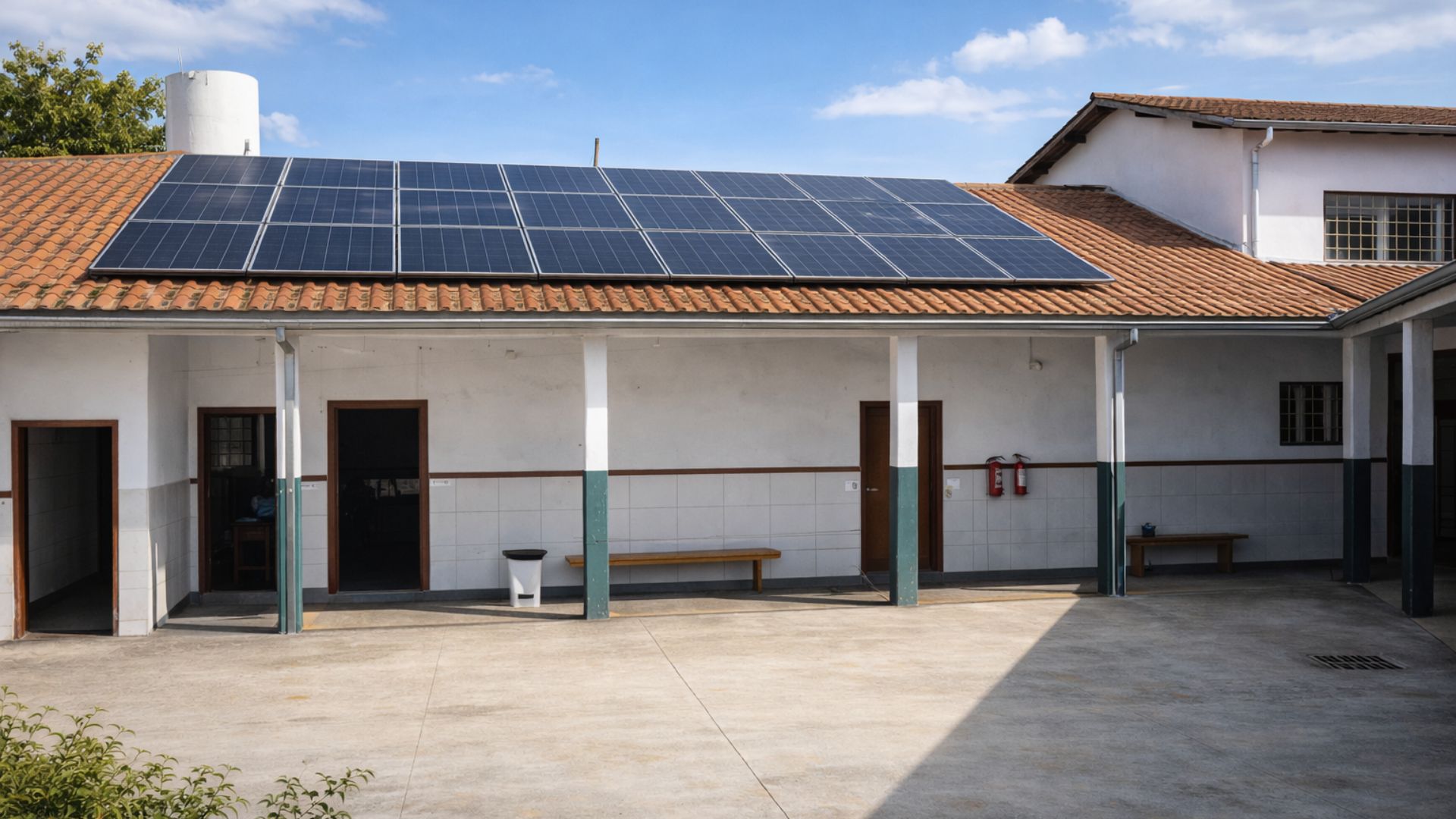
Copel boosts solar energy in Paraná and brings innovation to public schools, promoting savings on electricity bills, energy efficiency, and a direct impact on the quality of education.
-
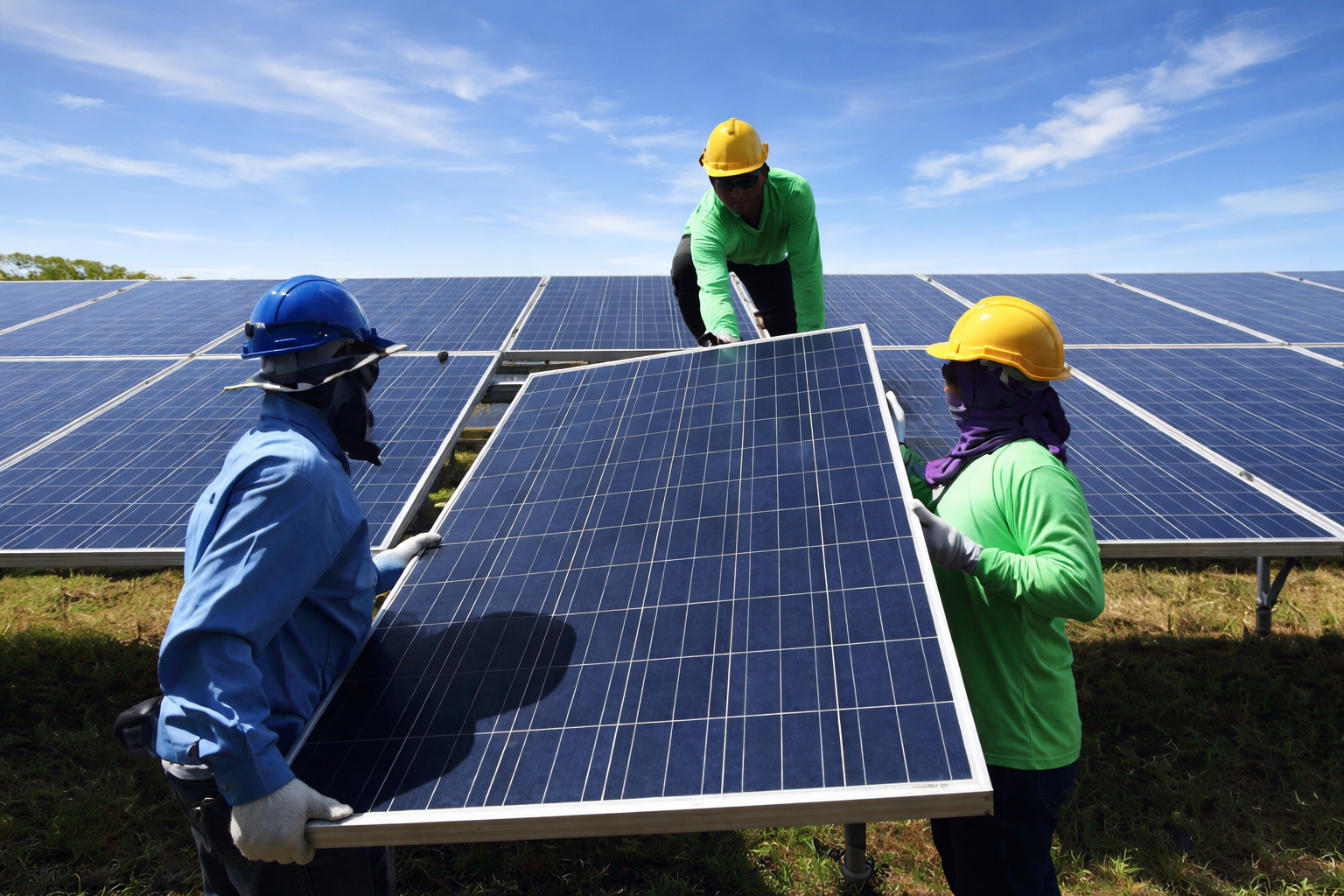
Brazil reaches historic milestone in solar energy: Sector surpasses 2 million accumulated green jobs and generates billions in the national economy even under market pressure.
-
Minas Gerais takes the lead in renewable energy: State surpasses historic mark of 14 GW in solar energy generation in MG and consolidates dominance in the Brazilian electric sector.


According to the automaker, this format is ideal for drivers who use the car for short daily routines, such as commuting to work or grocery shopping. Thus, the solar energy generated during the day may be sufficient to keep the car fully functional without relying on external charging.
Solar Energy at the Center of Nissan’s Sustainable Strategy
The Japanese manufacturer’s goal is bold: to eliminate the use of fossil fuels and reduce reliance on the power grid.
“We want to build a car that requires neither gasoline nor grid-based charging,” stated Junichi Inoue, project leader, reinforcing Nissan’s commitment to sustainability.
While other automakers focus on improving the efficiency of small solar cells, Inoue pointed out that this approach raises the final product’s cost.
“Such an approach increases the price of vehicles,” explained the executive, arguing that the solution developed by Nissan seeks to balance cost and performance, making the technology more accessible.
The adoption of solar energy in electric vehicles is still a technical and economic challenge, but Nissan’s project shows that the sector is close to overcoming these barriers. The proposal for the solar car is to reduce operating costs and offer more energy autonomy, especially in sunny countries like Japan and Brazil.
Moreover, the integrated system contributes to reducing the carbon footprint and reinforces the advancement of renewable energies in the automotive sector. Nissan hopes that, with the maturation of the technology, the model can inspire new solutions and even influence public policies aimed at green mobility.
Japan Mobility Show Will Be a Stage for the Future of Automotive Solar Energy
The Japan Mobility Show is consolidating itself as the ideal platform to present this innovation. The event will bring together the world’s leading automakers, focusing on sustainable technologies and new trends in clean energy applied to transportation.
Nissan’s bet on a fully solar-powered electric vehicle reinforces the global race for solutions that reduce costs and emissions while enhancing the autonomy of automobiles.









-

-

2 pessoas reagiram a isso.