





 Português
  Inglês
  Espanhol
  3 min de leitura



Increase of Investments in Brazil Is Due to the Rise in Oil Prices in the International Market, According to Shell Executive
Due to the increase in oil prices in the international market, Shell is expected to raise its investments in research and development in Brazil to US$ 120 million in 2022, as announced by the company’s Vice President of Corporate Relations – Flávio Rodrigues – during the online event ‘Dialogues of Rio Oil & Gas 2022’. In 2021, the amount invested by Shell in this segment in the country was US$ 80 million.
Such investments correspond to an obligation of oil companies that have oil and gas production and exploration concessions in Brazil, as they are required to allocate 1% of the gross revenue from production to research, development, and innovation (R&D&I).
Flávio Rodrigues Reminded That, As Defined by Shell, A Significant Portion of the Investment Will Be Dedicated to Low Carbon Projects
During the first edition of ‘Dialogues of Rio Oil & Gas 2022’, hosted by the Brazilian Institute of Oil (IBP) in association with the agency epbr, Rodrigues also highlighted that 30% of the invested amount will be directed toward low carbon projects. According to the Shell executive, Brazil has great potential for the carbon credits market, meaning the country can benefit from selling these credits to other nations or industries needing to meet emission reduction commitments in the agreements they have signed.
-
Offshore industrial demand in Macaé skyrockets with the recovery of oil and gas and could grow by up to 396% by 2026 in the Campos Basin.
-
Brazilian city gains industrial hub for 85 companies that is equivalent to 55 football fields.

-
Peugeot and Citroën factory in Argentina cuts production by half and opens a layoff program for more than 2,000 employees after Brazil drastically reduced purchases of Argentine vehicles.

-
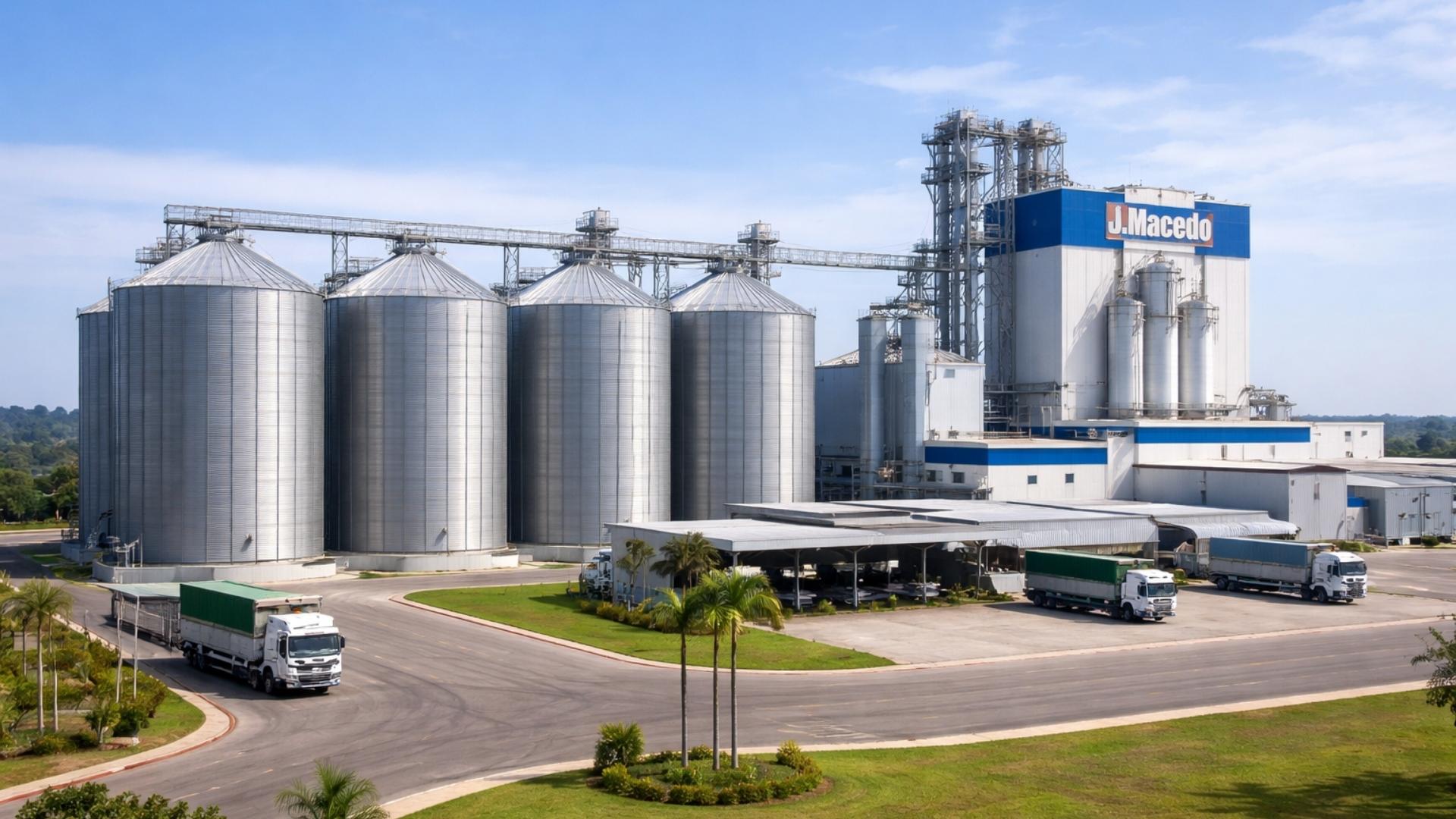
A Brazilian city gains a factory worth R$ 300 million with the capacity to process 200 thousand tons of wheat per year, a mill of 660 tons/day, silos for 42 thousand tons, and an industrial area of 276 thousand m².

Rodrigues also stated that there are several ongoing discussions in Brazil regarding this matter, including a Bill in Congress. For him, the country will be very well positioned in the carbon market if it can effectively manage this regulatory framework.
Also present at the event, Fernanda Delgado – the corporate executive director of IBP – emphasized that each country has its method for promoting the energy transition, in addition to alerting the need to channel investments into technological development in Brazil to decarbonize the sector.
According to Delgado, the International Energy Agency (IEA) released a report stating that 40% of the technologies needed to decarbonize the world by 2050 are still unknown or not commercially viable. She noted that Brazil holds a privileged position as a benchmark in the biofuels sector. The director also stated that the fact that the Brazilian energy matrix is highly renewable, with expertise in biofuels and biomass utilization, gives the country an even more prominent position.
Regarding Brazil’s Relevance to the Shell Group, Rodrigues Explained That the Country Needs to Remain Competitive
Furthermore, Flávio Rodrigues also revealed that Brazil is of significant importance to Shell – the company that announced a partnership in the lubricants sector with Raízen – as it accounts for about 10% of the company’s global cash generation. He analyzed, however, that the country needs to remain competitive to continue attracting investments. The Shell executive stated that the quicker the minimum operating conditions for new markets can be established, the easier it is for investors to digest the scenario and decide whether to invest there or not.
In this regard, Rodrigues points out that the war in Ukraine will lead to a reordering of investment allocation in energy and that, in light of this context, Brazil needs to be attentive. This is because if the country is not vigilant regarding the destination of these resources, they may end up going to countries willing to accelerate energy transition more rapidly.








Seja o primeiro a reagir!