





 Português
  Inglês
  Espanhol
  5 min de leitura
  0 comentários


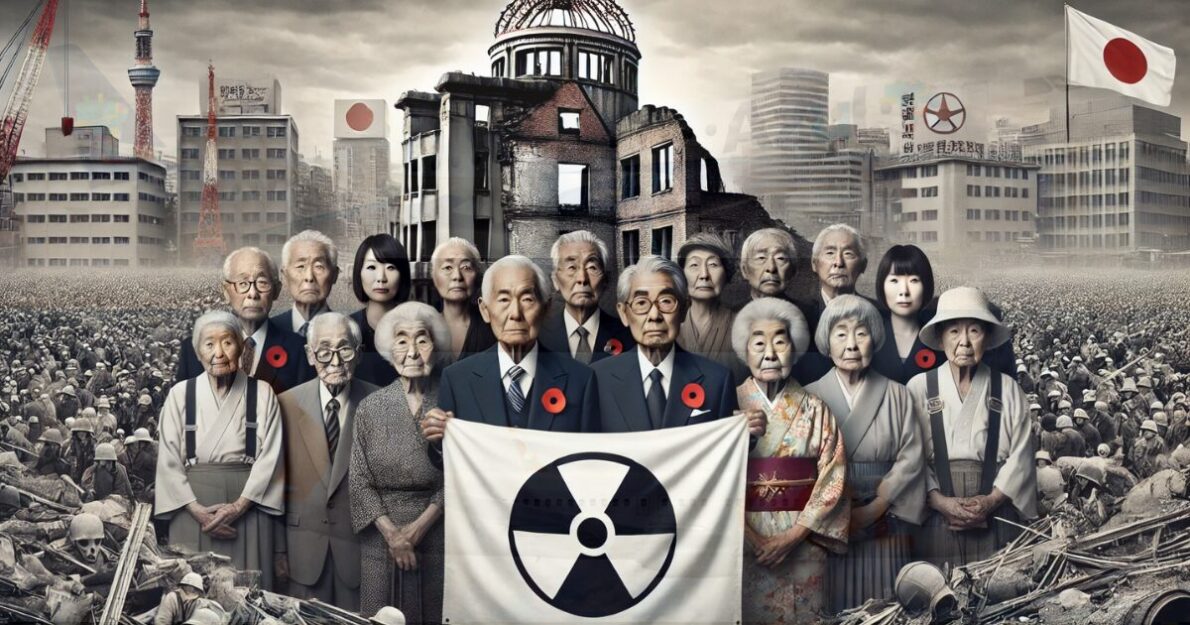
The Nobel Peace Prize 2024 Goes to the Nihon Hidankyo Group, Formed by Survivors of the Atomic Bombs in Hiroshima and Nagasaki. In a World Marked by Wars and Nuclear Threats, This Impactful Choice Warns of the Looming Risks of a New Nuclear Disaster. An Urgent Reminder of the Need for Global Disarmament.
The world received, on the morning of this Friday (11), news that shook the geopolitical landscape: at a time of rising tension and nuclear war threats, the Nobel Peace Prize for 2024 was awarded to the Japanese group Nihon Hidankyo.
In times of armed conflict and constant nuclear threats, this decision had a strong impact, especially as it was an unexpected choice that contradicted the predictions of experts and betting houses.
But what is behind this award? Why, amid the current scenario, were the survivors of the Hiroshima and Nagasaki bombs chosen to receive the most prestigious prize for peace?
-
With 11,000 tons and sensors capable of hunting submarines at long distances, the Type 055 has become one of the most feared floating arsenals of the Chinese navy.

-
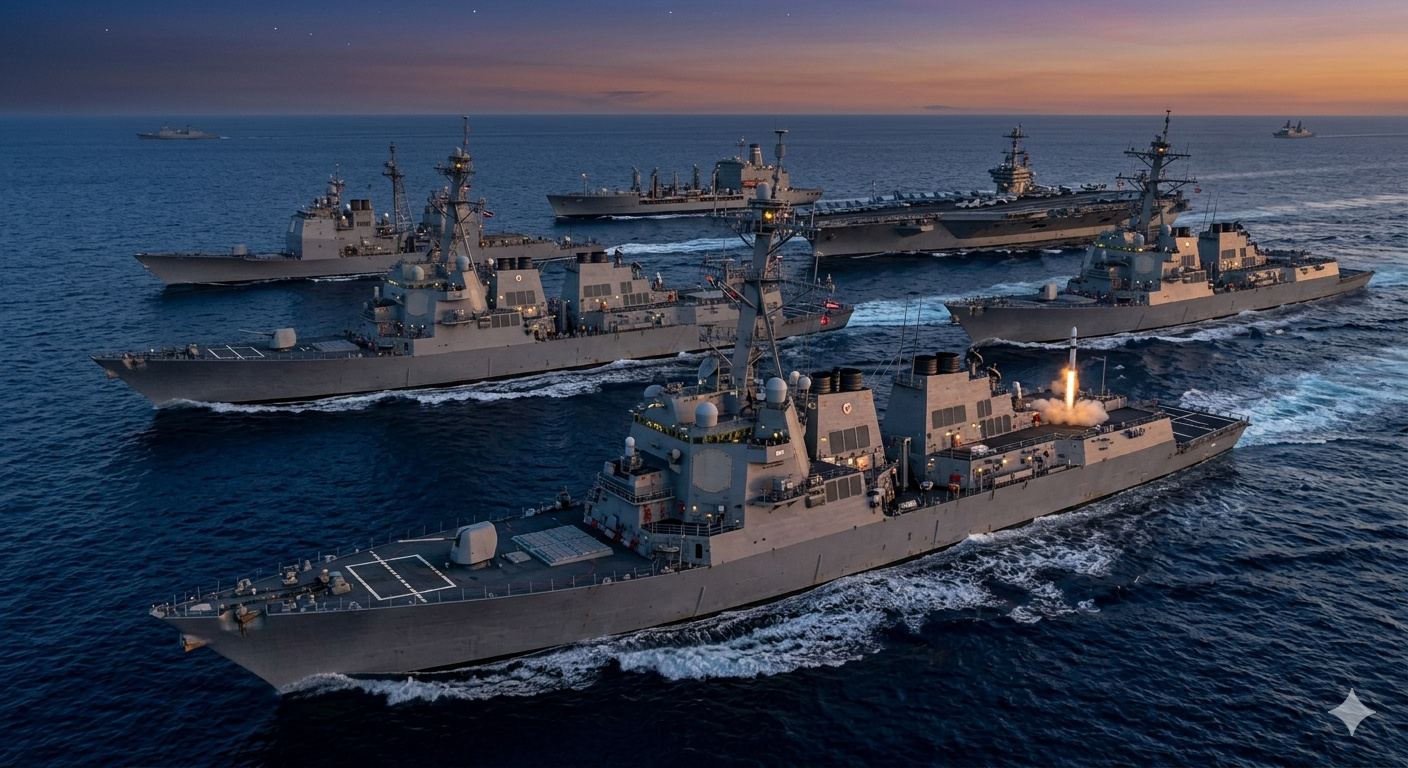
With over 15,000 tons, radars capable of tracking hundreds of targets simultaneously, and more than 120 missiles ready for launch in seconds, modern destroyers cease to be escorts and begin to dominate the naval battlefield.
-
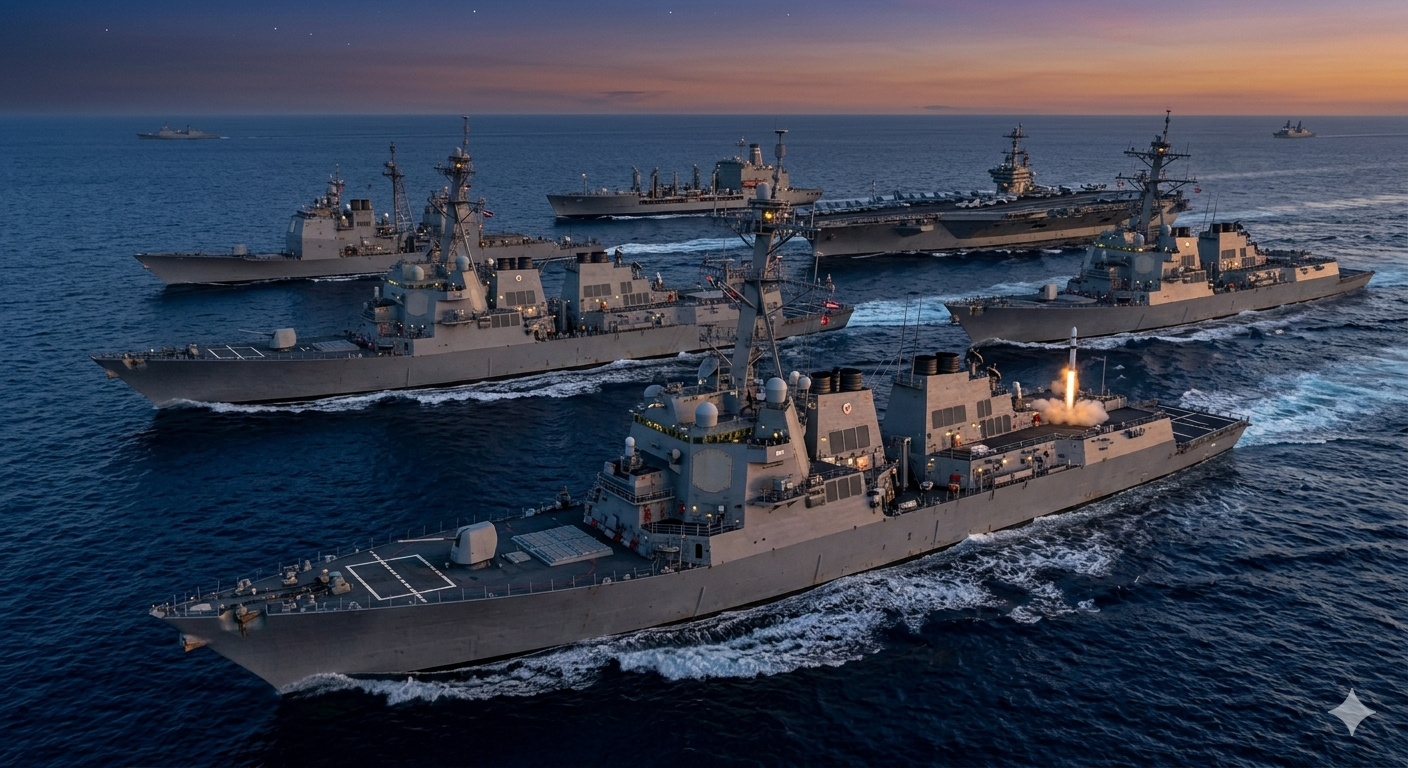
With over 15,000 tons, radars capable of tracking hundreds of targets simultaneously, and more than 120 missiles ready for launch in seconds, modern destroyers cease to be escorts and begin to dominate the naval battlefield.
-
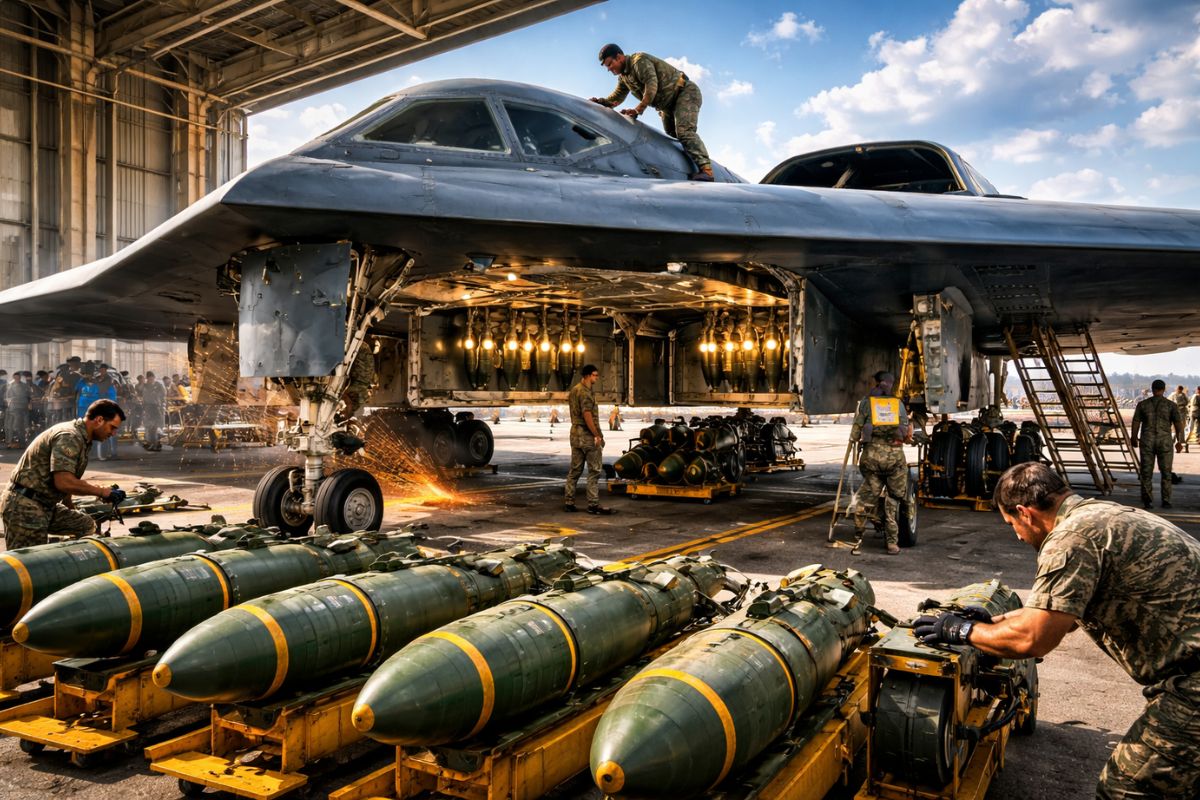
Valued at over $2 billion, the B-2 Spirit bomber requires meticulous inspection, bombs calibrated in a controlled environment, and extreme preparation to disappear from radar and launch attacks with lethal precision.

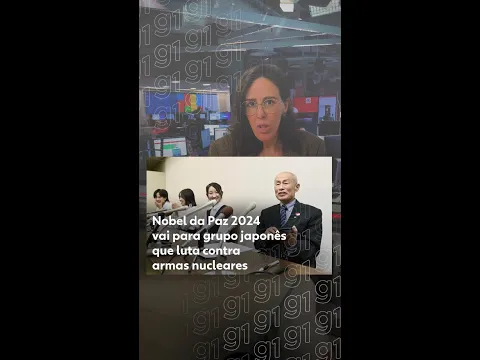

Nihon Hidankyo: The Struggle for Nuclear Abolition
According to the portal G1, Nihon Hidankyo is an organization formed by survivors of the atomic bombs in Hiroshima and Nagasaki, which devastated the Japanese cities in 1945.
Since then, the group has become one of the most active and influential voices in the fight for global nuclear disarmament. The award was seen as a “reminder to the world of the risks of nuclear weapons,” as pointed out by the Nobel Committee.
The current global scenario, marked by wars in Ukraine, the Middle East, and Sudan, with nuclear threats becoming a real possibility, made this choice even more symbolic.
According to the committee, “the taboo of nuclear bombs is under threat” and the efforts of Nihon Hidankyo are crucial to keeping alive the memory of the devastating consequences of these weapons.
Nuclear Threats Resurge Amid Global Tensions
Global concern about the use of nuclear weapons is not unfounded. Since the United States withdrew from the nuclear agreement with the Iran in 2018, tensions in the Middle East have increased.
According to experts, Iran, which has nuclear warheads and always claimed to use them only for civilian purposes, has begun to consider a military nuclear program.
Recently, the Iranian Parliament began discussing a bill that proposes expanding the country’s nuclear industry.
Furthermore, in the Ukraine war, Russian President Vladimir Putin has repeatedly mentioned the possibility of using nuclear weapons, causing alarm in the West.
North Korea, led by Kim Jong-un, has also made inflammatory statements, claiming to have nuclear warheads ready for use.
Israel, another country involved in conflicts in the Middle East, is also suspected of possessing a nuclear arsenal, although the government has never confirmed or denied such claims.
A Symbolic and Necessary Choice
The Nobel Peace Prize 2024, therefore, goes beyond mere recognition of the efforts of Nihon Hidankyo. The award serves as a global alert in increasingly intense crises.
The Nobel Committee emphasized that the prize is a “signal that the abolition of nuclear weapons is possible,” and highlighted the importance of testimonies from survivors of Hiroshima and Nagasaki, who recount the horrors of a nuclear attack and the impact it has on the lives of thousands of people.
“This prize will be a great force to remind the world that the abolition of nuclear weapons can be achieved,” said Toshiyuki Mimaki, director of Nihon Hidankyo and a Hiroshima survivor, in an interview after the announcement.
Mimaki emphasized that the group will continue its mission to prevent the use of such weapons and reinforce the need for nuclear disarmament.
The Award and Its Impacts
In addition to international prestige, the Nobel Peace Prize includes a sum of US$ 1.1 million (approximately R$ 6 million), a diploma, and a gold medal.
The Japanese Prime Minister, Shigeru Ishiba, stated that Nihon Hidankyo’s victory has an “extremely important meaning,” especially considering Japan’s long history as a nation committed to the abolition of nuclear weapons.
Nihon Hidankyo was informed about the award by the media, and the reaction was one of surprise and emotion.
For the survivors of the atomic bombs, this award represents recognition of decades of struggle for a world without nuclear weapons.
Strong Competition and Unexpected Favorites
Before the final decision, experts suggested figures such as António Guterres, Secretary-General of the UN, or organizations like the United Nations Relief and Works Agency for Palestine Refugees (UNRWA) among the favorites to receive the Nobel.
The Ukrainian President, Volodymyr Zelensky, was also among the names in contention.
Another prominent name in the bets was Pope Francis, known for his campaigns for world peace and his constant criticism of the use of nuclear weapons.
In 2024, the number of nominees for the prize was substantial, with 286 names, although the official list is kept secret for 50 years, as determined by the Nobel Committee protocol.
History of the Nobel Peace Prize and Its Legacy
Since its inception in 1901, the Nobel Peace Prize has been awarded to 103 individuals and 27 organizations. However, on 19 occasions, the prize was not awarded, the last time being in 1972.
Alfred Nobel’s will, creator of the award, stipulates that the prize should be awarded to those who promote fraternity among nations and the reduction of standing armies.
Last year, Iranian Narges Mohammadi, an activist for women’s rights and freedom of expression in her country, received the prize.
This year’s choice, however, once again focused on the nuclear issue, a threat that seems to be increasingly approaching global reality.
With so many active conflicts and the growing discussion around the use of nuclear weapons, will the world finally heed the call of groups like Nihon Hidankyo and move towards disarmament? Or are we doomed to repeat the mistakes of the past? Share your opinion.







Seja o primeiro a reagir!