





 Portuguese
  English
  Spanish
  3 min of reading


Northeast Is A Leader In Renewable Energy Generation And One Of The Main Job Creators In The Sector In Brazil
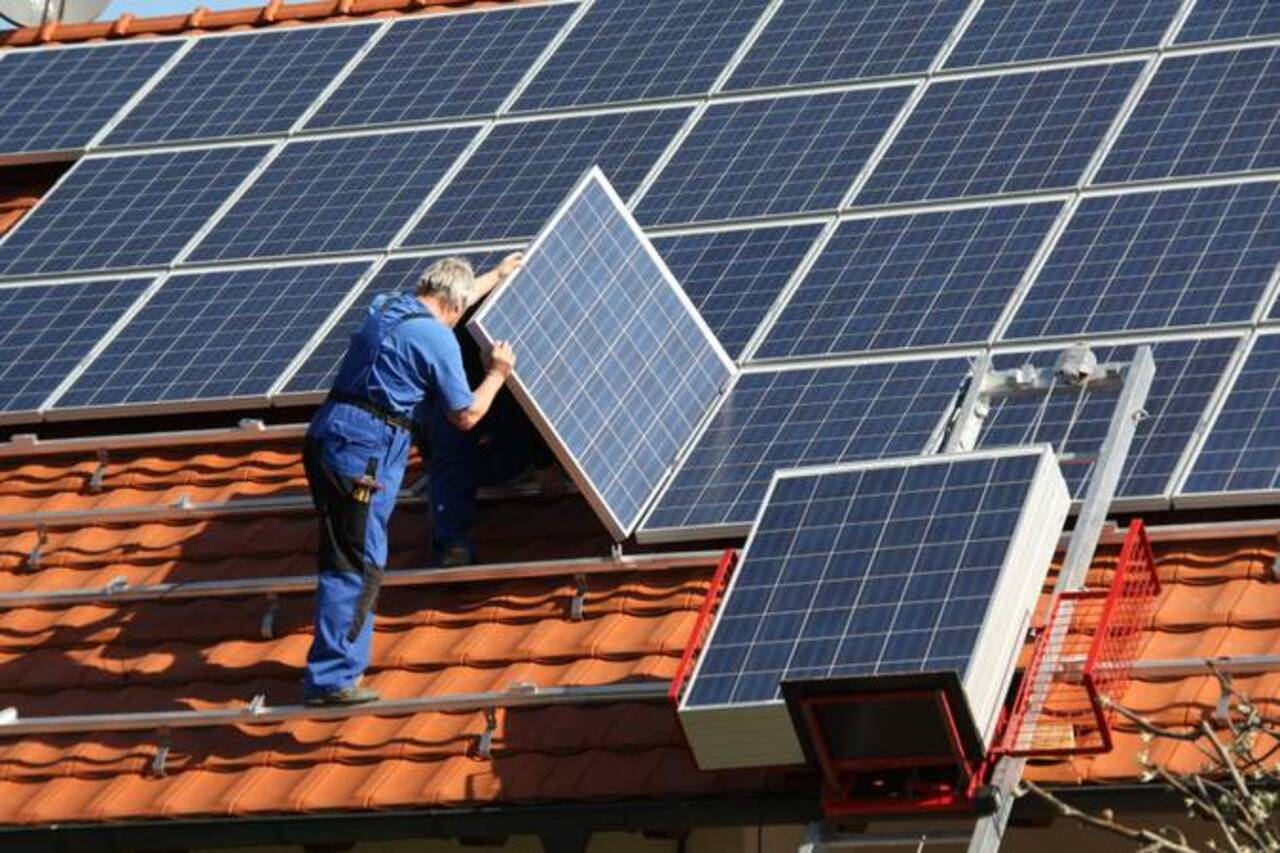
The Northeast has mobilized the labor market, generating many job opportunities in the renewable energy sector, leading in solar and wind energy in the country. The need for labor, both for residential installation and the construction of gigantic parks, has stimulated the generation of new job opportunities, especially in some northeastern states such as Bahia, Ceará, Piauí, and Rio Grande do Norte, states that top the rankings for generating these types of renewable energy in the country.
Also Read
With an abundance of favorable geographical characteristics due to constant winds and plenty of sunlight, the Northeast region has become synonymous with opportunity for renewable energy. The sector has not stopped and continues to offer job opportunities even during the pandemic.
With unemployment at a staggering rate of 20% of the population in Bahia, it may be valuable to understand how the renewable energy sector has been functioning to invest in a career in the field.
-
Renewable energy advances over protected areas in Brazil, and a survey by the Energy Transition Observatory reveals silent impacts that challenge environmental conservation and pressure sensitive traditional territories.

-
Rio Grande do Sul accelerates energy transition: State invests in renewable technologies and consolidates decarbonization strategies and pathways to attract billions in new industrial investments.

-
With 160,000 m² of collectors, an area larger than 20 football fields, Silkeborg, in Denmark, hosts a solar thermal plant that heats 19,500 homes and could become the largest solar heating plant in the world.

-
A study reveals the expansion of renewable energy procurement in Brazil and shows how companies are taking advantage of opportunities to reduce expenses, ensure energy efficiency, and strengthen strategic environmental commitments.


Sector Expectations for The States in The Northeast Region
The outlook is quite promising, especially for Bahia, which has been a leader in renewable energy generation for the past two years, according to data from the Electric Energy Trading Chamber.
Of all the solar energy generated in the country, 32% is generated in Bahia. Following are Minas Gerais (21%), Piauí (15%), São Paulo (11%), and Ceará (8%), meaning that even summing just these three states from the Northeast that occupy this top 5, the region is currently responsible for more than 55% of that production. In wind energy, Bahia’s share was practically the same, accounting for almost 30%, followed closely by Rio Grande do Norte (28%).
Increase in Job Openings
Electrical engineer Tércio Santos, 31, started working in this segment about two years ago, and since then, he has been moving from one company to another due to better job opportunities, having worked in almost all states of the Northeast. He has previously worked as a quality analyst at a solar park in northern Minas, then as an instrumentation engineer, and now he is serving as an operation and maintenance engineer at a wind farm between Umburanas and Sento Sé, in Bahia.
According to him, in general, the sector employs more technicians than professionals with higher education. The capacity for job openings is greater depending on the size of the ventures. Electrical, civil, environmental, and safety engineers, as well as administrators, are typically hired. Technicians with electrical and electrotechnical training with additional courses in wind and solar energy are in high demand, but those with training in electromechanics, mechatronics, and occupational safety are also requested.
The engineer estimates that salaries range from R$ 3,000 to R$ 5,000 for technical professionals, while engineers can earn up to R$ 10,000.








Seja o primeiro a reagir!