Portuguese
  Spanish


Northeast Brazil Leads In Wind Energy And Will Receive Billions In Investment For 210 GW Of Renewable Energy.
Among the 10 largest wind farms in Brazil, nine are located in the Northeast, highlighting the region as the most suitable in the country for the development of renewable energy, including both wind and solar. This preference for the region is not only due to the more affordable land costs compared to the South and Southeast regions, but is also strongly influenced by the unique geography of the Northeast.
The region benefits from ideal climatic and topographic conditions that maximize the efficiency of both wind and solar energy. This favorable scenario has led the Northeast to reach new heights in the renewable energy sector, with successive records of energy generation being set month after month. This continuous growth not only reinforces the Northeast’s leading position in Brazil’s renewable energy sector but also highlights the significant potential of the region for the sustainable future of energy generation in the country.
Northeast Will Receive Billions In Investments In Wind Energy
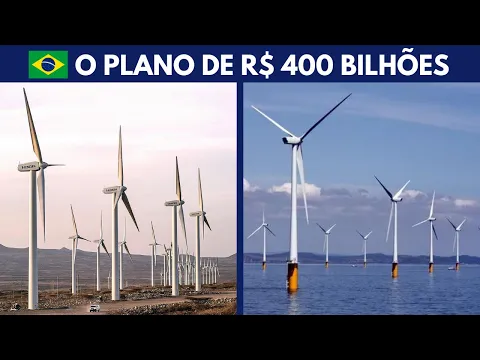

In May 2023, the Northeast was responsible for 83% of the generation of wind and solar energy, about 28.3 GW, which has the capacity to supply more than 30 million households. The nine northeastern states, according to the National Electric Energy Agency (Aneel), already have projects under construction or granted that total more than 100 GW in wind generation capacity, not counting the numerous ones that are in planning.
-
Brazilian scientists are simultaneously advancing two research projects on clean hydrogen and driving solutions that could transform the energy matrix, enhance industrial competitiveness, and accelerate large-scale emission reduction targets.

-
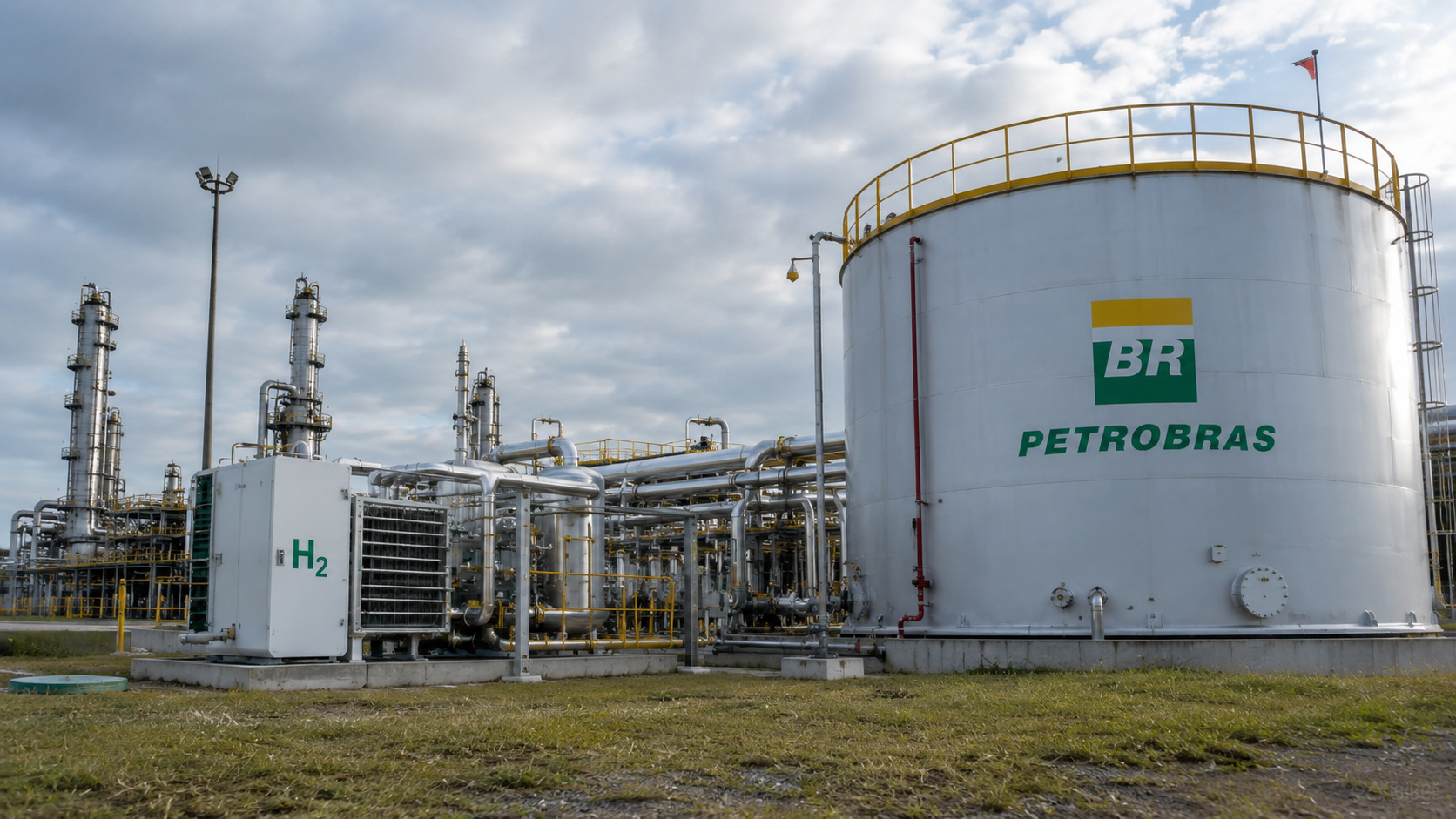
Advancement in renewable energy: A R$ 150 million project launched by Petrobras and Finep aims to create state-of-the-art electrolyzers for green hydrogen, strengthening national research and preparing Brazil to compete in a billion-dollar energy market.
-
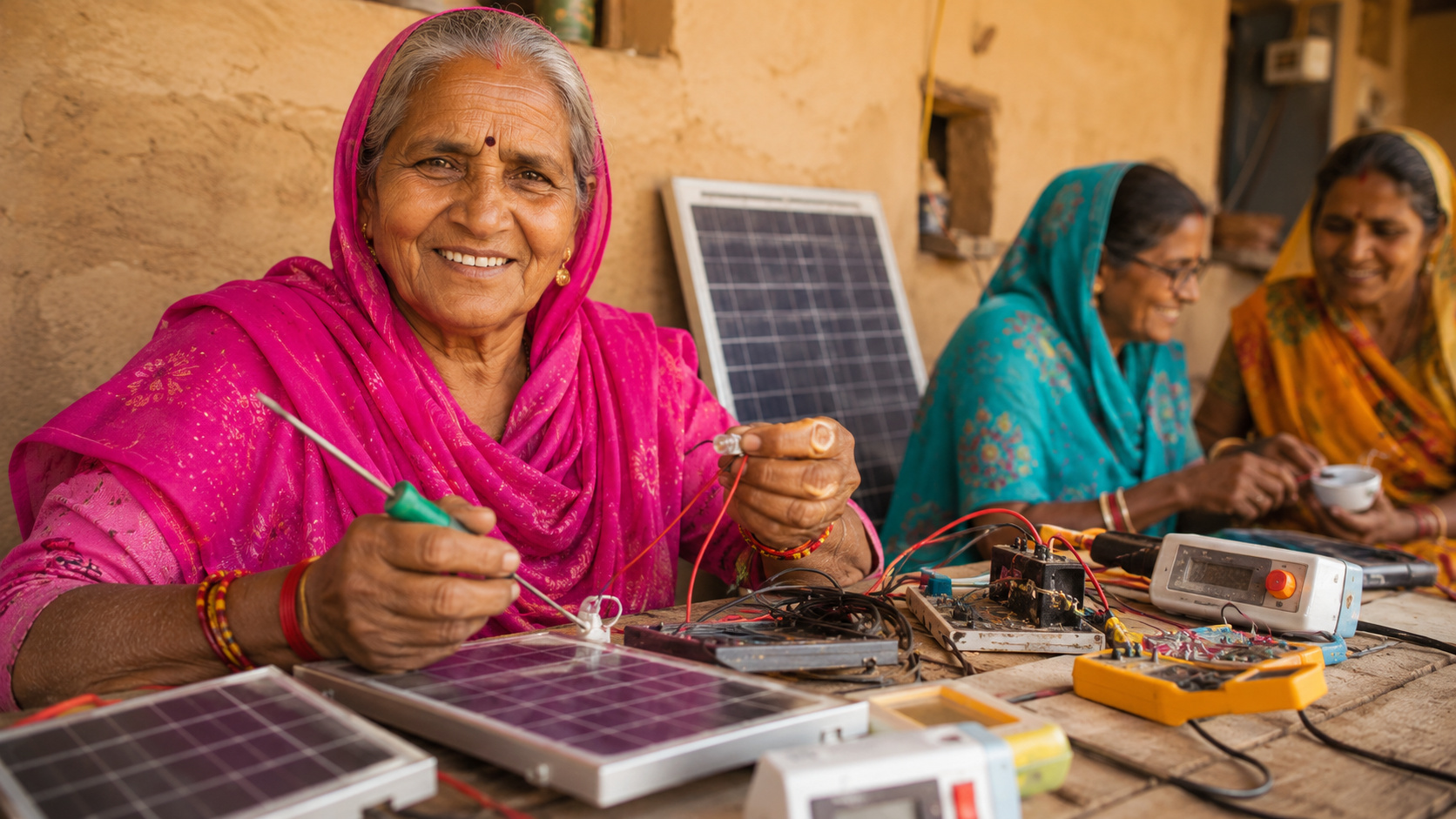
Illiterate or semi-literate grandmothers were trained to repair solar systems, open rural workshops, and light up homes that still depended on kerosene.
-
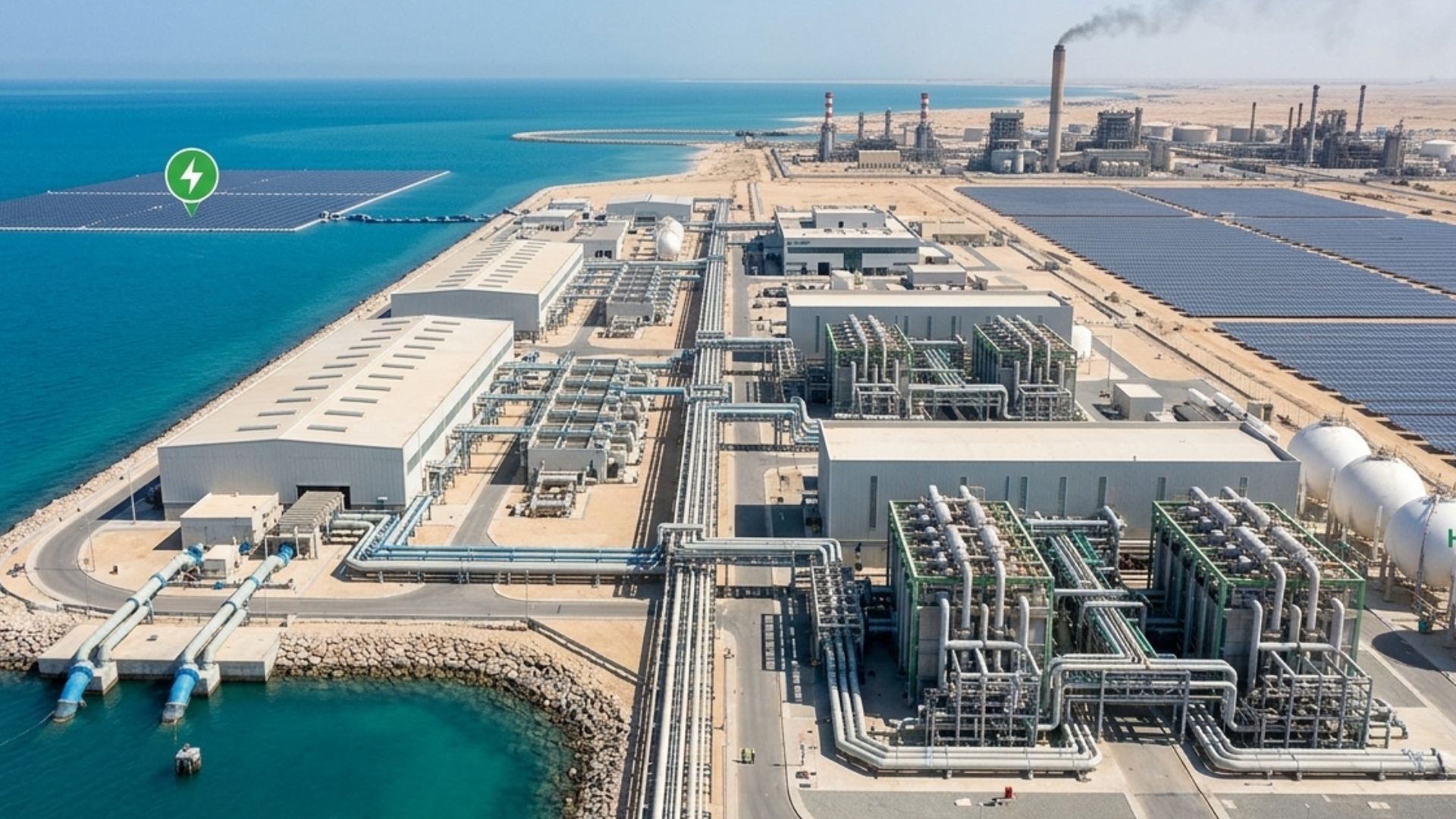
The world has bet on green hydrogen as the fuel of the future, but now faces the side effect: producing 1 kilogram requires about 9 liters of ultrapure water, and the largest projects on the planet are precisely in the driest regions of the Earth, where water is already scarce for people.


The Northeast will receive investments estimated at R$ 400 billion, with 120 billion projected just for this year of 2024. Currently, Brazil’s energy matrix consists of 62% hydroelectric and only 4.4% solar and 11.8% wind energy, according to the national energy balance.
In 2017, it was not even half of that, and the forecast is that by 2030 this share will exceed 20%, further increasing in the following years. In research, the Global Wind Atlas identified that the interior and northern coast of the Northeast, along with southern Brazil, are the places with the strongest winds in the country, which attracts investors to create complexes both on land and at sea, the so-called offshore. About 70% of Brazilian wind energy parks are in the Northeast, and this ratio will at least be maintained even after the 400 billion applied.
Northeast Has A Production Capacity Of 210 GW In Wind Energy
Nowadays, there are 74 official offshore wind energy projects, another way to produce energy from winds where the turbine is located at sea, unlike onshore, which is on land. Systems placed on land generate up to 6 MW of renewable energy per turbine and those placed at sea can reach up to 12 MW in the same period, due to the taller turbines that have access to more constant winds, allowing for greater stability.
Of the 74 renewable energy projects, half are in the Northeast, and adding them all up, the generation potential reaches over 210 GW. The approaches to install turbines on land and at sea present differences, involving distinct environmental and logistical challenges, however, experts in the field do not hesitate to affirm that Brazil has characteristics that can provide the expansion of this additional form of renewable energy.
Petrobras Is The Largest Company In Offshore Wind Energy
According to information from the Brazilian Wind Energy Association (ABEEólica), the forecast is that turbines will be installed at sea in the next 4 years, with this initiative potentially having a significant impact, especially in reinforcing the production of green hydrogen in Brazil, the fuel of the future with potential also for export.
Regarding investments, solely from Petrobras, seven of the 10 offshore wind energy generation projects planned for licensing with Ibama are located in the Northeast region.
The request covers three areas in Rio Grande do Norte, three in Ceará, and one in Maranhão. The company is targeting several localities in the Northeast covering the coast of Maranhão over an area of 817 km, and the Equatorial margin of Rio Grande do Norte where Petrobras plans to develop wind farms with a combined installed capacity of 7.4 GW.
The estimated total generation capacity of these areas covering the three regions is 23 GW, consolidating Petrobras as the company with the greatest potential for offshore wind energy generation in Brazil.