





 Portuguese
  English
  Spanish
  8 min of reading
  0 comments


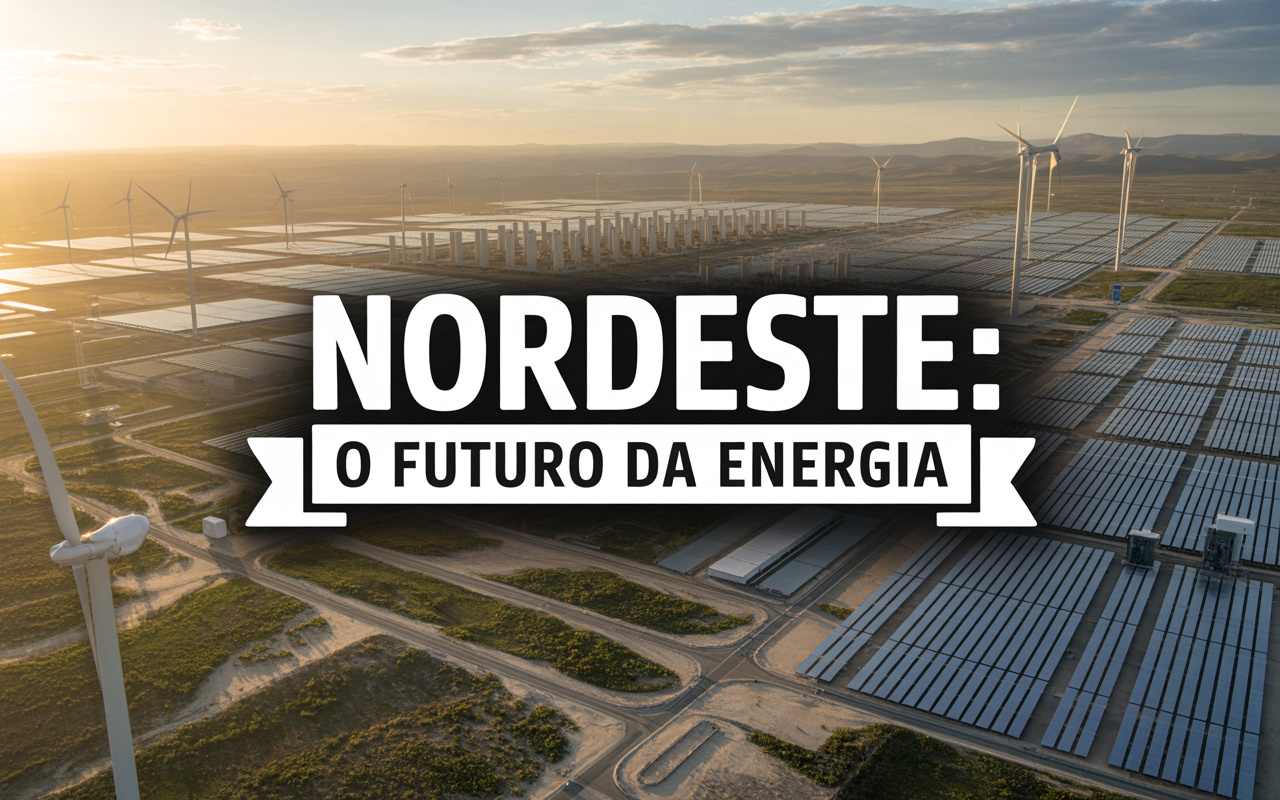
The Northeast Region of Brazil Is About to Receive an Investment of R$ 127 Billion to Boost the Production of Green Hydrogen, Positioning Itself as a Future Power in the Global Clean Energy Scenario.
Mega Investment Coming to the Northeast: The Northeast region of Brazil is at the center of a global energy revolution with a clear focus: the production of green hydrogen, considered the fuel of the future. Among the states leading this race is Rio Grande do Norte, which recently announced a massive investment of R$ 127 billion for the development of projects aimed at the production of green hydrogen (H2V). With the potential to generate over 30,000 new jobs and attract billions in investments, the Northeast is about to establish itself as a global power in the production of this innovative fuel.
Companies and consortia of investors have expressed intentions to invest R$ 127.8 billion in new ventures in the Northeast. In total, 246 proposals were submitted under the Northeast Call, an initiative coordinated by financial institutions to accelerate the industrialization of the region and aligned with the guidelines of the New Industry Brazil (NIB).
Companies Compete for a Slice of R$ 10 Billion in the Northeast Call, and Interest 13 Times Greater Exposes the Economic Strength of the Region
The movement that has been repositioning the Northeast on the map of major investments in Brazil gained a new chapter this week. The Northeast Call – a credit initiative involving Banco do Nordeste, BNDES, Caixa, Banco do Brasil, and Finep – received a flood of business and corporate projects, totaling a requested amount almost 13 times greater than the initially planned limit of R$ 10 billion.
-
The government requests the Federal Revenue Service for a new system to automate the income tax declaration, reducing errors, time, and bureaucracy for millions of Brazilians.

-
Pix in installments, international Pix, and contactless payment without internet: the Central Bank revealed the new features coming to the tool that is already used by almost every adult in Brazil.

-
Mercado Livre has just started selling medications with delivery in up to three hours to your door, and this move could completely change the way Brazilians buy medicines on a daily basis.

-
In Dubai, rising tensions from the war in the Middle East are causing super-rich individuals to leave the Gulf and direct their fortunes to a new financial refuge in Asia.


The definitive result will be announced on November 28. After that, a decisive phase begins: the structuring of the Joint Support Plans (PSC), which must be completed by January 15 next year.
In total, the initiative aims to finance and accelerate structuring projects focused on innovation, productive infrastructure, technology, energy, industry, and socioeconomic development, consolidating the region as one of the most dynamic poles of the national economy.
And the numbers reinforce this historic turnaround.
According to Aldemir Freire, Planning Director at Banco do Nordeste, companies’ appetite confirms an irreversible trend:
“The total value of the submitted projects represents almost 13 times the initially planned credit. This volume of demand shows how the Northeast region attracts significant interest from companies, as we have a consumer market, clean energy infrastructure, a labor force, and we are growing faster than the rest of the country,” he highlighted.
Northeast Assumes National Protagonism with Clean Energy, Industrial Base, and Growing Market
More than just access to credit, the Northeast Call symbolizes a strategic change in Brazil: the redesign of the national economic geography.
The region already concentrates some of the largest renewable energy hubs on the planet – wind, solar, and now green hydrogen – and attracts entire industrial chains linked to the sector, such as technology, metallurgy, machinery, logistics, and energy storage.
Furthermore, states like Ceará, Pernambuco, Bahia, and Rio Grande do Norte are making strides in:
- Strategic port and logistics zones
- Industrial chains linked to clean energy
- Technology innovation complexes
- Modern industrial parks
- Agribusiness and biotechnology expansion
- Urban and housing infrastructure projects
Finep, linked to the Ministry of Science, Technology, and Innovation, joins the effort with lines focused on innovation and research, while the Northeast Consortium and Sudene support the technical and strategic coordination of the process.
Investment, Technology, and Vision of the Future: Why Companies Are Betting Big
The Northeast is experiencing its most favorable moment in decades. The combination of:
- Clean energy infrastructure
- Public and private incentives
- A more robust regulatory environment
- Skilled workforce qualification
- Large regional consumer markets
- Economic growth above the national average
Creates a clear business environment: the future of Brazilian development passes through the Northeast. The business sector has recognized this window and is positioning itself aggressively.
If the proposed projects are approved and financed over the coming months, the multiplier effect on employment, income, and industrialization could mark a new phase of Brazilian development.
What Comes Next?
- By November: analysis and selection of finalist projects
- By January 2026: structuring of plans and release of initial strategic lines
The challenge now will be to monitor how resources will be allocated, which sectors will lead the transformation, and which states will come out ahead in the race for innovation and sustainable industrialization.
Everything indicates that Brazil’s economic map is changing – and the Northeast is leading the way.
Rio Grande do Norte as Leader in Green Hydrogen Production and Its Ideal Conditions
Rio Grande do Norte, already known as the largest producer of wind energy in Brazil, is at the forefront of a new wave of development with green hydrogen. The state has a perfect combination of natural resources and infrastructure that places it in an advantageous position to lead the production of the fuel of the future. In addition to abundant wind energy, the state also has ample water availability, both essential for the production of H2V.


Currently, at least six projects are under development in the state, with the potential to generate 5 GW of clean energy. Three of these projects are already in the environmental licensing phase, which represents an important step toward transforming Rio Grande do Norte into a global center for green hydrogen production.
This progress is largely due to the collaboration between the state government and the private sector, which is already attracting investments from international companies such as the German Nordex and the Spanish Acciona.
The Impact of the Mega Investment of R$ 127 Billion on Green Hydrogen for the Northeast
With a total estimated investment of R$ 120 billion, Rio Grande do Norte stands out as a strategic hub for the production of the fuel of the future. According to the National Industry Confederation (CNI) and the Economic Development Secretary of RN (Sedec), green hydrogen projects in the state have the potential to generate a total of US$ 20 billion in direct investments.
This places Rio Grande do Norte at the forefront of a movement that could transform the region’s economy and create more than 30,000 new jobs in the coming years.
The Alto dos Ventos Industrial Complex, in Macau, is one of the main projects under development in the state. With an estimated investment of US$ 2.5 billion (about R$ 12.9 billion), this project is led by Nordex and Acciona, covering an area of 10 hectares and with a production capacity of 1 GW of green hydrogen. This capacity places the project among the largest in the world and reinforces Rio Grande do Norte’s role as an emerging power in the production of the fuel of the future.
The Crucial Role of Infrastructure in the Transportation of Green Hydrogen in the Northeast
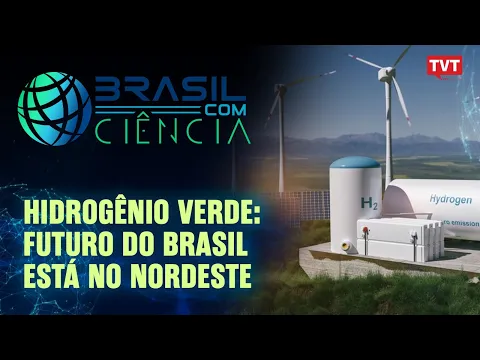
The production of green hydrogen in the Northeast would not be possible without the development of robust infrastructure that allows for the transportation and logistics of the fuel. In this context, the Porto-Indústria, which is being facilitated by the government of Rio Grande do Norte, plays a fundamental role. The port will be crucial for the transportation of green hydrogen produced in the region, facilitating its export to international markets.
Additionally, the state is working to develop the necessary regulations to support the growth of this sector.
The Legislative Assembly of RN (ALRN) is drafting a regulation project for the green hydrogen production environment, while the National Congress has already approved the Legal Framework for hydrogen production, creating a favorable regulatory environment to attract more investments. These measures are essential to ensure that green hydrogen becomes a central part of Brazil’s energy matrix.
The Impact of Green Hydrogen on Job Creation in the Northeast
One of the most promising aspects of the investment in green hydrogen in the Northeast is the positive impact it will have on job creation. The expectation is that H2V production projects will generate over 30,000 new direct and indirect jobs, opening opportunities in various areas, from engineering and technology to logistics and project management.
This new demand for skilled labor is being met by initiatives like the Center for Excellence in Professional Training for Green Hydrogen, inaugurated this February in Rio Grande do Norte.
This center is the first in Brazil to offer specialized training for professionals looking to work in the production of green hydrogen. In real operating conditions, students learn everything from the generation of renewable energy to the practical production and application of green hydrogen. This training is essential to ensure that Brazil has the human resources needed to excel in the global green hydrogen market.
The Future of Green Hydrogen in the Northeast and the Transition to the Fuel of the Future
Green hydrogen is rapidly becoming one of the most promising solutions for reducing greenhouse gas emissions. Brazil, with its abundance of renewable resources, is well-positioned to become a global leader in the production of this fuel of the future, and the Northeast, in particular, is taking the lead in this movement.
States such as Ceará, Piauí, and Bahia are also heavily investing in the development of green hydrogen projects, with Ceará leading in the number of ongoing projects, totaling 27 initiatives.
However, Rio Grande do Norte continues to stand out for its pioneering efforts and the already developing infrastructure to support H2V production.
With investments that could reach US$ 90 billion across the Northeast region, green hydrogen promises not only to transform the local economy but also to put Brazil on the global map as one of the leading exporters of this clean and sustainable fuel.
By making this transition to the fuel of the future, Brazil will significantly contribute to the fight against climate change while generating new jobs and opportunities for regional development.
The Northeast as a Global Protagonist in the Production of the Fuel of the Future
The investment of over R$ 120 billion in green hydrogen production in the Northeast, especially in Rio Grande do Norte, is a clear demonstration of the region’s potential to lead the clean energy sector.
With abundant natural resources, developing infrastructure, and the support of major international companies, the Northeast is positioning itself as a global power in the production of the fuel of the future.
The creation of more than 30,000 new jobs reinforces the importance of this investment not only for the local economy but also for the global energy transition. As green hydrogen becomes a central piece in the fight against climate change, the Northeast of Brazil is prepared to play a key role in the production of this fuel that promises to revolutionize the energy sector.









-

-

3 pessoas reagiram a isso.