





 English
  Francês
  Alemão
  Italiano
  Japonês
  Norueguês
  Portuguese
  Spanish
  5 min of reading
  1 comment


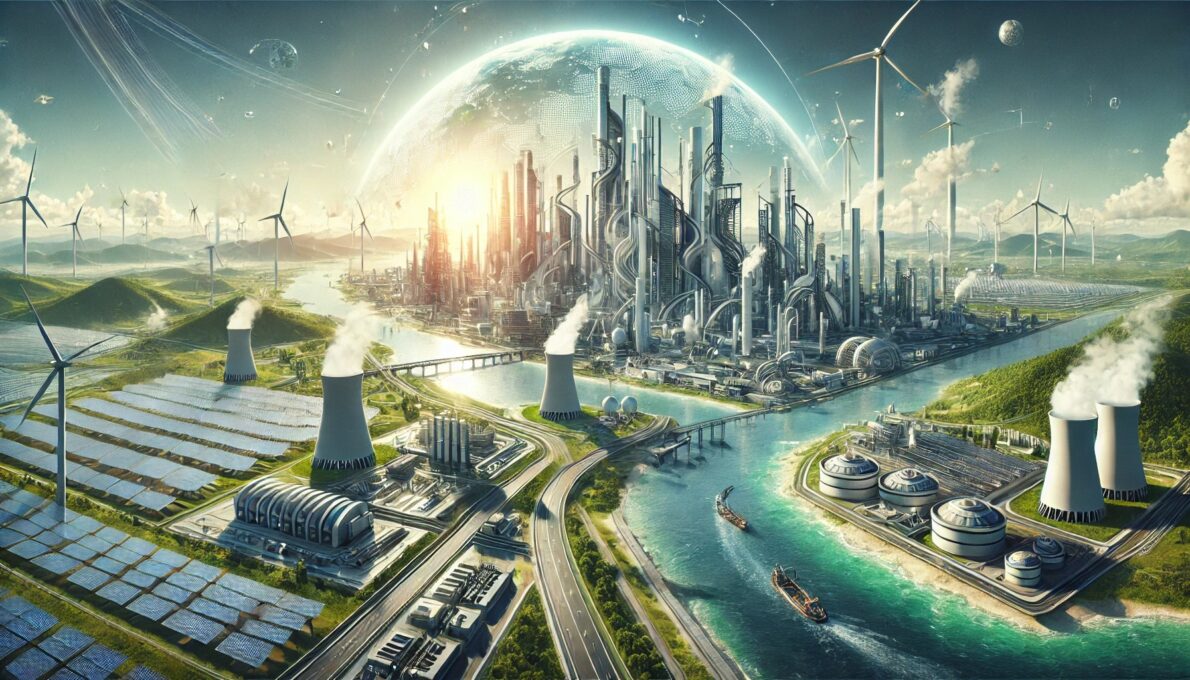


The Northeast Region of Brazil Is About to Receive an Investment of R$ 120 Billion to Boost Green Hydrogen Production, Positioning Itself as a Future Power in the Global Clean Energy Scenario.
Megainvestment Coming to the Northeast: The Northeast Region of Brazil is at the center of a global energy revolution with a clear focus: the production of green hydrogen, considered the fuel of the future. Among the states leading this race is Rio Grande do Norte, which recently announced a massive investment of R$ 120 billion for the development of projects aimed at green hydrogen production (H2V). With the potential to generate over 30,000 new jobs and attract billions in investments, the Northeast is about to establish itself as a global powerhouse in the production of this innovative fuel.
Rio Grande do Norte as a Leader in Green Hydrogen Production and Its Ideal Conditions
Rio Grande do Norte, already known as the largest producer of wind energy in Brazil, is at the forefront of a new wave of development with green hydrogen. The state has the perfect combination of natural resources and infrastructure that puts it in an advantageous position to lead the production of the fuel of the future. In addition to abundant wind energy, the state also has great availability of water, both essential for H2V production.


Currently, at least six projects are in development in the state, with the potential to generate 5 GW of clean energy. Three of these projects are already in the environmental licensing phase, representing an important step towards transforming Rio Grande do Norte into a global hub for green hydrogen production.
-
A study reveals the expansion of renewable energy procurement in Brazil and shows how companies are taking advantage of opportunities to reduce expenses, ensure energy efficiency, and strengthen strategic environmental commitments.

-
Mato Grosso do Sul excels in the sugar-energy sector: the state reaches a milestone of 22 operating mills and accelerates the production of clean energy in MS with a focus on sustainability.

-
National energy dilemma: Brazilians support clean energy but reject increases in tariff costs to finance the sustainable transition.
-
Research indicates that Brazilians support clean energy and wish to advance in the energy transition, but reject paying more on their electricity bill, showing a direct conflict between cost and sustainability.

This advancement is largely due to the collaboration between the state government and the private sector, which is already attracting investments from international companies such as the German Nordex and the Spanish Acciona.
The Impact of the Megainvestment of R$ 120 Billion on Green Hydrogen for the Northeast
With a total estimated investment of R$ 120 billion, Rio Grande do Norte stands out as a strategic hub for the production of the fuel of the future. According to the National Confederation of Industry (CNI) and the Economic Development Secretary of RN (Sedec), the green hydrogen projects in the state have the potential to generate a total of US$ 20 billion in direct investments. This positions Rio Grande do Norte at the forefront of a movement that could transform the region’s economy and create more than 30,000 new jobs in the coming years.
The Alto dos Ventos Industrial Complex in Macau is one of the main projects under development in the state. With an estimated investment of US$ 2.5 billion (around R$ 12.9 billion), this project is led by Nordex and Acciona, covering an area of 10 hectares with a production capacity of 1 GW of green hydrogen. This capacity places the project among the largest in the world and reinforces the role of Rio Grande do Norte as an emerging powerhouse in the production of the fuel of the future.
The Crucial Role of Infrastructure in the Flow of Green Hydrogen in the Northeast
The production of green hydrogen in the Northeast would not be possible without the development of a robust infrastructure that allows for the flow and transport of the fuel. In this context, the Port-Industry project, which is being made viable by the government of Rio Grande do Norte, plays a fundamental role. The port will be crucial for the transportation of green hydrogen produced in the region, facilitating its export to international markets.
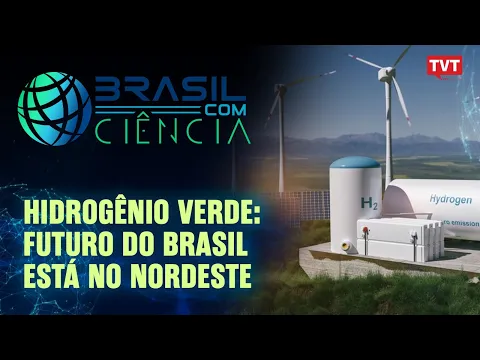
Additionally, the state is working to develop the necessary regulations to support the growth of this sector. The Legislative Assembly of RN (ALRN) is drafting a regulation project for the green hydrogen production environment, while the National Congress has already approved the Legal Framework for hydrogen production, creating a favorable regulatory environment to attract more investments. These measures are essential to ensure that green hydrogen becomes a central part of Brazil’s energy matrix.
The Impact of Green Hydrogen on Job Creation in the Northeast
One of the most promising aspects of investing in green hydrogen in the Northeast is the positive impact it will have on job creation. The expectation is that the H2V production projects will generate over 30,000 new direct and indirect jobs, opening opportunities in various fields, from engineering and technology to logistics and project management.
This new demand for skilled labor is being met by initiatives such as the Center of Excellence in Professional Training for Green Hydrogen, inaugurated in February of this year in Rio Grande do Norte.
This center is the first in Brazil to offer specialized training for professionals who wish to work in the production of green hydrogen. In real operational conditions, students learn from renewable energy generation to the production and practical application of green hydrogen. This training is essential to ensure that Brazil has the human resources necessary to excel in the global green hydrogen market.
The Future of Green Hydrogen in the Northeast and the Transition to the Fuel of the Future
Green hydrogen is rapidly becoming one of the most promising solutions for reducing greenhouse gas emissions. Brazil, with its abundance of renewable resources, is well-positioned to become a global leader in the production of this fuel of the future, and the Northeast, in particular, is leading this movement.
States such as Ceará, Piauí, and Bahia are also investing heavily in the development of green hydrogen projects, with Ceará leading the number of ongoing projects, totaling 27 initiatives. However, Rio Grande do Norte continues to stand out for its pioneering efforts and the infrastructure already under development to support H2V production.
With investments that could reach US$ 90 billion across the Northeast region, green hydrogen promises not only to transform the local economy but also to place Brazil on the global map as one of the leading exporters of this clean and sustainable fuel. By making this transition to the fuel of the future, Brazil will be contributing significantly to the fight against climate change while generating new jobs and opportunities for regional development.
The Northeast as a Global Leader in the Production of the Fuel of the Future
The investment of R$ 120 billion in green hydrogen production in the Northeast, especially in Rio Grande do Norte, is a clear demonstration of the region’s potential to lead the clean energy sector.
With abundant natural resources, developing infrastructure, and support from major international companies, the Northeast is positioning itself as a global powerhouse in the production of the fuel of the future.
The creation of over 30,000 new jobs reinforces the importance of this investment not only for the local economy but also for the global energy transition. As green hydrogen becomes a central piece in the fight against climate change, the Northeast of Brazil is prepared to play a prominent role in the production of this fuel that promises to revolutionize the energy sector.









Sensacionalismo e click bating pegou pesado. O futuro pode mesmo ser incrível no NE em função do H2V. MAS tudo isso ainda é muito incerto – tão incerto que a metéria fala em 120 bi – só não fala da onde vem o dinheiro!!!!!