





 English
  Francês
  Alemão
  Italiano
  Japonês
  Norueguês
  Portuguese
  Spanish
  3 min of reading
  0 comments


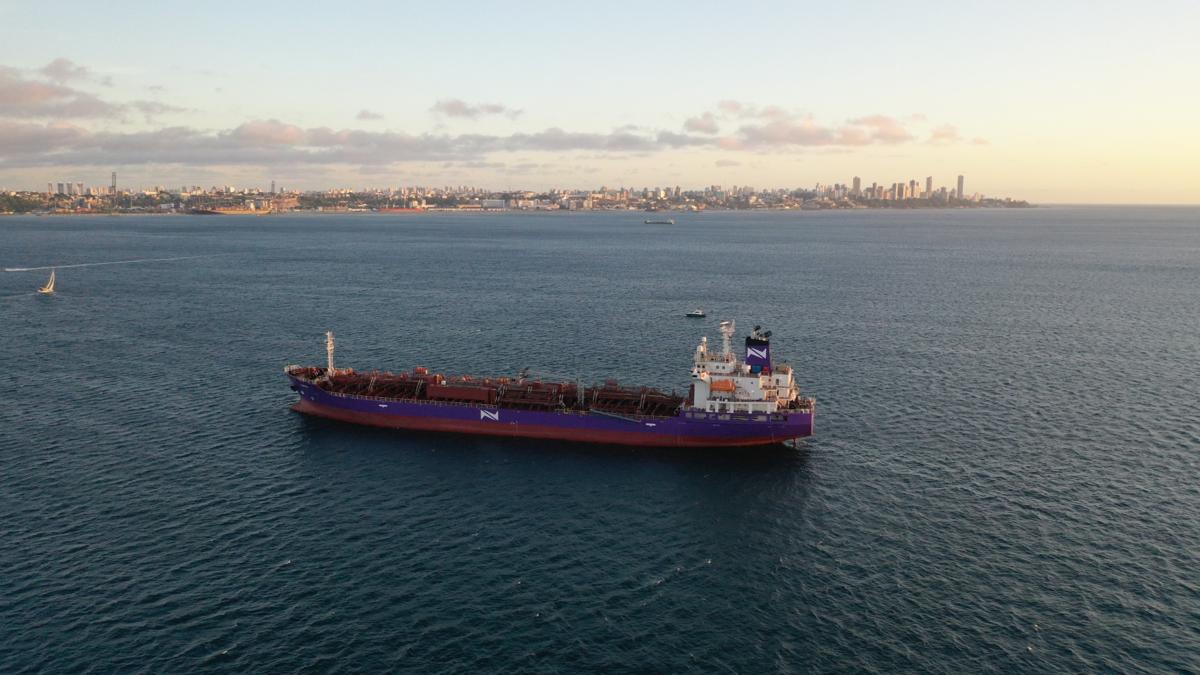
Bureau Veritas Certification Proves Structural Integrity, Reliability of Systems, and High Performance of the Taruca Ship in the Cabotage and Chemical Transport Market
Initially, Norsul, a Brazilian shipping company based in Rio de Janeiro with over 60 years of operation, achieved significant technical recognition.
Thus, the chemical ship Taruca received CAP 1 classification in all evaluated areas.
Moreover, the certification was granted by Bureau Veritas, an international entity recognized for assessing safety, quality, and compliance in the maritime sector.
-
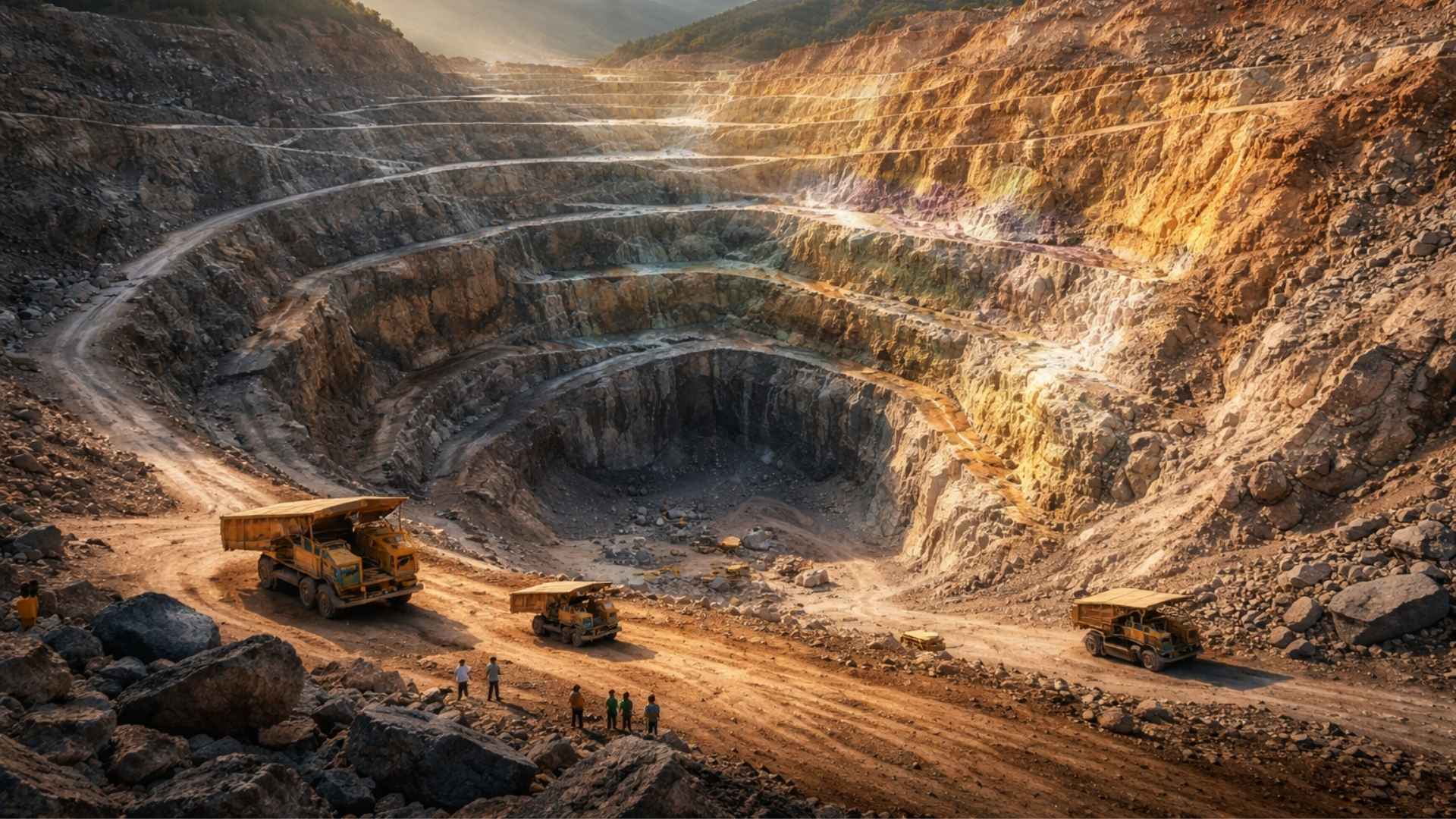
China discovers a mega reserve with 10.4 million tons of rare earths and could redefine global dominance in technology, clean energy, and the military industry with 27.1 million tons of fluorite and 37.2 million tons of barite.
-
China began working on 6G in 2019 when commercial 5G barely existed and now leads the world in patents for a technology that promises speeds 100 times greater, and no country wants to be left out.

-
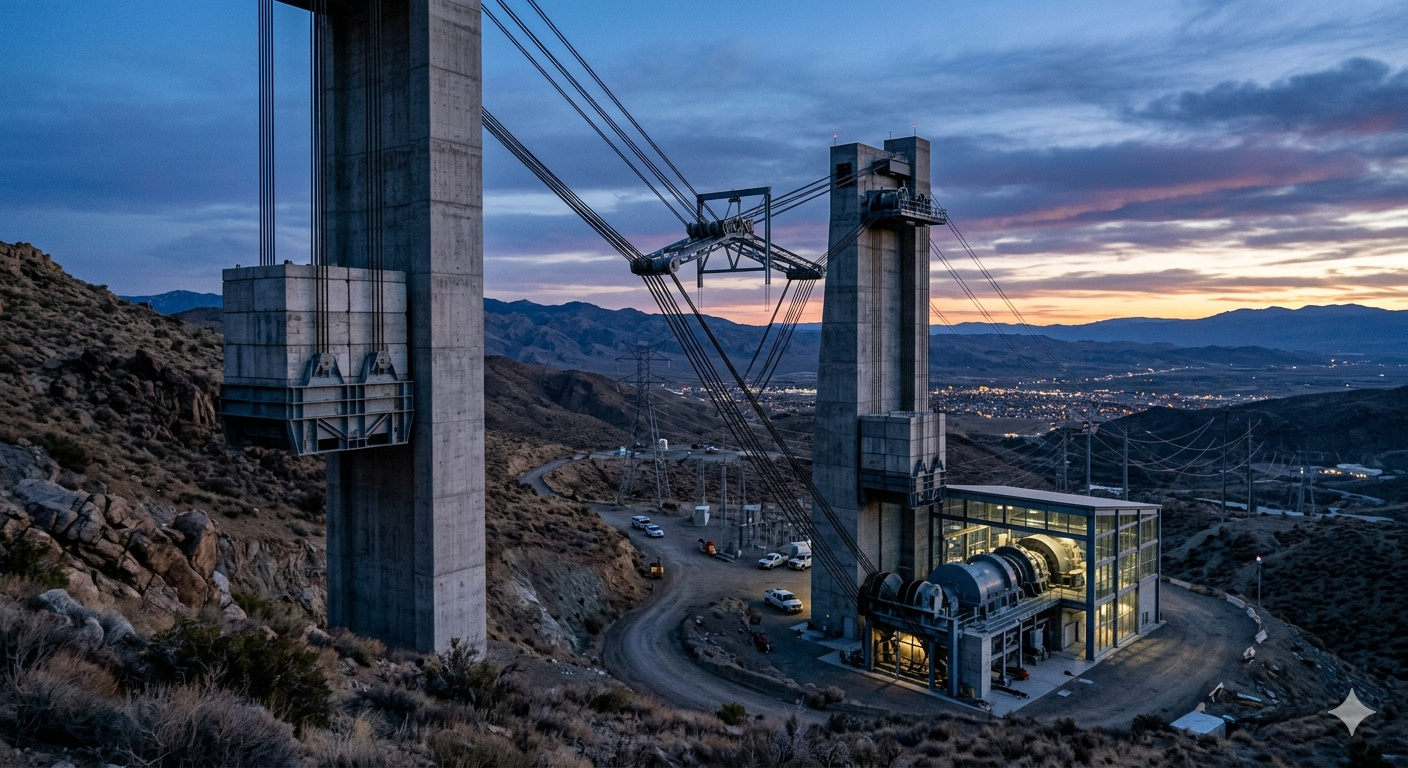
Around 500,000 abandoned coal mines could be turned into giant batteries using only sand and gravity, studies indicate a potential of up to 70 TWh of storage, with China, India, and the USA concentrating enough capacity to power entire cities without needing to build anything new.
-
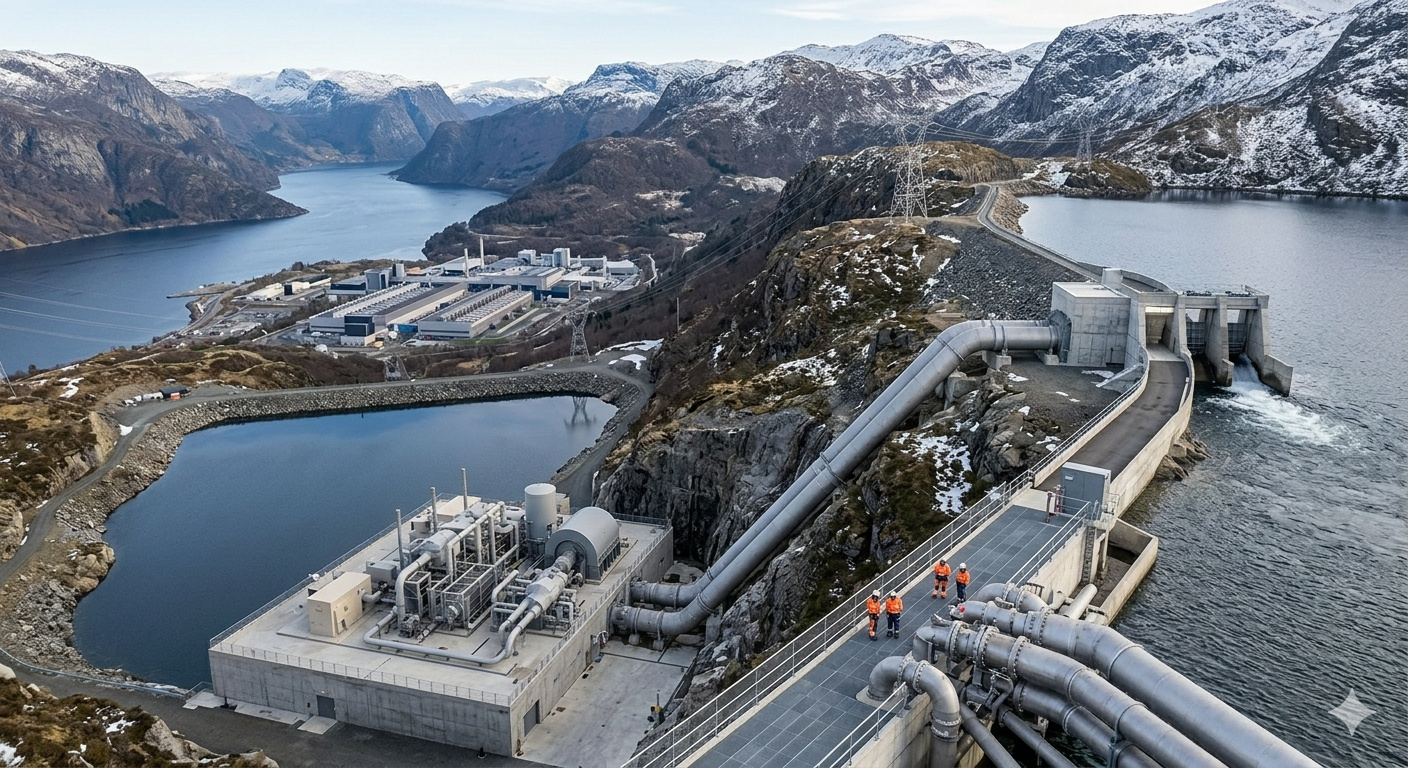
While the world bets on lithium, Norway invests over R$ 1.3 billion in a “water battery” that pumps energy 360 meters up the mountain, stores up to 107 GWh, and ensures stable electricity for the aluminum industry during the winter.

Therefore, the result was obtained after the most recent dry docking of the vessel, conducted recently, as reported by the company itself.
Technical Assessment Ensures Maximum Quality Standard
First of all, the Condition Assessment Programme (CAP) is a detailed technical program that evaluates the actual condition of vessels.
In this sense, the process analyzes structure, systems, and equipment with high technical rigor.
Additionally, the classification varies between CAP 1 and CAP 4.
Therefore, CAP 1 represents the highest level of technical performance and operational condition of the asset.
Consequently, the certification confirms the high standard of structural integrity and reliability of the Taruca’s systems.
Ship’s Evolution Reinforces Operational Efficiency
Previously, the ship had received CAP 2 classification.
Now, however, the Taruca has achieved the maximum level CAP 1, demonstrating significant evolution.
Moreover, the result becomes even more relevant because the vessel has about 20 years of operation.
Thus, the performance highlights the structural robustness and consistency of maintenance practices over time.
Capacity and Operation in Chemical Transport
Currently, the Taruca ship has a capacity of approximately 21,500 m³, distributed across 22 tanks.
Additionally, the vessel transports ethanol, biodiesel, petroleum derivatives, and chemical products.
Thus, its operation occurs continuously in the cabotage and specialized maritime transport market.
Direct Impact on Vetting Processes
At the same time, the CAP certification is widely used in vetting processes, which assess risks and operational standards of vessels.
Moreover, charterers, insurers, and financial institutions use this indicator for risk analysis.
Therefore, the CAP 1 classification enhances commercial confidence in the asset.
Consequently, the Taruca strengthens its competitiveness in the international maritime transport market.
Statement Reinforces Safety Culture
According to Aline Carvalho, Director of People, Management, and Fleet at Norsul, the achievement reflects continuous investment.
“Achieving CAP 1 classification with a 20-year-old ship demonstrates that investing in people and processes yields consistent results.”
Additionally, she emphasized that safety is a daily practice at the company.
Thus, the recognition was the result of the collective commitment of the teams involved.
Quality of Dry Docking and Efficient Management
Additionally, the result also highlights the quality of the recently conducted dry docking.
Thus, the company’s commitment to operational safety, fleet reliability, and efficient asset management is reinforced.
Consolidated Norsul Operations in Brazil
Currently, Norsul has 62 years of experience in cabotage in Brazil.
Moreover, in 2024, the company transported 14.2 million tons of cargo, including solid and liquid bulk.
In this context, notable cargoes include cement, minerals, hydrocarbons, and biofuels.
Additionally, the recorded revenue was R$ 1.4 billion during the period.
Finally, the company operates with 20 owned vessels, in addition to bases in Rio de Janeiro, Espírito Santo, and Santa Catarina.
In light of this scenario, the certification of the Taruca reinforces the company’s positioning in an increasingly competitive and demanding sector.






Seja o primeiro a reagir!