





 Português
  Inglês
  Espanhol
  4 min de leitura
  0 comentários


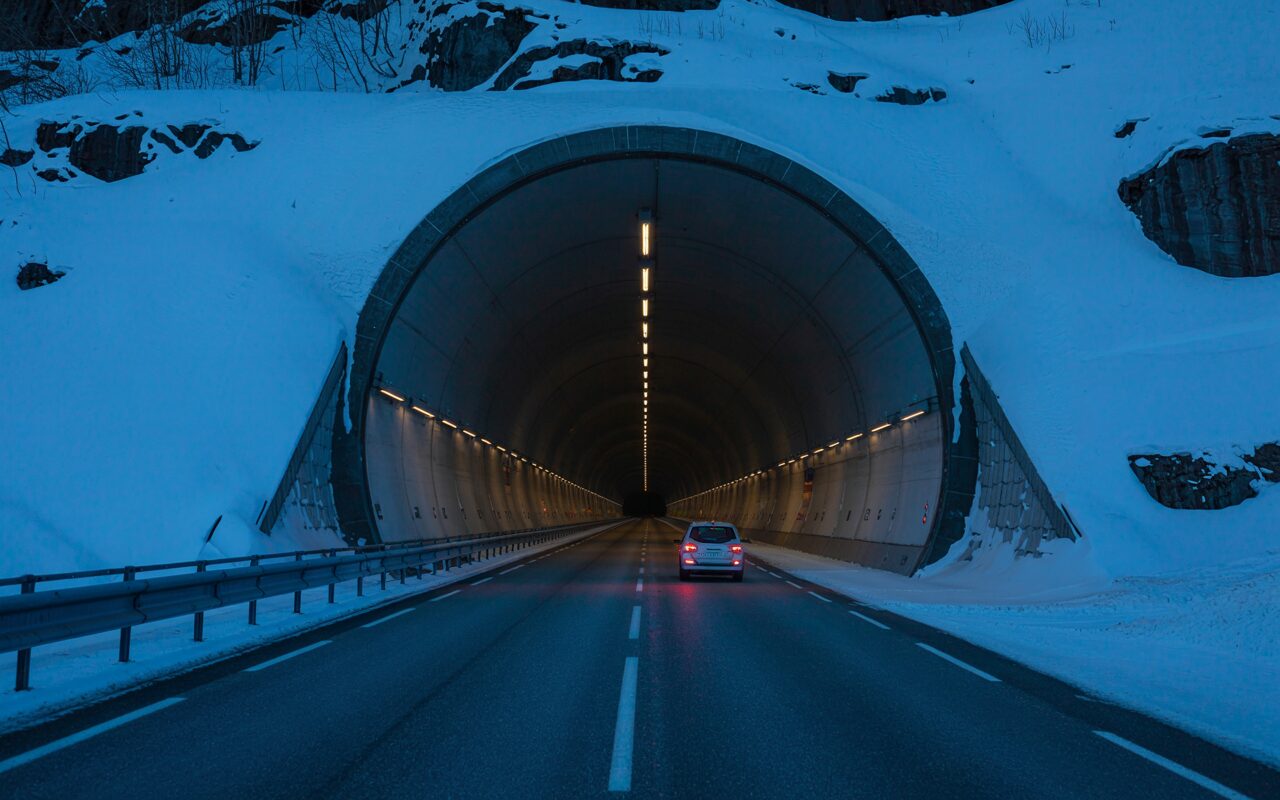
Underwater Tunnel Will Replace Ferries, Shorten Routes, and Transform Mobility Along the Norwegian Coast
Norway is building what will be the longest and deepest road tunnel in the world, an ambitious underwater structure that promises to completely transform the transportation system on the country’s west coast. Scheduled for completion in 2033, the project is part of the modernization of the E39 highway, which runs through Norway’s fjords—areas of stunning natural beauty but complex logistics.
The new underwater tunnel will be about 27 km long and excavated at an impressive depth of 392 meters, surpassing all existing records for road tunnels. The goal is to replace current ferry crossings, which are responsible for significant delays and dependencies on weather conditions. With the new connection, travel time in the region will be drastically reduced and the distance shortened by up to 50 km.
The Largest Road Tunnel in the World Will Also Be the Deepest
Currently, Norway holds the title of the largest road tunnel in the world with the Lærdalstunnelen, which is 24.5 km long. With the new project, the intention is to surpass this mark and set a new standard for global engineering.
-
A megaproject worth R$ 89 billion is advancing in Iraq and promises to change the game in global trade by creating a new corridor between Asia and Europe, reducing traditional routes and repositioning the country as a logistics powerhouse.
-
Goodbye bedside table: floating shelves become a trend in 2026 by freeing up space in the bedroom, improving circulation, bringing visual lightness, and integrating technology without taking up floor space.

-
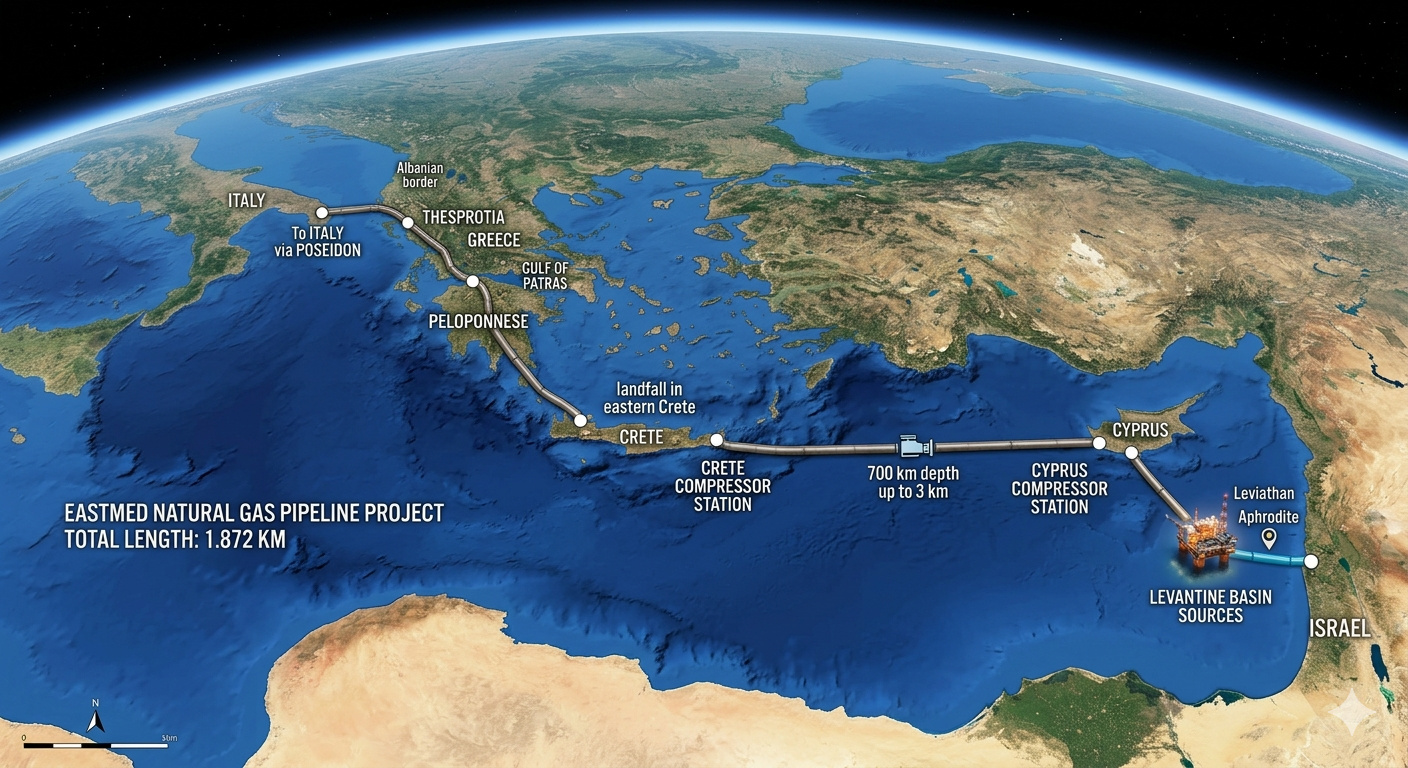
Israel, Greece, and Cyprus signed an agreement in 2020 to transport gas from the Mediterranean to Europe via a 1,872 km pipeline, but Turkey claimed sovereignty over part of the maritime route, and the project never materialized.
-
Israel, Greece, and Cyprus signed an agreement in 2020 to transport gas from the Mediterranean to Europe via a 1,872 km pipeline, but Turkey claimed sovereignty over part of the maritime route, and the project never materialized.

The structure will be excavated beneath the sea and between deep fjords, where geological characteristics demand advanced construction techniques. The depth of nearly 400 meters places the project in an unprecedented category. The water pressure and seismic instabilities are constant challenges, requiring high-precision solutions at every stage of construction.
According to Norwegian authorities, this infrastructure will not only be a milestone in mobility but will also become a symbol of the country’s ability to handle hostile environments using cutting-edge engineering.
State-of-the-Art Technology in Norway’s Underwater Tunnel
The design of the longest and deepest road tunnel in the world is being developed with a range of technological innovations. Among the highlights is the implementation of intelligent lighting systems, capable of adjusting light intensity based on vehicle flow and internal conditions.
Another advancement is the adaptive ventilation system, which automatically adjusts air circulation, maintaining air quality even in emergency situations. There will also be safety zones for evacuation, as well as sensors to detect any abnormalities, such as fires or geological movements.
One of the most innovative elements is the construction of an underground roundabout – something extremely rare in road tunnels. This structure will allow for more efficient traffic distribution, avoiding bottlenecks and increasing safety for the drivers using the new connection.
Underwater Tunnel Will Facilitate Logistics and Boost Tourism
The construction of the largest road tunnel in the world will not only be a technical achievement. The expected impact on the lives of local residents will be significant. Currently, the E39 highway relies on ferries to cross stretches of sea between the fjords, making the journey slow and unpredictable. With the new connection, cargo trucks, buses, and light vehicles will be able to travel with much more agility, safety, and efficiency.
The logistics of transporting goods will be optimized, reducing delivery times and fuel costs. Moreover, emergency services will have faster access to remote areas, which can save lives in critical situations.
Another sector that will be directly benefited is tourism. Norway is known for its natural landscapes, and the improvement of infrastructure will make coastal regions more accessible to visitors from both within and outside the country. The underwater tunnel could even become an attraction in itself for those who appreciate grand works of modern engineering.
Climate and Geological Challenges Increase the Complexity of the Work
Norway has one of the most challenging climates in Europe, with long periods of snow, strong winds, and unstable ground conditions. To build the deepest road tunnel in the world, teams must deal with fjords that are over a thousand meters deep, unstable rocks, and the constant threat of low-magnitude earthquakes.
The soil in the area where the tunnel will be constructed presents 73 different types of rocks, which requires real-time adaptations in drilling and structural reinforcement. These variables make the execution of the project a true engineering test.
Despite this, the engineers involved remain confident in the schedule, which anticipates the total completion of the project by 2033. Excavations and the installation of safety and ventilation systems are already underway in various sections.
Largest Road Tunnel in the World Reinforces Norway’s Leadership in Infrastructure
The construction of Norway’s new underwater tunnel reinforces the country’s position as a global leader in sustainable and efficient infrastructure. The initiative aligns with Norwegian environmental policies, which aim to reduce CO₂ emissions and encourage road transport less dependent on fossil fuels.
With the elimination of ferries, there will also be a reduction in pollutant emissions and diesel consumption. Furthermore, the improvement in road traffic could be integrated into other urban mobility policies, such as the use of electric vehicles and zero-emission intercity buses.
Norway is merging sustainability, advanced engineering, and future vision into a single project. By building the longest and deepest road tunnel in the world, the country signals that it is possible to face extreme geographical challenges with planning, technology, and commitment to the well-being of its population.
With a direct impact on the economy, tourism, and the quality of life of residents, the E39 project could become a global reference for how major works can transform societies. When completed, the tunnel will not only facilitate travel—it will mark a new chapter in the history of European mobility.










Seja o primeiro a reagir!