





 Portuguese
  English
  Spanish
  3 min of reading
  0 comments


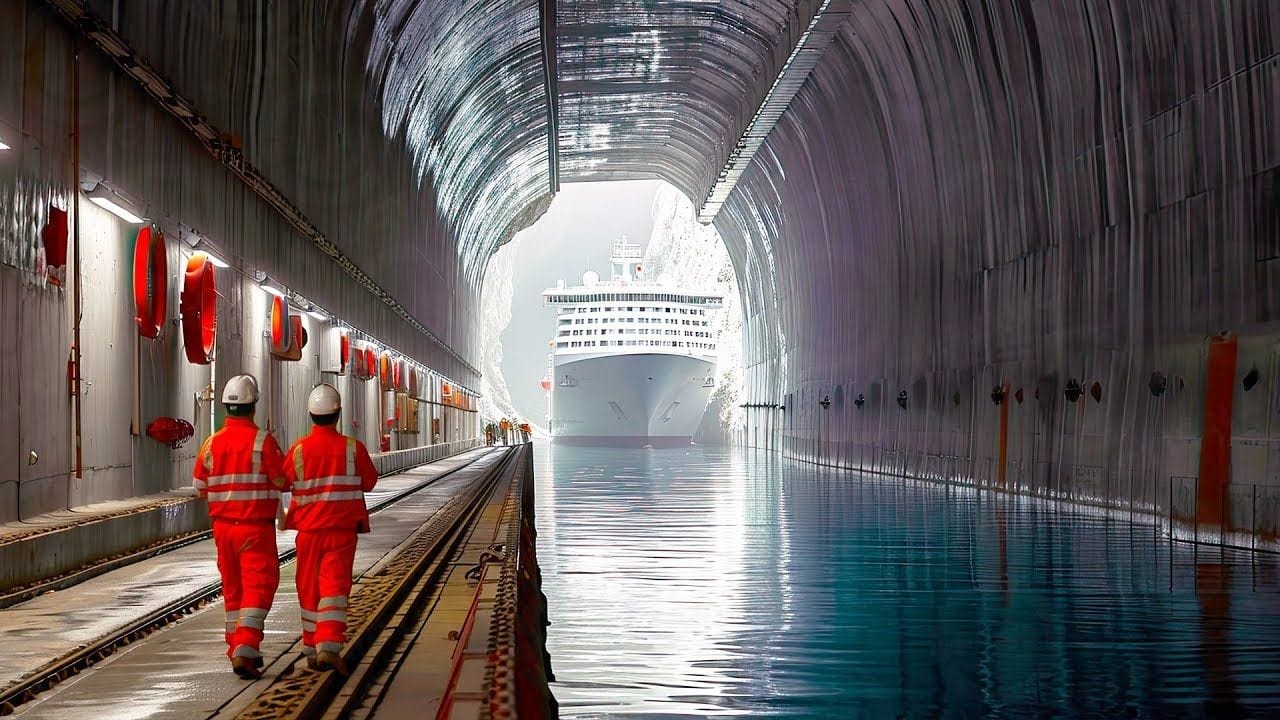
The Construction of the Stad Tunnel in Norway Is More Than an Engineering Feat; It Is a Testament to Human Ability to Innovate in the Face of Nature-Imposed Challenges.
In a pioneering endeavor, Norway is constructing the world’s first tunnel for ships, a monumental project that promises to transform maritime navigation and enhance safety in commercial and tourist transportation. Located in the stretch of water at Stavet, where the North Sea meets the Sea of Norway, the tunnel is a direct response to the challenges imposed by nature in this notoriously difficult area to navigate.
Measuring 1,700 meters in length, 37 meters in width, and 50 meters in height, the tunnel not only impresses with its dimensions but also with its innovative purpose. By allowing safe passage through one of the most stormy and unpredictable areas, the construction aims to minimize the risks faced by sailors and optimize the flow of maritime trade. The Stavet Sea region, known for its adverse conditions that can prevail for up to 110 days a year, has been a significant obstacle for safe navigation, with a historical record of shipwrecks dating back centuries.
Challenges and Innovations of the Construction


The construction of the project, expected to be inaugurated in 2026, faces unique challenges, from the drilling and blasting necessary to carve a path through rocky terrain to the implementation of technical systems capable of withstanding extreme maritime conditions. The project requires the removal of approximately 3 million cubic meters of rock, using construction methods that respect the delicate environmental balance of the region.
-
New CCR concrete paving technology promises roads up to 3x more durable, less maintenance, and cost reduction in Brazil.

-
Made from recycled plastic, plastic wood is gaining space in the construction industry because it does not rot, resists moisture, and reduces maintenance costs over the years.

-
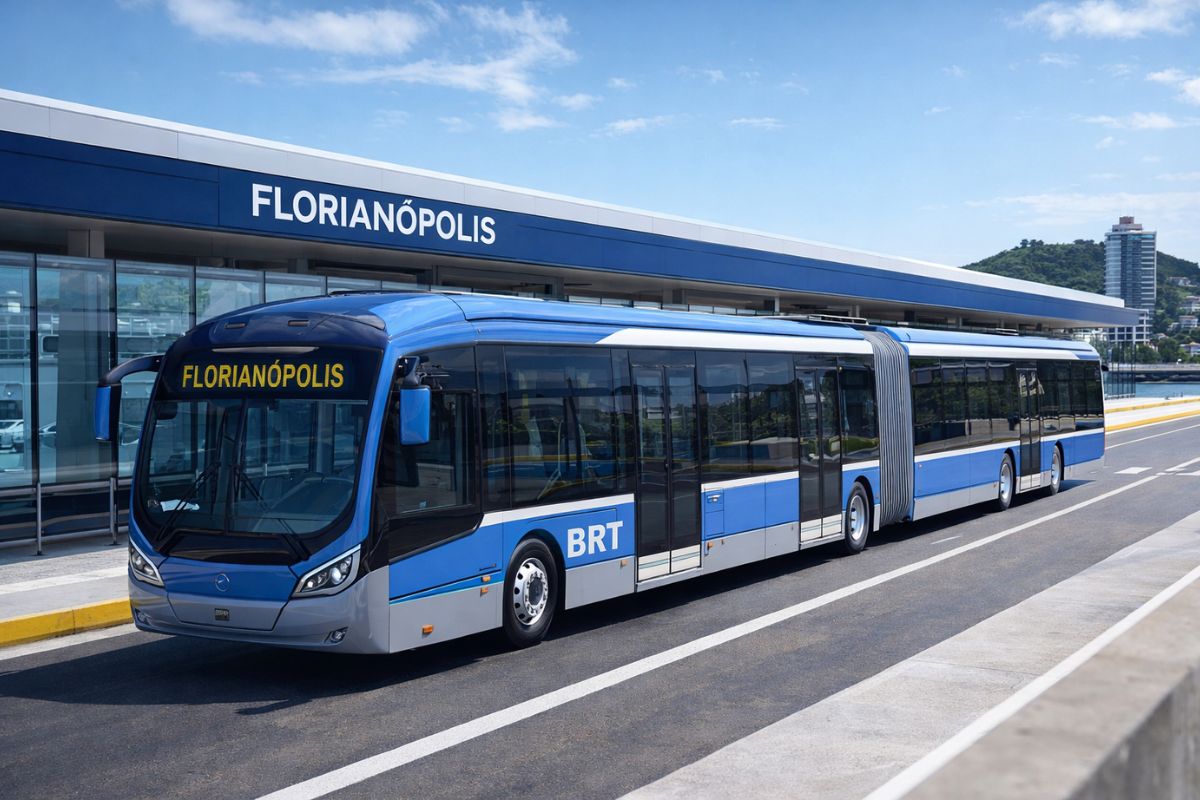
Florianópolis will receive a million-dollar BRT that will begin construction in 2026 with nearly 400 million in funding from the federal government and the Inter-American Development Bank, and the map already shows the routes for the exclusive bus corridors.
-
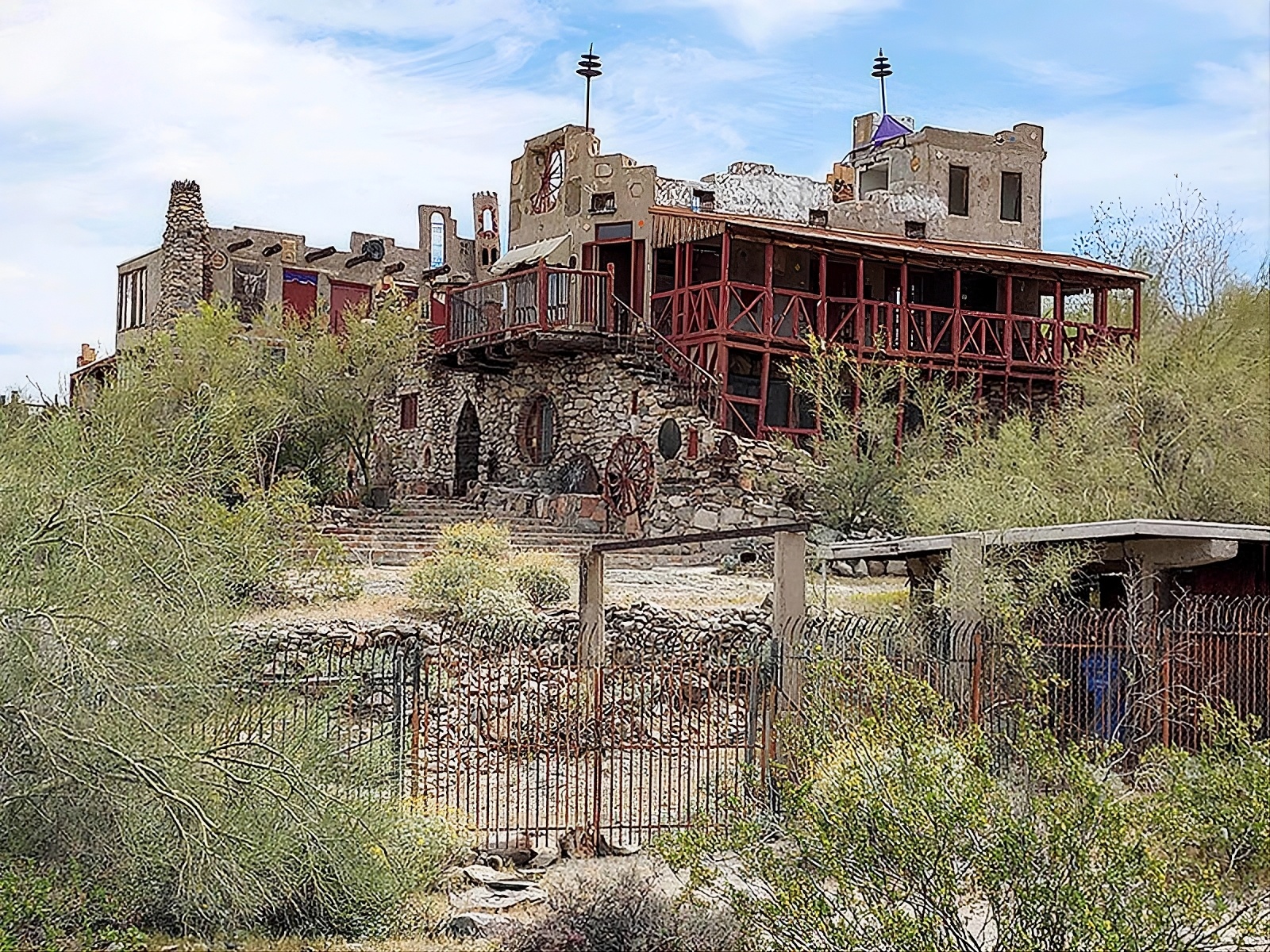
Without a blueprint, without an engineer, and using scrap from the dump, a father spends 15 years building an 18-room castle for his daughter, featuring tram tracks, 13 fireplaces, and over 700 m², which may now be demolished.

The idea of a tunnel of this kind dates back 150 years, with proposals evolving from transporting boats on railway tracks to the current concept of a navigable tunnel. After various feasibility studies and inclusion in the national transport plan in 2013, the Norwegian government granted permission to begin preparations in 2021, with the project bidding scheduled for 2024.
Economic and Touristic Impact of the First Tunnel for Ships in the World
The Stad Tunnel not only promises to revolutionize maritime logistics by shortening routes and saving fuel but it also has the potential to become a new tourist attraction, drawing visitors fascinated by engineering and the natural beauty of Norway. Additionally, the use of the removed rocks in local commercial projects indicates a commitment to the sustainable development of the region.
By connecting two turbulent seas through the world’s first tunnel for ships, Norway not only ensures a safer future for maritime navigation but also opens new horizons for tourism and local economic development.
About Norway
Norway is a country located on the Scandinavian Peninsula in Northern Europe. It is known for its stunning natural landscapes, which include deep fjords, towering mountains, and an extensive coastline. Norway has a rich Viking history and a strong maritime tradition, as well as modern construction and infrastructure.
Norway is a constitutional monarchy with a parliamentary system of government. The country has a highly developed market economy, largely driven by natural resources, especially oil and natural gas, which are the main export sectors. Norway is a member of the European Economic Area (EEA) but has chosen not to join the European Union (EU).
Norwegian society is known for its high standard of living, social equality, and robust social welfare systems. Education and healthcare are of high quality and accessible to all citizens. Norwegian culture values nature, sustainability, and outdoor activities, with “friluftsliv” (an outdoor lifestyle) being a central aspect of daily life.








Seja o primeiro a reagir!