





 Portuguese
  English
  Spanish
  3 min of reading
  0 comments


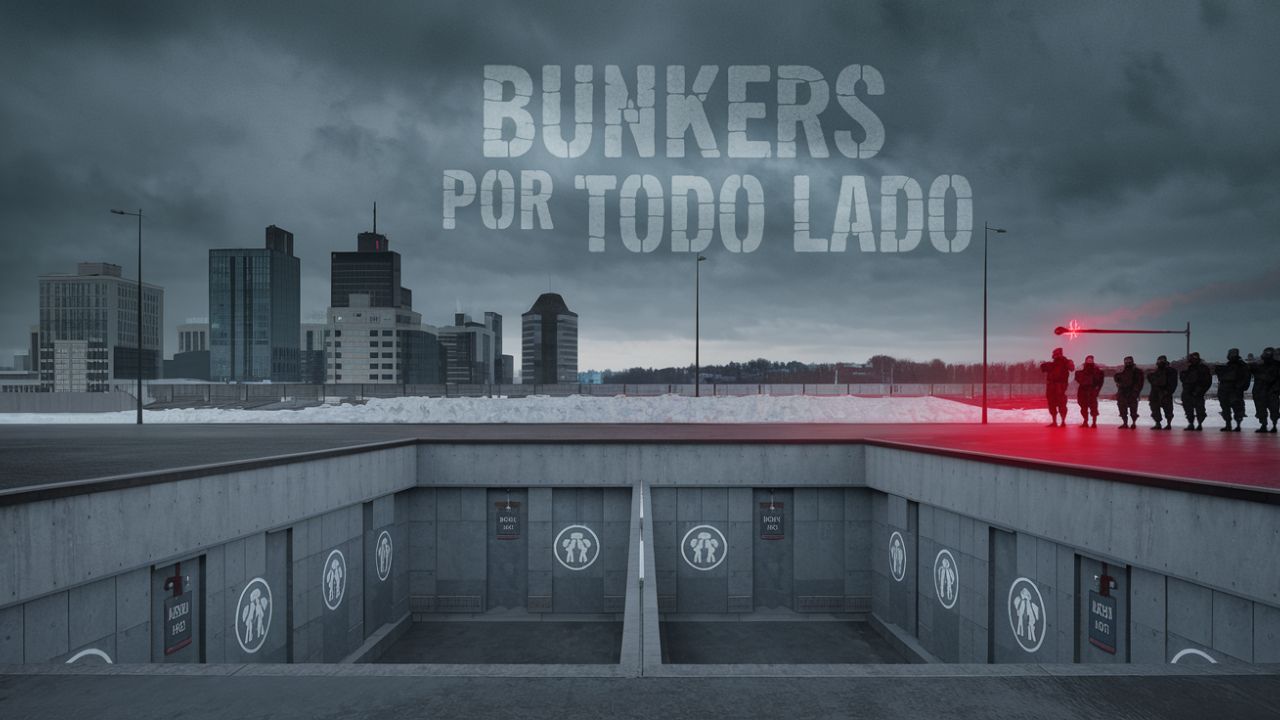
Historical Measure Aims to Protect the Population Against Chemical, Radioactive, and Conventional Weapons; Anti-Air Shelters Will Be Mandatory in Buildings Over 1,000 m², Marking the Return of the Security Strategy After 25 Years.
Europe is experiencing a moment of uncertainty not seen since the Cold War. In the midst of this scenario, Norway stands out by announcing that anti-air shelters will be included in all new large buildings. This decision is not only a reflection of tensions with Russia but also a proactive measure to protect the population from increasingly unpredictable threats.
With a border of over 193 km with Russia and being a founding member of NATO, Norway feels the impacts of Vladimir Putin’s regime’s aggression closely. But what exactly motivated this decision?
Why Is Norway Building Anti-Air Shelters?

Since Russia invaded Ukraine, the fear of military escalation affecting other European nations has become palpable. Norway, as a direct neighbor and strategic NATO member, finds itself on the front lines of this clash.
-
Florianópolis will receive a million-dollar BRT that will begin construction in 2026 with nearly 400 million in funding from the federal government and the Inter-American Development Bank, and the map already shows the routes for the exclusive bus corridors.

-
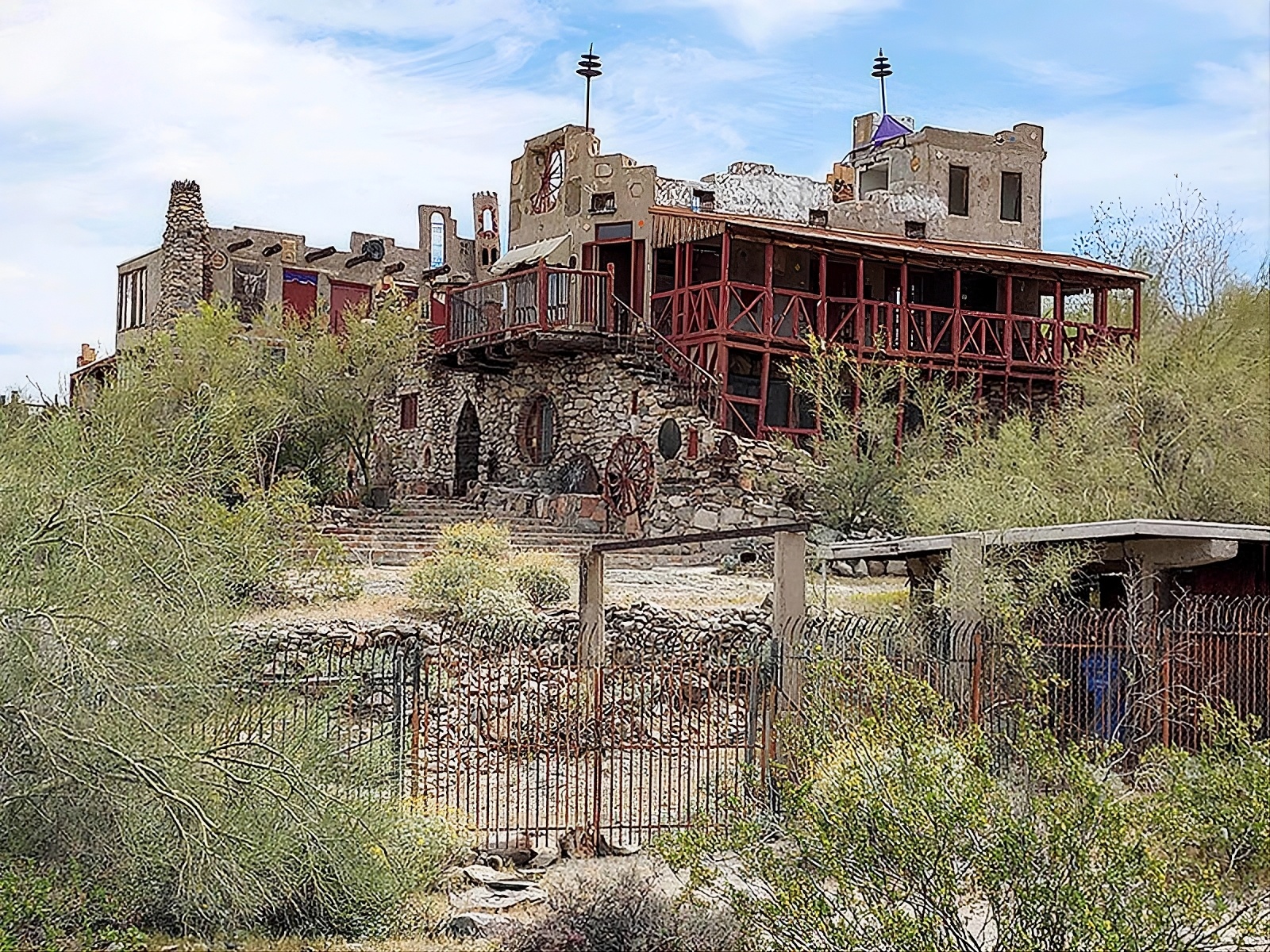
Without a blueprint, without an engineer, and using scrap from the dump, a father spends 15 years building an 18-room castle for his daughter, featuring tram tracks, 13 fireplaces, and over 700 m², which may now be demolished.
-
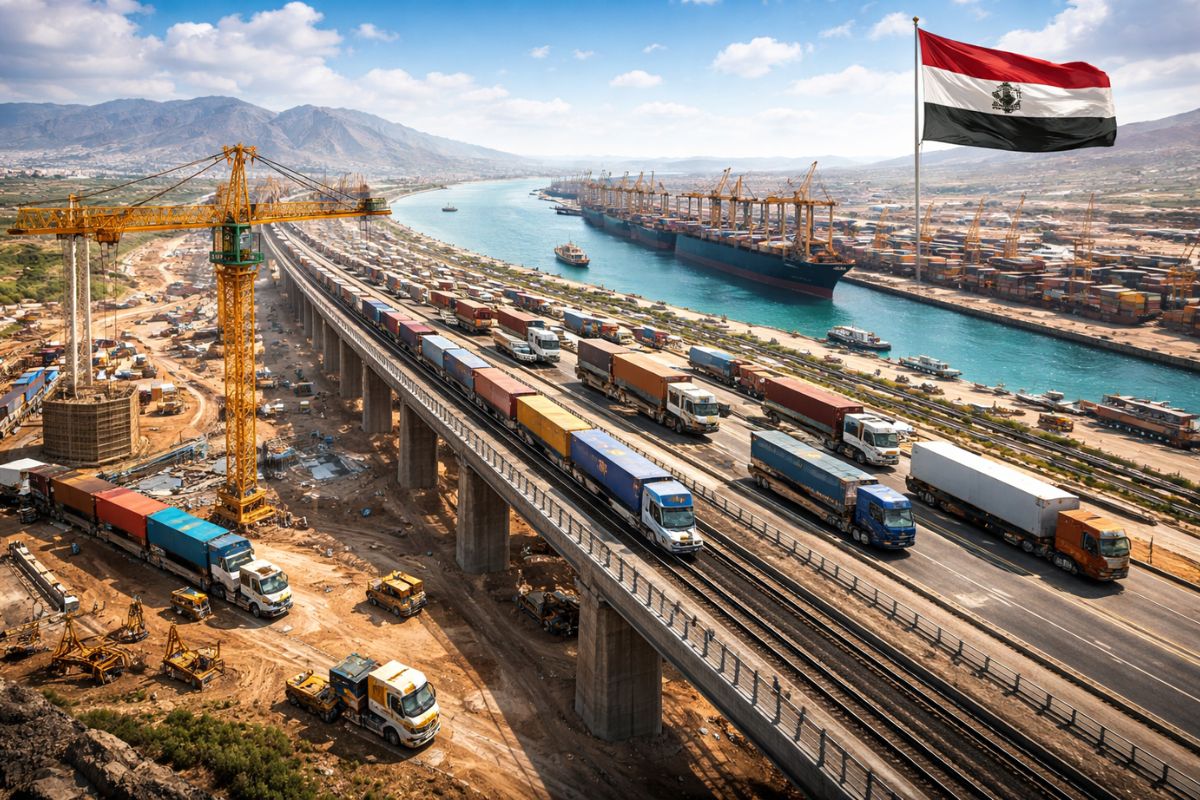
A megaproject worth R$ 89 billion is advancing in Iraq and promises to change the game in global trade by creating a new corridor between Asia and Europe, reducing traditional routes and repositioning the country as a logistics powerhouse.
-
Goodbye bedside table: floating shelves become a trend in 2026 by freeing up space in the bedroom, improving circulation, bringing visual lightness, and integrating technology without taking up floor space.


Putin, with his policy of threats and territorial expansion, has made it clear that he wants to challenge European security. In light of this, the Norwegian government decided not to take risks: if the “worst-case scenario” happens, citizens need to be prepared. It is in this context that the reintroduction of anti-air shelters emerges as a vital solution.
What Will the New Anti-Air Shelters Be Like?
The new anti-air shelters are not simple refuge spaces; they are designed to withstand the worst. Each building over 1,000 square meters will need to have two types of bunkers: one for chemical and radioactive weapons, and another for conventional weapons.
Imagine subway stations or parking lots being repurposed as high-security refuges. This is the central idea behind the new legislation. These spaces may also serve as locations for protection during climate disasters or even pandemics.
The Importance of Shelters for the Civilian Population
When we talk about anti-air shelters, we are not only thinking about wars. These spaces are also a way to prepare for catastrophic events such as hurricanes or epidemics.
The Norwegian Minister of Justice, Emilie Enger Mehl, emphasized that we are entering a “new era,” where uncertainties become the rule, not the exception. In this context, shelters are not just a security measure; they represent a guarantee that the population will have a place to protect itself, regardless of what happens.
NATO Defense Preparations and Norway’s Position
Norway is not alone in this endeavor. As a NATO member, the country actively participates in military exercises in the Arctic region, one of the most challenging territories in the world.
Recent exercises on the ice demonstrate how the alliance is preparing for extreme scenarios. These movements send a clear message: NATO is united and ready to defend its members. Norway, with its strategic location, is a key piece on this board.
In addition to Norway, other countries are reinforcing their defenses. Latvia, Lithuania, and Estonia, which also feel Russian pressure, have announced similar measures. This wave of precautions reflects a Europe that is adapting to a new scenario of uncertainties and geopolitical challenges.









-

Uma pessoa reagiu a isso.