





 Português
  Inglês
  Espanhol
  4 min de leitura
  4 comentários


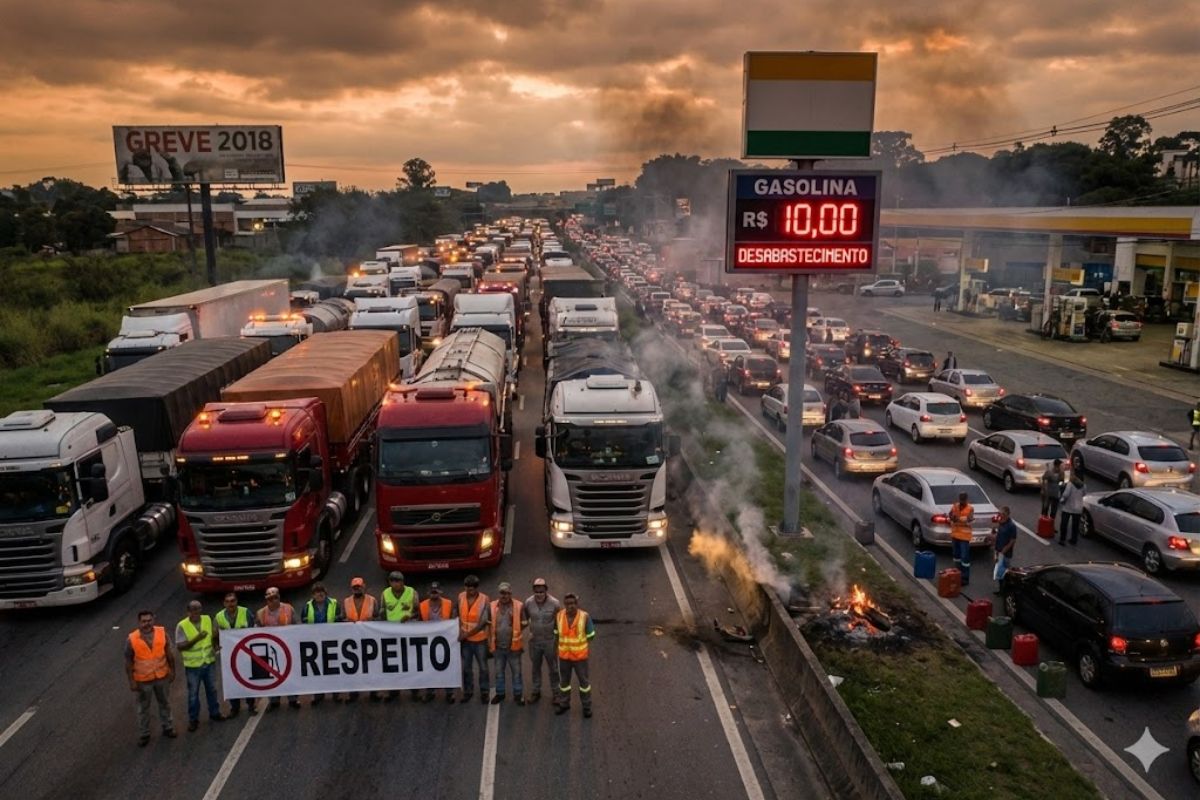


The New Threat of Strike by Truck Drivers, Articulated for This Thursday and Inspired by the Trauma of 2018, Exposes Insufficient Freights, Already Expensive Gas, Risk of Shortages in Few Days and a Category Full of Insecurity, Debts and Lack of Institutional Respect on Brazilian Roads and Doubtful of Recent Official Promises.
Millions of consumers, companies, and public managers are recalculating risks in light of a possible truck drivers’ strike that, according to reports revealed on December 4, 2025, could replicate the scenario of long lines, dry gas stations, and prices exceeding R$ 10 observed during the 2018 shutdown in some regions.
The simple announcement of mobilization is enough to stir expectations, markets, and planning logistical across the country.
The Phantom of 2018 Returns to the Roads
The discussion of a new truck drivers’ strike is gaining momentum as organized groups in different states signal readiness for a national halt, still without definitive confirmation, but already with a suggested date and unified discourse on the survival crisis on the roads.
-
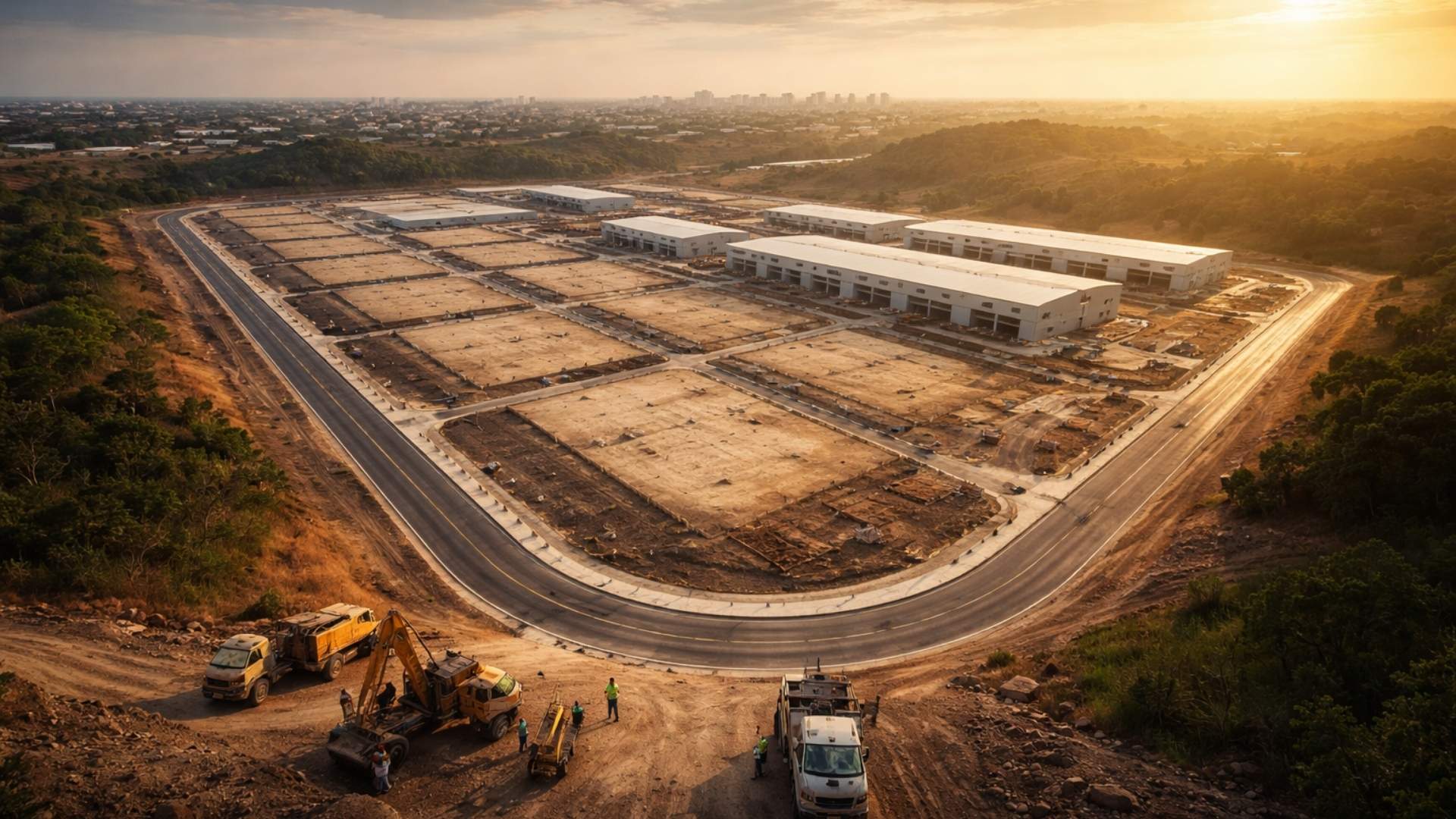
Brazilian city gains industrial hub for 85 companies that is equivalent to 55 football fields.

-
Peugeot and Citroën factory in Argentina cuts production by half and opens a layoff program for more than 2,000 employees after Brazil drastically reduced purchases of Argentine vehicles.

-
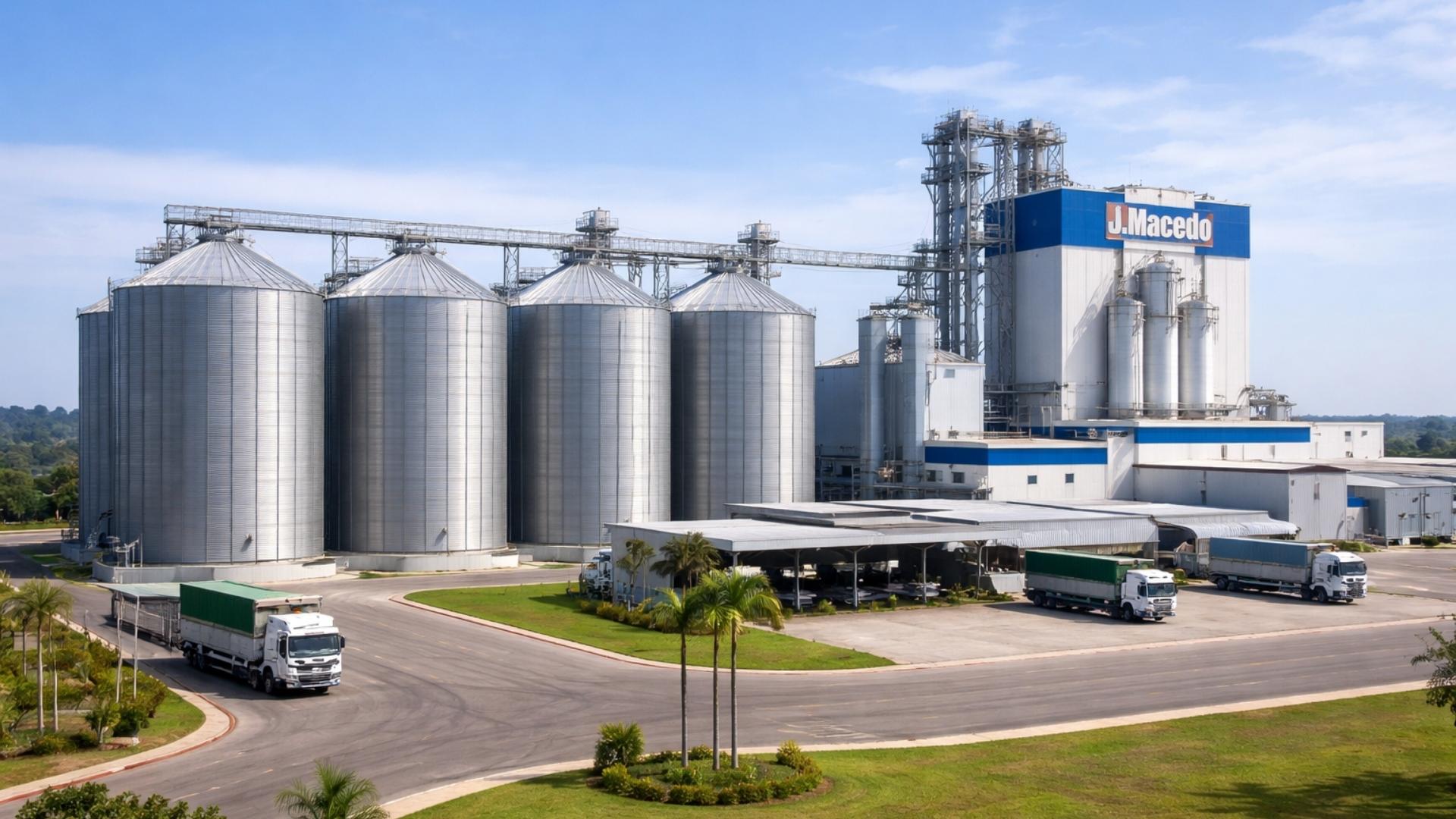
A Brazilian city gains a factory worth R$ 300 million with the capacity to process 200 thousand tons of wheat per year, a mill of 660 tons/day, silos for 42 thousand tons, and an industrial area of 276 thousand m².
-
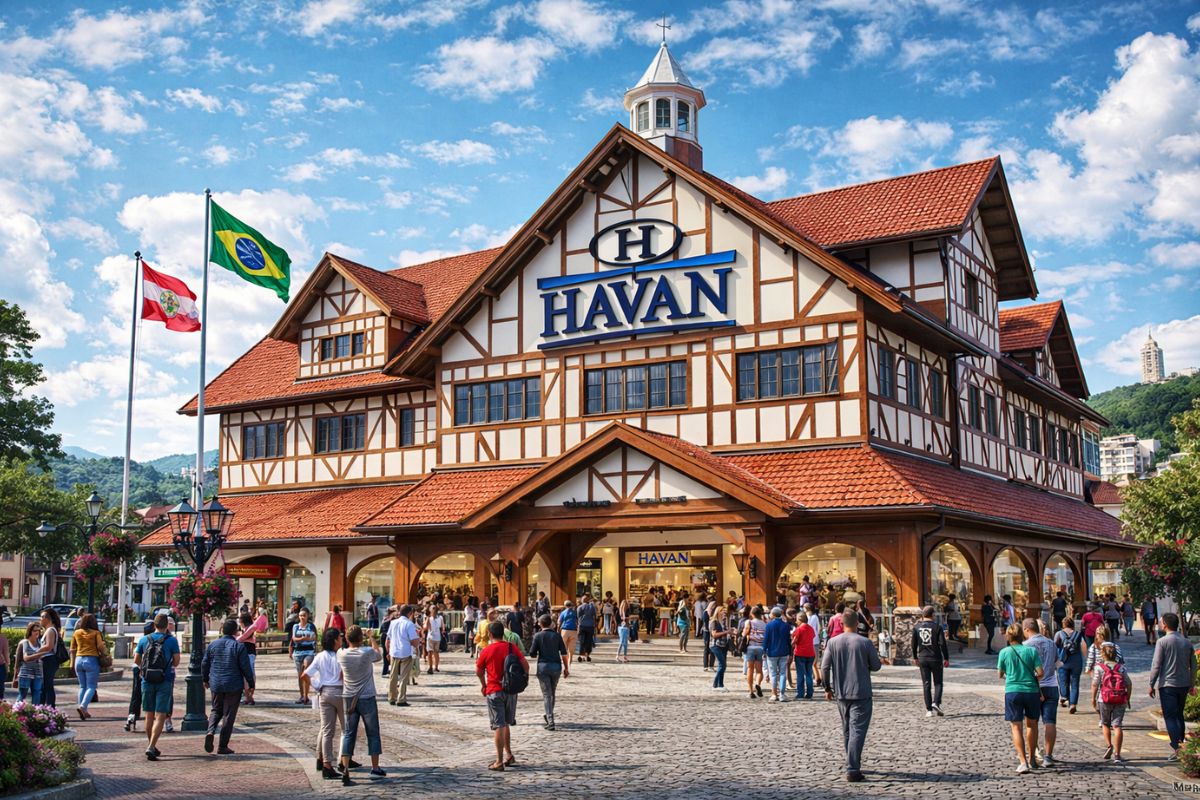
Havan will leave the shopping mall in Blumenau to inaugurate something that the chain has never done before: a megastore in half-timbered style in the Historic Center of the city, which is expected to be completed in May and change the landscape of local retail.
In 2018, a ten-day truck drivers’ strike caused gas prices to jump from an average of around R$ 3.87 to over R$ 10.56 at certain stations, leading to fuel shortages, empty shelves, airports on alert, and disruption of productive chains.
This logistical collapse script returns to the center of the debate whenever the category talks about stopping.
What is Behind the New Mobilization
This time, the mobilization for the possible truck drivers’ strike is presented by leaders as a movement of strictly economic and corporate nature, focused on the survival of the profession, and not as a partisan act.
The recurrent account is of low remuneration, rising costs, and a sense of regulatory abandonment.
Drivers report a loss of purchasing power with freights that do not keep pace with rising fuel, tolls, maintenance, and financing for trucks.
At the same time, they point out a lack of adequate infrastructure on highways, increasing insecurity at stopping points, and the absence of consistent policies for protecting autonomous work in road cargo transport.
Demands: Income, Retirement, and Clear Rules
To prevent the truck drivers’ strike from materializing, representatives of the movement list four conditions considered minimal.
The first is the creation of special retirement after 25 years of proven work, in recognition of physical and emotional wear and exposure to constant risks on the roads.
The second is some type of stability or contractual predictability, capable of ensuring minimum demand for freights and services, reducing the income volatility that has pushed many professionals into debt.
The list is completed with effective enforcement of existing laws in the sector, with oversight reaching companies and contractors, and a review of the regulatory framework for road cargo transport, with clearer, protective rules adapted to the reality of freelancers.
Gas, Inflation, and Risk of Shortages
The most immediate impact of a new truck drivers’ strike would fall on fuels.
Today, gasoline is already operating at a high level, with a national average of around R$ 6.16 according to recent surveys.
In a scenario of shutdown and shortages, stations could be pressured to make abrupt adjustments, reproducing the escalation that led the liter to exceed R$ 10 in 2018 in some states.
This movement tends to contaminate the entire economy: public transport becomes more expensive, freight rises, food and basic products get more expensive, and inflation returns to the center of concerns.
In addition, shortages directly affect supermarkets, pharmacies, industries, and essential services, with visible effects in large urban centers within hours of prolonged interruption.
Divided Category, Country on Alert
Despite strong dissatisfaction and the economic agenda, the category is not entirely united around the truck drivers’ strike.
Some freelancers show resistance to the stoppage, either out of fear of retaliation or distrust that the movement may be captured by parallel political agendas.
Even so, recent experience shows that even partial adherence is enough to block strategic logistical corridors.
Experts warn that, if the mobilization gains traction on key highways, the effect on megacities and industrial hubs could be felt within hours, with lines at stations, rationing of stocks, and companies reviewing production and delivery schedules.
In the end, the new threat of a truck drivers’ strike exposes an impasse that goes beyond the price of diesel or gasoline: it is a crisis of income, retirement, security, and respect for a category central to the economy, but one that continues to operate on the brink of exhaustion, with little predictability and high exposure to physical, financial, and legal risks.
Do you think a new truck drivers’ strike is today the only language capable of making the government and companies truly listen to the agenda of those who live from the roads?









Passamos 4 anos comprando gasolina mais cara de todos os tempos e ninguém parou nada ,agora querem parar, bando de demônios
O último a sair, apague as luzes. Já viramos Venezuela.
So se os caminhoneiros forem bobos, não ajudaram eles em 2019 vcs acham que eles vão parar agora?