





 English
  Francês
  Alemão
  Italiano
  Japonês
  Norueguês
  Portuguese
  Spanish
  4 min of reading
  0 comments


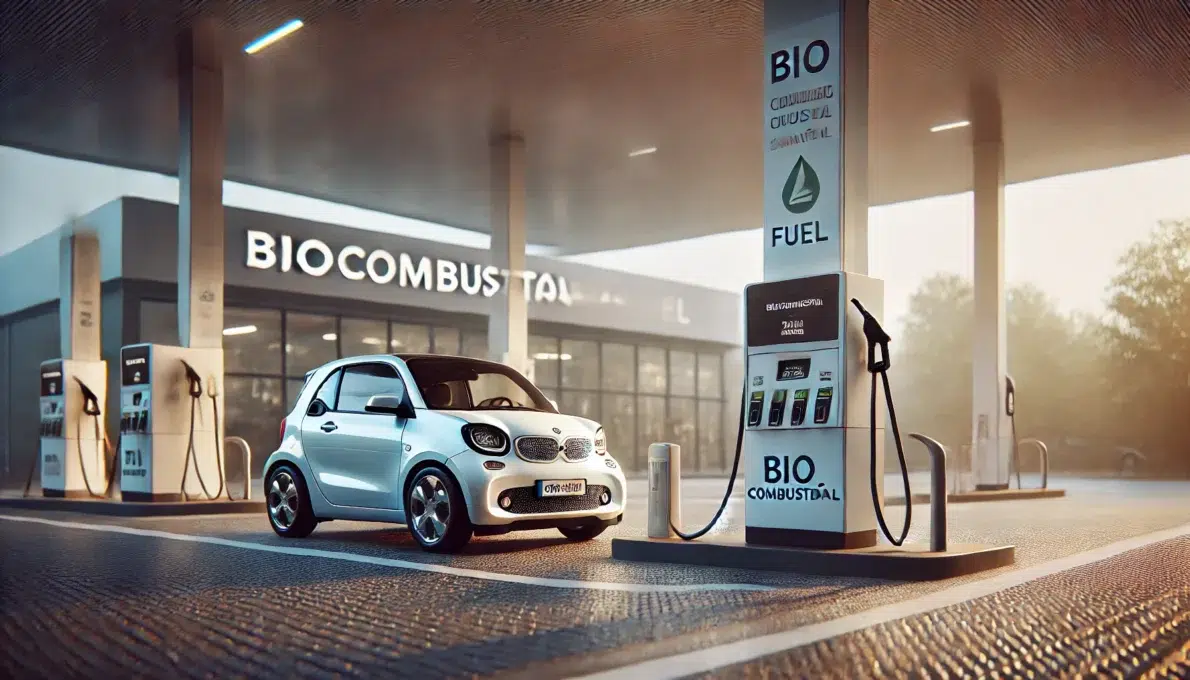
As of 2025, Brazil will take a decisive step toward sustainability and energy transition in the transport sector, with gasoline containing up to 30% ethanol in its composition.
The increase of the ethanol blend in gasoline from 27% to 30% in 2025 is part of a coordinated strategy to reduce dependence on fossil fuels, decrease the emission of polluting gases, and pave the way for greater use of biofuels. Ethanol, which already plays a central role in Brazil’s energy matrix, is primarily produced from sugarcane, giving the country a unique competitive sustainable advantage over other nations.
Benefits of Gasoline with 30% Ethanol
- Reduction of CO2 Emissions: The use of a higher proportion of ethanol contributes to a decrease in greenhouse gas emissions, such as carbon dioxide (CO2), one of the main contributors to global warming.
- Increased Energy Efficiency: Brazil is the largest producer of sugarcane in the world, and its ethanol production process is extremely efficient, both in terms of energy consumption and carbon capture.
- Energy Independence: The increased use of ethanol reduces dependence on imported oil, helping to balance the trade deficit and strengthen Brazil’s energy security.
Energy Transition and Decarbonization: The Importance of Ethanol in Brazil
The decarbonization of the transport sector is one of the greatest global challenges, and ethanol has proven to be an effective solution to mitigate the environmental impacts of burning fossil fuels. With the new gasoline composition, Brazil reinforces its commitment to the energy transition, a movement that aims to replace non-renewable energy sources with cleaner and more sustainable alternatives.
Impact on the Transport Sector
Road transport in Brazil primarily relies on fossil fuels, being responsible for a significant share of greenhouse gas emissions. By adopting gasoline with 30% ethanol, the country takes a fundamental step toward making the sector cleaner and more efficient.
-
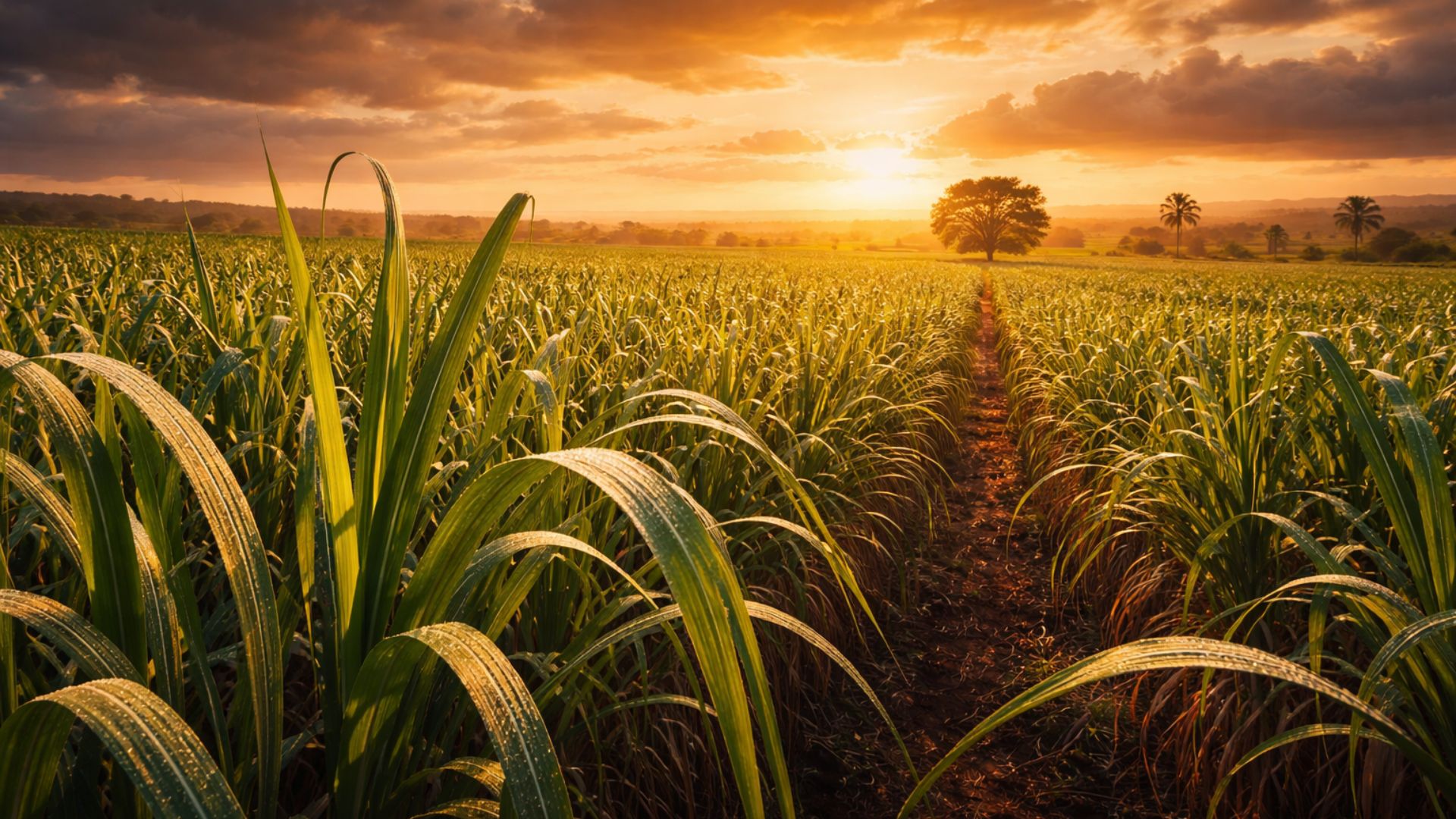
The Economist states that Brazil has a “secret weapon” against expensive oil and highlights how the country can reduce economic impacts even in international scenarios of high volatility.
-
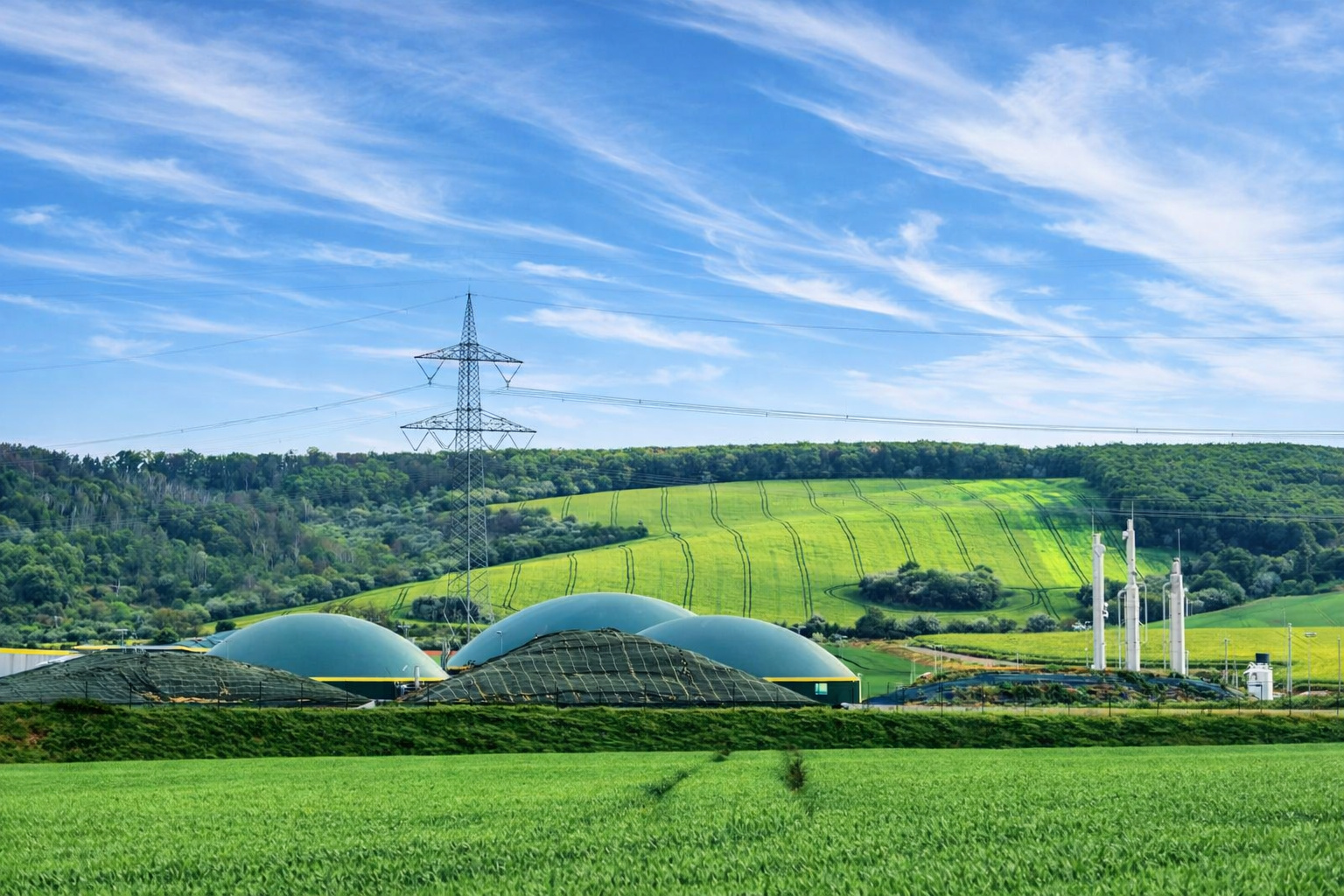
Brazil accelerates decarbonization in the South: International forum in Foz do Iguaçu gathers leaders to discuss the advancement of biomethane in the energy matrix and the potential of “caipira pre-salt.”
-
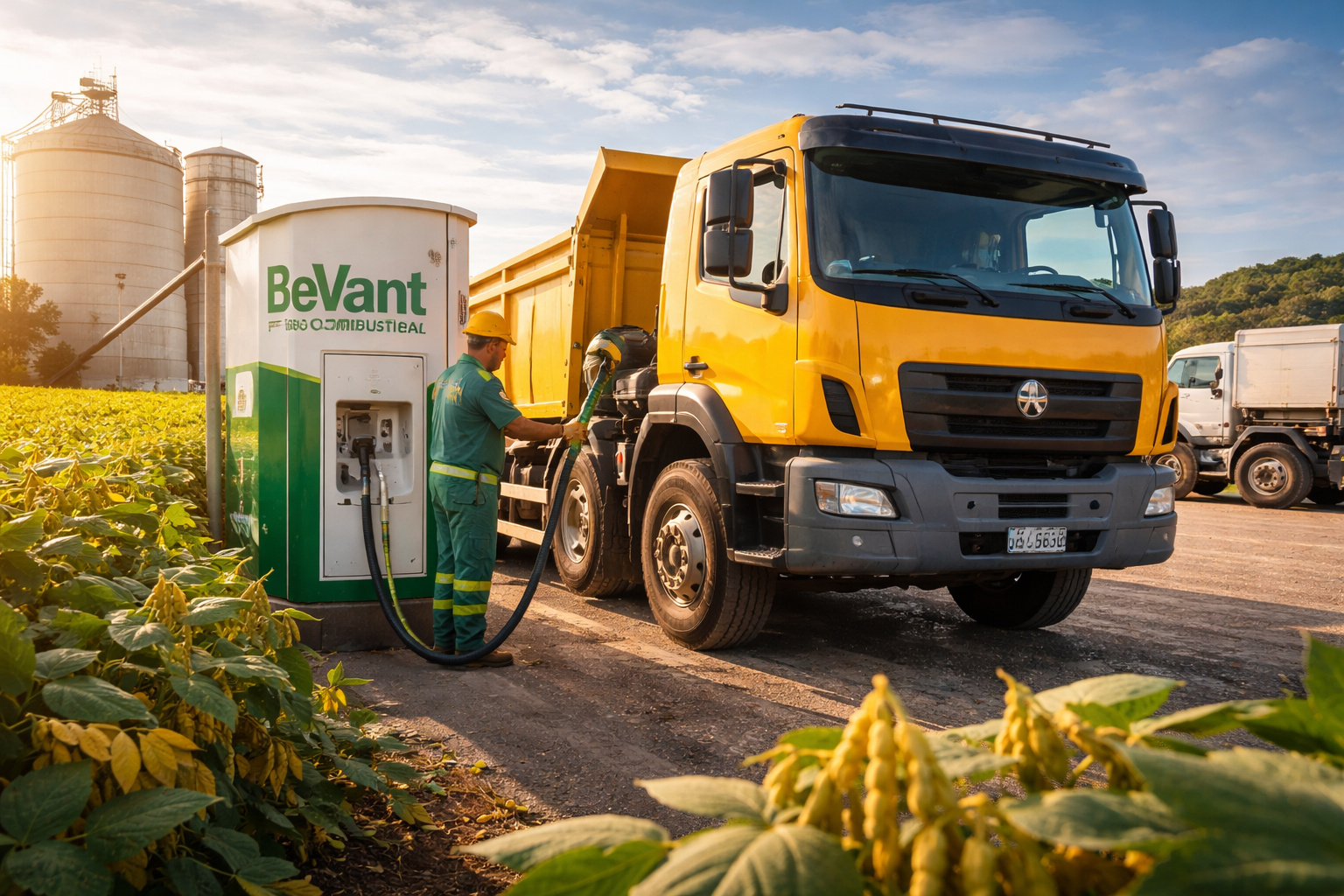
As diesel prices soar due to conflicts in the Middle East, a Brazilian city decides to test a little-known biofuel that promises to completely replace fossil fuel without adaptation and could change the future of energy in the country.
-
Innovation with biofuel engines transforms agribusiness by replacing diesel without the need for major adaptations, ensuring energy efficiency and helping to reduce dependence on oil.
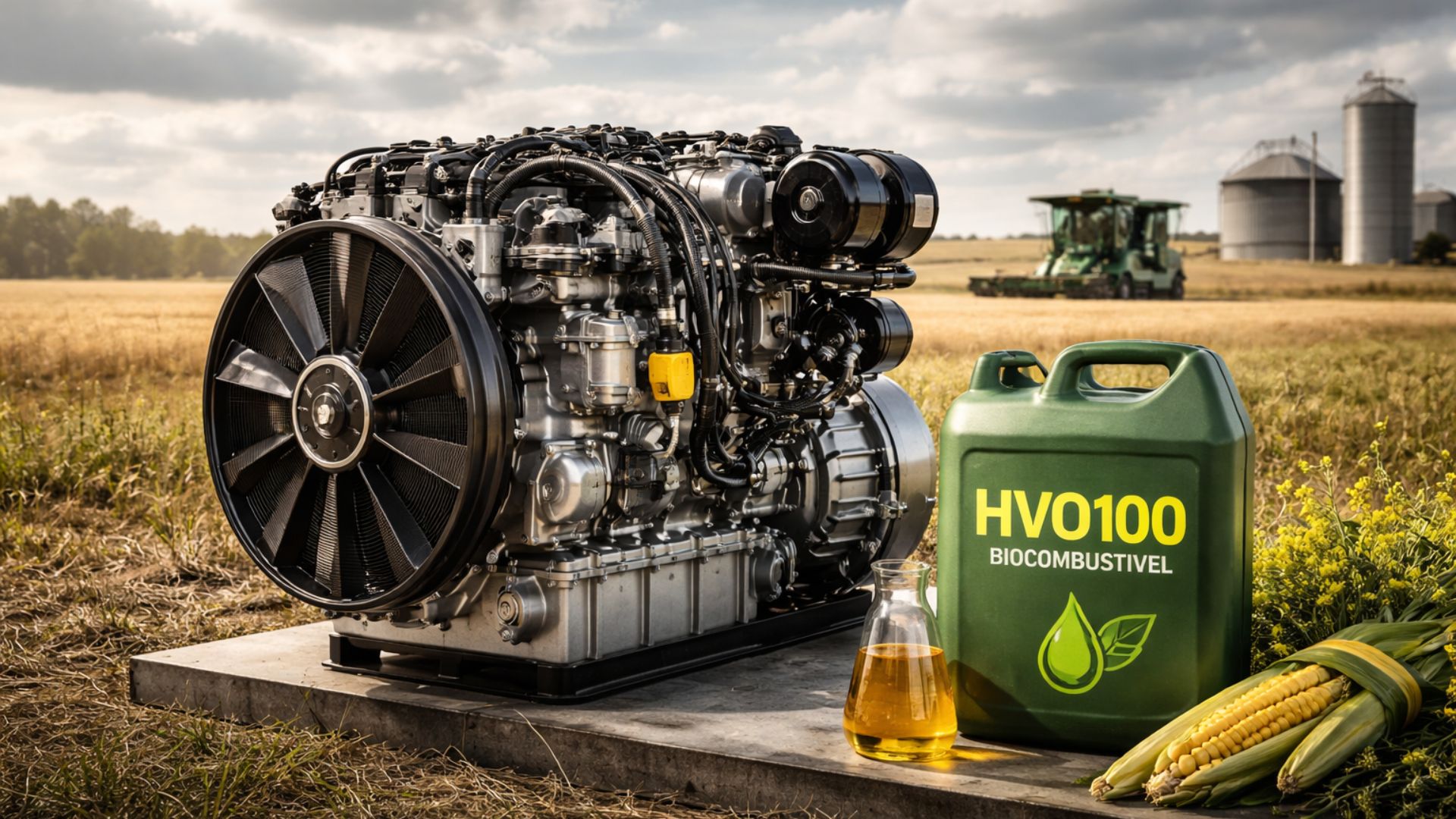

Moreover, flex vehicles, which are already common in Brazil, will continue to play a crucial role in absorbing this change, allowing the use of both gasoline and pure ethanol (E100). This creates a favorable environment for the expansion of biofuels, positioning Brazil as one of the global leaders in implementing solutions for decarbonization.
Incentive to the Automotive Sector: Innovation and Competitiveness
The new gasoline composition will not only bring environmental benefits but will also drive the development of new technologies in the automotive sector. With more ethanol present in the fuel, automobile manufacturers in Brazil will be encouraged to invest in innovation, creating more efficient engines adapted to the higher proportion of biofuels.
Opportunities for Automakers
- Development of Flex Technologies: The increase in ethanol necessitates that automakers improve the combustion systems of flex vehicles, which are designed to run on both gasoline and pure ethanol. This may stimulate the creation of new technologies that optimize engine performance.
- Attraction of Foreign Investments: The alignment between public policies and technological innovation can attract international investments. Automakers may see Brazil as a favorable market for developing vehicles that adapt to cleaner energy matrices.
Brazil as a Global Leader in Biofuel Production
Ethanol is one of Brazil’s main bets to ensure a sustainable energy matrix. By increasing the proportion of ethanol in gasoline, the country reaffirms its role as a global leader in biofuel production, utilizing its expertise in cultivating sugarcane to advance toward a green economy.
International Recognition
- Global Climate Agreements: With the adoption of cleaner fuels, Brazil will be able to contribute even more to the goals of the Paris Agreement, which aims for the global reduction of greenhouse gas emissions.
- Export of Technology and Knowledge: Brazil’s expertise in using ethanol can be exported to other countries seeking to reduce their dependence on fossil fuels. Brazil is already a major exporter of ethanol, and this new policy will only reinforce its position as one of the leading global players in the renewable energy sector.
An Example for the World
The decision to increase ethanol in gasoline shows that Brazil is committed to an effective energy transition, combining innovation with public policies. This movement not only strengthens the internal economy but also creates a global example for other nations seeking decarbonization and adopting sustainable solutions.
Environmental and Economic Benefits
The introduction of 30% ethanol in gasoline will have deep environmental and economic impacts in Brazil. While reducing carbon emissions and promoting sustainability, the new fuel composition will boost the local economy, particularly in the agricultural sector.
- Reduction of Pollutants: Ethanol emits fewer polluting gases than regular gasoline, contributing to improved air quality in large cities.
- Boost to Agribusiness: The increase in demand for ethanol is expected to drive the sugar-alcohol industry, generating more jobs and income for the agricultural sector.
- Development of New Value Chains: The growth of the biofuels industry opens up opportunities for new businesses and value chains, creating prospects in areas such as research and development, technology, and infrastructure.
By adopting gasoline containing 30% ethanol, Brazil positions itself at the forefront of the energy transition and decarbonization of the transport sector. This advancement not only strengthens the economy but also highlights the country as a global leader in sustainability initiatives. By aligning innovation and public policies, Brazil is paving the way for a greener and more competitive future, with environmental, economic, and technological benefits that will resonate for decades.









-

Uma pessoa reagiu a isso.