





 Português
  Inglês
  Espanhol
 3 min de leitura


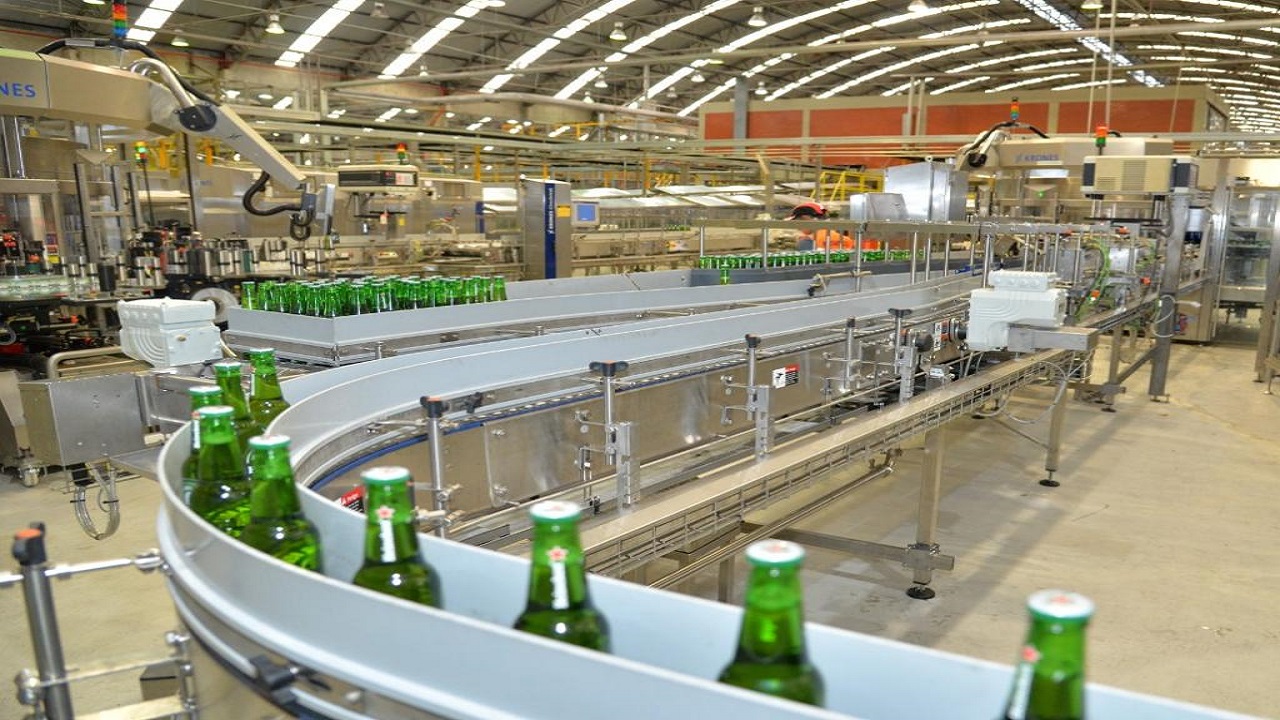
Heineken’s New Factory in Minas Gerais Promises to Be the Most Sustainable in Brazil and, Besides Generating Thousands of Direct and Indirect Jobs, Will Also Have a Capacity for 5 Million Hectoliters Per Year.
In a meeting held last Thursday (26), the Industrial Activities Chamber of the State Environmental Policy Council (Copam) approved the licensing of Heineken Brewery for the installation of a new factory in the municipality of Passos, in southern Minas Gerais, thus creating thousands of direct and indirect jobs. The company obtained a Concurrent Installation License and a Preliminary License.
Heineken Brewery Will Invest R$ 1.8 Billion in New Factory
The license, which was approved with seven votes in favor and only one against, allows the entrepreneur, in this case Heineken, to carry out the installation in accordance with the conditions established in the environmental license and to comply with the environmental requirements required for each phase of the licensing process.
It is important to mention that Heineken Brewery must obtain the approval of the National Institute of Historical and Artistic Heritage (Iphan) before starting the necessary interventions for the installation of its new factory. The company plans to invest around R$ 1.8 billion in its new unit, generating 350 direct jobs and 11,000 indirect jobs.
-
Brazilian city gains industrial hub for 85 companies that is equivalent to 55 football fields.

-
Peugeot and Citroën factory in Argentina cuts production by half and opens a layoff program for more than 2,000 employees after Brazil drastically reduced purchases of Argentine vehicles.

-
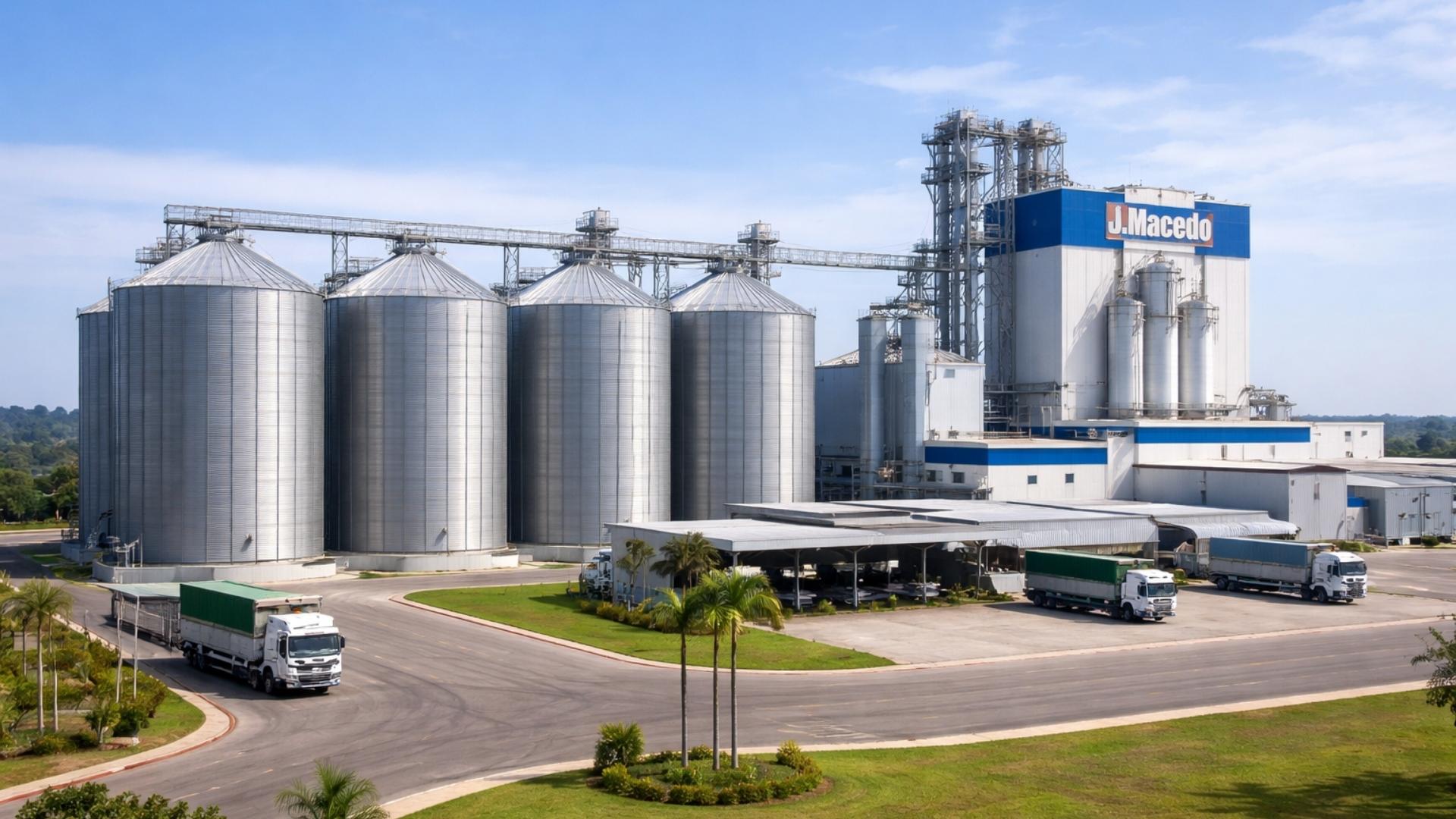
A Brazilian city gains a factory worth R$ 300 million with the capacity to process 200 thousand tons of wheat per year, a mill of 660 tons/day, silos for 42 thousand tons, and an industrial area of 276 thousand m².
-
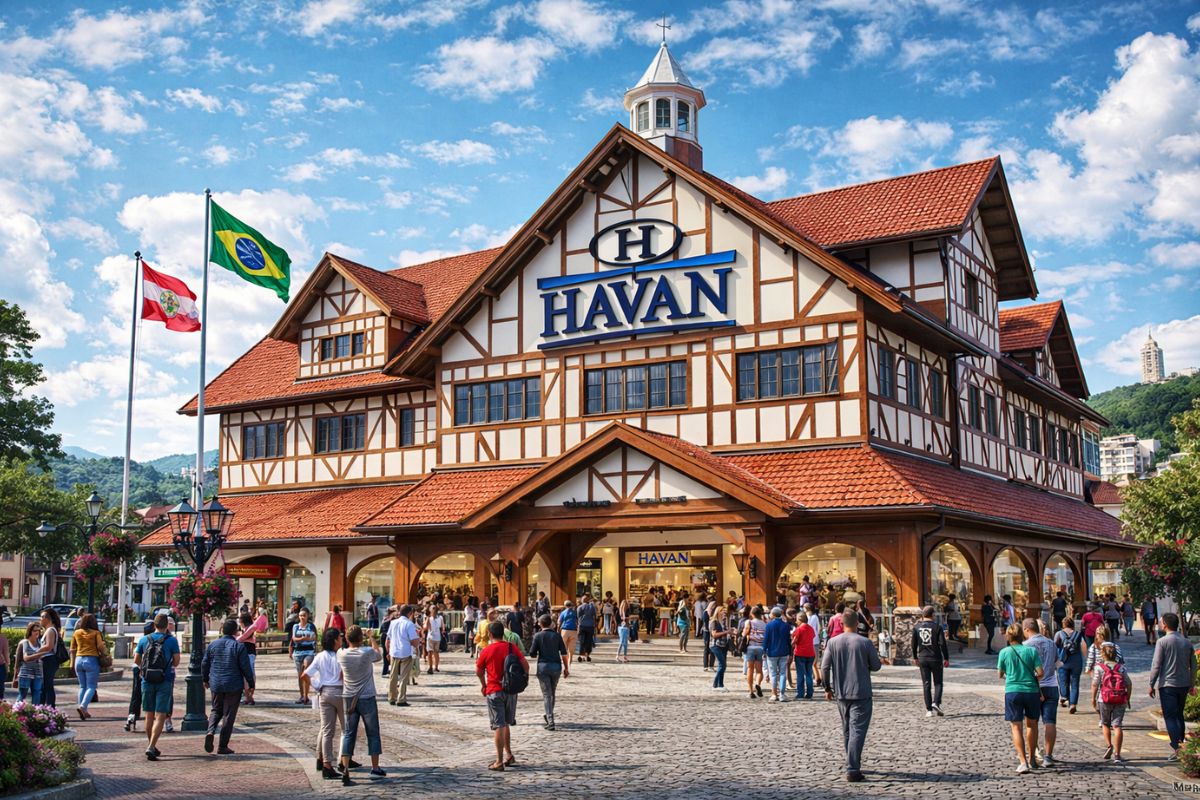
Havan will leave the shopping mall in Blumenau to inaugurate something that the chain has never done before: a megastore in half-timbered style in the Historic Center of the city, which is expected to be completed in May and change the landscape of local retail.

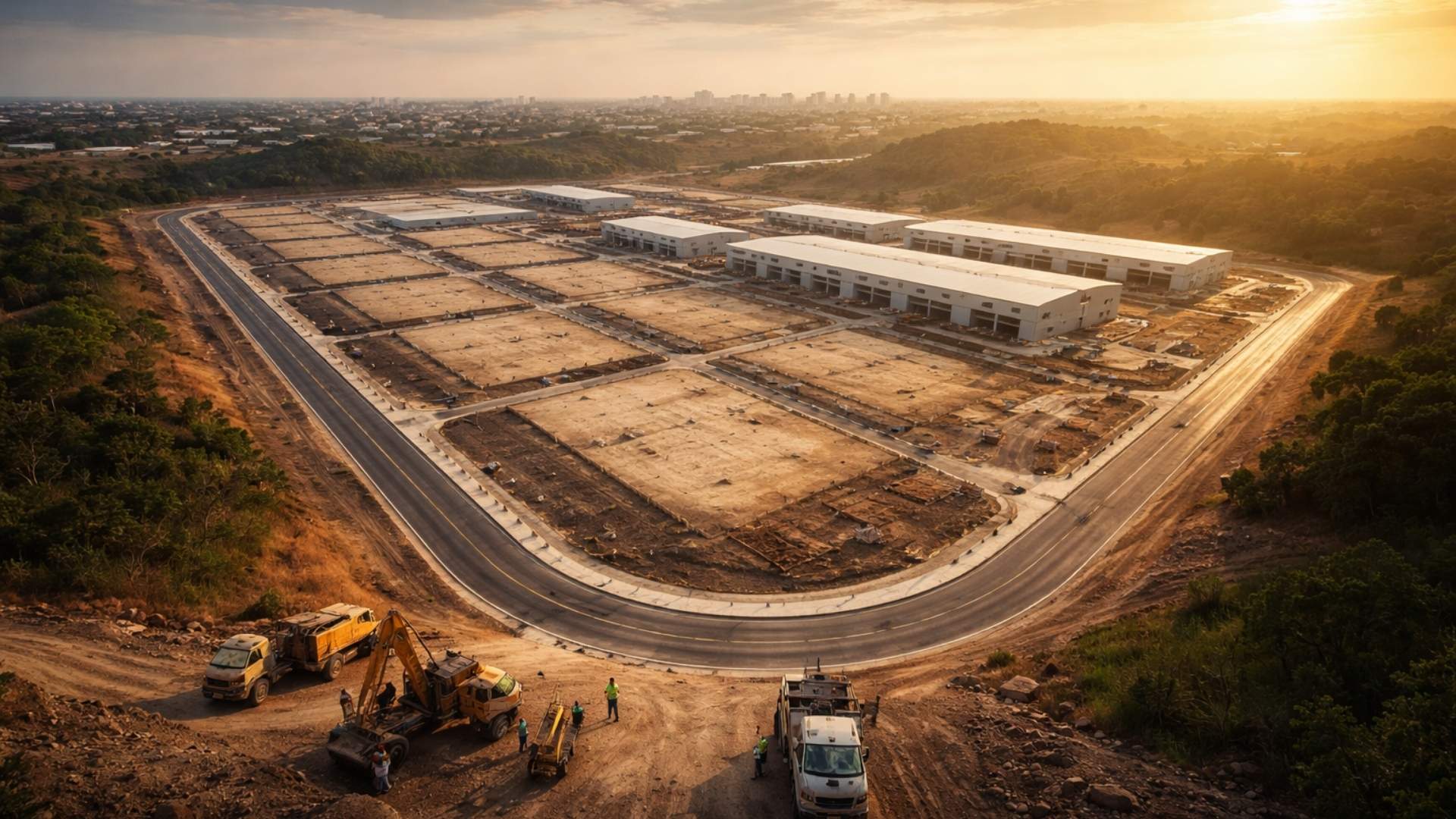
The operations of Heineken’s new factory are scheduled to start in 2025. The site will host the production of beers, malts, and drafts, in addition to plants for producing common concrete, interceptors, lift stations, emissaries, and sewage reversal, a Sanitary Sewage Treatment Station and a Water Treatment Station for supply.
According to representatives of Heineken Brewery, the choice of the municipality is due to water availability, logistical ease for supply, and the socioeconomic development of the state of Minas Gerais and the Southeast region.
The New Factory’s Production Capacity Will Be Over 5 Million Hectoliters
The group of breweries includes the brands Heineken, Kaiser, Sol, Bavaria, Amstel, No Grau, Devassa, KirinIchiban, Baden Baden, Glacial, and Eisenbahn, in addition to non-alcoholic beverages Schin Tônica, Itubaína, Skinka, and Viva Schin, controlling a total of 15 breweries across the country.
The new Heineken factory, which will create thousands of new jobs, will include beer and utility production, as well as CO2 recovery, refrigeration, steam generation – biomass boiler, compressed air generation, as well as an electrical substation, a concrete production plant for installation, a raw water pipeline with a lift station and water treatment station, an effluent treatment station, treated effluent discharge, and administrative areas.
The company announced the location of its new factory in April of last year, also stating that the production capacity will be over 5 million hectoliters per year. Heineken’s new factory, in addition to generating thousands of jobs, will be the most sustainable unit of the company in Brazil, according to the company itself, being fully powered by clean energy sources.
Heineken Announces Investments in the Renewable Energy Market
Heineken announced last year its focus on renewable energy and ESG, and also stated the expansion of its renewable energy project for households. The program was created in 2021 and focused on bars and restaurants. The action is now available for residences and contributes to households accessing clean generation sources without requiring installation.
This solution from the company is part of the brand’s sustainability and culture platform, Green Your City. In addition to contributing to sustainability, the project also mitigates consumption, generating savings on electricity bills for many Brazilians.
The project aims at three essential pillars: renewable energy, circular economy, and responsible consumption. With this novelty, Heineken intends to go beyond internal processes and foster this transition throughout the supply chain, now reaching consumers.









-

Uma pessoa reagiu a isso.