





 Portuguese
  English
  Spanish
  5 min of reading
  0 comments


Eneva Expands Its International Presence with the Import of Natural Gas from Bolivia and Expansion Plans for Argentina, Strengthening Brazil’s Energy Matrix with New Strategic Agreements
On October 30, 2025, Eneva, one of the largest private natural gas operators in Brazil, took a decisive step in its expansion strategy by making its first import of natural gas from Bolivia. According to information from the Cenário Energia website, the operation marks the beginning of a new phase for the company, which now also plans to import gas from Argentina, potentially using Bolivia as a transit route.
Import of Natural Gas from Bolivia: A Strategic Milestone for Eneva
The operation announced by Eneva represents an unprecedented advancement in the company’s performance in the international energy market. The import of natural gas from Bolivia aims to increase the supply of the input for industrial customers in Brazil, in addition to diversifying the company’s supply portfolio.
According to an official statement, the authorization for the import was granted by the National Agency of Petroleum, Natural Gas and Biofuels (ANP) seven months ago, valid for two years.
-
Brazilian giant expands borders in the Southeast: Petrobras confirms new oil discovery in ultra-deep waters in the pre-salt of the Campos Basin.

-
Alert in the global energy market: Severe tropical cyclone hits the coast and disrupts gas production at major plants in Australia, threatening global supply.

-
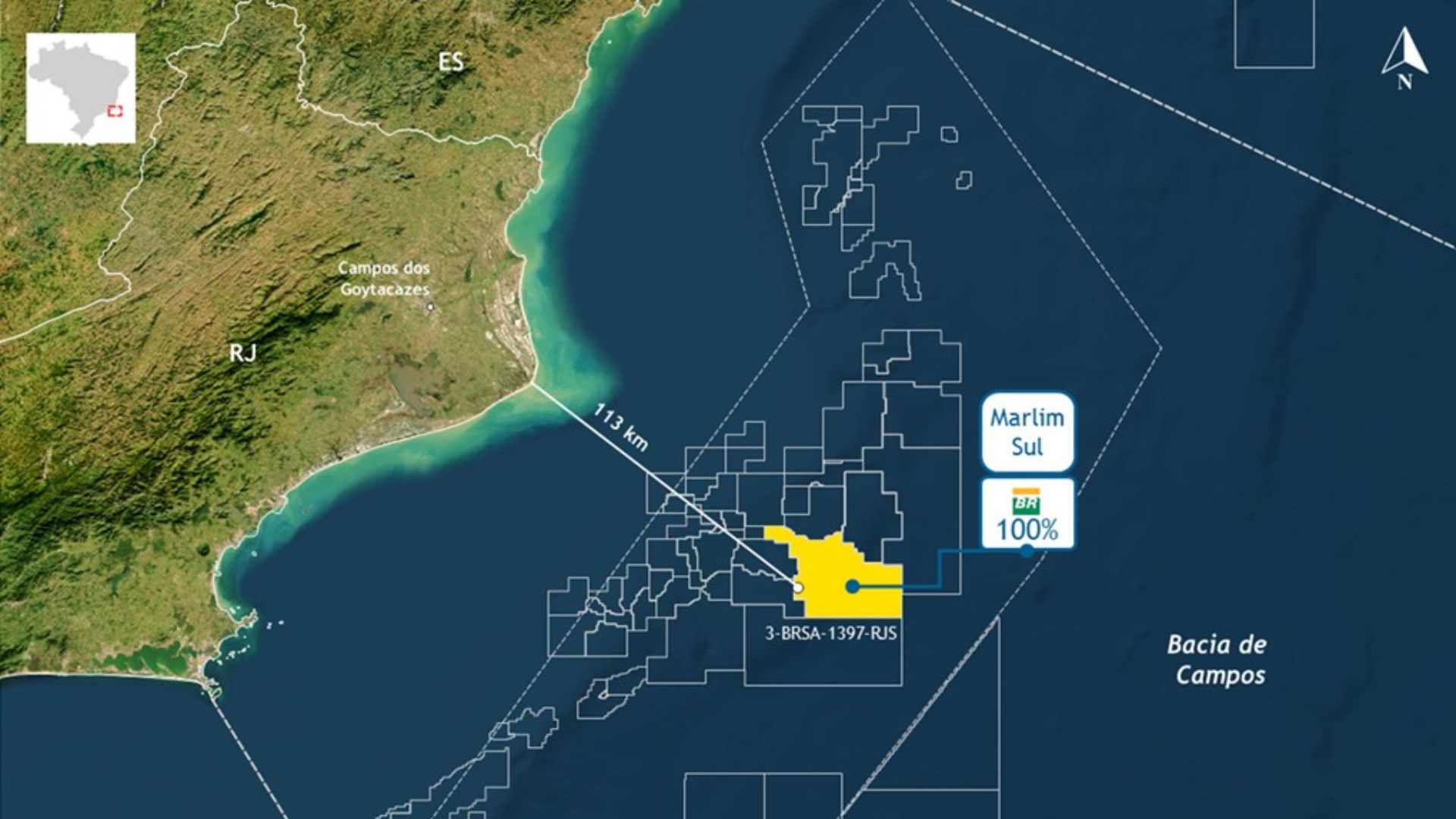
Petrobras finds high-quality oil in the pre-salt at 113 km from RJ and reignites expectations about strategic reserves in the Campos Basin.

-
Ocyan opens registrations for startups focused on innovation in the oil and gas sector and will select projects for Innovation Day with the support of Nexio.


The operation covers servicing clients in several regions of the country, reinforcing the company’s national presence. Eneva can establish itself as a key link between international production and domestic consumption of natural gas.
Diversification and Energy Security in the Brazilian Matrix
Diversifying supply sources is one of the pillars of Eneva’s strategy. With onshore gas and oil fields in the Parnaíba and Amazon basins, the company already has a solid foundation of national production.
However, importing natural gas from Bolivia represents an important reinforcement to ensure energy security and stability of supply. In addition, the operation strengthens Eneva’s Gas Desk, responsible for negotiating and distributing the input in the free market.
The company already has significant contracts, such as the one with Samarco, which anticipates gas supply until 2027. Energy security is a key factor for the sustainable growth of the Brazilian energy matrix.
Expansion into Argentina Expands Eneva’s Regional Presence
Another highlight is Eneva’s intention to begin importing natural gas from Argentina in the coming weeks. The operation could be made feasible through Bolivia, which will serve as a transit route.
This initiative further expands the company’s reach in the South American landscape and reinforces its ambition to become a significant regional player. Argentina has vast natural gas reserves, especially in the Vaca Muerta formation, one of the largest unconventional gas fields in the world.
Connecting with this market represents a strategic opportunity for Eneva, both in terms of volume and price competitiveness. The energy integration between Brazil, Bolivia, and Argentina strengthens the security and efficiency of regional supply.
According to Brian Van Kregten, Eneva’s Commercial Manager, the initiative goes beyond an isolated action — it integrates a continuous strategy aimed at enhancing energy security and increasing the operational flexibility of the Brazilian system.
Direct Impact on the Brazilian Energy Matrix
The entry of new international natural gas suppliers has direct implications for the Brazilian energy matrix. Historically reliant on hydroelectric sources, Brazil has sought to diversify its matrix with thermal, renewable, and strategic imports.
Eneva’s operation contributes to this movement by increasing the available supply of natural gas in the country, which can reduce costs, increase industrial competitiveness, and improve the security of the electric system during periods of water scarcity.
Logistics and Infrastructure: Eneva’s Challenges and Solutions
The logistics of importing natural gas from Bolivia involve utilizing existing pipelines, such as the Gasbol (Bolivia-Brazil Pipeline), which connects Bolivian fields to the Brazilian grid. The existing infrastructure facilitates the operation and reduces the need for additional short-term investments.
However, expanding into the Argentine market will require more complex logistical coordination, including bilateral agreements, customs regulations, and system integration.
Eneva has already demonstrated the technical and institutional capacity to handle these challenges, which increases market confidence in its strategy. The logistical infrastructure is a competitive advantage for the expansion of natural gas in South America.
Market Repercussions and Future Perspectives
The news of the import was well received by analysts and investors, who see the initiative as a clear signal of strengthening Eneva’s position in the energy sector. Diversifying sources and markets is viewed as a competitive advantage in a scenario of energy transition and global volatility.
Moreover, the operation may pave the way for future partnerships and investments in infrastructure, such as regasification terminals, new pipelines, and thermal gas generation projects.
In the long term, Eneva could establish itself as a natural gas hub in South America, connecting producers and consumers in different countries and contributing to regional energy integration.
Natural Gas as a Vector for Competitiveness and Sustainability
Naturally, gas has established itself as a strategic energy source for Brazil, especially in the context of energy transition. Its flexibility, lower environmental impact compared to other fossil sources, and capacity to complement intermittent sources like solar and wind make it essential for balancing Brazil’s energy matrix.
Eneva’s role in this scenario is significant not only in terms of scale but also for its innovation and capacity to adapt to market demands. The company has invested in integrated solutions that combine production, transportation, and commercialization of natural gas, creating an efficient and resilient ecosystem. Naturally, gas is a fundamental pillar for industrial competitiveness and environmental sustainability in the country.
What to Expect from Eneva’s Next Steps
The import of natural gas from Bolivia by Eneva marks a new chapter in the company’s trajectory and the development of Brazil’s energy matrix. With a focus on diversification, security, and regional expansion, the company demonstrates strategic vision and execution capability.
The prospect of importing from Argentina further amplifies the potential of the operation, positioning Eneva as a key player in South American energy integration.
In a context of energy transition and the search for cleaner and safer sources, initiatives like this are essential for ensuring the sustainable future of the sector. Eneva reaffirms its commitment to innovation, competitiveness, and strengthening the natural gas market in Brazil and beyond its borders.








Seja o primeiro a reagir!