





 Portuguese
  English
  Spanish
 5 min of reading
  0 comments


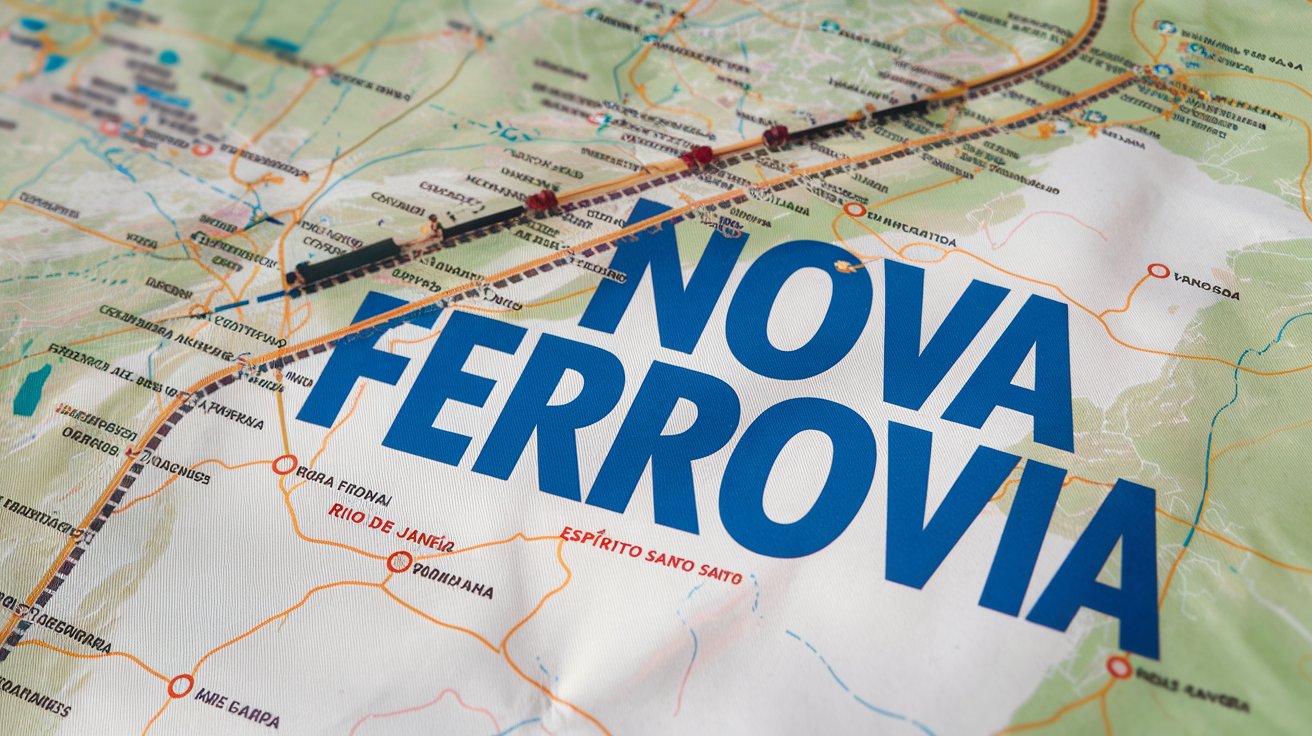
A New Railway Is About to Transform Logistics in Brazil! With an Investment of R$ 3.28 Billion, the Railway 118 Promises to Connect Rio de Janeiro to Espírito Santo and Open the Way for a New Cycle of Growth. Bidding Should Take Place by the End of This Year, and Work Is Scheduled to Begin in 2026. Get Ready for the Future!
A large-scale railway project is about to transform logistics between Rio de Janeiro and Espírito Santo, with a significant impact on the economy and freight transport in Brazil.
The bidding for the construction of the Railway 118, also known as Vitória-Rio or Southeast Railway Ring, is expected to take place in 2025, with construction starting in 2026.
This project will have a total investment of R$ 3.28 billion from the federal government and promises to improve the connection of ports in Espírito Santo with other railways in the country.
-
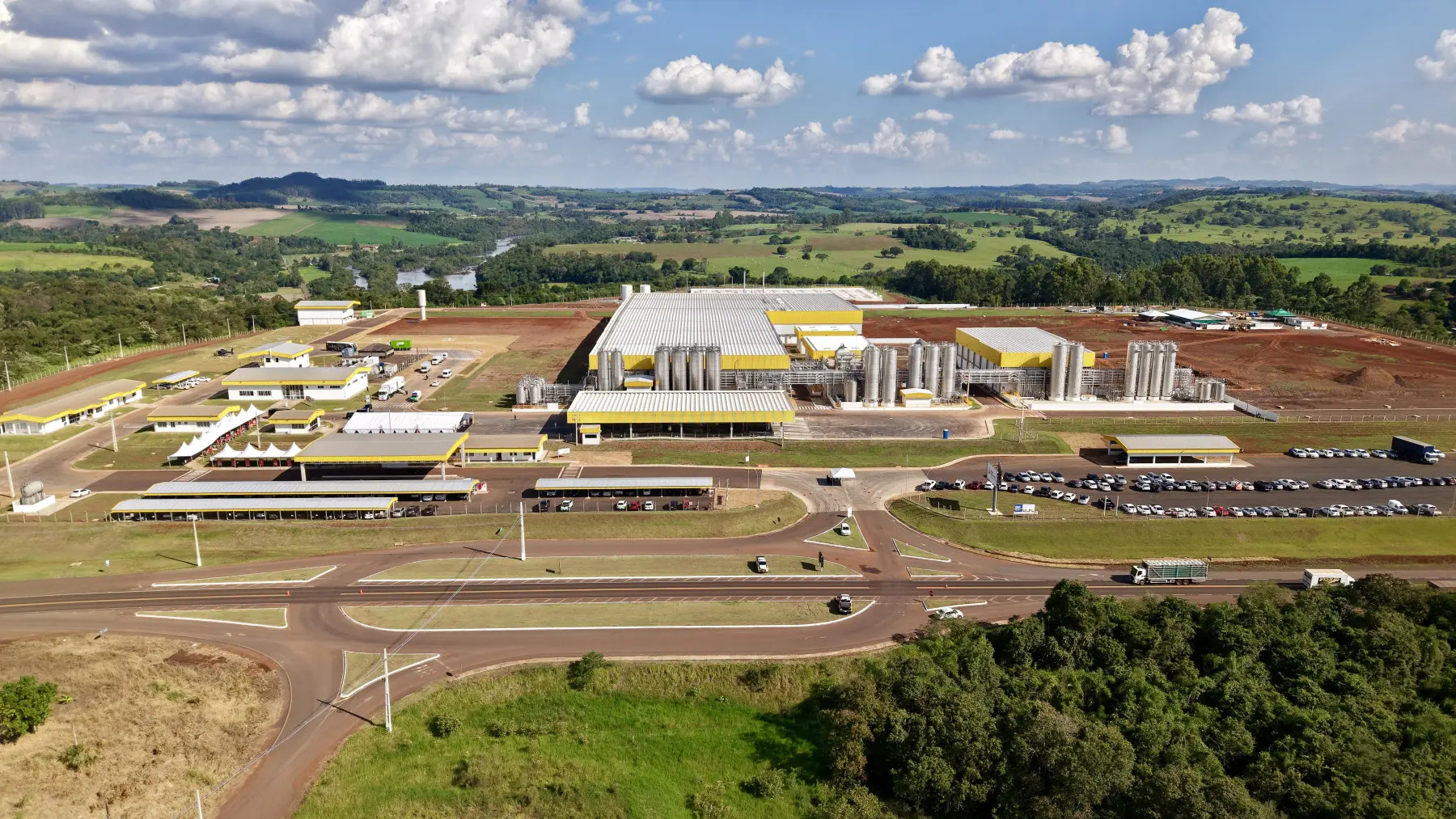
With an investment of R$ 612 million, a capacity to process 1.2 million liters of milk per day, Piracanjuba inaugurates a mega cheese factory that increases national production, reduces dependence on imports, and repositions Brazil on the global dairy map.
-
Brazilian city gains industrial hub for 85 companies that is equivalent to 55 football fields.

-
Peugeot and Citroën factory in Argentina cuts production by half and opens a layoff program for more than 2,000 employees after Brazil drastically reduced purchases of Argentine vehicles.

-
A Brazilian city gains a factory worth R$ 300 million with the capacity to process 200 thousand tons of wheat per year, a mill of 660 tons/day, silos for 42 thousand tons, and an industrial area of 276 thousand m².

What Is Railway 118?
The Railway 118 will be an essential railway to integrate the states of Rio de Janeiro and Espírito Santo with other important railway networks in Brazil.
According to Leonardo Ribeiro, National Secretary of Railway Transport at the Ministry of Transport, the railway aims to improve logistics and freight transport.
The project was detailed at the Infrastructure and Logistics Seminar, promoted by LIDE Espírito Santo, on March 18th.
The railway will have three main sections, ranging from the construction of new tracks to the modernization of old branches.
In this way, the government hopes not only to improve the flow of products but also to boost the economy of the entire Southeast region and the country as a whole.
The Construction Schedule
The schedule for the project of the EF-118 was detailed by Secretary Leonardo Ribeiro, who mentioned that the bidding should happen at the end of 2025.
After the bidding, the contract will be signed and construction will begin the following year, in 2026.
Ribeiro stated that the goal of the Ministry of Transport is to adopt an innovative concession model, where the winner of the bidding will be the one that requires the least government participation, seeking the maximum private investment possible.
“The idea is to have an efficient partnership between the government and the private sector, so that we can realize the projects and transform the country’s logistics”, said the secretary, highlighting the collaboration of MRS Logística, which has already expressed interest in investing in the construction of this new railway.
The Importance of the Project
The federal investment of R$ 3.28 billion will be one of the largest in the railway sector in recent years, with a direct impact on the economic development of the Southeast region.
The project will mainly benefit the state of Espírito Santo, connecting ports such as the Port of Vitória and Port of Açu to other logistics centers in Brazil, speeding up the transport of minerals, steel, and other industrial products.
The layout of the Railway 118 has been divided into three segments: North, Central, and South, with distinct construction and investment characteristics and requirements.
The first segment, the North Segment/Anchieta Branch, will be a partnership between the government and Vale, which has already committed to an investment of R$ 6 billion for the construction of the segment between Santa Leopoldina and Anchieta.
Segments of the Railway and Their Impacts
North Segment (Anchieta Branch)
This segment will have an extension of 80 kilometers and will be built by Vale as a counterpart for the early extension of its concessions.
The mining company has already defined an investment of R$ 6 billion for this segment, which will be integrated into the contract of the Vitória-Minas Railway (EFVM).
Central Segment
With about 170 kilometers, this new segment will connect Port of Açu (in Rio de Janeiro) to Anchieta (in Espírito Santo).
This segment will have a great impact on the movement of cargo from the interior to the coast, in addition to improving the logistical infrastructure of the region.
South Segment
This segment, with 325 kilometers, will connect São João da Barra (RJ) to Nova Iguaçu (RJ) and will be carried out with additional investments from the federal government.
The Centro-Atlântica Railway (FCA) will be used in part of this segment, optimizing costs and execution time.
This segment is considered brownfield, meaning it will utilize existing infrastructure for construction.
Bidding for the Centro-Atlântica Railway (FCA)
The Centro-Atlântica Railway (FCA) will also undergo a bidding process.
The current contract with VLI Logística, controlled by Vale and the Brookfield fund, ends in 2026.
The federal government, however, is considering re-bidding the segment to obtain better financial and operational conditions.
Leonardo Ribeiro explained that a study is being conducted to determine the best solution, and the decision is expected to be made by April 2025.
“We are evaluating the possibility of a new bidding process or even renewing the contract with VLI Logística. The ongoing study will be completed by the end of this month and will provide us with a solid foundation to make the final decision, Ribeiro explained.”
Criticism of Vale
During the event, the Vice Governor of Espírito Santo, Ricardo Ferraço (MDB), harshly criticized Vale, which, according to him, has not fulfilled its commitments regarding the renewal of the Vitória-Minas Railway.
In 2020, the mining company committed to executing the segment of the EF-118 between Cariacica and Anchieta, but, according to Ferraço, the company did not meet the established deadlines, resulting in delays in the project’s execution.
In response, the Superintendent of Railway Transport at ANTT, Alessandro Baumgartner, stated that the additional investment from Vale is still being analyzed by the regulatory agency and that state government pressure is essential for the mining company to meet its commitments.
Expectations for the Future
The new project of the Railway 118 is seen as a great opportunity for Brazil to improve its logistical infrastructure and reduce costs in freight transport, especially in the mining and steel sectors.
With the adoption of an innovative concession model and collaboration between the government and the private sector, it is expected that the project will begin to transform the logistics of the country, creating new development hubs and generating jobs throughout its execution.
The expectation is that the new railway will become a key piece in the connectivity between the Southeast and the Midwest of Brazil, optimizing the distribution of goods and improving Brazil’s competitiveness in the international market.






Seja o primeiro a reagir!