





 Portuguese
  English
  Spanish
  6 min of reading
  0 comments


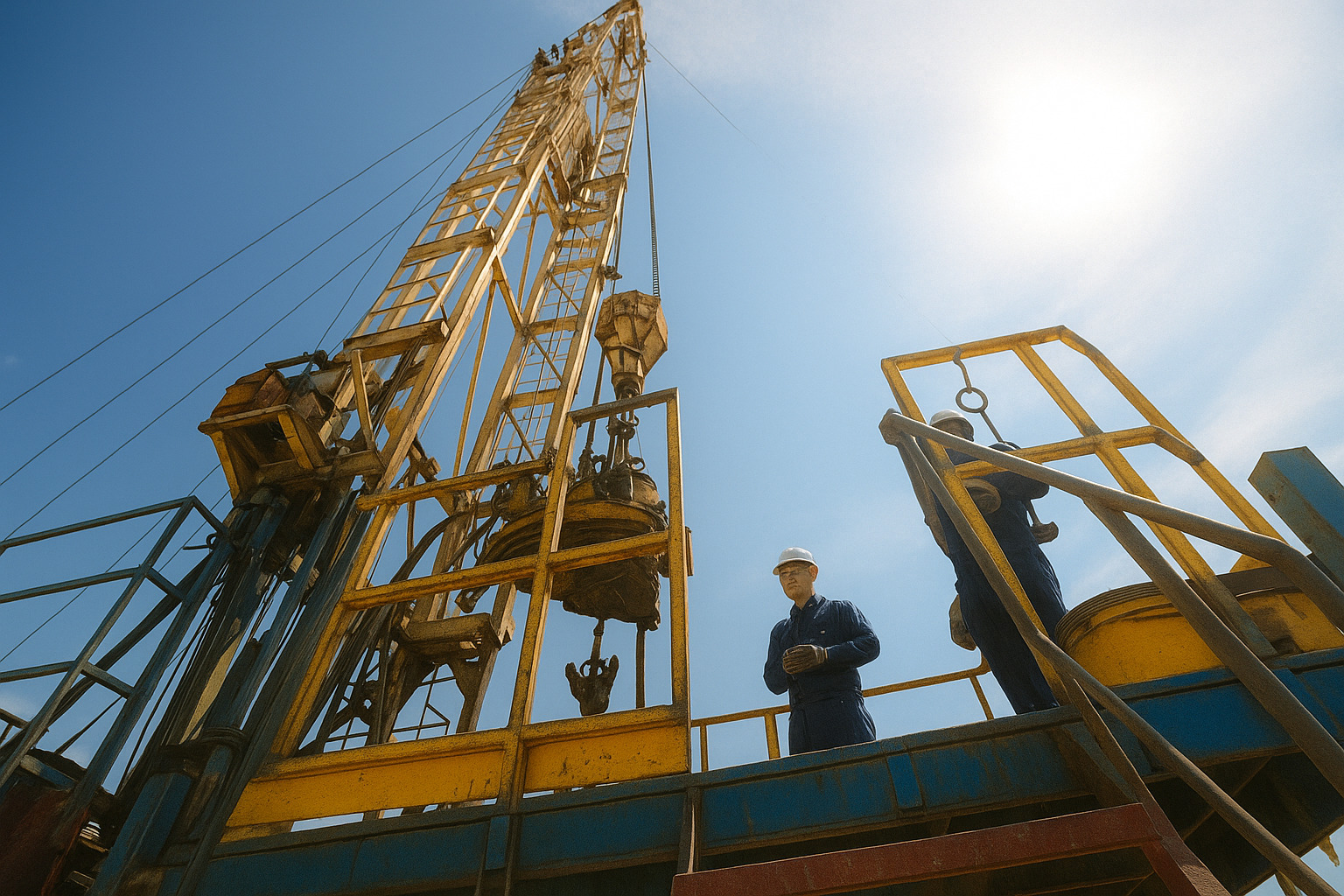
South America Establishes Itself As The New Frontier Of Oil, With Discoveries And Investments That Transform The Region Into A Global Protagonist In The Energy Sector.
The South America is consolidating itself as the new frontier of oil in the global energy scenario. In fact, this region, which historically had its economy heavily based on agriculture and mining, is now gaining prominence due to recent discoveries of large oil reserves and the growth of investments in the energy sector. Thus, this movement transforms the continent into an important player in the global market and, consequently, redraws the geopolitical map of oil for the coming decades.
Historically, the exploration and production of oil worldwide have always concentrated in specific areas, such as the Middle East, the United States, and Russia. For much of the 20th century, these regions led global supply, thus shaping the political and economic power of many countries.
However, over time, these traditional sources began to show limitations. For example, the depletion of some reserves, environmental challenges, and geopolitical issues led large companies and governments to seek new areas with potential for energy production.
-
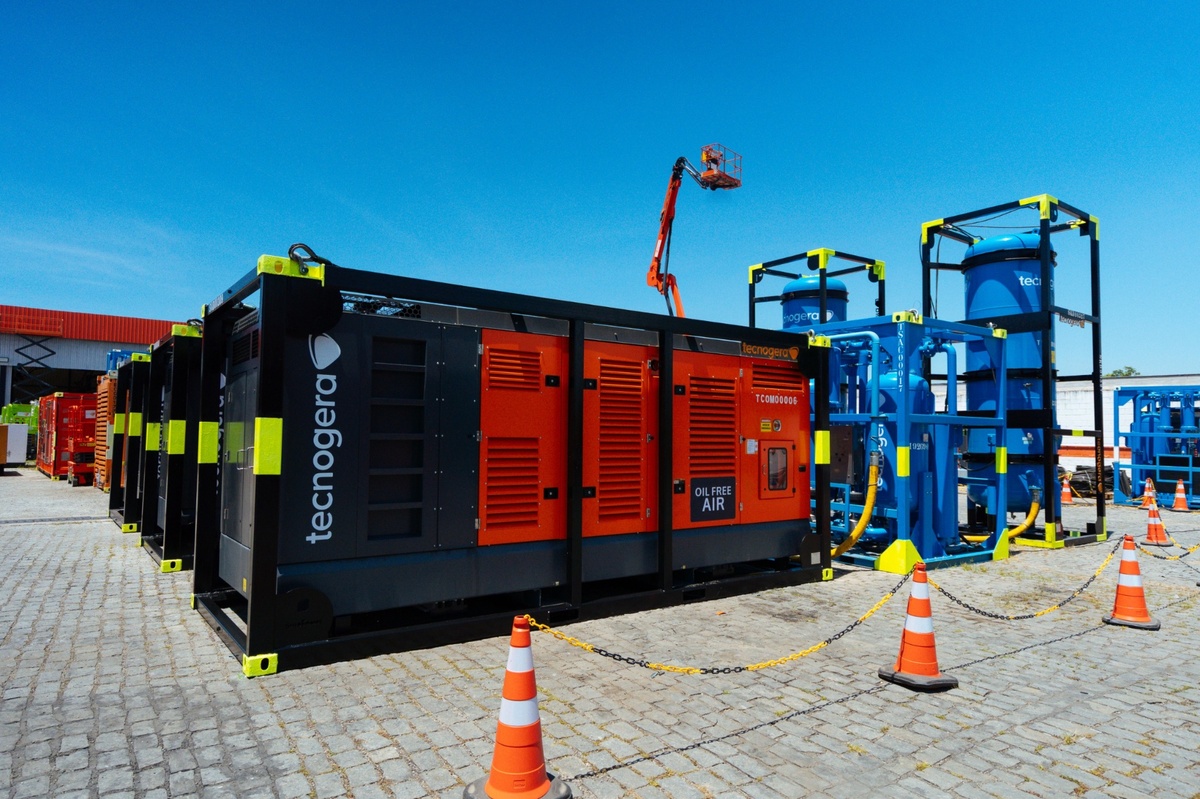
Offshore industrial demand in Macaé skyrockets with the recovery of oil and gas and could grow by up to 396% by 2026 in the Campos Basin.
-
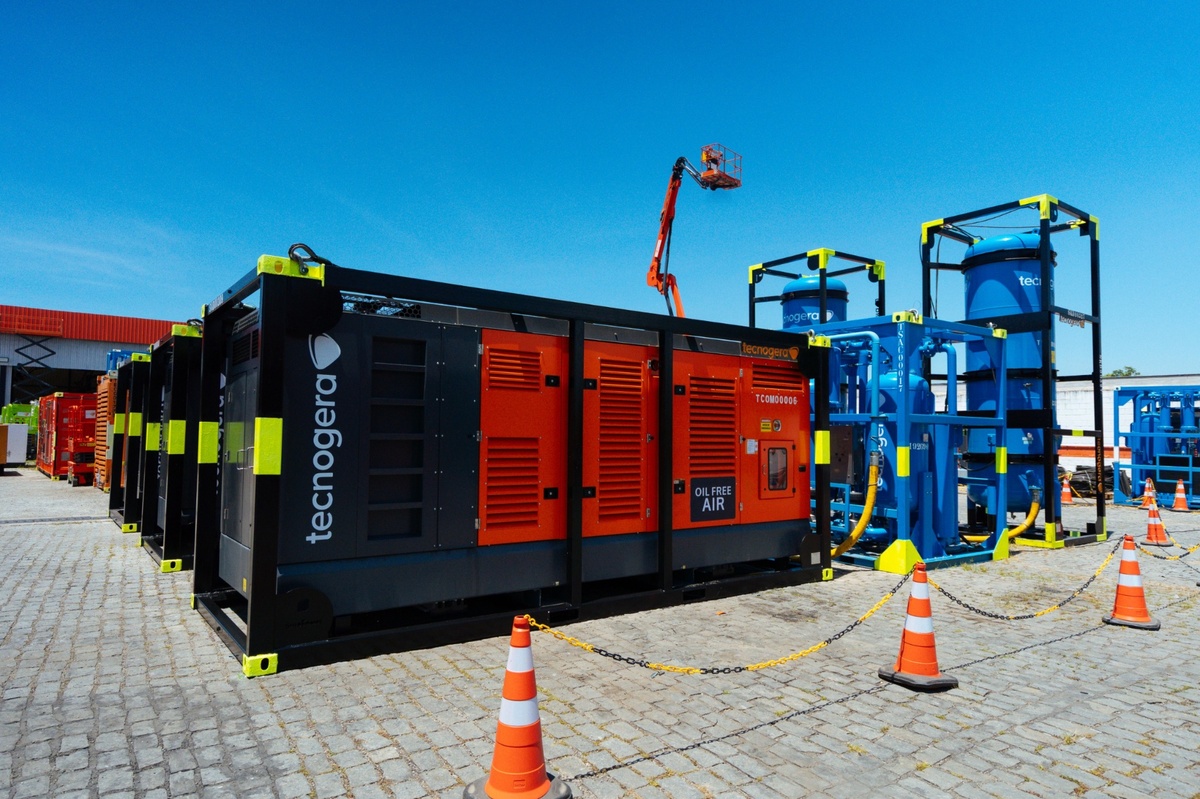
Offshore industrial demand in Macaé surges with the recovery of oil and gas and could grow by up to 396% by 2026 in the Campos Basin.
-
Brazilian giant expands borders in the Southeast: Petrobras confirms new oil discovery in ultra-deep waters in the pre-salt of the Campos Basin.

-
Alert in the global energy market: Severe tropical cyclone hits the coast and disrupts gas production at major plants in Australia, threatening global supply.


It is precisely in this context that South America emerges as the new frontier of oil. Specifically, countries such as Brazil, Guyana, and Argentina stand out due to significant discoveries and advancements in the exploration and production of oil and natural gas.
These advances result, primarily, from technological advancements in the industry, especially in offshore exploration, and also reflect greater political and regulatory stability that allows for long-term investments.
Additionally, the development of the oil sector is linked to a series of economic and social changes that strengthen the region. Consequently, the increase in production can generate a virtuous cycle of growth, with increased tax revenue, investments in infrastructure, and improved public services.
Therefore, many South American countries have the chance to reduce historical inequalities and improve the quality of life of their populations.
Brazil and Equatorial Margin: A Promising Growth
In Brazil, oil production has been growing consistently. According to recent studies, the country is expected to surpass the mark of 3.7 million barrels per day by 2025, driven not only by Petrobras, the largest company in the sector in the country, but also by other international companies betting on the region’s potential.
Moreover, the so-called Equatorial Margin, an extensive maritime strip that stretches from Amapá to Rio Grande do Norte, is receiving special attention. This region has geological characteristics similar to the oil basins of Guyana and Suriname, internationally recognized for their wealth in oil and gas.
However, exploration in the Equatorial Margin depends on advances in environmental licensing processes. Therefore, delays in these procedures could harm Brazil’s competitiveness compared to other South American countries that are already reaping the benefits of their discoveries.
On the other hand, Petrobras emphasizes that it has advanced technology and strict protocols to ensure responsible exploration, minimizing environmental impacts.
Another important factor for Brazilian growth is the technological innovation applied to exploration in deep and ultra-deep waters. These technologies enable access to previously considered inaccessible reserves, increasing production capacity without greatly expanding the exploration area.
Additionally, this advancement helps reduce environmental risks and optimize costs, essential factors for the sustainability of the sector.
Guyana: A Giant In Growth
In Guyana, the growth is even more remarkable. With a population of less than one million inhabitants, the country surprises by positioning itself as a giant in oil reserves.
Thus, local production is expected to reach around 690,000 barrels per day by 2025 and may reach 1.2 million barrels per day by 2030. The Stabroek block, explored by ExxonMobil and its partners, is one of the country’s largest assets.
Therefore, this situation has transformed Guyana into a growth hub for the oil industry, attracting investments and creating opportunities for the local economy.
The economic impact in Guyana is felt across various sectors. Indeed, the growth of oil drives services, construction, and trade.
However, the government faces the challenge of ensuring that these resources are used strategically to promote sustainable development, investing in education, health, and infrastructure, while also protecting the local environment.
Argentina and Shale: Economic Recovery
In Argentina, the story is a bit different, marked by periods of instability and economic policies that limited the sector’s development.
However, with recent changes, there is a significant recovery driven by the exploration of shale in the Vaca Muerta formation, one of the largest unconventional reserves in the world.
Production in this area has increased considerably, and infrastructure projects, such as the construction of a major pipeline, are expected to further expand the country’s export capacity.
Vaca Muerta stands out not only for the volume of reserves but also for the quality of the oil and gas it produces. Therefore, this factor attracts foreign investments and creates expectations that Argentina may become a significant regional exporter, reducing its dependence on energy imports.
Additionally, the expansion of the shale industry stimulates the local economy, generating jobs and income for nearby communities.
Technological Advancements and Socioeconomic Impacts
The development of these regions is linked to technological advancements that have allowed for oil extraction in areas previously considered unviable, such as deep waters and complex rock formations.
Moreover, relative political stability and the creation of clear regulatory frameworks attract large global oil companies, which see South America as a favorable environment for investments.
It is important to understand that this expansion of South America in the global oil market brings impacts that go beyond the economy. In fact, the increase in production generates direct and indirect jobs, strengthens local supply chains, and increases tax revenues through royalties and taxes.
However, it also poses environmental and social challenges that require careful management to ensure that sustainable development is a priority.
In many countries, the oil sector is becoming a driver for innovation and the development of new technologies, including those related to energy efficiency and mitigation of environmental impacts.
Furthermore, the growth of the sector can help diversify local economies, reducing dependence on agricultural and mineral commodities.
Geopolitics and The Future of Energy
The new South American oil frontier emerges at a time when the world is debating the energy transition and the role of fossil fuels in the future energy matrix.
Despite advancements in renewable energies, oil is still essential for various economic activities and transportation.
Thus, the increase in production in South America contributes to global energy security, especially in a scenario of geopolitical uncertainties affecting other traditional producing regions.
Furthermore, South America’s prominence may provoke changes in the geopolitics of oil.
Countries that previously had little influence in this market now gain voice and relevance, able to negotiate their commercial and strategic relations more autonomously.
Therefore, this transformation brings benefits for regional integration, economic development, and the continent’s insertion in global value chains.
This new position in the global scenario also brings responsibilities.
Thus, South American governments need to coordinate efforts to ensure that the growth of the oil sector does not harm the environment and that the generated benefits are distributed fairly to the entire population.
Cooperation among countries in the region can be a way to address common challenges and strengthen the continent’s role in the global energy market.
In summary, South America is emerging as the new frontier of oil, thanks to recent discoveries, robust investments, and technological advancements.
Thus, this change represents a unique opportunity for the continent to position itself as an important player in the global energy scenario.
However, for this evolution to be sustainable and bring lasting benefits, it will be essential to balance economic growth, environmental responsibility, and social inclusion.










Seja o primeiro a reagir!