





 Portuguese
  English
  Spanish
  6 min of reading
  1 comment


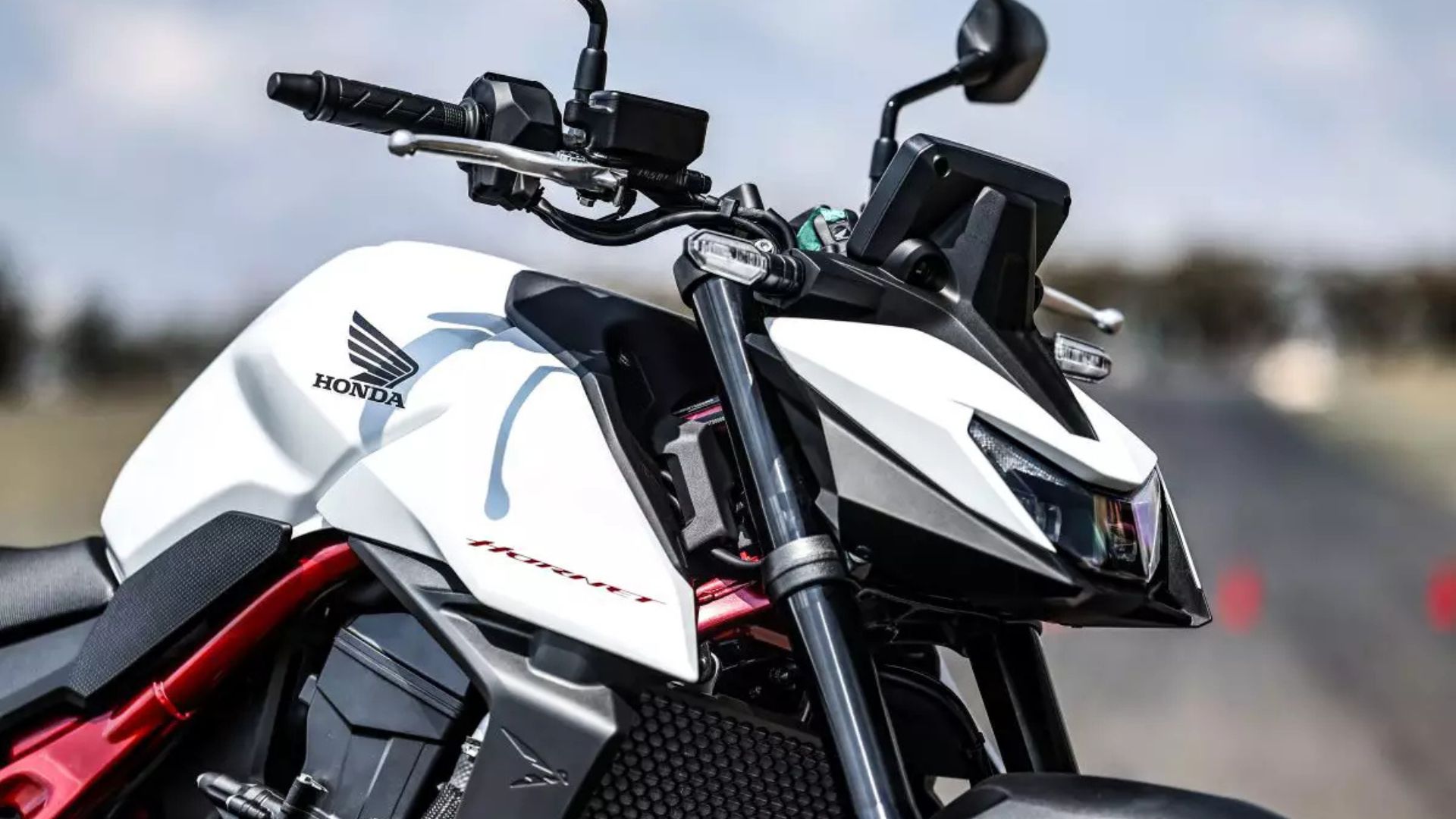


Honda Naked Medium Returns to Brazil with New Engine, Advanced Electronic Package, and Focused Approach on Agility, Energy Efficiency, and Ease of Handling, Targeting Direct Rivals in the Segment and Betting on Technology, Safety, and Balanced Performance for Urban and Road Use.
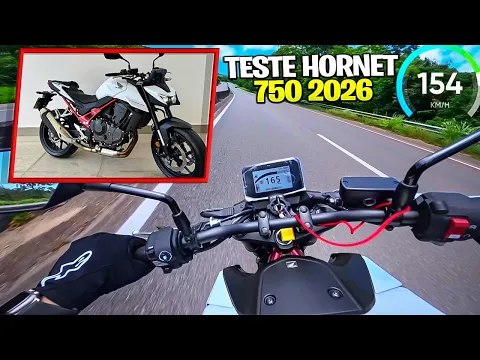
Honda has reintroduced the Hornet to the Brazilian market by presenting the CB 750 Hornet as its new naked bike in the medium displacement category, repositioning a traditional name in a technically different proposal from the previous generation.
With 755 cm³, the model arrives equipped with a parallel twin engine, a complete electronic package, and a chassis designed to offer agility both in urban usage and on winding roads, directly targeting rivals such as the Yamaha MT-07.
According to official launch information, the manufacturer claims 69.3 hp of power and 7.04 kgf.m of torque, both delivered at 7,000 rpm, in addition to electronic throttle and traction control with adjustments, forming the foundation of the model’s performance.
-
Engineers propose a fourth traffic light for intersections – the change promises to affect crossings, queues, and waiting times.

-
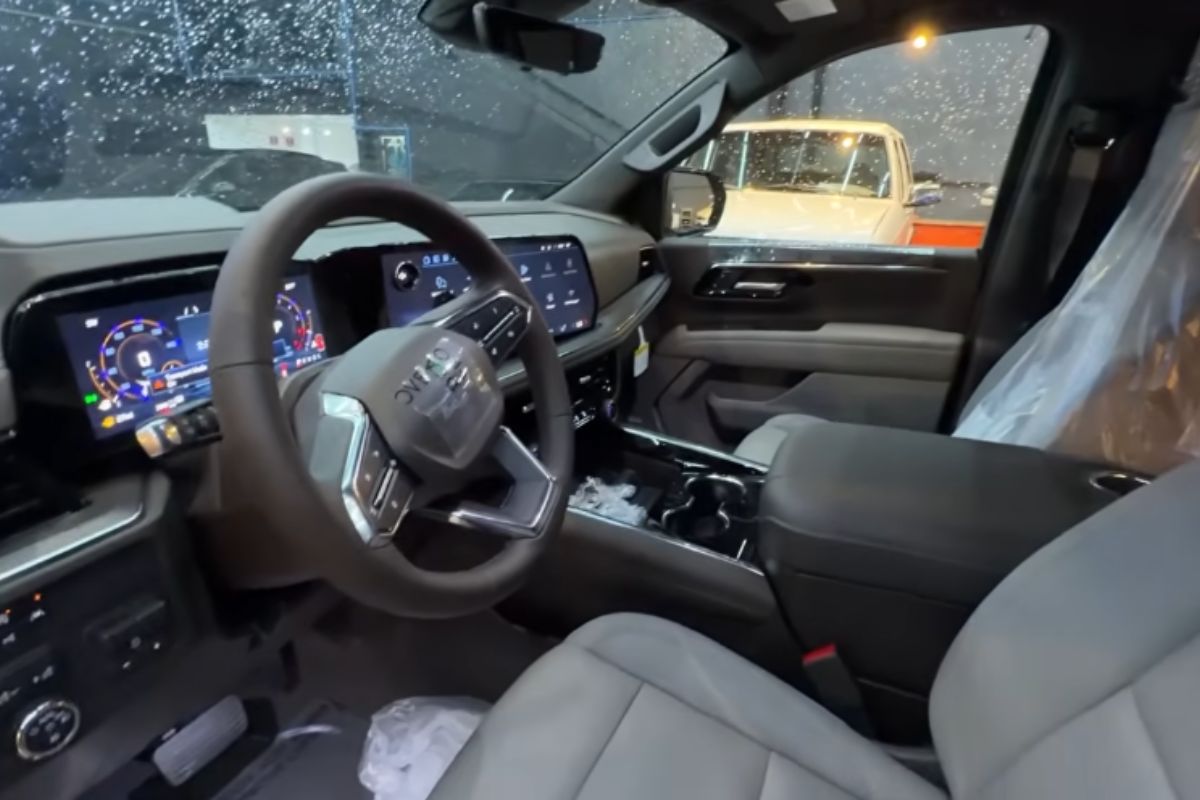
Chevrolet Suburban Z71 lands in Brazil with a V8 engine, off-road design, air suspension, seven seats, and colossal size, a rare version imported for around R$ 1.3 million with luxury and exclusivity.
-
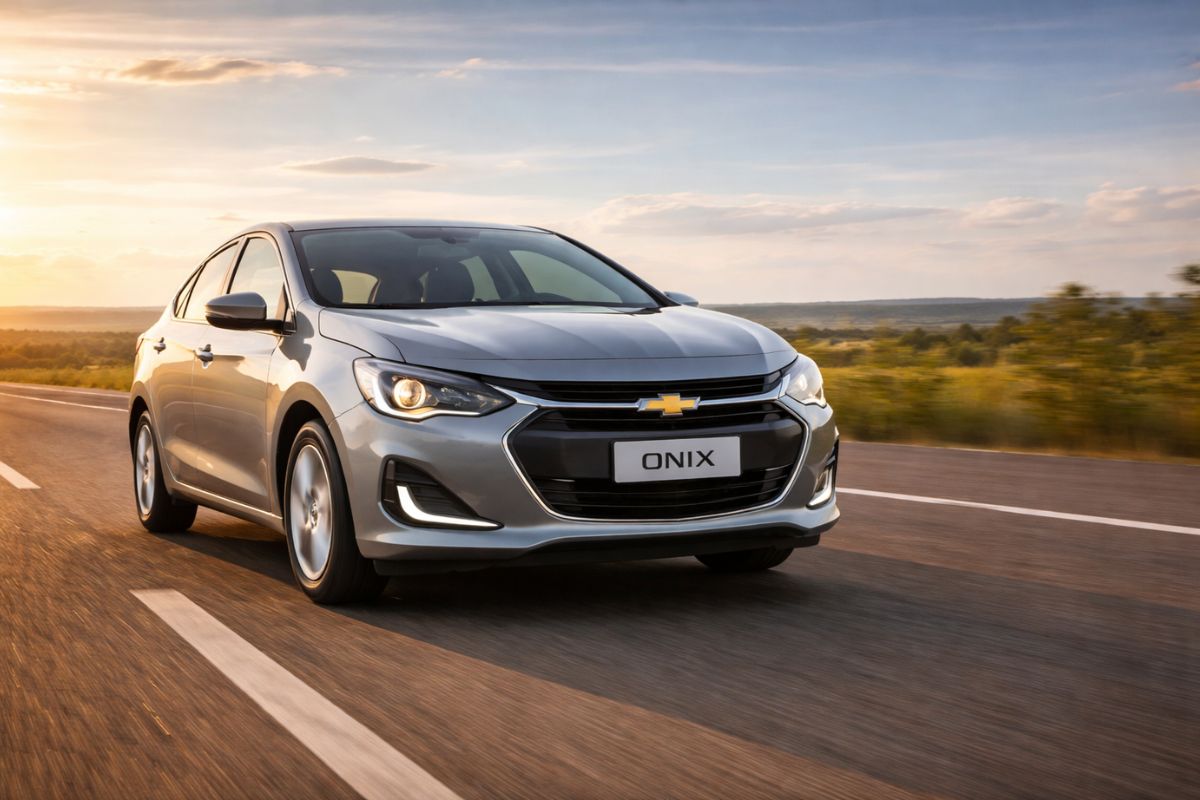
The Chevrolet Onix 1.0 turbo achieves 17.7 km per liter on the highway and ranks among the three most economical cars in Brazil in 2026, alongside two more expensive Toyota hybrids available at dealerships.
-
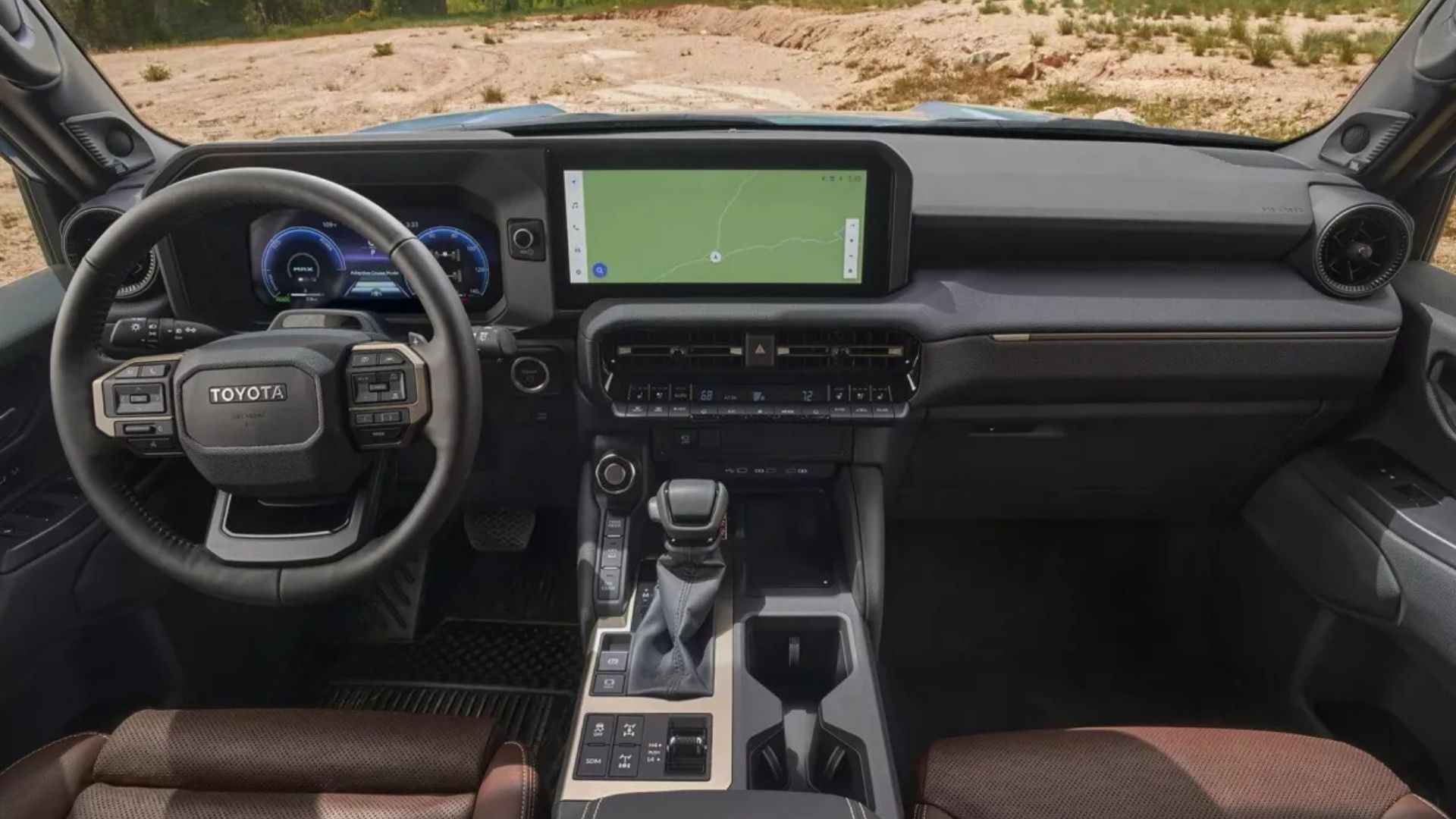
Little sister of the Hilux: Toyota launches Land Cruiser FJ with 4 radical versions, 2.7 engine with 166 hp and 4×4 traction with locking.

At the same time, the new Hornet symbolizes a clear break from the old CB 600F, which used a four-cylinder engine and was discontinued in Brazil in 2014 for not meeting the emission standards in effect at the time.
Now, the name returns associated with a different mechanical architecture and a broader level of onboard electronics, including a color TFT screen and active safety systems, such as automatic alerts during sudden braking.
Hornet’s Return to Brazil with a New Mechanical Proposal

The repositioning of the Hornet places the model as an entry 750 in the medium displacement segment, focusing on accessible torque, predictable responses, and ease of handling in daily use.
According to Honda, the project prioritizes a homogeneous power delivery, favoring low and mid-range RPMs while maintaining sporty behavior when the engine is pushed at higher revs.
In the Brazilian market, the bike adopts a different configuration from the European version, a difference attributed in the original text to electronic fuel map adjustments made by the manufacturer.
As a consequence of this calibration, the declared power is lower in Brazil, although the delivery is concentrated in an RPM range considered efficient for road use, with better response close to 7,000 rpm.
755 cm³ Parallel Twin Engine and Technical Solutions
In the institutional material, Honda highlights the adoption of the Unicam system with eight valves, a technology derived from competition models and also applied in the Africa Twin, allowing the engine to remain compact and lightweight.
Another highlighted point is the vortex intake ducts, known as Vortex Flow Ducts, which, according to the manufacturer, improve airflow and contribute to faster accelerations and more efficient pickups.
The setup is complemented by a 270-degree crankshaft, a solution that reinforces the typical character of parallel twin engines, along with a six-speed transmission tuned for versatile use.
Honda confirms the use of assist and slipper clutch, which reduces lever effort and increases stability during more aggressive downshifts, favoring sporty riding and safety.


In the original text, the spokesperson interviewed claims that the complete engine weighs 56 kg and emphasizes the use of components shared with the brand’s sport bikes, such as fuel injectors and high-pressure fuel pump.
Also according to the explanation presented, the FLS clutch uses inclined grooves in the discs, a solution that allows for greater oil flow, less drag during downshifts, and less heating in sporty use.
Chassis, Suspension, and Brake System
For the chassis, Honda states that the CB 750 Hornet uses a diamond-type steel frame combined with Showa suspensions tuned for balanced sportiness.
At the front, the model features a 41 mm SFF-BP inverted fork, while at the rear, the monoshock works in conjunction with the Pro-Link system for better control.
According to the manufacturer, the goal of the setup is to offer agility and good feedback to the rider without compromising stability at higher speeds.
The braking system features dual four-piston calipers with radial mounting and ABS as standard, reinforcing the bike’s active safety package.
Another relevant data disclosed by the brand is the dry weight of 180 kg, combined with a seat height of 795 mm from the ground, a combination that tends to facilitate maneuvers and accommodate different heights.
TFT Display and Electronic Features

Among the technological highlights is the 5-inch color TFT display, with controls concentrated on the left handlebar and intuitive navigation through the menus.
Honda claims to have applied specific solutions to improve visibility in high-light environments, reducing glare and facilitating the reading of information.
In the electronic package, the model features electronic throttle, five riding modes, and two customizable modes, allowing adjustments according to the rider’s style.
The HSTC traction control works integrated with the wheelie control, while the power and engine brake levels can also be configured.
Another present feature is the ESS, a system that automatically activates the turn signals during sudden braking and promotes automatic cancellation after the end of a turn.
In the original text, it is noted that smartphone connectivity would not yet be active in Brazil, although the display has the structure for the feature, whose release depends on the commercial configuration adopted.
Riding Impressions and Comparison with the MT-07
The original account describes a route of approximately 230 km in Santa Catarina, combining highways and mountain sections to evaluate the model’s behavior.
During the test, the bike was described as easy to handle, with a quick and predictable throttle response, favoring control in different situations.
In comparison with the MT-07, the Hornet is classified as more docile, with less aggressive power delivery and a chassis that facilitates direction changes.
This characteristic is highlighted as a differential for those progressing in displacement and seeking confidence while riding.
Still, the account notes some downsides, such as discomfort in the wrist after long periods of use and limitations in seat comfort on longer trips.
The aesthetic critique of the front end appears as a personal perception, with no direct relation to the functionality of the mechanical setup.
Consumption and Price in the Brazilian Market
Regarding consumption, the text attributes an average of 21 km/l to the Mauá Institute of Technology, with variations depending on the riding style adopted.
In sportier riding, the reported consumption was 18 km/l, while in more moderate use, there were records of up to 24 km/l.
The suggested public price informed by Honda is R$ 53,694, based in São Paulo, excluding freight or insurance.
With a three-year warranty, the CB 750 Hornet positions itself as an option for those looking to move up in displacement, combining performance, electronic control, and predictability.
Given this set, what tends to weigh more in the consumer’s decision: the tradition of the Hornet name or the technical specifications presented by this new generation?








Bela moto, pena que é muito visada, no Brasil só pra quem tem coragem