





 Portuguese
  English
  Spanish
  3 min of reading
  0 comments


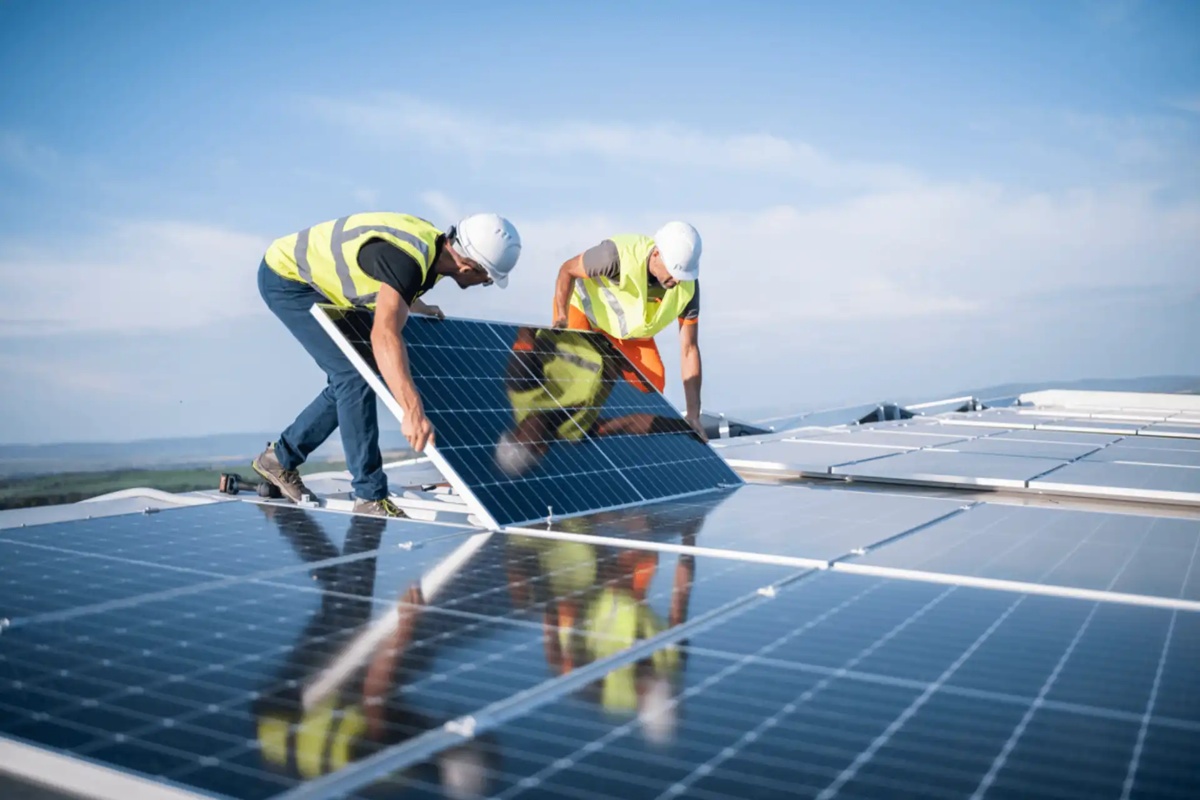
New Law Brings Uncertainties for Consumers and Electricity Sector Companies
Published on May 21, 2025, Provisional Measure 1,300 reforms the pillars of the Brazilian electricity sector and directly changes the rules for residential solar energy.
From this, the National Electric Energy Agency (ANEEL) will be able to create tariffs that go beyond measured consumption, including network costs even for those who inject energy into the distribution.
Previously, compensation was full for consumers who generated solar energy at home, as all injected energy was deducted from the electricity bill.
Now, the change may reduce the savings of these consumers by up to 80%, according to estimates from sector associations published in September 2025.
Additionally, the tariff benefits for new incentive energy contracts will end on December 31, 2025, putting an end to discounts on the usage tariff of transmission and distribution networks.
New Requirements for Self-Production and Expansion of the Free Market
The MP imposes stricter criteria, requiring a minimum demand of 30,000 kW and a 30% ownership stake to qualify as a self-producer.
The benefit will be restricted to self-consumption or the share participation, reducing tax advantages. Furthermore, the measure expands access to the free market, allowing more consumers to choose suppliers and negotiate contracts.
Low-income families with consumption of up to 80 kWh per month will have full exemption on their electricity bills, funded by all system users.
Finally, distributors will have to separate distribution and commercialization activities by July 2026, requiring contractual and technological adjustments.
Sector Reactions and Economic Concerns
Those who already have solar systems registered with the CCEE before the MP will retain all benefits and original contractual conditions without immediate changes.
-
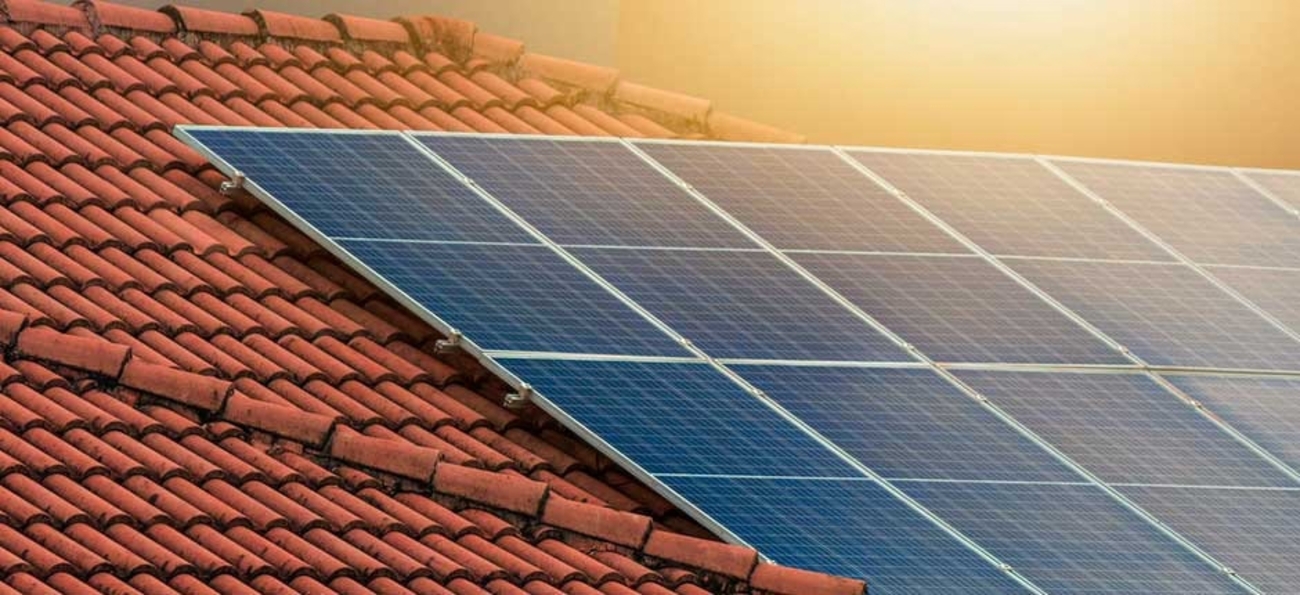
Roraima bets on the sun to escape high tariffs: Amid the energy crisis and price hikes, solar energy is growing in Roraima and transforming consumption in the North region.
-
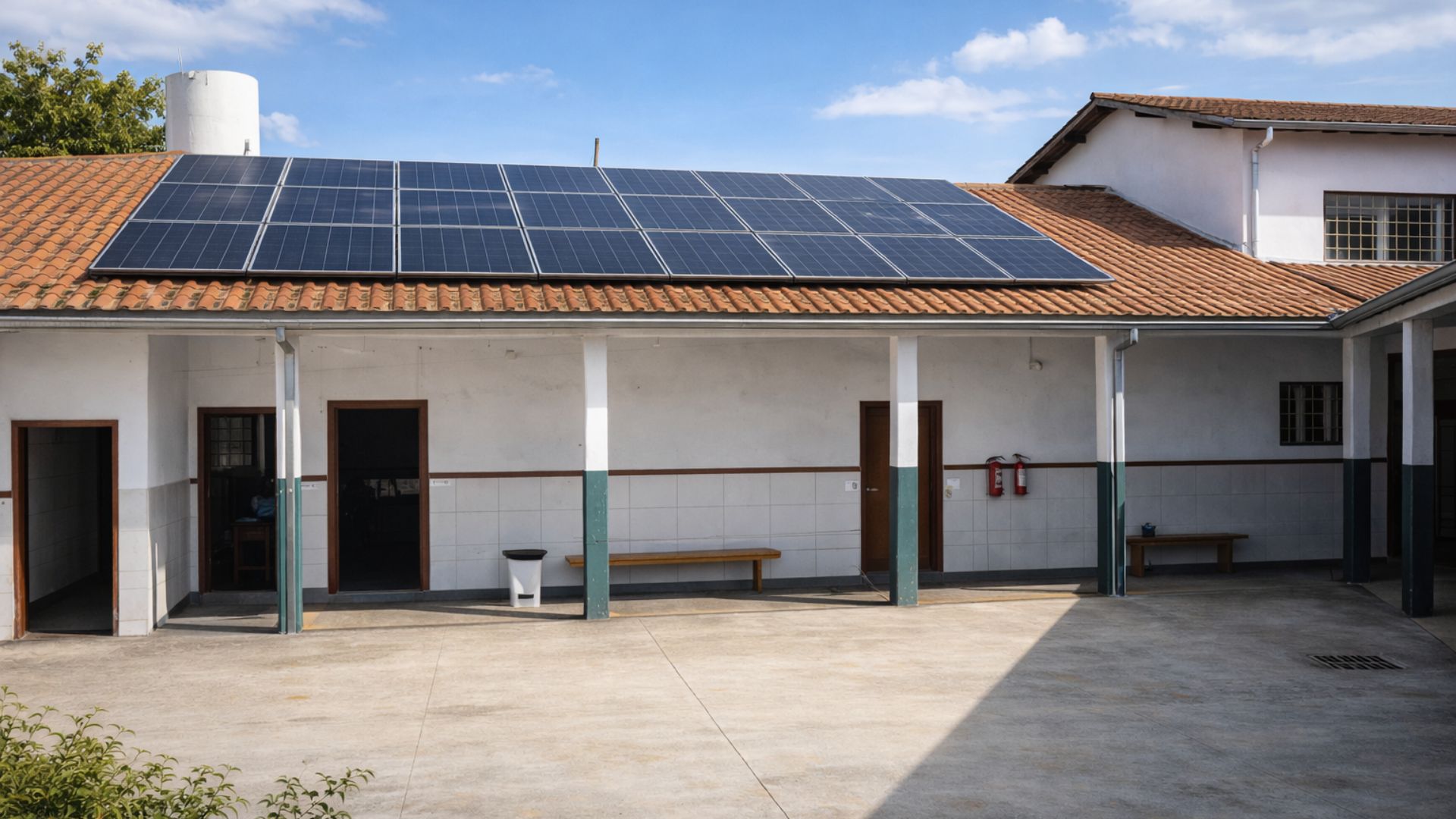
Copel boosts solar energy in Paraná and brings innovation to public schools, promoting savings on electricity bills, energy efficiency, and a direct impact on the quality of education.
-
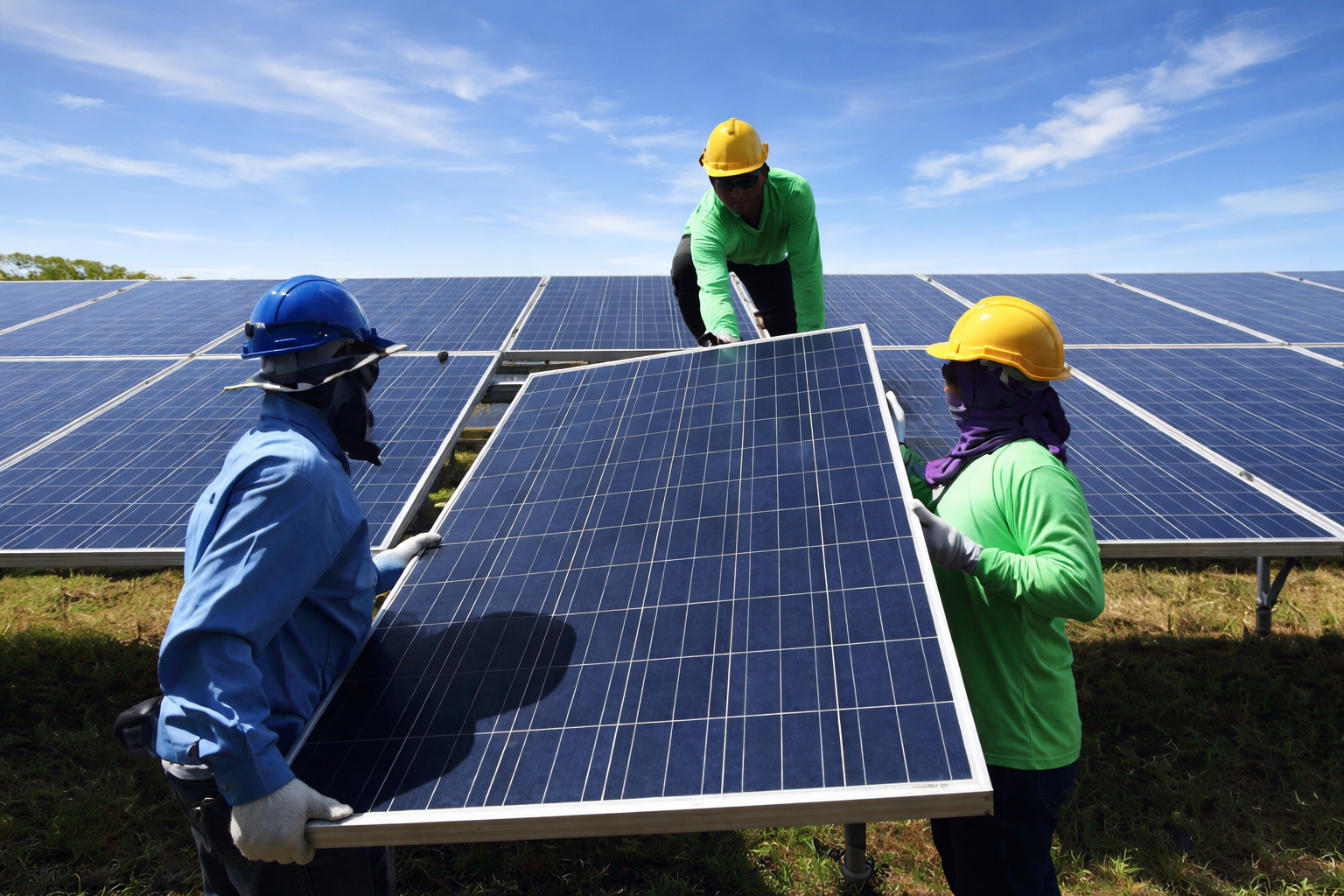
Brazil reaches historic milestone in solar energy: Sector surpasses 2 million accumulated green jobs and generates billions in the national economy even under market pressure.
-
Minas Gerais takes the lead in renewable energy: State surpasses historic mark of 14 GW in solar energy generation in MG and consolidates dominance in the Brazilian electric sector.

On the other hand, ANEEL will define complementary regulations between 2025 and 2026, on which new energy sector projects will directly depend.
Although some provisions have immediate effect, the practical application of the MP will require technical standards, administrative decisions, and legal debates regarding additional charges.
If the MP loses validity without definitive approval, the social tariff will revert to the previous format, affecting the predictability of the national electricity sector.
Between 2025 and 2026, the country will face a delicate transition period, requiring investors and consumers to closely monitor all regulatory changes.
Predictability will be the greatest challenge for the sustainability of solar energy in Brazil, and success will depend on the clarity and stability of ANEEL‘s decisions.
Adaptation and Uncertainties Until 2026
Those who already have solar systems registered with the Electric Energy Trading Chamber (CCEE) before the MP will maintain all original benefits and contractual conditions.
On the other hand, ANEEL will define complementary regulations throughout 2025 and 2026, on which new solar projects will directly depend.
Although some provisions have immediate effect, the practical application of the MP will require technical standards, administrative decisions, and legal debates regarding additional charges.
If the MP loses validity without definitive approval, the social tariff will return to the previous format, affecting the predictability of the electricity sector.
Between 2025 and 2026, the country will experience a delicate transition period, requiring investors and consumers to closely monitor regulatory changes.
Predictability will be the greatest challenge for the sustainability of solar energy in Brazil, and the success of the transition will depend on the clarity of ANEEL’s decisions.









-

Uma pessoa reagiu a isso.