





 Português
  Inglês
  Espanhol
  2 min de leitura
  0 comentários


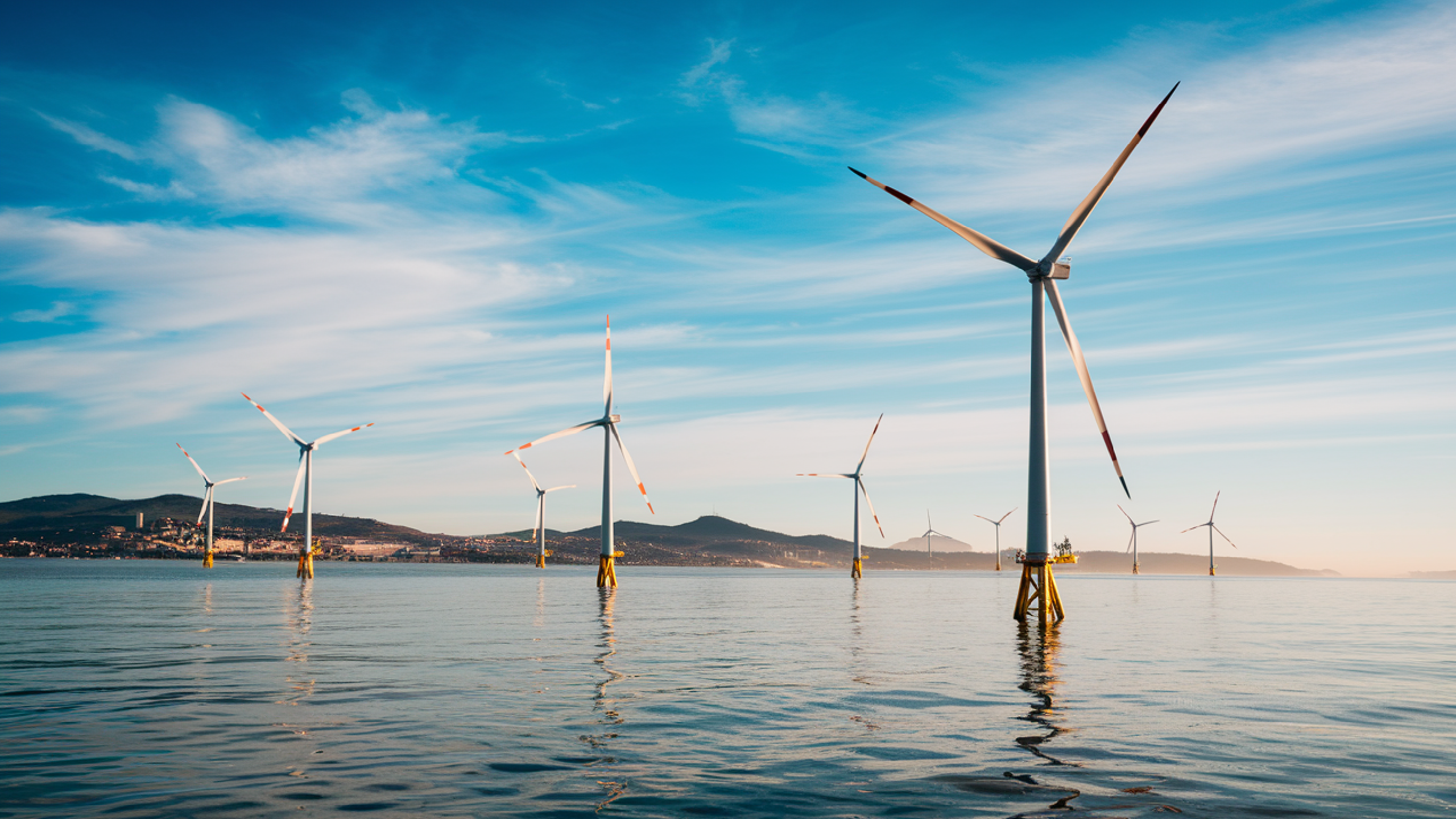
Country Advances in Sustainability and Job Creation with Historic Milestone of Renewable Energy Offshore
Brazil took a decisive step towards sustainability by enacting the law that regulates offshore wind energy exploration. The initiative marks a new chapter in the country’s energy transition, boosting the use of offshore winds to generate clean and renewable energy. With this regulatory milestone, the country positions itself as a leader in the responsible and innovative exploration of natural resources, according to O Cafezinho.
What is Offshore Wind Energy and Why is it Important?
Offshore wind energy uses turbines installed on the seabed to capture wind power. This modality is more efficient than land-based generation, as offshore winds are more constant, faster, and free from barriers.


Moreover, offshore wind turbines are larger than those installed on land, increasing production capacity. This technology, previously unexplored in Brazil due to a lack of regulation, will now significantly contribute to the national energy matrix.
-
Renewable energy advances over protected areas in Brazil, and a survey by the Energy Transition Observatory reveals silent impacts that challenge environmental conservation and pressure sensitive traditional territories.

-
Rio Grande do Sul accelerates energy transition: State invests in renewable technologies and consolidates decarbonization strategies and pathways to attract billions in new industrial investments.

-
With 160,000 m² of collectors, an area larger than 20 football fields, Silkeborg, in Denmark, hosts a solar thermal plant that heats 19,500 homes and could become the largest solar heating plant in the world.

-
A study reveals the expansion of renewable energy procurement in Brazil and shows how companies are taking advantage of opportunities to reduce expenses, ensure energy efficiency, and strengthen strategic environmental commitments.


Main Benefits of the New Law
Job Creation and Economic Development
The regulation of offshore wind energy stimulates movement in the national economy. The creation of direct and indirect jobs, combined with the strengthening of the local industry, are important incentives outlined in the law.
Sustainability and Environmental Preservation
The law establishes strict guidelines for the decommissioning of projects, ensuring the restoration of explored areas. Additionally, it promotes prior consultations with affected communities, respecting traditional and cultural practices.
Revenue for States and Municipalities
The exploration of offshore energy will generate revenues from signing bonuses, occupancy fees, and royalties on the energy produced. These resources will be primarily allocated to research, technological innovation, and sustainable development, benefiting states and municipalities.
Brazil: A New Level in Renewable Energy
Brazil already holds the sixth position in the world ranking of wind energy production. With the new legislation, the country will be able to significantly increase its participation in the global renewable energy scene.
The measure also promotes an economic transformation by reducing energy costs and contributing to new production chains. This transition not only decreases dependence on polluting sources, such as thermoelectric plants, but also positions Brazil as a leader in the fight against climate change.









Seja o primeiro a reagir!