





 Portuguese
  English
  Spanish
  4 min of reading
  0 comments



Headlight Law Is One of the Most Feared by Drivers. It Imposes Fines of R$130.16 and 4 Points on the License for Those Who Violate It.
The traffic law that can turn a simple trip into a nightmare for many drivers still causes great confusion, even after years of enforcement.
The topic may seem trivial, but it can lead to fines, points on the license, and, of course, financial losses for those who do not follow the rules properly.
At the center of this controversy is the mandatory use of low beams on certain highways, a rule that affects thousands of drivers of vehicles such as Volkswagen, Toyota, and Chevrolet.
-
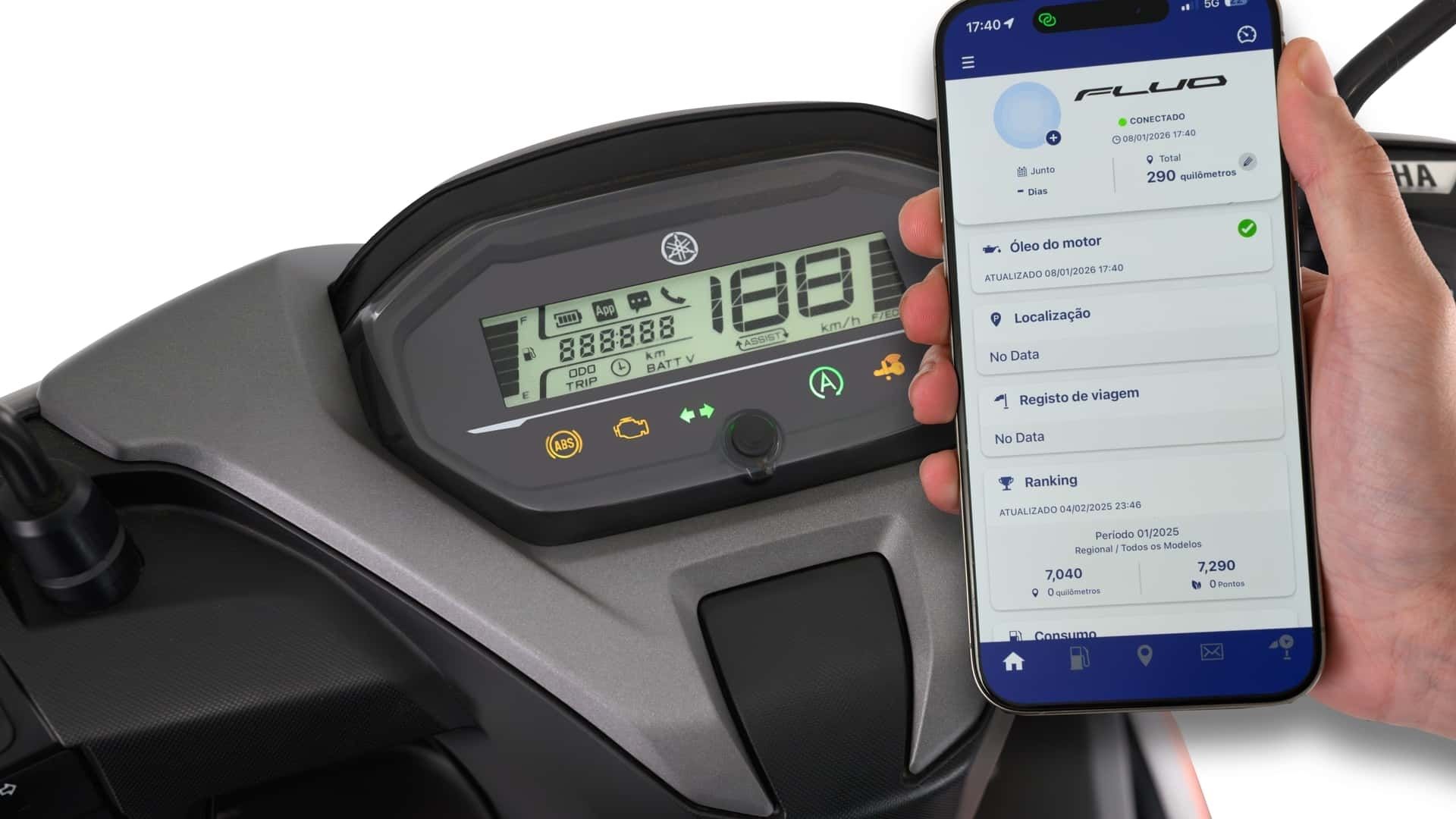
Costing R$ 16,000, the new Yamaha features a 125 cc hybrid engine with electric assistance, delivers 8.3 hp, includes ABS, optimized fuel consumption, Y-Connect connectivity, 25 liters of storage space, and a surprising 4-year warranty in the urban segment.
-
OMODA & JAECOO grows in Europe in 2026 with an integrated strategy of sales, innovation, local production, and technological advancement in the United Kingdom, Italy, and Spain.

-
OMODA & JAECOO expands after-sales service in Brazil with competitive maintenance, a 7-year warranty, and high availability of parts for technological SUVs.

-
OMODA & JAECOO appoints Alessandra Souza as executive marketing director in Brazil and accelerates brand expansion with a focus on innovation, networking, and hybrid portfolio.


But do you know exactly how this legislation works? Throughout the text, we will clarify all the details so that you don’t run the risk of being caught by surprise.
Law 14.071/2020, which came into effect in April 2021, brought significant changes to traffic regulations, especially regarding the use of headlights on highways.
According to the new regulation, vehicles that do not have DRL (daytime running lights) must use low beams on single carriageway highways located outside the urban perimeter, even during the day.
This means that, in many highway stretches, drivers must keep their lights on, regardless of visibility conditions.
Eduardo Alves, a traffic instructor at the State Department of Traffic of Pernambuco (Detran-PE), clarifies that “a single carriageway highway is one composed of one lane in each direction and that is outside the urban perimeter”.
Thus, it is clear that the rule does not apply to highways with dual lanes, such as the major highways in São Paulo, including Bandeirantes, Imigrantes, and Dutra, where the use of low beams is not mandatory during the day.
Fines That Hit the Wallet
Those who disrespect the legislation not only endanger their safety but are also subject to financial and administrative penalties.
The Brazilian Traffic Code (CTB) imposes a fine of R$ 130.16 for drivers who do not keep their headlights on when required by law, in addition to a medium violation resulting in four points on the National Driver’s License (CNH).
The penalty is severe, but the objective is clear: to increase vehicle visibility and reduce accidents on the roads, especially in higher-risk stretches, such as single carriageway highways.
Still, even with the obligation already in force for several years, many drivers are still not familiar with the nuances of this law, especially those who drive on different types of highways.
Low Beams or Daytime Running Lights?
With the advancement of technology, a large part of modern vehicles already comes from the factory with DRL (daytime running lights), which offers a practical solution for complying with the law.
Since 2023, the installation of this device is mandatory on all new vehicles.
Therefore, for those who own newer cars, the concern about using low beams during the day on single carriageway highways is no longer so relevant.
However, at night, even vehicles equipped with DRL must use low beams, as mandated by law.
The change is particularly impactful for drivers of older vehicles or models without DRL, who still need to adapt to the new reality.
For these drivers, proper use of the headlights can mean the difference between a smooth trip or accumulating fines and points on the CNH.
Doubts Still Persist
Even with the rules clearly established, many doubts persist among drivers.
The use of headlights on highways continues to be a topic that generates discussions and uncertainties.
Some people question the necessity of keeping low beams on in broad daylight, especially on well-lit highways or in good visibility conditions.
However, experts and traffic authorities argue that the measure aims solely to enhance safety on the roads, especially in areas where accidents are more common due to inadequate visibility.
The requirement for headlights on single carriageway highways aims to reduce the number of head-on collisions, which tend to be more severe and fatal.
Law 14.071/2020 came to strengthen road safety, even if many drivers see it as an unnecessary requirement.
However, by ensuring greater visibility of vehicles on the roads, this norm proves essential to prevent accidents and save lives.
Therefore, being aware of the rules and respecting the stipulations of the Brazilian Traffic Code is crucial to avoid fines and ensure the safety of everyone on highways.
Given this information, the question remains: are you really attentive to the correct use of the headlights in your vehicle? And how can Brazil continue improving its traffic laws to ensure greater road safety?









Seja o primeiro a reagir!