





 Portuguese
  English
  Spanish
  4 min of reading
  327 comments


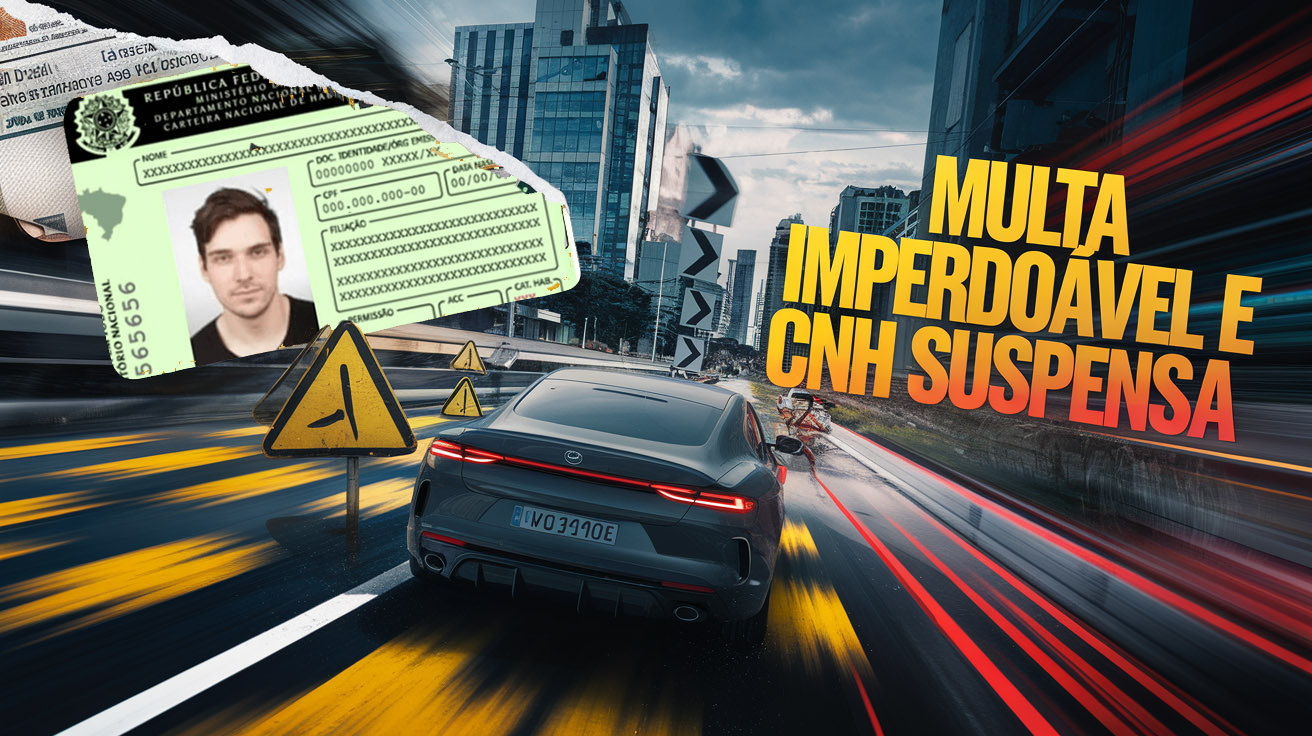


A New Bill Promises to Revolutionize Traffic in Brazil. Fines of R$ 3 thousand and a 12-month Suspension of the Driver’s License Are the Weapons Against Dangerous Overtaking, Which Lead the Statistics of Fatal Accidents. Are Brazilian Drivers Prepared for This Unprecedented Rigor?
In Brazil, where traffic is already a daily challenge, a new bill emerges to put reckless drivers against the wall.
With heavy fines and severe penalties, the initiative promises to shake up the habits of those who insist on dangerous overtaking, considered one of the main causes of fatal accidents in the country.
The change in the Brazilian Traffic Code (CTB) brings high values and strict sanctions, but will behavior on the roads really change?
-
A new Brazilian shopping center worth R$ 400 million will be built in an area equivalent to more than 4 football fields, featuring 90 stores, 5 cinemas, a supermarket, a college, and parking for 1,700 cars, potentially generating 3,000 jobs.

-
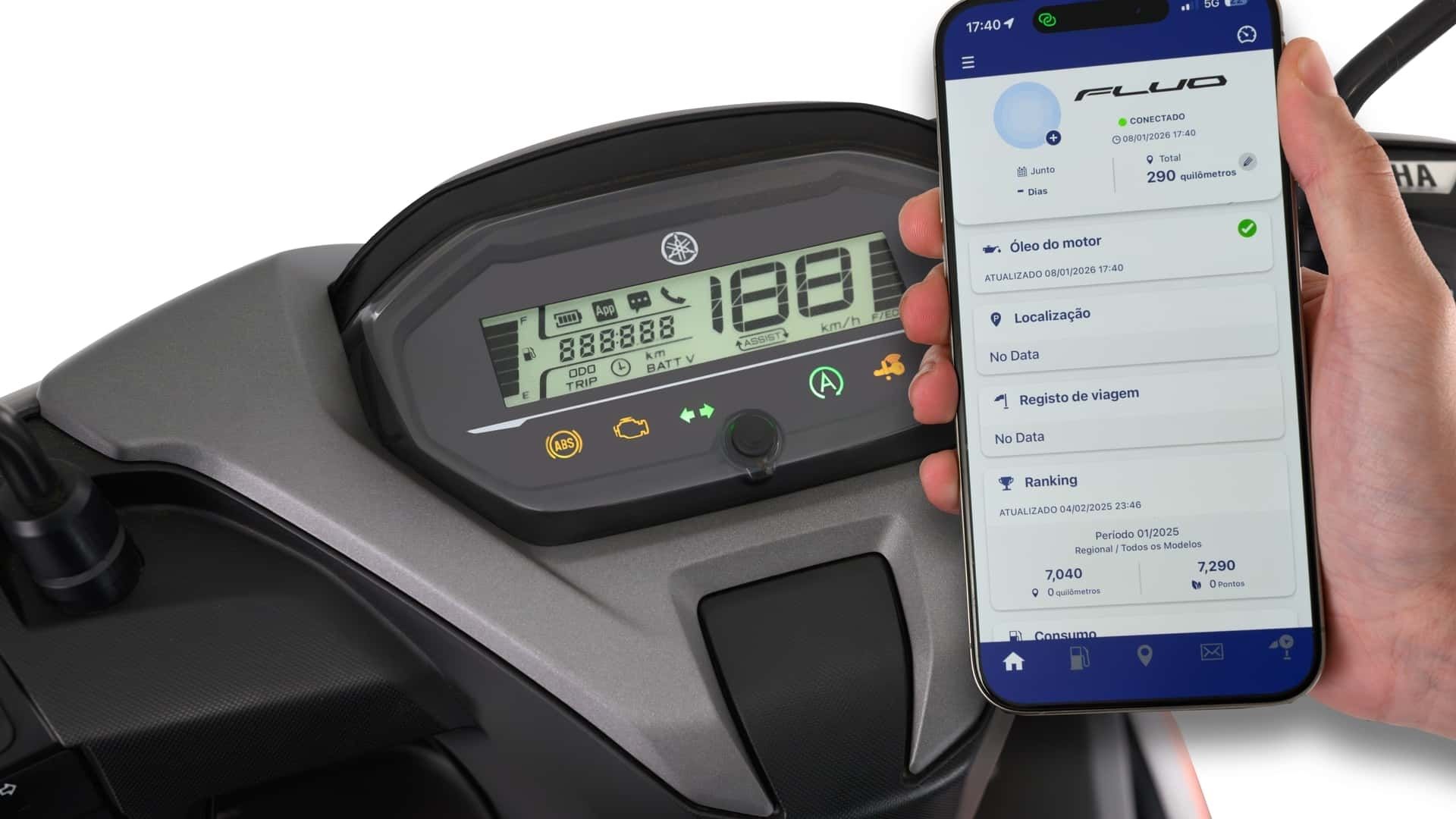
Costing R$ 16,000, the new Yamaha features a 125 cc hybrid engine with electric assistance, delivers 8.3 hp, includes ABS, optimized fuel consumption, Y-Connect connectivity, 25 liters of storage space, and a surprising 4-year warranty in the urban segment.
-
Larger than entire cities in Brazil: BYD is building a 4.6 km² complex in Bahia with a capacity for 600,000 vehicles per year, but the discovery of 163 workers in conditions analogous to slavery has shaken the entire project.

-
With an investment of R$ 612 million, a capacity to process 1.2 million liters of milk per day, Piracanjuba inaugurates a mega cheese factory that increases national production, reduces dependence on imports, and repositions Brazil on the global dairy map.


What Does the New Law Propose?
According to bill number 1405/24, presented by Congressman Clodoaldo Magalhães (PV-PE), dangerous overtaking will be treated as a serious violation.
The penalty includes a fine of R$ 3 thousand and the suspension of the National Driver’s License (CNH) for 12 months.
The proposal aims to tighten the rules to discourage behaviors that put the lives of drivers, passengers, pedestrians, and cyclists at risk.
Currently, the Brazilian Traffic Code already provides for penalties for overtaking in prohibited areas, but the new legislation seeks to intensify the rigor.
According to the congressman, the measure is essential to educate drivers and transform the traffic culture in Brazil.
“Dangerous overtaking is not just a violation; it’s a disrespect for life,” Magalhães stated during the presentation of the bill.
Dangerous Overtaking: A Real Danger
Serious and fatal accidents are often linked to overtaking in inappropriate situations.
According to road safety experts, these maneuvers are common on single-lane highways, where the lack of visibility drastically increases the risk of head-on collisions.
Some examples of dangerous overtaking include:
- Overtaking on continuous lanes, disregarding signs that prohibit the maneuver.
- Reckless actions in curves and hills without visibility.
- Excess speed while attempting to overtake another vehicle.
Data from the National Traffic Department (Denatran) indicates that dangerous overtaking is among the top three causes of deaths in Brazilian traffic.
This alarming statistic reinforces the need for stricter legislation to protect lives.
According to experts, head-on collisions caused by risky overtaking often result in multiple fatalities, as the impacts occur at high speeds.
How Does Bill No. 1405/24 Integrate with the CTB?
Currently, the Brazilian Traffic Code already provides for punishments for drivers who perform prohibited overtaking, but the bill presented by Congressman Clodoaldo Magalhães seeks to go further.
The proposal classifies these maneuvers as serious violations, with penalties that include:
- High fine of R$ 3 thousand.
- Suspension of the CNH for 12 months.
The main goal is to create an educational and preventive effect, discouraging practices that put lives at risk.
According to consulted experts, this change in the CTB reflects a growing concern about the rising mortality rates on Brazilian roads.
According to the National Road Safety Observatory, about 30% of fatal accidents in the country involve risky overtaking.
Impacts and Challenges of the New Law
If approved, the change in the CTB could have a significant impact on driver behavior. Heavy fines and the fear of losing the right to drive for 12 months are likely to generate greater awareness.
However, experts point out that enforcement will be an important challenge.
For the new law to be effective, an increase in the number of speed cameras and monitoring actions on highways will be necessary.
Additionally, the bill still faces a long legislative process.
It will be analyzed in specific committees, voted on in the Chamber of Deputies and the Senate, and finally sanctioned by the President of the Republic.
According to Congressman Magalhães, the proposal represents not only a legal update but an evolution in the concept of road safety.

The Cultural Shift in Brazilian Traffic
More than just imposing fines and suspending licenses, the bill aims to promote a cultural transformation.
The idea is to encourage drivers to act more responsibly, respecting the rules and prioritizing safety.
According to Denatran, education in traffic is as important as enforcement.
Awareness campaigns can play a crucial role in complementing the changes proposed by Bill No. 1405/24.
In recent years, countries that adopted stricter legislation, such as Norway and Sweden, have significantly reduced traffic mortality rates.
Experts believe that Brazil can follow the same path.
Why Is the Law So Necessary?
Dangerous overtaking is not just a violation; it reflects reckless attitudes that devalue life.
According to the National Road Safety Observatory, a head-on collision at 80 km/h has a fatality rate of over 90%.
Beyond the numbers, each accident represents an interrupted story, a devastated family, and an immense social cost.
The bill emerges as an attempt to prevent these tragedies, promoting a safer and more humanized traffic.
Will the Changes Work?
Although Bill No. 1405/24 has generated positive expectations, many drivers question whether the measures will really be effective.
Will the increased fines and CNH suspension be enough to change the behavior of drivers used to ignoring the rules?
In any case, the debate already reflects an urgent need: to make Brazilian roads safer for everyone.
Will this new law be enough to change driver behavior, or will we still see scenes of dangerous overtaking on Brazilian roads?








Porque em vez de criarem leis que penalizam o cidadão esses deputados e senadores não mandam imendas e dinheiro para duplicar as rodovias brasileiras nem vô fala do presidente porque não adianta mas é fácil criar lei no Brasil sempre no c…do brasileiro
Tudo para essa galera é mexer no bolso do povo brasileiro, porque antes de multar não é investido o real valor em estruturas nas estradas brasileiras , muitas não o mínimo de estrutura para se trafegar , cheias de buracos,ondulações,sem acostamento , não estou aqui querendo isentar o motorista que comete esses tipos de irregularidades.
Mas deveria ser investidos mais em infraestrutura nas estradas brasileiras, em duplicação asfaltos de qualidade , sinalizações ,verticais e horizontais.
Tinham que cancelar de vez a CNH desses infratores….cometeu imprudência….não respeitou a velocidade….é apressadinho na pista….não tem multa….tem que cancelar definitivamente a CNH…direito de dirigir nunca mais