





 Portuguese
  English
  Spanish
  2 min of reading
  1 comment


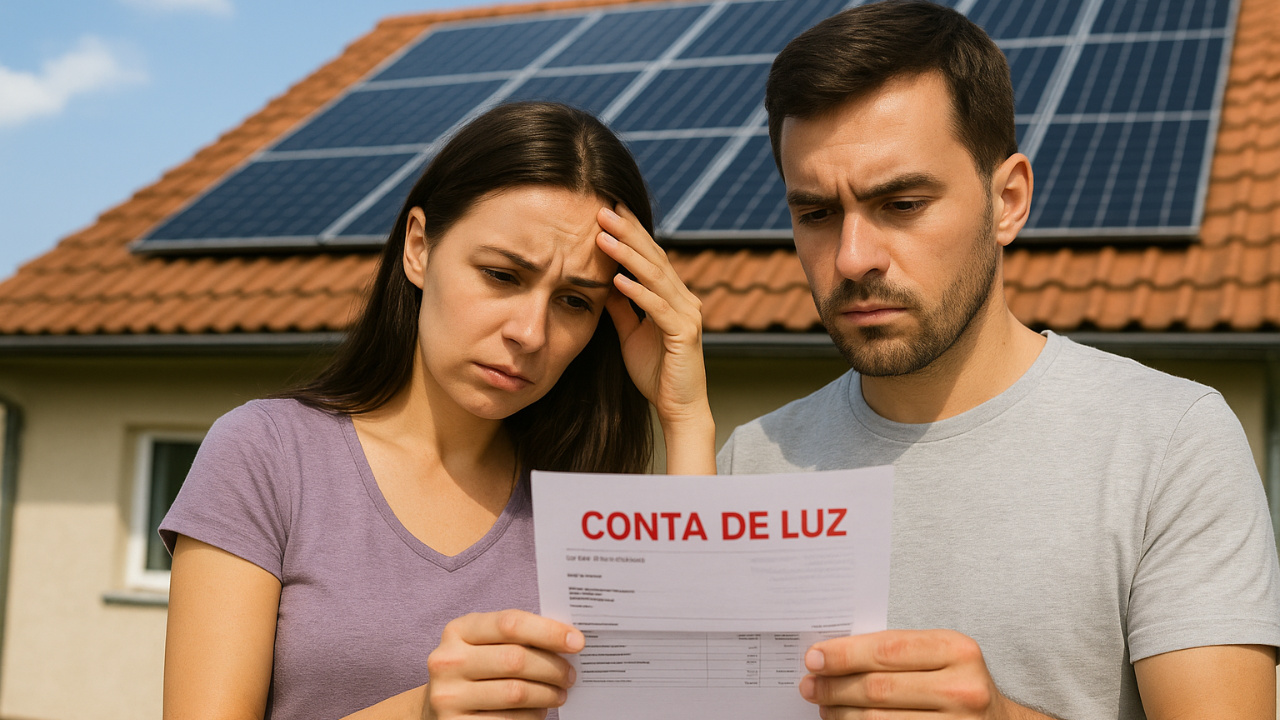


Provisional Measure No. 1,300/2025 Alters the Electric Sector and Impacts Solar Energy in Brazil, Reducing Economic Benefits for Consumers and Small Producers.
Those who invested in solar energy believing in savings may face new costs after the sanction of Provisional Measure No. 1,300/2025, as reported this Thursday, 02. The legislation reformulates part of the rules of the electric sector, and experts already point out that the impact will be direct on the wallets of consumers and small energy generators.
Until now, compensation for generated solar energy was full. That is, the consumer received full credit for the energy they injected into the grid. With the new guidelines, the National Electric Energy Agency (ANEEL) is now allowed to include costs in the tariff that go beyond consumption, which may reduce the economic viability of residential and commercial solar systems.
Expanded Access to the Free Energy Market
Despite the pressure on solar energy, the PM also brought measures seen as advancements. Among them, the expansion of access to the free energy market, allowing more consumers to choose their suppliers. Another point was the inclusion of exemptions in the electricity bill for low-income families, a measure considered essential for mitigating inequalities in energy access.
-
Roraima bets on the sun to escape high tariffs: Amid the energy crisis and price hikes, solar energy is growing in Roraima and transforming consumption in the North region.
-
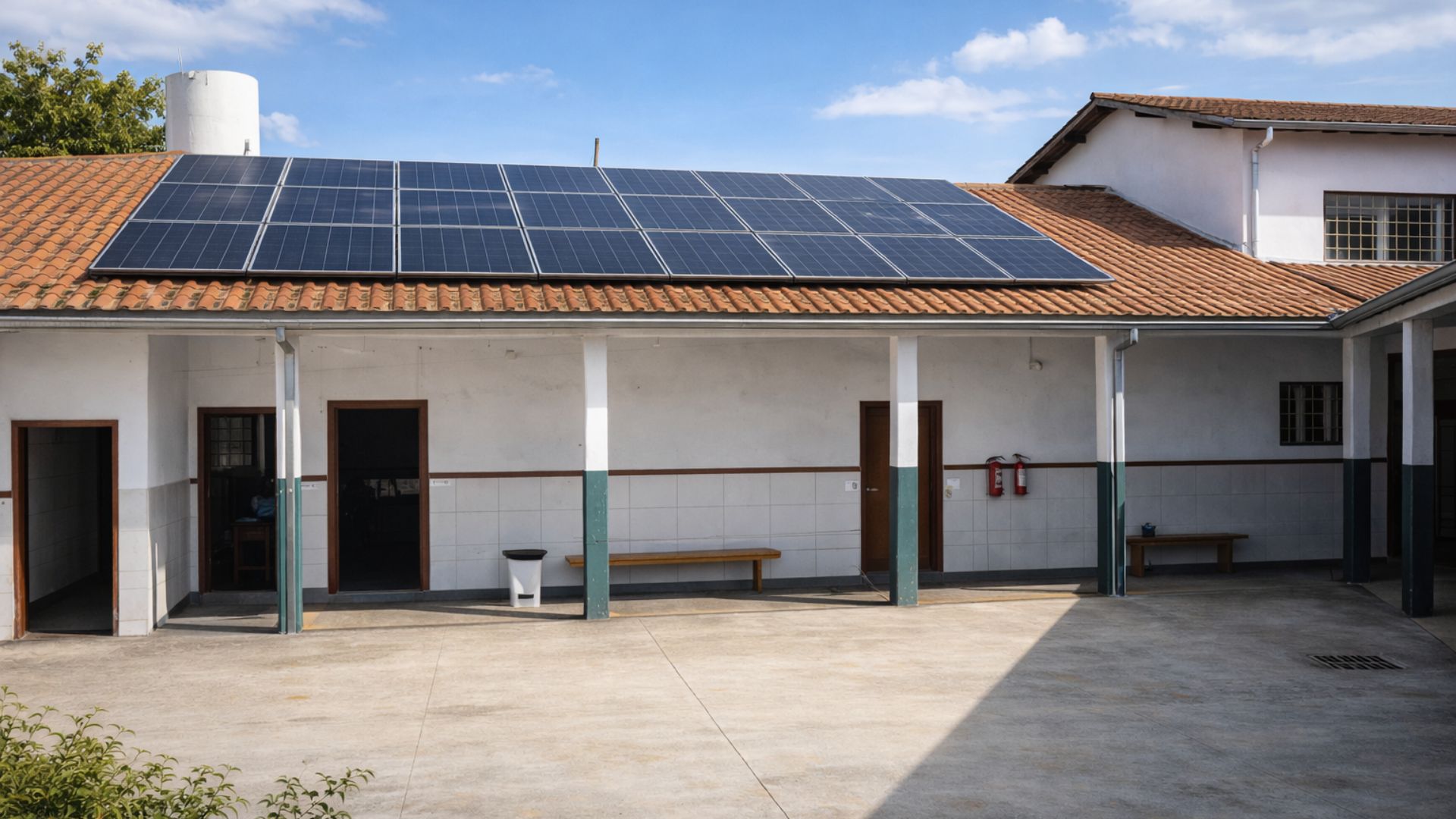
Copel boosts solar energy in Paraná and brings innovation to public schools, promoting savings on electricity bills, energy efficiency, and a direct impact on the quality of education.
-
Brazil reaches historic milestone in solar energy: Sector surpasses 2 million accumulated green jobs and generates billions in the national economy even under market pressure.
-
Minas Gerais takes the lead in renewable energy: State surpasses historic mark of 14 GW in solar energy generation in MG and consolidates dominance in the Brazilian electric sector.

Still, the tariff reform is expected to strongly impact the Brazilian industry. It is estimated that energy costs will increase by around 20%, due to the removal of tariff subsidies and the inclusion of free consumers in the sharing of expenses that were previously restricted to captive consumers.
Higher Tariffs Pressure Companies and Large Consumers
Another sensitive point is the end of the discount on the so-called “wire tariff,” which benefited companies that used renewable sources, such as solar energy itself. With the removal of this benefit, large consumers will incur additional costs, putting pressure on sectors that had been betting on clean energies to reduce expenses and emissions.
ANEEL will play a central role in the regulation of the new rules, while the Electric Energy Trading Chamber (CCEE) will be responsible for managing the dynamics of the contracts. Distributors will need to adapt to the contractual and accounting separation, as well as implement technological innovations to meet the new market design.
This set of changes reinforces the complexity of the moment for the electric sector and, especially, for solar energy, which is no longer seen merely as synonymous with savings and now requires increased attention to regulatory costs.








Essa medida vai afetar o setor off-grid, também?