





 Portuguese
  English
  Spanish
  3 min of reading
  0 comments


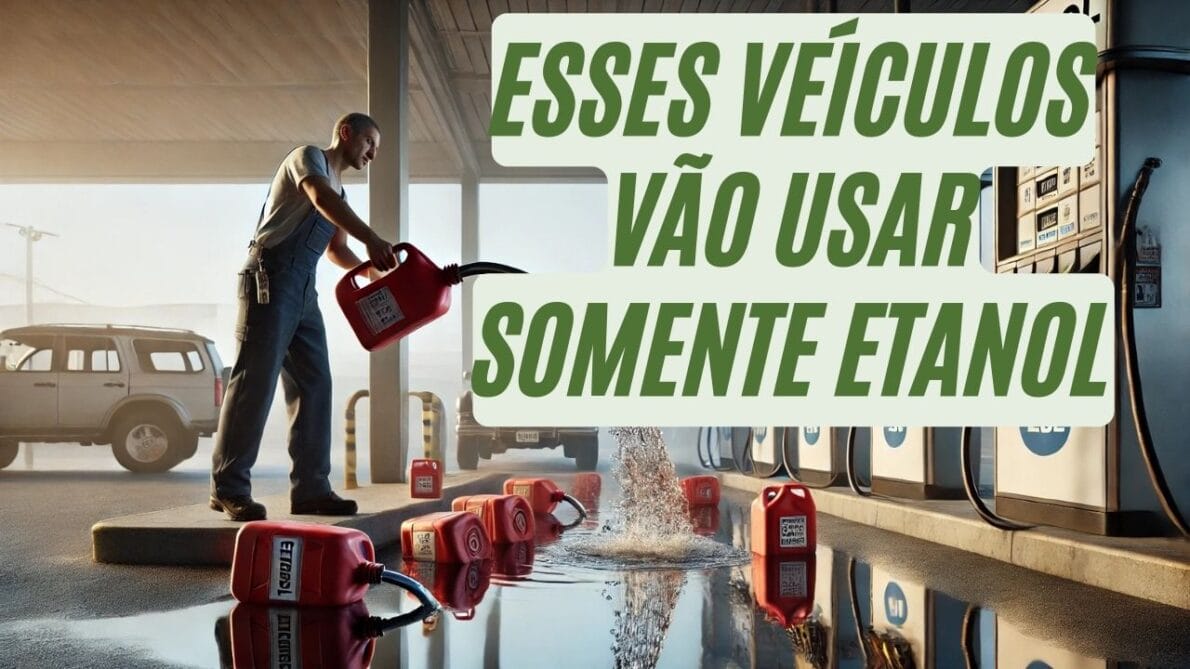
What Seems Like the Output of a Green and Modern Dream for Brazil May Be Much Closer to Becoming a Reality. A New Law Is on the Agenda to Make Sure That Certain Vehicles Use Ethanol Exclusively as Fuel. And If You Thought It Was Just Another Outlandish Idea, Know That This Measure Could Transform the Country into an Even Greater Power in the Renewable Energy Scenario.
Proposed by Deputy Cabo Gilberto Silva, the project is an initiative towards more sustainable transportation practices, leveraging the potential of ethanol as an ecological and economical alternative. The measure primarily targets government vehicles, which, under the new law, would be required to run exclusively on ethanol, a fuel derived from sugarcane, a widely available and sustainable resource.
Economic and Environmental Advantages of Ethanol
The choice of ethanol is not casual: Brazil is a leader in the production of this biofuel, which generates benefits that go beyond sustainability. By opting for ethanol, the government would not only reduce pollutant emissions, contributing to improved air quality, but also encourage the growth of essential economic sectors such as agriculture and industry.
The sugarcane sector employs thousands of workers and also enables the production of bioelectricity, used both in the operations of the plants and in the national electricity grid.
-
50 viaducts, 4 tunnels, 28 bridges, and 40 kilometers of bike paths: BR-262 in Espírito Santo will receive 8.6 billion reais for the largest engineering project in the state’s history, inspired by the Immigrant Highway in São Paulo.

-
Brazil produces too much clean energy and doesn’t know what to do with it: over 20% of solar and wind capacity was wasted in 2025 while investors flee and 509 renewable generation projects were abandoned in the last year.
-
Piauí will produce a new fuel that replaces diesel without needing to change anything in the truck’s engine and reduces pollutant gas emissions by half: truck drivers from all over the Northeast are already celebrating the news that will arrive later this decade.

-
A new Brazilian shopping center worth R$ 400 million will be built in an area equivalent to more than 4 football fields, featuring 90 stores, 5 cinemas, a supermarket, a college, and parking for 1,700 cars, potentially generating 3,000 jobs.


Other Initiatives to Stimulate the Use of Ethanol
In addition to the requirement proposed in the law, other measures are being discussed to strengthen the use of ethanol in Brazil. Among the proposals under analysis are:
Tax Exemptions: There is consideration for removing taxes such as PIS and Cofins on ethanol, which would lower its cost in the domestic market, stimulating its competitiveness.
Research Incentives: The idea is to finance the development of new technologies in the biofuels sector, especially to enhance the efficiency and viability of ethanol.
Renewable Energy Promotion Policies: Projects focused on sustainable energies have been encouraged by various political fronts, and ethanol is at the center of these discussions.
These complementary measures reinforce the new law’s goal of making ethanol more appealing, both economically and environmentally. With this change, Brazil would have the chance to create a more dynamic domestic biofuels market, strengthening the economy and reducing dependence on fossil fuels.
The Path to the Approval of the New Law
Before seeing this law in practice, the proposal still needs to pass through various legislative committees. Among them are those that deal with energy, environment, and finance, reflecting the multifaceted importance of the project. Approval would represent a decisive step towards positioning Brazil as a global leader in clean energy, consolidating a vision of a more sustainable and innovative country.
Should the new law come into effect, the expectation is that it will inspire a broader movement towards the use of renewable fuels, both in the public and private sectors. Thus, Brazil would not only be betting on a greener future but also paving the way for a more resilient economic model that is less dependent on fluctuations in the oil market.
With the approval of this new law for the exclusive use of ethanol in government vehicles, Brazil could take a historic leap towards sustainability. More than an economic decision, it’s a bet on global leadership in biofuels and the creation of an environmental legacy that will benefit both the present and future generations.









Seja o primeiro a reagir!