





 Portuguese
  English
  Spanish
  4 min of reading
  99 comments


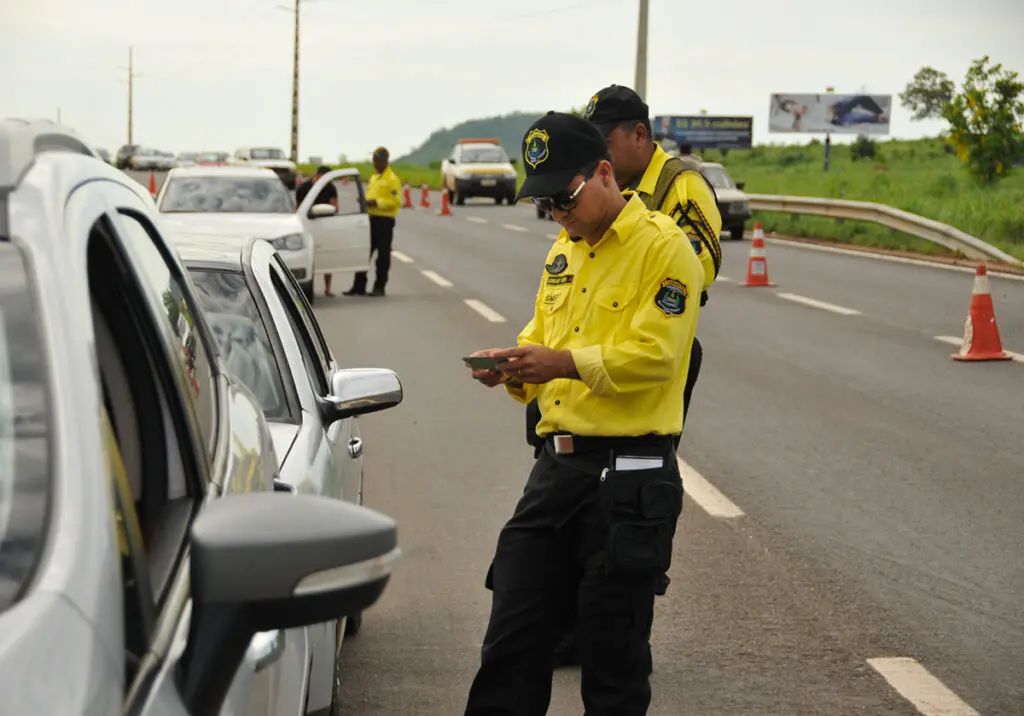


Armed Traffic Agents: The CCJ Approved a Bill That Could Transform Enforcement in Brazil. With the Carrying of Arms Inside and Outside Working Hours, the Measure Raises Debates About Security and Responsible Use. Will the Initiative Bring More Protection or New Challenges?
The Brazilian traffic may undergo an unprecedented transformation.
While drivers worry about fines and traffic jams, a controversial change promises to elevate the level of tension on public roads.
The proposal to allow traffic agents to carry firearms has already been approved by the Committee on Constitution, Justice and Citizenship (CCJ) of the Chamber of Deputies and is advancing to the Senate.
-
50 viaducts, 4 tunnels, 28 bridges, and 40 kilometers of bike paths: BR-262 in Espírito Santo will receive 8.6 billion reais for the largest engineering project in the state’s history, inspired by the Immigrant Highway in São Paulo.

-
Brazil produces too much clean energy and doesn’t know what to do with it: over 20% of solar and wind capacity was wasted in 2025 while investors flee and 509 renewable generation projects were abandoned in the last year.

-
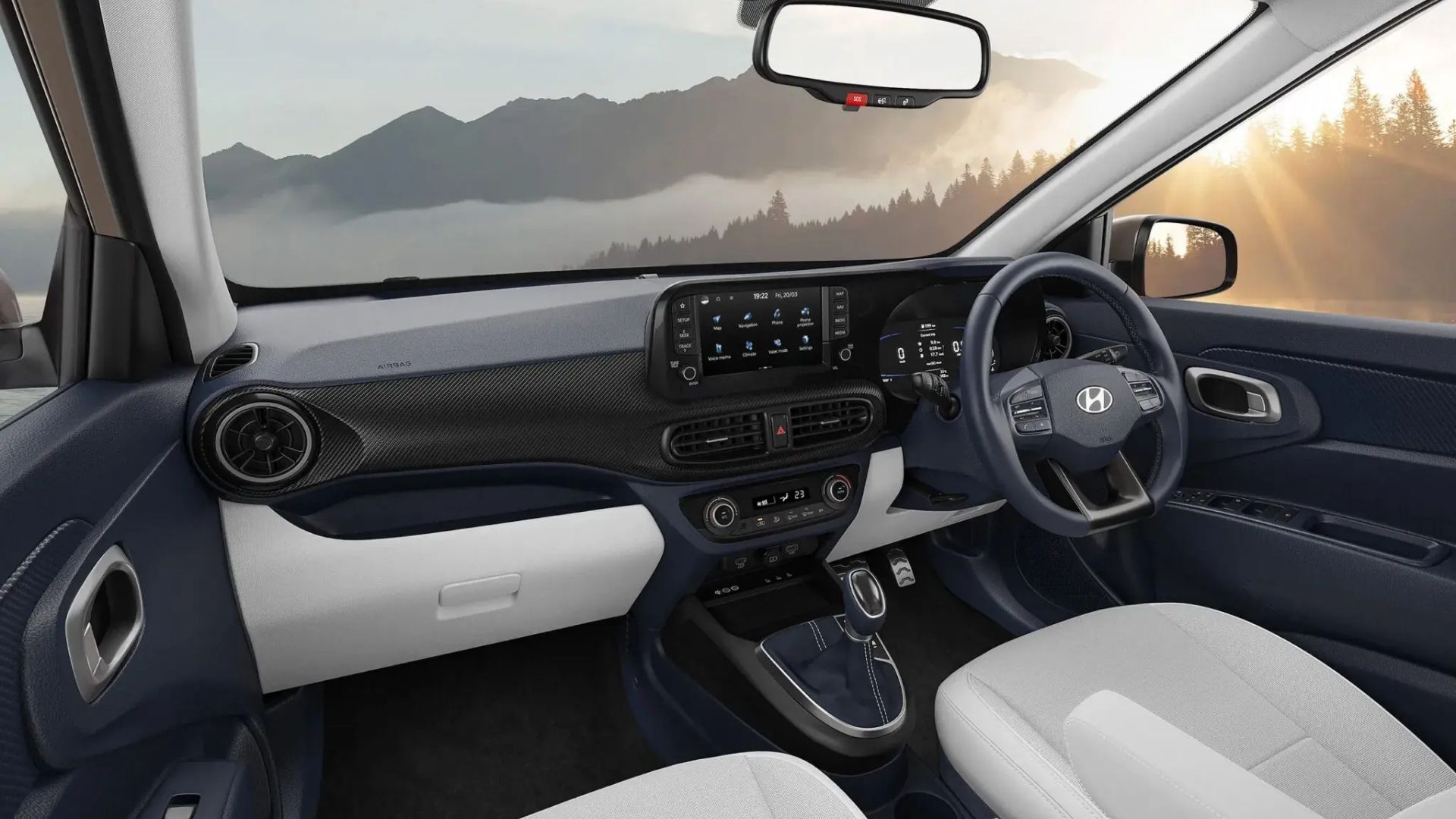
For R$ 32,000, a brand new Hyundai car is a rival to the Kwid with a 1.2 engine producing 82 hp, 6 airbags as standard, multimedia with wireless Android Auto, up to 391 liters in the trunk, and a refreshed look for 2026 in India.
-
He bought a new car in 1983, locked it in the barn in 1988, and no one opened the door for 38 years until the family discovered what was stored inside and realized it looked like something out of a movie.


The novelty raises intense debates and triggers an important question: how far does the responsibility of these professionals extend in public safety?
This decision, which could redefine the role of agents, is already sparking divided reactions among experts, legislators, and society.
Carrying Arms and New Regulation for Traffic Agents
The approved bill amends the Disarmament Statute to grant traffic agents the carrying of arms, both during and outside of service.
This authorization, however, comes with strict requirements, including specialized training and oversight, as per current legislation.
In addition, the text goes further by recognizing the activity of traffic agents as having a police nature.
This detail, based on the Federal Constitution, reinforces the idea that these professionals play a central role in promoting road safety.
The regulation also establishes stricter criteria for entering the career, such as requiring a higher education diploma, Brazilian nationality, and approval in a public competition.
The agents will continue to perform functions such as enforcement, promoting traffic education, and actions to ensure safety on the roads.
However, with the carrying of arms, the scope and responsibilities of these officers can expand significantly.
According to the bill’s rapporteur, Deputy Delegate Paulo Bilynskyj (PL-SP), the proposal regulates the Constitutional Amendment 82/14, which already attributed to states, the Federal District, and municipalities the responsibility for road safety.
The deputy emphasized that the adjustments made in the text aim to respect regional autonomies, allowing each federative entity to legislate on the subject specifically.
Path to the Senate
With the approval in the CCJ, the bill now follows for analysis in the Senate. If there is no appeal for a vote in the Chamber’s plenary, the process will be direct.
If approved, the measure will mark a new phase in the work of traffic agents in Brazil.
According to the current text, agents will be able to carry arms as long as they undergo rigorous training and demonstrate proficiency in handling the equipment safely.
This requirement aims to prevent stressful situations in traffic from escalating into episodes of armed violence.
Paulo Bilynskyj stressed that road safety needs to be treated as an extension of public safety.
“These professionals face risky situations daily. It is essential to provide the necessary tools so they can perform their functions safely and effectively”, he stated.
Impact of the Proposal
The bill divides opinions.
On one side, public safety experts see the measure as a necessary advancement, arguing that the carrying of arms will enhance the protection of agents and strengthen traffic enforcement.
On the other hand, critics point out the risks of arming officers who, although trained, are not traditionally associated with the use of lethal force.
Among the concerns raised is the possibility of misuse of firearms during routine stops, which could result in tragedies or escalation of conflicts.
Additionally, there are fears that the measure may increase public distrust towards traffic agents, transforming a cooperative relationship into a more hostile one.
Entities linked to public safety and civil organizations have already expressed positions both for and against the bill.
While some support the initiative as a reinforcement for road safety, others urge caution, arguing that Brazil already faces significant challenges in controlling firearms.
Comparisons with Other Countries
The proposal places Brazil in a prominent position when comparing its legislation with that of other countries.
In nations such as the United States, traffic enforcement agents in some jurisdictions already have the right to carry arms.
However, this occurs in contexts where there is strong integration between traffic and police sectors.
In Brazil, this change could mean a step in the same direction, but there are still doubts about how it will be implemented in practice.
Training, oversight, and control over the use of firearms by these agents will be crucial to avoid the measure becoming a new point of tension in public safety.
A Transformative or Risky Measure?
If the proposal is approved, Brazilian traffic agents will have their functions significantly expanded.
The profession, which until now was focused on enforcing violations and educating on traffic, will begin to involve elements typical of police activities.
The big question that remains is: will this change truly bring more safety or open up gaps for new problems in Brazilian traffic?








Com todo respeito aos colegas agentes de trânsito, estou na profissão há 25 anos, trabalho em Fortaleza/CE, sempre fui contra o armamento e voto vencido nos debates com a categoria. Eu trabalho no período noturno, das 00:01h às 05:51h, na quarta capital do Brasil e uma das cidades mais violentas do mundo e já estive em diversas situações nas quais eu e meus colegas provavelmente não saíssemos incólumes se trabalhassemos armados. Há muitas ocorrências que atendemos nas periferias onde sequer a Polícia Militar entra sem reforço, isso porque trabalhamos desarmados, vamos apenas desobstruir o trânsito e tomar as medidas necessárias quanto aos atendimentos legais. A imensa maioria dos agentes públicos acham que o porte de arma em serviço serve apenas para a própria segurança, não entende o que isso implica no cotidiano do serviço prestado. Além de não oferecer necessariamente a segurança que se espera, potencializando os casos de agressão, implica em novas e complexas responsabilidades de enfrentamento no contexto da segurança pública. Vocês pediram que a sociedade confiem armas aos senhores, pois a sociedade exigirá a proteção que os senhores deverão prestar como agentes de segurança armados.
Tem agentes folgados demais, e se tiver armando só imagine a **** que vai dar.
Cidadão de bem também deveria andar armado pq sim a polícia já faz **** imagina esses caras que anda correndo atrás dos outros querendo tomar veículo do povo que trabalha muitos depende do seu veículo