





 Portuguese
  English
  Spanish
  3 min of reading
  0 comments



Get Ready: A New Era for Traffic Is on the Horizon, and It Promises to Be Revolutionary. You Know That Fine You Received, But Were in Doubt If You Really Committed the Infraction? Well, the New Law Is Coming to End This Uncertainty Once and for All! With Bill 2990/2024, Presented in the Chamber of Deputies, Traffic Enforcement in Brazil Could Be on the Verge of Gaining a Boost of Transparency and Justice.
The new law, proposed by federal deputy Dayany Bittencourt, seeks a profound change in the process of applying fines. The idea is simple but powerful: for each recorded infraction, especially those captured by radars and cameras, the responsible agency must attach clear images as evidence of the occurrence. Thus, the project aims to reduce what many drivers call the “fine industry” while guaranteeing a more robust right to defense for those who are fined.
How Does the New Law 2990/2024 Work?
The new law, if approved, requires that all fine notifications must include visual evidence of the infraction committed, along with an image of the vehicle’s license plate. In other words, no fine without a photo! This central point of the proposal relies on the so-called “dynamic proof theory,” where the burden of proof lies with the enforcement agency, which must, as a matter of obligation, provide these images for the fine to be validated.
With the requirement for visual evidence, the new law aims to ensure that the enforcement process is more transparent and that drivers have the opportunity to contest fines based on concrete evidence. Thus, traffic agencies will be required to invest in technology, adopting more modern cameras and robust data storage systems to record and retain this evidence.
-
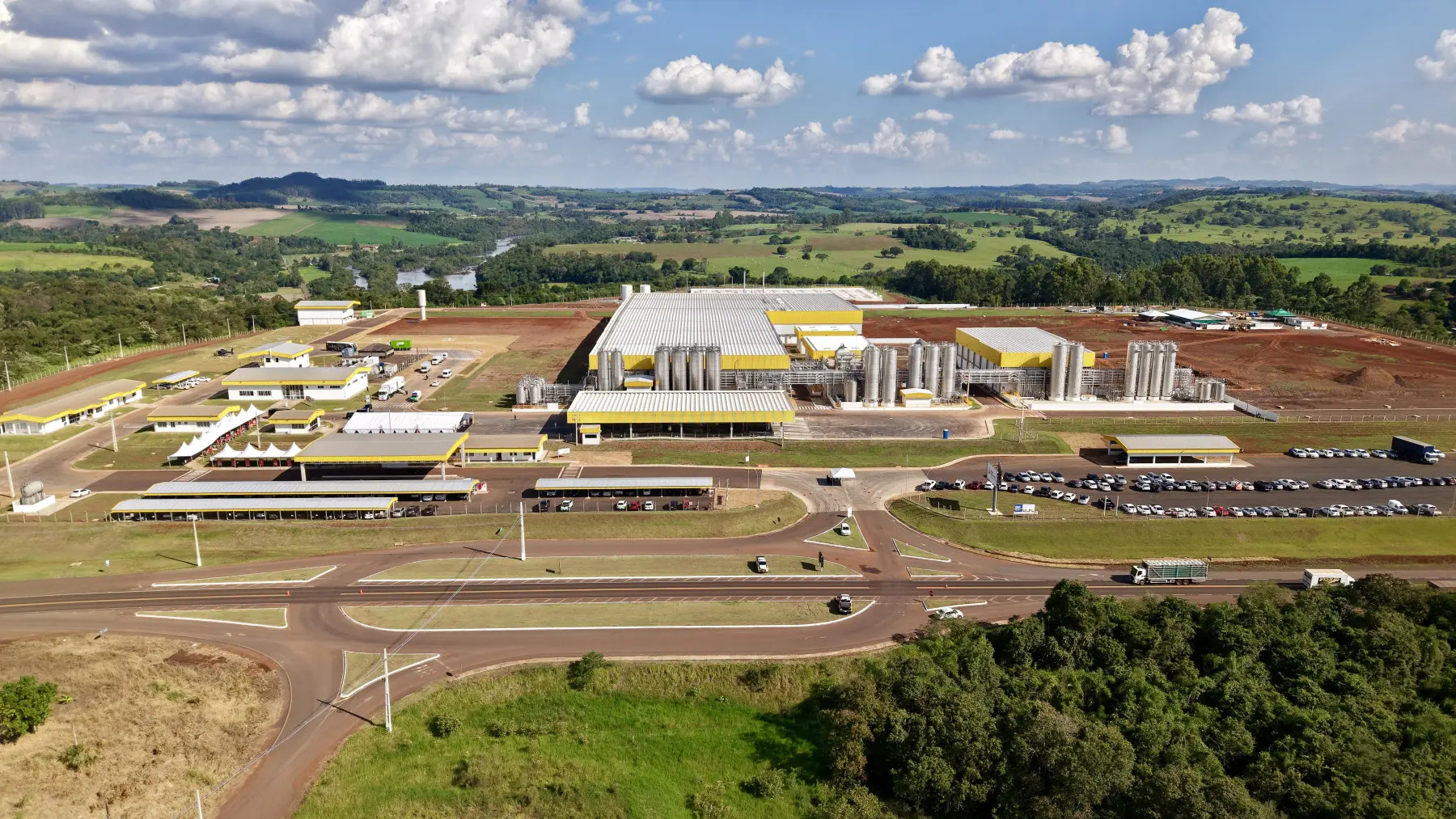
With an investment of R$ 612 million, a capacity to process 1.2 million liters of milk per day, Piracanjuba inaugurates a mega cheese factory that increases national production, reduces dependence on imports, and repositions Brazil on the global dairy map.
-
Brazilian city gains industrial hub for 85 companies that is equivalent to 55 football fields.

-
Peugeot and Citroën factory in Argentina cuts production by half and opens a layoff program for more than 2,000 employees after Brazil drastically reduced purchases of Argentine vehicles.
-
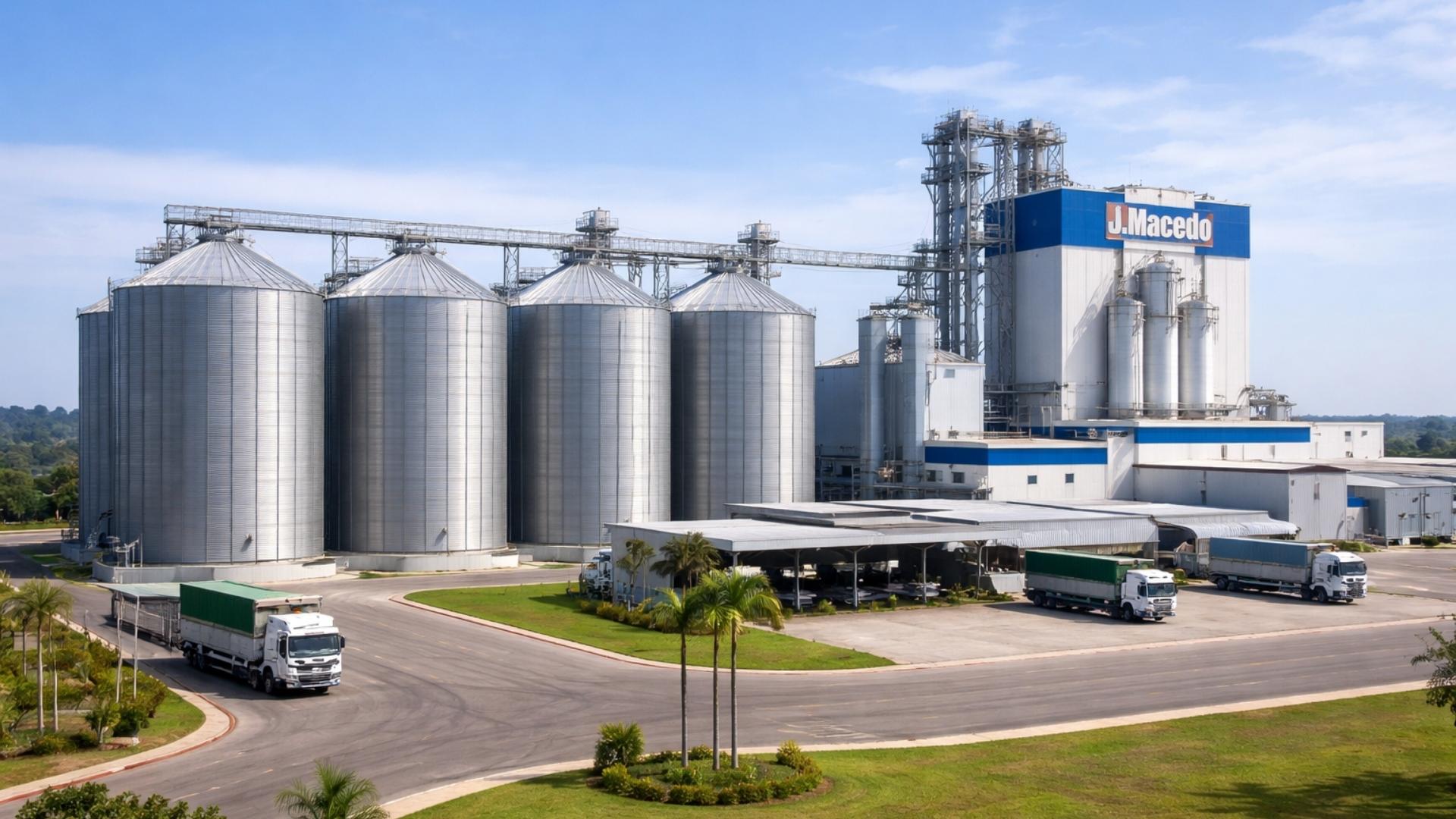
A Brazilian city gains a factory worth R$ 300 million with the capacity to process 200 thousand tons of wheat per year, a mill of 660 tons/day, silos for 42 thousand tons, and an industrial area of 276 thousand m².
The Impact of the Law on Drivers’ Routine
For drivers, the new law brings a significant change in how fines are dealt with. Imagine you are notified of an infraction. With the approval of the new law, it will be enough to check the attached images to know exactly what happened and, if you disagree, you will have the chance to contest based on something more solid than just the word of the traffic agent or a vague notification. This additional transparency promises a significant impact on drivers’ trust in the traffic system.
Furthermore, the project aims to curb dubious fines, commonly criticized by drivers who feel victimized by the “fine industry.” The need for visual evidence reduces the margin for misinterpretations or excessive fines, making the process fairer and based on concrete facts.
Transparency and Right to Defense: An Advance for Drivers
With the implementation of the new law, the expectation is that drivers will begin to face enforcement in a less oppressive and more justice-oriented way. The proposal marks a milestone for Brazilian traffic as it encourages a cultural shift in the practices of fines and enforcement. Now, infractions require evidence. With the image in hand, the driver will be able to clearly identify the moment and location of the infraction, enabling a more effective contestation if necessary.
Deputy Dayany Bittencourt, the author of the project, argues that the change brings a real win for drivers. “We want a safer, but also fair, traffic system. This project is a step toward that, ensuring that drivers have a voice and can question when necessary, always based on concrete visual evidence,” the deputy stated in a recent speech in the Chamber.
Next Steps: When Can the New Law Take Effect?
Bill 2990/2024 still needs to go through several stages in the Chamber of Deputies before being approved and sanctioned. If it receives the green light, it will be incorporated into the Brazilian Traffic Code (CTB), marking a new phase in the relationship between drivers and traffic authorities.
Thus, the new law promises to bring an era of greater transparency and justice in traffic, reducing the space for unfounded fines. For drivers, this means a stronger right to defense and a fines system that, finally, will have to prove each infraction with the clarity of an image.










Seja o primeiro a reagir!